
southeast asia countries
southeast asia countries and their capitals
01
Indonesia
287.88 Million
02
Philippines
117.72 Million
03
Vietnam
102.1 Million
04
Thailand
71.55 Million
05
Myanmar
55.18 Million
06
Malaysia
36.38 Million
07
Cambodia
18.05 Million
08
Laos
7.97 Million
09
Singapore
5.90 Million
10
Timor Leste
1.43 Million
map of Southeast asia countries
how many countries in southeast asia
| country | population | density |
|---|---|---|
| Indonesia | 287,886,782 | 151 |
| Philippines | 117,724,471 | 344 |
| Vietnam | 102,177,431 | 308 |
| Thailand | 71,559,614 | 139 |
| Myanmar | 55,184,819 | 82 |
| Malaysia | 36,385,115 | 110 |
| Cambodia | 18,051,219 | 100 |
| Laos | 7,974,017 | 34 |
| Singapore | 5,905,748 | 8,318 |
| Timor-Leste | 1,436,923 | 97 |
| Brunei | 469,775 | 81 |
| Source : worldpopulationreview.com | Southeast Asia | ||
which is Largest Country Of Southeast Asia By Land
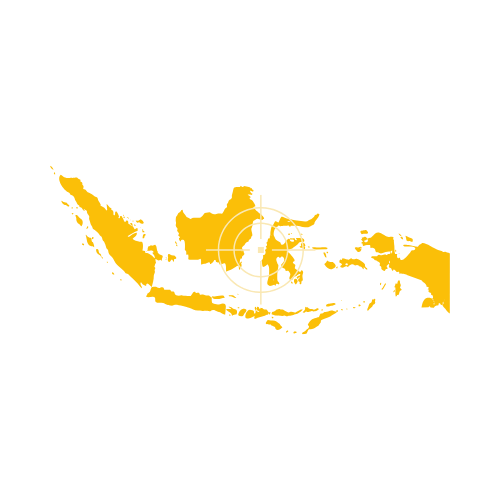
By Land In Southeast Asian Region Indonesia Rank On First

Indonesia With People's Is Most Populated Central Asian Country
largest country in Southeast asia by population
Southeast Asia Countries Population And Geography History
Southeast Asia is a diverse region of Asia located between the Indian Ocean and the Pacific Ocean, connecting mainland Asia with the islands and maritime routes of the wider Indo-Pacific. It includes 11 sovereign countries: Brunei, Cambodia, Indonesia, Laos, Malaysia, Myanmar, the Philippines, Singapore, Thailand, Timor-Leste and Vietnam.
The region combines mainland and island environments, tropical forests, major river systems, volcanic islands, coral reefs, mountain ranges and some of the world’s busiest maritime routes. It is also home to hundreds of millions of people and a remarkable mixture of languages, religions, ethnic communities and historical traditions.
The modern regional framework is strongly associated with the Association of Southeast Asian Nations (ASEAN). ASEAN was founded in Bangkok on 8 August 1967 by Indonesia, Malaysia, the Philippines, Singapore and Thailand. Brunei joined in 1984, Vietnam in 1995, Laos and Myanmar in 1997, Cambodia in 1999, and Timor-Leste became ASEAN’s 11th member on 26 October 2025.
According to ASEAN’s latest statistical publication, the 11 ASEAN member states had a combined population of approximately 684.1 million in 2024, representing about 8.4% of the world’s population.
Southeast Asia at a Glance
| Category | Information |
|---|---|
| Region | Southeast Asia |
| Continent | Asia |
| Number of sovereign countries | 11 |
| Main geographic divisions | Mainland Southeast Asia and Maritime Southeast Asia |
| Major regional organization | ASEAN |
| ASEAN members | 11 |
| Largest country by area | Indonesia |
| Largest country by population | Indonesia |
| Smallest country by area | Singapore |
| Major island country | Indonesia |
| Major mainland countries | Myanmar, Thailand, Laos, Cambodia, Vietnam |
| Major seas | South China Sea, Andaman Sea, Java Sea, Celebes Sea, Philippine Sea |
| Major rivers | Mekong, Irrawaddy, Chao Phraya, Red River, Salween |
| Major mountain systems | Annamite Range, Arakan Mountains, Shan Hills, Barisan Mountains |
| Major cultural influences | Indigenous, Indian, Chinese, Islamic, Buddhist and European |
| 2024 ASEAN population | 684.1 million |
| ASEAN population share of world | About 8.4% |
| ASEAN founding | 8 August 1967 |
| Current ASEAN membership | 11 states |
ASEAN’s 2025 statistical publication incorporates Timor-Leste as the organization’s eleventh member and provides updated demographic, economic, social and environmental statistics.
What Is Southeast Asia?
Southeast Asia is the part of Asia situated south of China, east of the Indian subcontinent and north of Australia.
The region has traditionally been divided into two broad geographical zones:
- Mainland Southeast Asia
- Maritime Southeast Asia
This division reflects the region’s geography rather than a political organization.
Mainland Southeast Asia contains countries connected to the Asian mainland, while Maritime Southeast Asia consists largely of island and archipelagic states.
Countries of Southeast Asia
Southeast Asia has 11 sovereign states.
| No. | Country | Capital | Main Geographic Group |
|---|---|---|---|
| 1 | Brunei | Bandar Seri Begawan | Maritime |
| 2 | Cambodia | Phnom Penh | Mainland |
| 3 | Indonesia | Jakarta | Maritime |
| 4 | Laos | Vientiane | Mainland |
| 5 | Malaysia | Kuala Lumpur | Mainland & Maritime |
| 6 | Myanmar | Naypyidaw | Mainland |
| 7 | Philippines | Manila | Maritime |
| 8 | Singapore | Singapore | Maritime |
| 9 | Thailand | Bangkok | Mainland |
| 10 | Timor-Leste | Dili | Maritime |
| 11 | Vietnam | Hanoi | Mainland |
These 11 countries correspond with the current membership of ASEAN. Timor-Leste’s accession on 26 October 2025 made ASEAN an 11-member regional organization.
Mainland Southeast Asia
Mainland Southeast Asia generally includes:
- Myanmar
- Thailand
- Laos
- Cambodia
- Vietnam
Parts of Malaysia are also located on the Malay Peninsula, connecting the mainland and maritime geographic zones.
The mainland contains important river valleys and mountain systems and has historically provided corridors for migration, agriculture, trade and cultural exchange.
Maritime Southeast Asia
Maritime Southeast Asia includes:
- Indonesia
- Philippines
- Brunei
- Singapore
- Timor-Leste
Malaysia also has territories on the island of Borneo and therefore has both mainland-peninsular and maritime geographic characteristics.
The maritime region contains enormous archipelagos, narrow straits, coral reefs, volcanic islands and some of the world’s most strategically important sea lanes.
Geography of Southeast Asia
Southeast Asia has one of the most varied physical environments in Asia.
Its landscapes include:
- Mountains
- River deltas
- Tropical rainforests
- Volcanic islands
- Limestone formations
- Coastal plains
- Coral reefs
- Mangrove forests
- Large river basins
- Tropical islands
- High plateaus
The region’s location between the Indian and Pacific oceans has strongly influenced its climate, trade and history.
Mainland Geography
The mainland contains several major river systems.
The Mekong River is particularly important, flowing through or along several countries before reaching the South China Sea.
Other important rivers include:
- Irrawaddy
- Salween
- Chao Phraya
- Red River
River valleys have supported agriculture and the development of major settlements for centuries.
Maritime Geography
Maritime Southeast Asia contains some of the world’s largest archipelagos.
Indonesia alone consists of thousands of islands spread across a vast area between the Indian and Pacific oceans.
The Philippines is another major archipelagic country, while smaller island states such as Brunei, Singapore and Timor-Leste occupy strategically important locations.
Major Seas and Straits
Southeast Asia is surrounded by and contains numerous important seas.
Major bodies of water include:
- South China Sea
- Andaman Sea
- Java Sea
- Celebes Sea
- Philippine Sea
- Sulu Sea
- Banda Sea
- Timor Sea
- Gulf of Thailand
Important maritime passages include:
- Strait of Malacca
- Sunda Strait
- Lombok Strait
- Makassar Strait
- Singapore Strait
The Strait of Malacca is particularly important for international shipping because it connects the Indian Ocean with the South China Sea and wider Pacific maritime routes.
Mountains of Southeast Asia
Mountain ranges extend through both mainland and island Southeast Asia.
Important mountain systems and highland areas include:
- Arakan Mountains
- Shan Hills
- Annamite Range
- Tenasserim Hills
- Barisan Mountains
- Central Highlands of Vietnam
- Philippine mountain systems
The region is also part of the broader tectonic environment around the Pacific and Eurasian plates, making earthquakes and volcanic activity significant in several areas.
Volcanoes in Southeast Asia
Volcanic activity is particularly important in Indonesia and the Philippines.
Indonesia lies along the Pacific Ring of Fire and contains numerous active volcanoes.
Notable Indonesian volcanoes include:
- Mount Merapi
- Mount Semeru
- Mount Bromo
- Krakatau
- Mount Agung
The Philippines also has active volcanoes, including:
- Mayon
- Taal
- Kanlaon
Volcanic activity has caused destructive eruptions and earthquakes but has also contributed to fertile soils in many agricultural areas.
Southeast Asia’s Climate
Most of Southeast Asia lies within tropical or subtropical climate zones.
The climate is strongly influenced by:
- Monsoon winds
- Tropical rainfall
- Ocean currents
- Elevation
- Distance from the equator
Many areas experience distinct wet and dry seasons.
Some regions receive very high annual rainfall, particularly areas exposed to monsoon systems and tropical maritime weather.
Population of Southeast Asia
Southeast Asia is one of the world’s major population centers.
ASEAN’s 2025 statistical publication reports a combined population of 684.1 million in 2024 across its 11 member states. The region accounted for approximately 8.4% of global population and ranked as the world’s third-most-populous regional grouping after India and China in the ASEAN statistical framework.
Population growth has slowed significantly over the long term. ASEAN data show that the regional annual population growth rate declined from about 2.1% in 1980 to around 0.2% in 2024.
The region is experiencing different demographic patterns at the same time. Some countries have relatively young populations, while others are experiencing rapidly increasing shares of older people.
Largest Countries in Southeast Asia by Population
Indonesia is by far the most populous country in Southeast Asia.
It is followed by other large population centers including:
- Philippines
- Vietnam
- Thailand
- Myanmar
Together, these countries account for most of the region’s population.
Urbanization in Southeast Asia
Southeast Asia has experienced rapid urbanization.
Major metropolitan areas have expanded around:
- Jakarta
- Manila
- Bangkok
- Ho Chi Minh City
- Hanoi
- Kuala Lumpur
- Singapore
- Yangon
- Phnom Penh
- Surabaya
Urbanization has supported industrialization, services, education and international trade but has also created challenges involving housing, transportation, pollution, congestion and infrastructure.
ASEAN identifies rapid urbanization as one of the major demographic and environmental trends affecting the region.
Major Cities in Southeast Asia
Jakarta, Indonesia
Jakarta is one of the region’s largest metropolitan centers and a major political, economic and commercial hub.
Manila, Philippines
Manila is at the center of a large metropolitan area and serves as a major economic, cultural and political center.
Bangkok, Thailand
Bangkok is Thailand’s capital and a major tourism, finance, transportation and commercial center.
Ho Chi Minh City, Vietnam
Ho Chi Minh City is one of Vietnam’s most important commercial and industrial centers.
Hanoi, Vietnam
Hanoi is Vietnam’s capital and an important political, cultural and historical center.
Kuala Lumpur, Malaysia
Kuala Lumpur is Malaysia’s major financial and business center.
Singapore
Singapore is a sovereign city-state and one of the region’s most important financial, shipping and aviation hubs.
Yangon, Myanmar
Yangon remains an important commercial and cultural center of Myanmar.
Phnom Penh, Cambodia
Phnom Penh is Cambodia’s political, economic and cultural center.
Surabaya, Indonesia
Surabaya is one of Indonesia’s largest cities and an important industrial and maritime center.
History of Southeast Asia
Southeast Asia has a long history of migration, agriculture, maritime trade, kingdoms, empires and cultural exchange.
Its strategic location between India and China made it an important crossroads for international commerce.
Early Civilizations
Early Southeast Asian societies developed around river valleys, agricultural areas and maritime networks.
Rice cultivation became especially important in mainland areas, while maritime communities developed extensive seafaring and trading traditions.
Indian Cultural Influence
Indian religions, political ideas, writing systems and cultural traditions influenced many parts of Southeast Asia.
Hinduism and Buddhism became deeply established in several historical kingdoms.
Indian cultural influence can be seen in:
- Architecture
- Sanskrit-derived terminology
- Royal traditions
- Literature
- Religious practices
- Art
- Political institutions
Chinese Influence
Chinese migration and trade also had a major impact on Southeast Asia.
Chinese merchants established trading communities throughout the region, while Chinese cultural influence became particularly significant in maritime trading centers.
The Spread of Islam
Islam became particularly influential in maritime Southeast Asia.
Islamic merchants, scholars and Sufi networks contributed to the spread of Islam through commercial ports and coastal societies.
Indonesia and Malaysia eventually developed large Muslim-majority populations, while Islam also became important in Brunei and parts of the Philippines and Thailand.
European Colonialism
European powers eventually established colonial control over large parts of Southeast Asia.
Major colonial powers included:
- Britain
- France
- Netherlands
- Spain
- Portugal
The United States also governed the Philippines during the twentieth century following Spanish colonial rule.
Thailand remained formally independent but experienced significant pressure and territorial concessions during the colonial period.
Japanese Occupation
During the Second World War, Japan occupied large areas of Southeast Asia.
The occupation disrupted European colonial rule and contributed to the political changes that followed the war.
Independence
Following the Second World War, Southeast Asian countries achieved independence at different times.
Major independence milestones included:
- Indonesia — 1945 declaration, sovereignty recognized in 1949
- Philippines — 1946
- Myanmar — 1948
- Cambodia — 1953
- Laos — 1953
- Vietnam — independence struggle followed by reunification in 1975
- Malaysia — 1957
- Singapore — 1965
- Brunei — 1984
- Timor-Leste — 2002
The independence process transformed the political map of the region.
ASEAN: Association of Southeast Asian Nations
The Association of Southeast Asian Nations (ASEAN) is the principal regional organization in Southeast Asia.
It was established on 8 August 1967 in Bangkok, Thailand by Indonesia, Malaysia, the Philippines, Singapore and Thailand.
The founding countries sought greater regional cooperation during a period marked by Cold War tensions, political instability and rapid decolonization.
ASEAN’s motto is:
“One Vision, One Identity, One Community.”
ASEAN Member States
ASEAN currently has 11 member states:
- Brunei Darussalam
- Cambodia
- Indonesia
- Laos
- Malaysia
- Myanmar
- Philippines
- Singapore
- Thailand
- Timor-Leste
- Vietnam
Timor-Leste became ASEAN’s eleventh member on 26 October 2025.
ASEAN Founding Members
The five founding members were:
- Indonesia
- Malaysia
- Philippines
- Singapore
- Thailand
They established ASEAN in Bangkok on 8 August 1967.
ASEAN Expansion
ASEAN expanded in several stages.
| Country | ASEAN Membership |
|---|---|
| Indonesia | 1967 |
| Malaysia | 1967 |
| Philippines | 1967 |
| Singapore | 1967 |
| Thailand | 1967 |
| Brunei Darussalam | 1984 |
| Vietnam | 1995 |
| Laos | 1997 |
| Myanmar | 1997 |
| Cambodia | 1999 |
| Timor-Leste | 2025 |
This expansion transformed ASEAN from a five-country founding organization into the current 11-member regional grouping.
ASEAN Community
ASEAN cooperation is organized around three broad community pillars:
ASEAN Political-Security Community
This pillar focuses on political cooperation, regional peace, security and diplomatic relations.
ASEAN Economic Community
The economic pillar promotes regional economic integration, trade, investment and greater connectivity.
ASEAN Socio-Cultural Community
The socio-cultural pillar covers areas such as education, health, culture, environment, social development and community welfare.
ASEAN’s institutional structure includes the three community councils and numerous sectoral ministerial bodies.
Southeast Asia Economy
Southeast Asia is one of the world’s major economic regions.
Its economies range from highly developed financial and services centers to emerging manufacturing and agricultural economies.
ASEAN reported that its combined GDP reached approximately US$3.9 trillion in 2024, while total goods trade reached approximately US$3.8 trillion and foreign direct investment inflows reached about US$226 billion.
The regional economy includes:
- Manufacturing
- Electronics
- Semiconductors
- Automotive production
- Agriculture
- Oil and gas
- Mining
- Tourism
- Financial services
- Shipping
- Logistics
- Digital services
- Information technology
- Food processing
Major Economic Powers in Southeast Asia
Indonesia
Indonesia has the largest economy and population in Southeast Asia and is a member of the G20.
Singapore
Singapore is a major global financial, shipping, aviation and business center.
Thailand
Thailand has major automotive, manufacturing, agricultural and tourism industries.
Malaysia
Malaysia has significant electronics, manufacturing, energy, palm oil and services sectors.
Vietnam
Vietnam has become an important manufacturing and export center, particularly in electronics, machinery, textiles and consumer goods.
Philippines
The Philippines has major services, business-process outsourcing, electronics, remittances and consumer markets.
Agriculture in Southeast Asia
Agriculture remains important despite rapid industrialization.
Major agricultural products include:
- Rice
- Palm oil
- Rubber
- Coffee
- Coconut
- Sugar
- Cassava
- Fruits
- Seafood
- Spices
The Mekong basin is particularly important for rice production and freshwater resources.
Indonesia and Malaysia are major producers of palm oil, while Thailand and Vietnam are major agricultural exporters.
Manufacturing in Southeast Asia
Manufacturing has become one of the region’s major economic engines.
Important industries include:
- Electronics
- Semiconductors
- Automobiles
- Machinery
- Textiles
- Footwear
- Chemicals
- Food processing
- Consumer electronics
Regional production networks connect Southeast Asian economies with China, Japan, South Korea, the United States, Europe and other markets.
Trade and Maritime Routes
Southeast Asia occupies a strategically important position between the Indian and Pacific oceans.
The Strait of Malacca is particularly important because it provides a major maritime connection between the Indian Ocean and East Asian markets.
Singapore, Malaysia, Indonesia and other regional economies benefit from their location along major international shipping routes.
ASEAN’s economic integration also seeks to improve regional connectivity and reduce barriers to trade and investment.
Tourism in Southeast Asia
Tourism is one of the region’s most important service industries.
Major attractions include:
- Tropical beaches
- Historic temples
- Ancient cities
- Rainforests
- Volcanoes
- Coral reefs
- Cultural festivals
- Food traditions
- Mountain landscapes
- Colonial architecture
Popular tourism destinations include:
- Bali, Indonesia
- Phuket, Thailand
- Bangkok, Thailand
- Boracay, Philippines
- Palawan, Philippines
- Ha Long Bay, Vietnam
- Angkor Wat, Cambodia
- Singapore
- Kuala Lumpur, Malaysia
- Langkawi, Malaysia
- Luang Prabang, Laos
- Brunei
Timor-Leste
Religions of Southeast Asia
Southeast Asia is one of the world’s most religiously diverse regions.
Major religions include:
- Buddhism
- Islam
- Christianity
- Hinduism
- Traditional and indigenous religions
- Chinese religious traditions
Religious geography varies substantially from country to country.
Islam
Islam is especially important in:
- Indonesia
- Malaysia
- Brunei
Large Muslim populations also exist in the Philippines, Thailand, Singapore and Myanmar.
Indonesia has the world’s largest Muslim population.
Buddhism
Buddhism is especially influential in:
- Thailand
- Myanmar
- Cambodia
- Laos
Vietnam also has significant Buddhist traditions alongside other religious and philosophical systems.
Christianity
Christianity is particularly dominant in the Philippines and Timor-Leste.
Christian communities are also present in Indonesia, Singapore, Malaysia and Myanmar.
Hinduism
Hinduism is especially prominent in Bali, Indonesia, where Balinese Hindu traditions form an important part of the island’s cultural identity.
Indigenous Religions
Traditional belief systems continue to influence cultural practices throughout Southeast Asia, sometimes alongside Islam, Buddhism, Christianity or Hinduism.
Languages of Southeast Asia
Southeast Asia contains hundreds of languages belonging to several language families.
Important language families include:
- Austronesian
- Austroasiatic
- Tai-Kadai
- Sino-Tibetan
- Hmong-Mien
Major regional languages include:
- Indonesian
- Malay
- Vietnamese
- Thai
- Burmese
- Khmer
- Lao
- Filipino
- Javanese
- Sundanese
- Tagalog
- Cebuano
English also plays an important role in business, education and international communication in several countries.
Culture of Southeast Asia
Southeast Asian culture reflects thousands of years of interaction among local traditions and external influences.
Major cultural influences include:
- Indigenous traditions
- Indian civilization
- Chinese civilization
- Islamic civilization
- European colonialism
- Modern global culture
This mixture can be seen in:
- Architecture
- Clothing
- Music
- Dance
- Literature
- Cuisine
- Religion
- Festivals
- Languages
- Traditional crafts
Food of Southeast Asia
Southeast Asian cuisine is internationally popular and highly diverse.
Major culinary traditions include:
Indonesian Cuisine
Known for dishes and ingredients such as nasi goreng, rendang, satay, sambal and coconut-based preparations.
Thai Cuisine
Known internationally for dishes such as pad Thai, tom yum, green curry and various spicy salads.
Vietnamese Cuisine
Known for dishes including pho, banh mi, fresh spring rolls and diverse noodle preparations.
Malaysian Cuisine
Malaysia combines Malay, Chinese, Indian and indigenous culinary traditions.
Filipino Cuisine
Filipino food includes dishes such as adobo, sinigang, lechon and numerous rice-based preparations.
Cambodian Cuisine
Cambodian cuisine includes rice, freshwater fish, herbs, vegetables and fermented ingredients.
Biodiversity of Southeast Asia
Southeast Asia is one of the world’s most biologically diverse regions.
ASEAN states that the region is home to approximately 20% of the world’s known species and is a major center of global marine biodiversity.
Important ecosystems include:
- Tropical rainforests
- Mangrove forests
- Coral reefs
- Seagrass beds
- River wetlands
- Peatlands
- Mountain forests
The region contains important wildlife such as:
- Orangutans
- Tigers
- Asian elephants
- Rhinoceroses
- Gibbons
- Komodo dragons
- Hornbills
- Marine turtles
Environmental Challenges in Southeast Asia
Rapid population growth, urbanization and economic development have created significant environmental pressures.
Important challenges include:
- Deforestation
- Biodiversity loss
- Air pollution
- Plastic pollution
- Coral reef degradation
- Drought
- Flooding
- Forest fires
- Rising temperatures
- Sea-level rise
- Water stress
ASEAN identifies climate change, extreme weather, environmental degradation and increasing demand for food, water and energy as major regional challenges.
Southeast Asia and Climate Change
Southeast Asia is particularly exposed to climate-related risks because of its long coastlines, low-lying cities, agricultural dependence and tropical climate.
Potential impacts include:
Sea-level rise
Coastal flooding
Stronger heat stress
Changes in rainfall
Drought
Flooding
Agricultural disruption
Coral bleaching
Ecosystem degradation
ASEAN has incorporated climate adaptation, mitigation and sustainable development into its regional cooperation frameworks.
Southeast Asia’s Strategic Importance
Southeast Asia occupies a critical geographical position between the Indian and Pacific oceans.
Its strategic importance comes from:
- Major shipping routes
- Large consumer markets
- Manufacturing networks
- Energy resources
- Maritime trade
- Population size
- Regional economic integration
- Proximity to China, India, Japan and Australia
The region is also central to the broader Indo-Pacific economic and strategic environment.
Southeast Asia and Global Trade
Southeast Asian countries are deeply integrated into global supply chains.
Major exports include:
- Electronics
- Semiconductors
- Machinery
- Vehicles
- Agricultural products
- Oil and gas
- Palm oil
- Rubber
- Textiles
- Footwear
- Seafood
ASEAN reported approximately US$3.8 trillion in goods trade in 2024, demonstrating the scale of the region’s integration into international commerce.
Southeast Asia’s Connectivity
Regional connectivity includes:
- Roads
- Railways
- Ports
- Airports
- Digital networks
- Energy infrastructure
- Maritime routes
ASEAN connectivity programs aim to strengthen physical, institutional and people-to-people connections throughout the region.
The region’s geography makes connectivity particularly important because Southeast Asia contains both large continental territories and thousands of islands.
Southeast Asia in the Indo-Pacific
Southeast Asia occupies a central position in the Indo-Pacific because of its location between the Indian and Pacific oceans.
ASEAN also serves as an important regional platform through mechanisms such as:
- ASEAN Regional Forum
- East Asia Summit
- ASEAN Defence Ministers’ Meeting-Plus
- ASEAN Plus Three
These mechanisms connect Southeast Asian countries with major powers and neighboring economies.
Southeast Asia Compared With East Asia
Southeast Asia and East Asia are separate geographic subregions.
Southeast Asia
Includes:
- Indonesia
- Malaysia
- Philippines
- Singapore
- Brunei
- Thailand
- Myanmar
- Laos
- Cambodia
- Vietnam
Timor-Leste
East Asia
Typically includes:
- China
- Japan
- South Korea
- North Korea
- Mongolia
- Taiwan
Geographical definitions can vary slightly between institutions, but the distinction is widely used in international geography and regional studies.
Southeast Asia Compared With South Asia
South Asia generally includes countries such as:
- India
- Pakistan
- Bangladesh
- Nepal
- Bhutan
- Sri Lanka
- Maldives
- Afghanistan
Southeast Asia lies farther east and includes the mainland and maritime countries around the South China Sea, Malay Peninsula and Indonesian and Philippine archipelagos.
Major Historical Kingdoms and Empires
Southeast Asia developed numerous influential kingdoms and empires.
Important historical states include:
- Khmer Empire
- Srivijaya
- Majapahit
- Pagan Kingdom
- Ayutthaya Kingdom
- Champa
- Đại Việt
- Lan Xang
- Malacca Sultanate
- Brunei Sultanate
- Mataram kingdoms
These states participated in regional trade and helped shape the cultural and political traditions of modern Southeast Asia.
Angkor and the Khmer Civilization
The Khmer Empire was one of the most powerful historical states in mainland Southeast Asia.
Its capital region around Angkor became famous for monumental architecture, especially Angkor Wat.
The Khmer civilization developed sophisticated systems of agriculture, water management, architecture and urban organization.
Srivijaya and Maritime Southeast Asia
The Srivijaya polity was an important maritime power centered in the Indonesian archipelago.
Its strategic position enabled it to participate in major maritime trade routes connecting South and East Asia.
Its history demonstrates the importance of sea trade to Southeast Asian civilization.
Majapahit
The Majapahit kingdom was another important historical state in the Indonesian archipelago.
It became influential in regional politics and maritime commerce and is frequently associated with the development of historical Javanese political and cultural traditions.
Malacca Sultanate
The Malacca Sultanate became a major commercial and Islamic center in the Malay world.
Its location along the Strait of Malacca made it particularly important to maritime trade between the Indian Ocean and East Asia.
Why Southeast Asia Is Important
Southeast Asia is important because it combines a large population, major economies, strategic sea routes, diverse natural resources and extensive cultural diversity.
Its importance can be summarized through several factors:
- More than 680 million people in the ASEAN statistical area
- 11 ASEAN member states
- Major global manufacturing centers
- Important shipping routes
- Large agricultural production
- Rapid urbanization
- Significant biodiversity
- Major tourism destinations
- Strong regional trade
- Strategic Indo-Pacific location
ASEAN’s 2024 economic figures show the scale of the region, with approximately US$3.9 trillion in GDP, US$3.8 trillion in goods trade and US$226 billion in FDI inflows.
Frequently Asked Questions
How many countries are in Southeast Asia?
Southeast Asia consists of 11 sovereign countries: Brunei, Cambodia, Indonesia, Laos, Malaysia, Myanmar, the Philippines, Singapore, Thailand, Timor-Leste and Vietnam.
What are the 11 countries of Southeast Asia?
The 11 countries are Brunei, Cambodia, Indonesia, Laos, Malaysia, Myanmar, the Philippines, Singapore, Thailand, Timor-Leste and Vietnam.
Which is the largest country in Southeast Asia?
Indonesia is the largest Southeast Asian country by both land area and population.
Which is the smallest country in Southeast Asia?
Singapore is the smallest sovereign state in Southeast Asia by land area.
Which country has the largest population in Southeast Asia?
Indonesia has the largest population in the region.
What is the population of Southeast Asia?
The 11 ASEAN member states had a combined population of approximately 684.1 million in 2024.
What is ASEAN?
ASEAN stands for the Association of Southeast Asian Nations. It is the principal regional organization bringing together the 11 Southeast Asian member states.
When was ASEAN founded?
ASEAN was founded on 8 August 1967 in Bangkok, Thailand, by Indonesia, Malaysia, the Philippines, Singapore and Thailand.
When did Timor-Leste join ASEAN?
Timor-Leste became ASEAN’s 11th member on 26 October 2025.
What are the mainland countries of Southeast Asia?
The principal mainland Southeast Asian countries are Myanmar, Thailand, Laos, Cambodia and Vietnam. Malaysia also has a portion of its territory on the Malay Peninsula.
What are the maritime countries of Southeast Asia?
Indonesia, the Philippines, Brunei, Singapore and Timor-Leste are primarily maritime Southeast Asian states. Malaysia also has major territory on Borneo.
What religions are common in Southeast Asia?
The major religions include Islam, Buddhism, Christianity and Hinduism, along with traditional and indigenous belief systems.
Which Southeast Asian country has the largest Muslim population?
Indonesia has the largest Muslim population of any country in Southeast Asia and the world’s largest Muslim population.
Which Southeast Asian countries are Buddhist-majority?
Thailand, Myanmar, Cambodia and Laos are generally associated with Buddhist-majority populations.
Which Southeast Asian countries are Christian-majority?
The Philippines and Timor-Leste are predominantly Christian.
Which Southeast Asian countries are Muslim-majority?
Indonesia, Malaysia and Brunei are Muslim-majority countries.
What is the main language of Southeast Asia?
There is no single language spoken throughout Southeast Asia. The region contains hundreds of languages, including Indonesian, Malay, Vietnamese, Thai, Burmese, Khmer, Lao and Filipino.
What is the largest economy in Southeast Asia?
Indonesia has the region’s largest national economy by nominal GDP in commonly used international economic datasets.
Why is Southeast Asia important for world trade?
The region lies along major maritime routes connecting the Indian and Pacific oceans. The Strait of Malacca and surrounding waterways are especially important to international shipping.
What is the Strait of Malacca?
The Strait of Malacca is a narrow maritime passage between the Malay Peninsula and Sumatra. It connects the Indian Ocean with the South China Sea and is one of the world’s major shipping routes.
Is Southeast Asia part of Asia?
Yes. Southeast Asia is one of the major geographic subregions of the Asian continent.
What is the difference between Southeast Asia and ASEAN?
Southeast Asia is a geographical region. ASEAN is a political and economic organization whose current membership consists of the 11 Southeast Asian states.
Is Timor-Leste part of Southeast Asia?
Yes. Timor-Leste is geographically part of Southeast Asia and became ASEAN’s 11th member in October 2025.
What are the major rivers of Southeast Asia?
Important rivers include the Mekong, Irrawaddy, Salween, Chao Phraya and Red River.
What is Southeast Asia famous for?
Southeast Asia is known for tropical islands, beaches, ancient temples, diverse cultures, rainforests, cuisine, maritime trade, biodiversity and rapidly developing economies.
Key Takeaways
- Southeast Asia has 11 sovereign countries.
- The countries are Brunei, Cambodia, Indonesia, Laos, Malaysia, Myanmar, the Philippines, Singapore, Thailand, Timor-Leste and Vietnam.
- The region can broadly be divided into Mainland Southeast Asia and Maritime Southeast Asia.
- ASEAN is the principal regional organization and currently has 11 members.
- ASEAN was founded on 8 August 1967 by five countries.
- Timor-Leste became ASEAN’s eleventh member in 2025.
- The 11 ASEAN states had approximately 684.1 million people in 2024.
- Indonesia is the region’s largest country by population and area.
- Southeast Asia contains some of the world’s most important maritime routes, including the Strait of Malacca.
- Buddhism, Islam, Christianity and Hinduism are major religions across the region.
- Southeast Asia has hundreds of languages and an exceptionally diverse cultural landscape.
- ASEAN’s combined GDP was approximately US$3.9 trillion in 2024.
- ASEAN goods trade reached approximately US$3.8 trillion in 2024.
- The region is an important global center for manufacturing, trade, tourism, agriculture, finance and digital services.
- Southeast Asia is also one of the world’s most biodiverse regions and faces major environmental and climate challenges.