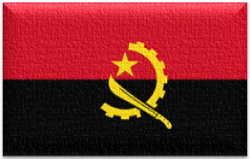
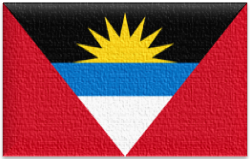
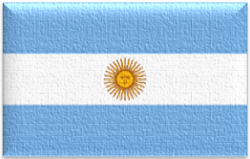
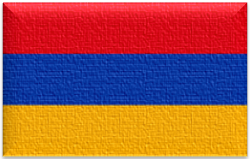
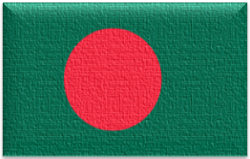
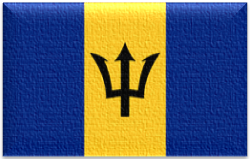
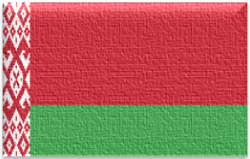
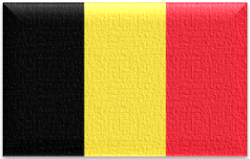
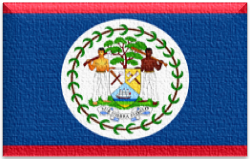
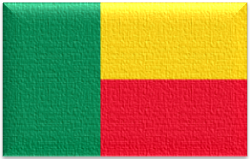
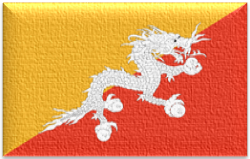
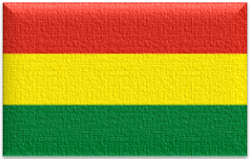
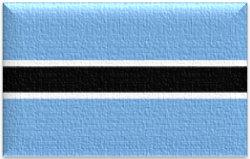
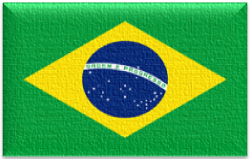
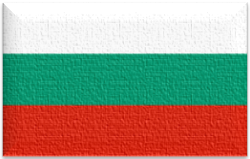
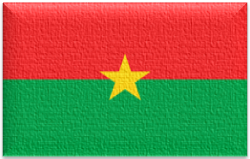
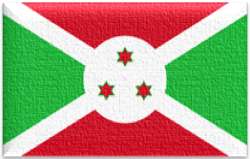
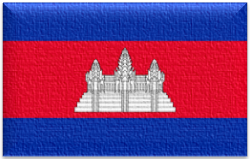
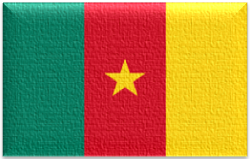
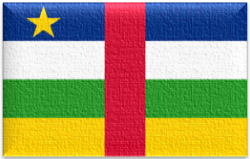
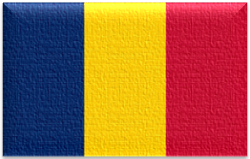
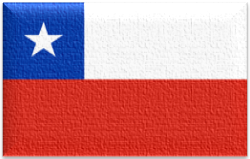
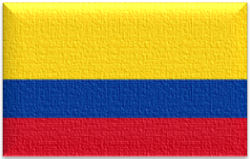
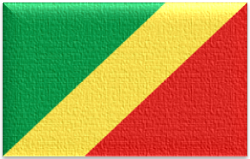
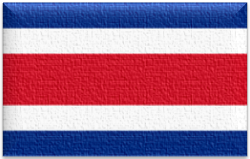
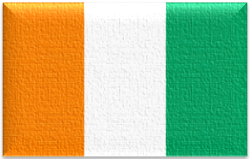
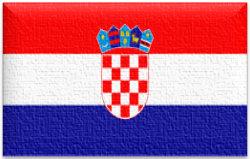
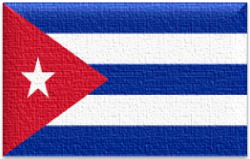
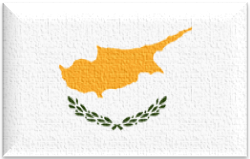
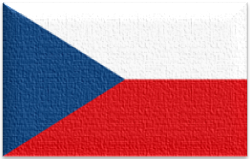
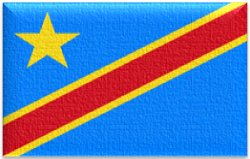
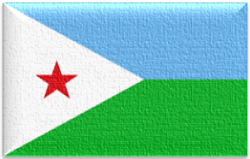
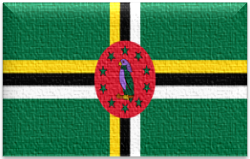
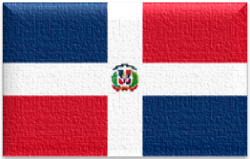
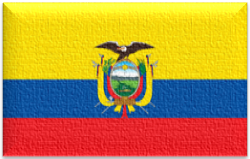
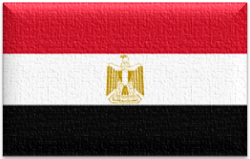
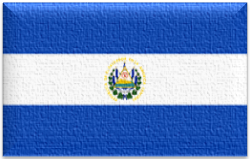
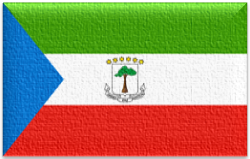
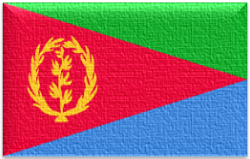
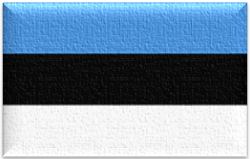
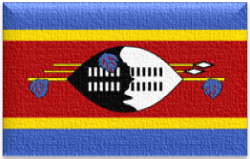
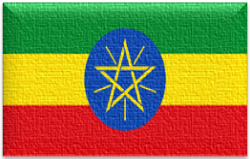
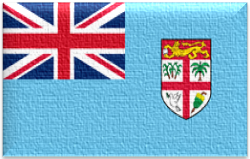
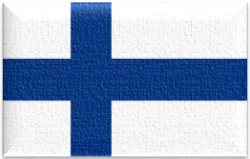
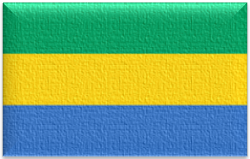
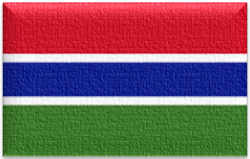
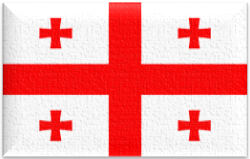
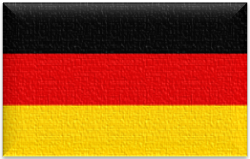
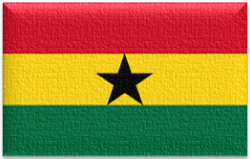
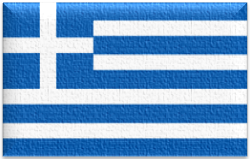
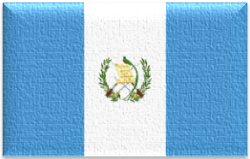
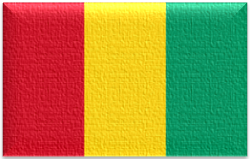
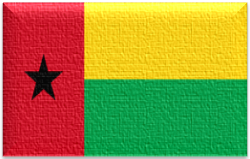
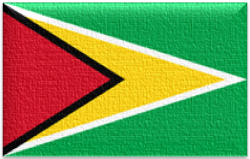
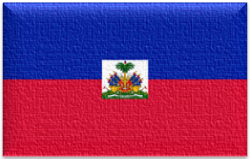
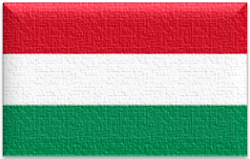
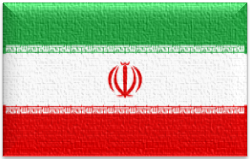
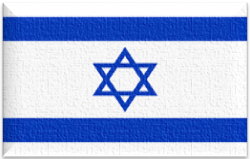
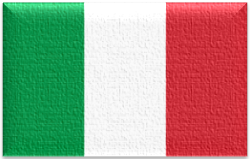
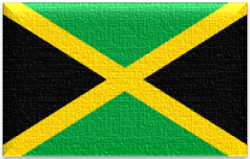
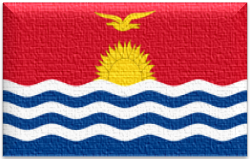
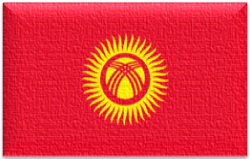
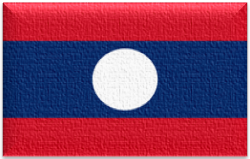
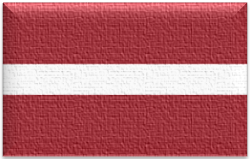
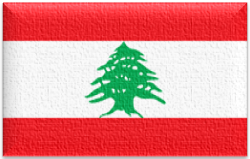
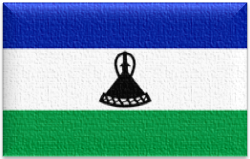
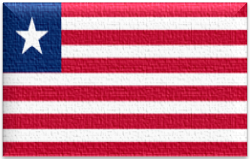
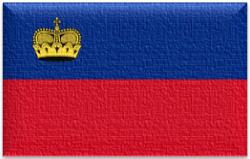
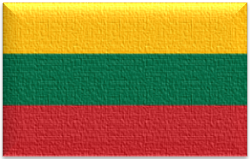
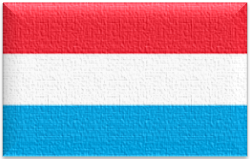
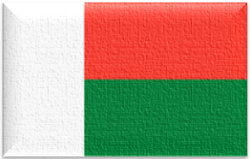
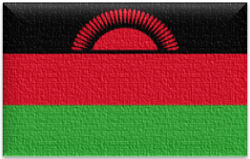
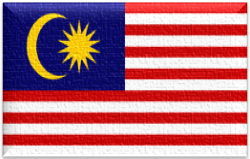
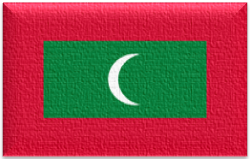
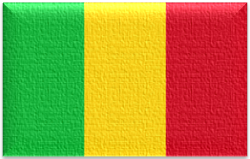
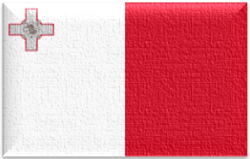
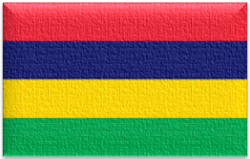
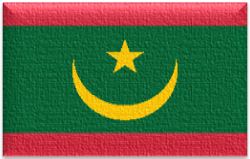
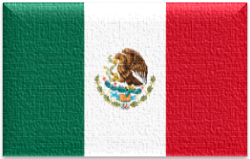
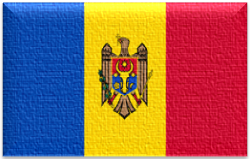
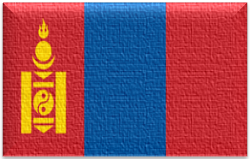
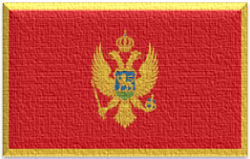
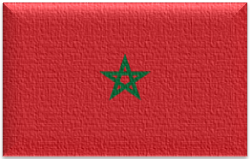
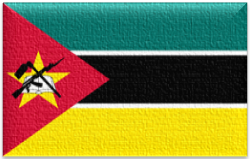
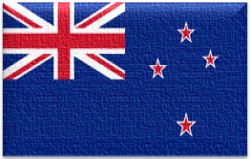
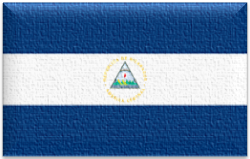
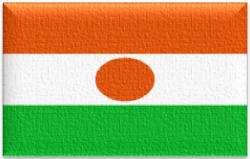
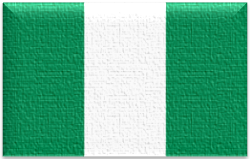
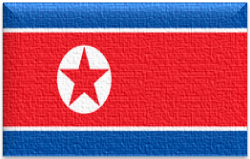
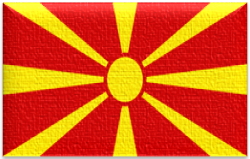
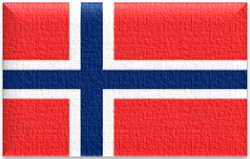
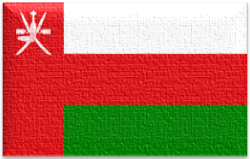
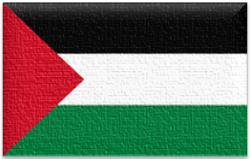
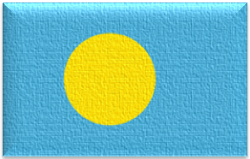
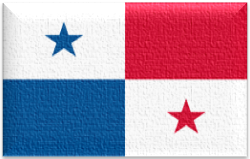
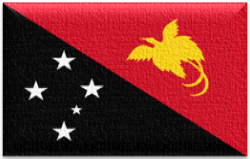
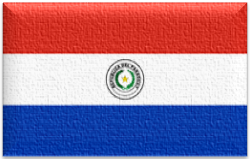
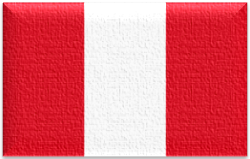
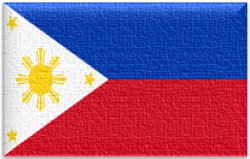
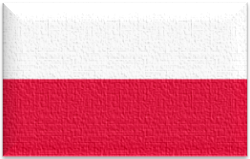
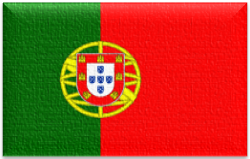
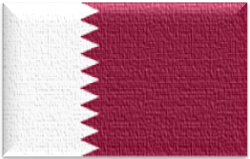
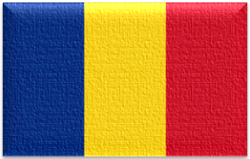
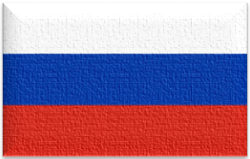
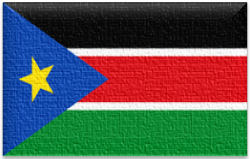
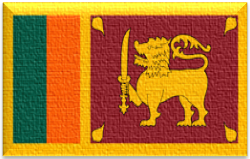
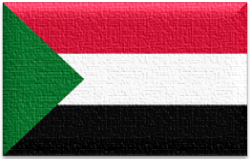
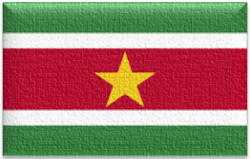
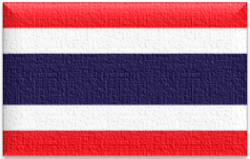
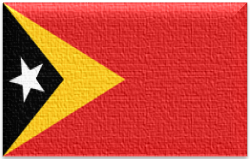
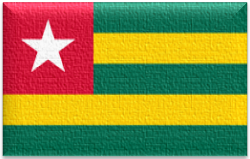
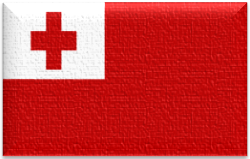
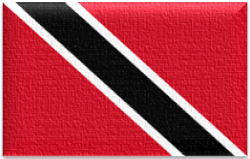
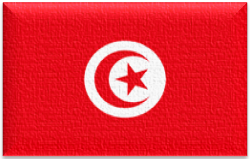
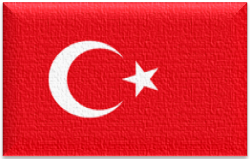
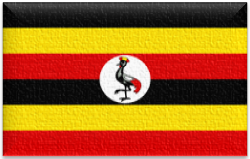
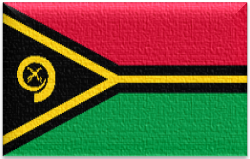
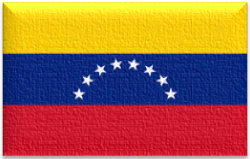
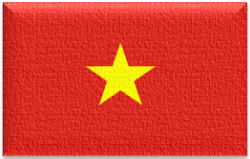
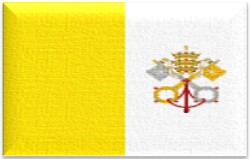
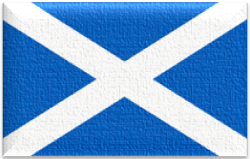
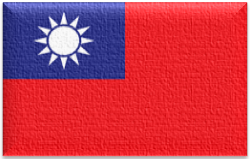
Introduction : All Countries Flag
All Countries Flag is a useful reference for anyone interested in world geography, international relations, travel, education, and global culture. National flags are among the most recognizable symbols of sovereign states, representing a country’s history, identity, values, and heritage.
This All Countries Flag guide provides an overview of national flags from around the world, explaining their significance, common design elements, regional patterns, and importance in international affairs. Whether you are a student, traveler, researcher, or geography enthusiast, understanding All Countries Flag symbols offers valuable insight into the diversity of nations worldwide.
What Is a National Flag?
A national flag is an official symbol used to represent an independent country. Flags are displayed on government buildings, embassies, ships, sporting events, and international organizations.
National flags often symbolize:
National identity
Historical heritage
Independence
Cultural values
Political traditions
Geographic features
Every sovereign country in the world has an official national flag recognized internationally.
All Countries Flag Overview
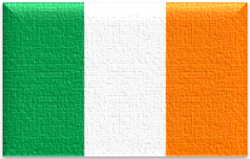
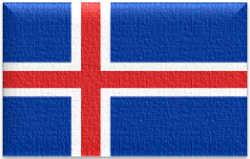
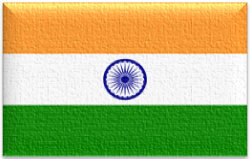
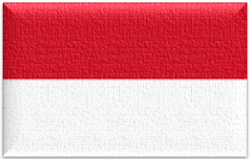
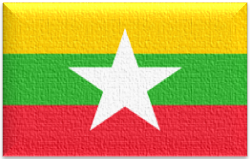
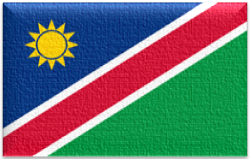
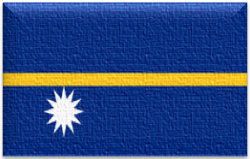
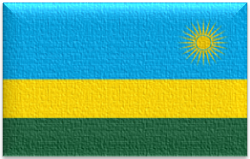
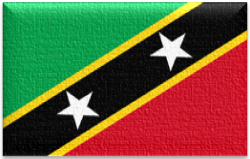
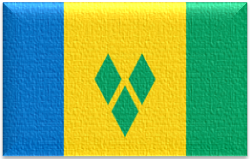
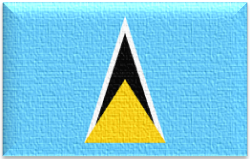
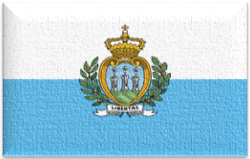
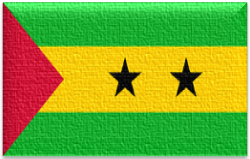
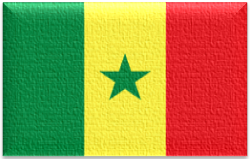
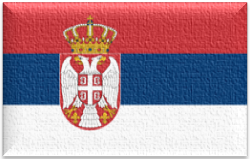
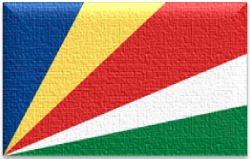
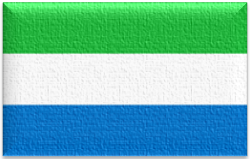
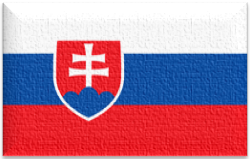
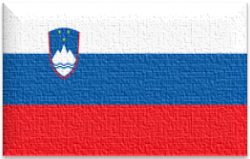
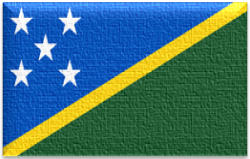
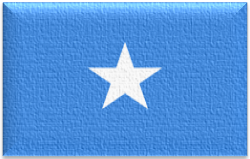
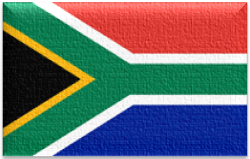
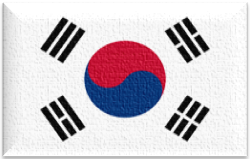
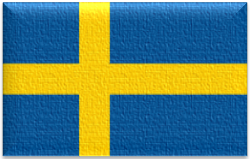
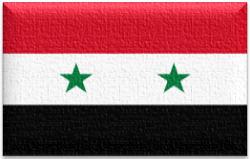
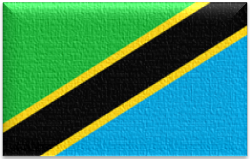
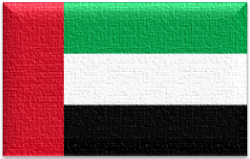
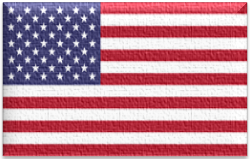
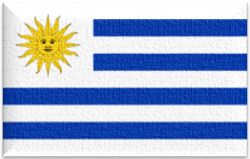
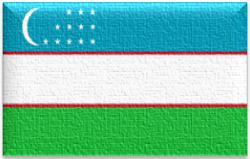
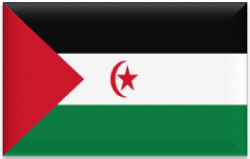
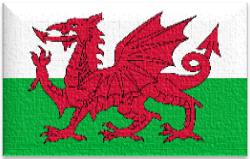
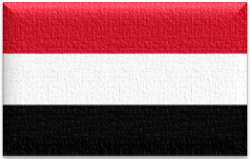
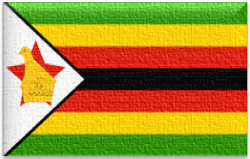
The All Countries Flag collection includes the official flags of the world’s sovereign states. Each flag features unique colors, patterns, symbols, and historical meanings.
Common flag elements include:
Stars
Stripes
Crosses
Crescents
Suns
Eagles
Shields
Geometric designs
Many flags share similar colors but differ in symbolism and arrangement.
Continents and Their National Flags
Africa
Africa contains 54 internationally recognized sovereign states, each with its own national flag.
Common themes include:
Pan-African colors
Independence movements
Natural resources
National unity
Asia
Asia is the world’s largest continent and features a wide variety of flag designs.
Common symbols include:
Europe
European flags often reflect centuries of history, kingdoms, and political unions.
Common features include:
Crosses
Tricolor designs
Heraldic symbols
North America
North American flags include those of sovereign countries in mainland North America and the Caribbean.
South America
South American flags often symbolize independence struggles, natural landscapes, and national unity.
Oceania
Oceania includes island nations whose flags frequently incorporate stars, constellations, and maritime symbolism.
Most Recognizable National Flags
Some of the world’s most recognizable flags include:
United States
United Kingdom
Canada
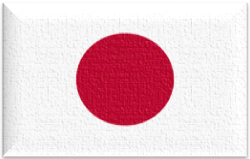
Japan
Brazil
China
India
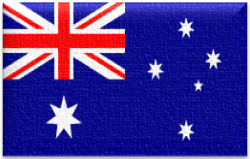
Australia
France
Germany
These flags are widely recognized due to their countries’ global influence and international presence.
Common Colors Used in National Flags
Red
Often symbolizes:
Courage
Revolution
Sacrifice
Strength
Blue
Often represents:
Freedom
Justice
Oceans
Peace
White
Frequently symbolizes:
Green
Commonly represents:
Agriculture
Nature
Prosperity
Religious heritage
Yellow or Gold
Often signifies:
Wealth
Resources
Hope
National pride
Unique National Flags
Some countries have highly distinctive flags that stand out globally.
Examples include:
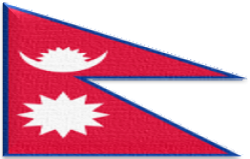
Nepal
The only national flag that is not rectangular.
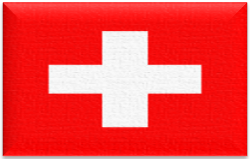
Switzerland
One of the few square national flags.
Vatican City
Another officially square national flag.
Mozambique
One of the few national flags featuring a modern firearm.
Why National Flags Matter
The All Countries Flag collection serves several important purposes:
National Identity
Flags unite citizens under a common symbol.
International Recognition
Flags identify countries in diplomatic and international settings.
Sporting Events
National flags are prominently displayed during international competitions.
Historical Significance
Flags often preserve important historical narratives and cultural traditions.
Education
Studying national flags helps improve geographic and cultural knowledge.
All Countries Flag by Alphabetical Order
National flags are often organized alphabetically from:
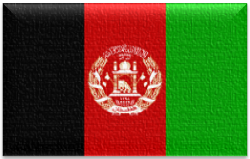
Afghanistan
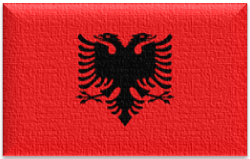
Albania
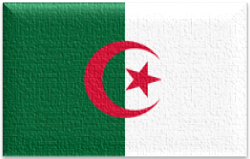
Algeria
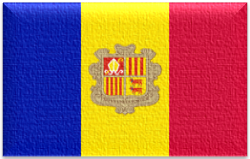
Andorra
Angola
through
This arrangement makes it easier to locate specific countries and compare flag designs.
Frequently Asked Questions
How many national flags are there in the world?
There are approximately 195 national flags representing sovereign countries recognized internationally.
Which country has the most unique flag?
Nepal’s flag is unique because it is the only non-rectangular national flag.
Why do many flags use similar colors?
Many countries share historical, cultural, political, or regional influences that affect flag design.
What is the oldest national flag still in use?
Denmark’s flag is often considered the world’s oldest continuously used national flag.
Why is the All Countries Flag collection important?
The All Countries Flag collection helps people learn about world geography, international relations, national identity, and cultural diversity.
Conclusion
The All Countries Flag collection represents the rich diversity of nations around the globe. Each flag tells a unique story about a country’s history, culture, values, and identity. From the distinctive shape of Nepal’s flag to the historic cross of Denmark and the vibrant colors of African, Asian, European, and American nations, national flags remain among the most powerful symbols of sovereignty and national pride. Exploring All Countries Flag information provides a deeper understanding of the world and its many cultures.