
The Greate Seljuk Empire Country Of Origin
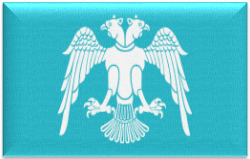
From Where Founded Seljuk Empire Historical And Modern Day Flag

top 5 modern nations that contain the largest geographic share of the Seljuk Empire
01
Iran 100.0% Area It's Around: 1,648,195 km² Was The Part Of Great Seljuk Empire
Iran
02
Turkey 70.2% Area It's Around: 550,000 km² Was The Part Of Great Seljuk Empire
Turkey
03
Turkmenistan 100.0% Area It's Around: 488,100 km² Was The Part Of Great Seljuk Empire
Turkmenistan
04
Iraq 100.0% Area It's Around: 438,317 km² Was The Part Of Great Seljuk Empire
Iraq
05
Afghanistan 64.3% Area It's Around: 420,000 km² Was The Part Of Great Seljuk Empire
Afghanistan
Seljuk Empire Distribution By current nation area
Seljuk Empire's territorial expansion
From Khorasan to Anatolia: The Chronological Expansion of the Seljuk State
Seljuk Empire Expansion And Fall
The Great Seljuk Empire was one of the most influential Turkic-Muslim empires of the medieval Islamic world. Founded in the 11th century by the Seljuk dynasty, it grew from a Central Asian tribal power into a vast empire stretching across Central Asia, Iran, Iraq, the Caucasus, Anatolia and parts of the Levant.
The empire reached its greatest political strength under Sultan Alp Arslan and Sultan Malik-Shah I. During their reigns, the Seljuks became the dominant Sunni Muslim power in much of the eastern Islamic world. Their victory over the Byzantine Empire at the Battle of Manzikert in 1071 opened the way for the large-scale Turkic settlement of Anatolia and fundamentally changed the history of the region.
The Great Seljuks also played an important role in the revival and consolidation of Sunni Islam. Their rulers supported religious institutions, scholars, mosques and madrasas, while Persian administrators helped govern the empire. The famous Nizam al-Mulk, vizier of Alp Arslan and Malik-Shah, became one of the most influential administrators of the medieval Islamic world.
The empire reached a cultural and political high point during the reign of Malik-Shah I, when cities such as Isfahan, Baghdad, Nishapur, Merv and Rayy flourished as centers of administration, scholarship, commerce and culture.
However, the Great Seljuk Empire was difficult to maintain because of succession disputes, internal rivalries, powerful provincial governors, tribal politics and growing pressure from rival states. After Malik-Shah’s death in 1092, political unity rapidly weakened. By the 12th century, the Great Seljuk Empire had fragmented into several successor states, most importantly the Seljuk Sultanate of Rum in Anatolia and the Khwārazmian Empire in the east.
Great Seljuk Empire at a Glance
| Feature | Details |
|---|---|
| Empire | Great Seljuk Empire |
| Dynasty | Seljuk dynasty |
| Founded | 1037 |
| Founder | Tughril Beg |
| Earlier Seljuk leader | Seljuk Beg |
| Origin | Central Asian Turkic-Oghuz world |
| Political center | Nishapur, Rayy, Isfahan and Baghdad at different periods |
| Main religion | Sunni Islam |
| Main ruling group | Oghuz Turkic Seljuks |
| Administrative language | Persian |
| Religious tradition | Sunni Islam, predominantly Hanafi and Shafi’i institutions |
| Greatest rulers | Alp Arslan and Malik-Shah I |
| Famous battle | Battle of Manzikert, 1071 |
| Greatest expansion | Late 11th century |
| Major territories | Iran, Iraq, Central Asia, Caucasus, Anatolia and parts of Syria |
| Major rival | Byzantine Empire |
| Other rivals | Fatimid Caliphate, Ghaznavids, Karakhanids, local dynasties and later Khwarazmians |
| Peak | Reign of Malik-Shah I |
| Major decline | After 1092 |
| Final end of Great Seljuk authority | 1194 |
Who Were the Seljuks?
The Seljuks were a Turkic dynasty originating among the Oghuz Turkic peoples of Central Asia.
The dynasty takes its name from Seljuk Beg, a tribal leader who lived around the 10th and early 11th centuries.
The Seljuks initially lived in the region around the Aral Sea and Syr Darya before moving south and west.
Their conversion to Islam and their military expansion brought them into the political world of the Muslim Middle East.
Country of Origin of the Seljuks
The Seljuks originated in the Central Asian Turkic steppe, particularly in the wider region around the Syr Darya and Aral Sea.
Their early homeland should not be confused with a modern country because the medieval Seljuk tribes lived across a frontier region that today encompasses parts of:
- Kazakhstan
- Turkmenistan
- Uzbekistan
- Kyrgyzstan
The Seljuks later established their first major political centers in Khorasan and Iran.
Seljuk Beg
Seljuk Beg was the ancestor from whom the dynasty took its name.
He belonged to the Oghuz Turkic world and established a powerful tribal following.
His descendants later converted to Islam and expanded southward.
Although Seljuk Beg himself did not establish the Great Seljuk Empire, his family created the foundation from which the empire emerged.
Conversion to Islam
The Seljuks became Muslims before the establishment of their empire.
Their adoption of Islam was historically important because it allowed them to become integrated into the political and military structure of the wider Muslim world.
Later Seljuk rulers presented themselves as defenders of Sunni Islam and supported Islamic scholars and institutions.
Rise of the Seljuk Power
The Seljuks became increasingly powerful during the early 11th century.
Two important leaders were:
- Tughril Beg
- Chaghri Beg
They were grandsons of Seljuk Beg and played central roles in the rise of the dynasty.
Their forces defeated the Ghaznavids and established Seljuk authority in Khorasan.
Battle of Dandanaqan — 1040
One of the most important early Seljuk victories was the Battle of Dandanaqan in 1040.
The Seljuks defeated the Ghaznavid Sultan Mas’ud I.
The victory gave the Seljuks control over much of Khorasan and transformed them from a regional tribal power into a major political force.
Dandanaqan is therefore considered a major turning point in the foundation of the Great Seljuk Empire.
Tughril Beg and the Foundation of the Empire
Tughril Beg became the principal founder of the Great Seljuk state.
After the victory over the Ghaznavids, he expanded Seljuk authority across Iran.
His armies captured important cities and gradually established control over much of the Iranian plateau.
In 1055, Tughril entered Baghdad.
This event was extremely important because Baghdad was the seat of the Abbasid caliphate.
Seljuks and the Abbasid Caliphate
The Abbasid caliph in Baghdad possessed immense religious prestige but had lost much of his political power.
Tughril Beg entered Baghdad in 1055 and ended the dominance of the Buyids there.
The Abbasid caliph al-Qa’im recognized Tughril’s authority.
The Seljuk sultan therefore became the principal political protector of the Sunni Abbasid caliphate.
This created a political arrangement in which:
- The Abbasid caliph represented religious legitimacy.
- The Seljuk sultan exercised much of the military and political authority.
This relationship became one of the defining characteristics of Seljuk rule.
Expansion of the Great Seljuk Empire
The Seljuks expanded rapidly during the 11th century.
Their territories eventually covered large portions of:
- Khorasan
- Iran
- Iraq
- Mesopotamia
- Azerbaijan
- Armenia
- Georgia
- Central Asia
- Anatolia
- Syria
The exact borders changed throughout the empire’s history.
Great Seljuk Empire at Its Greatest Extent
At its height during the late 11th century, Seljuk political authority stretched from Central Asia to the eastern Mediterranean.
The empire connected several important historical regions:
Central Asia → Khorasan → Iran → Iraq → Syria → Anatolia
This geographical position made the Seljuks a major bridge between the Turkic world, Persian civilization and the Middle East.
Major Cities of the Great Seljuk Empire
Isfahan
Isfahan became one of the most important capitals of the Seljuk Empire.
Under Malik-Shah I, it developed into a major center of administration, architecture and culture.
Nishapur
Nishapur was an important city in Khorasan and played a major role in early Seljuk history.
Merv
Merv was one of the most important cities of Khorasan and a major center of trade, scholarship and administration.
Rayy
Rayy, near modern Tehran, was an important political and commercial center.
Baghdad
Baghdad remained the seat of the Abbasid caliphate and an important center of Islamic scholarship and political legitimacy.
Hamadan
Hamadan became particularly important during the later Seljuk period.
Alp Arslan
Alp Arslan succeeded Tughril Beg in 1063.
His name means approximately “Heroic Lion” or “Brave Lion” in Turkic.
He became one of the greatest military rulers of the Seljuk dynasty.
Under Alp Arslan, the empire expanded further into:
- Armenia
- Georgia
- Anatolia
- Syria
- Central Asian territories
His most famous achievement was the defeat of the Byzantine emperor at Manzikert.
Battle of Manzikert — 1071
The Battle of Manzikert was fought on 26 August 1071 between the Seljuk army under Alp Arslan and the Byzantine army led by Emperor Romanos IV Diogenes.
The Seljuks achieved a decisive victory.
The Byzantine emperor was captured by Alp Arslan.
The battle became one of the most important turning points in the history of Anatolia.
Why Was Manzikert Important?
Manzikert weakened Byzantine control over much of eastern Anatolia.
Although the battle did not immediately give the Seljuks complete control of Anatolia, it created conditions that encouraged increased Turkic migration and settlement.
Over subsequent decades, various Turkic groups established themselves across Anatolia.
This eventually contributed to the emergence of the Seljuk Sultanate of Rum.
Manzikert is therefore often regarded as a major turning point in the long-term Turkification and Islamization of Anatolia.
Alp Arslan’s Death
Alp Arslan was assassinated in 1072 after being wounded by a captive during a military campaign.
He was succeeded by his son Malik-Shah I.
Malik-Shah I
Malik-Shah I ruled from 1072 to 1092 and is generally regarded as the greatest ruler of the Great Seljuk Empire.
During his reign, the empire reached its political and territorial peak.
Malik-Shah benefited greatly from the administrative abilities of his famous vizier, Nizam al-Mulk.
The Golden Age of the Great Seljuk Empire
The reign of Malik-Shah I is widely considered the golden age of the Great Seljuk Empire.
During this period:
- The empire reached its greatest territorial extent.
- Government became more organized.
- Major cities flourished.
- Trade expanded.
- Madrasas were established.
- Sunni religious institutions received state support.
- Persian literature and administration flourished.
- Science and astronomy received patronage.
- Architecture developed across Iran and Iraq.
The Seljuk state became one of the most powerful political systems in the medieval Islamic world.
Nizam al-Mulk
Nizam al-Mulk was the most famous Seljuk vizier.
He served both Alp Arslan and Malik-Shah I.
His political career lasted for decades and helped create a more organized imperial administration.
He is also famous for writing the Siyasatnama, or Book of Government, a major work of medieval political thought.
Nizamiyya Madrasas
Nizam al-Mulk established a network of prestigious educational institutions known as the Nizamiyya madrasas.
One of the most famous was the Nizamiyya of Baghdad.
These institutions promoted Sunni Islamic scholarship and became important centers for:
- Theology
- Islamic law
- Philosophy
- Literature
- Education
The Nizamiyya network became one of the most influential educational developments of the Seljuk period.
Omar Khayyam and the Seljuk Court
The famous Persian polymath Omar Khayyam lived during the reign of Malik-Shah.
He worked in astronomy and mathematics and participated in the development of the Jalali calendar.
The Seljuk court’s support for scholars demonstrates that the empire’s golden age was not limited to military expansion.
Seljuk Science and Astronomy
The Seljuks supported astronomical research.
Malik-Shah commissioned an observatory at Isfahan, associated with Omar Khayyam and other scholars.
The resulting Jalali calendar was highly sophisticated for its time.
It was based on careful astronomical observations and became one of the notable scientific achievements associated with the Seljuk period.
Seljuk Architecture
The Seljuk period produced important developments in Islamic architecture, particularly in Iran.
Characteristic features included:
- Four-iwan mosque plans
- Brick decoration
- Domes
- Muqarnas
- Geometric ornamentation
- Monumental gateways
- Madrasa architecture
The Great Mosque of Isfahan was significantly transformed during the Seljuk period.
Great Mosque of Isfahan
The Great Mosque of Isfahan became one of the finest examples of Seljuk architectural development.
The Seljuks introduced important structural and design changes to the mosque complex.
Its four-iwan layout became highly influential in later Iranian Islamic architecture.
Seljuk Persian Culture
Although the Seljuk rulers were Turkic, Persian culture played a major role in the administration and intellectual life of the empire.
Persian was widely used in:
- Government
- Literature
- Court culture
- Historical writing
- Administration
This created a distinctive political culture combining Turkic military leadership with Persian administrative and cultural traditions.
Seljuk Military System
The Seljuk military was based on several components.
These included:
- Turkic cavalry
- Mounted archers
- Tribal contingents
- Professional soldiers
- Slave soldiers
- Provincial forces
- Allied troops
Horse archery and mobility were especially important to the Seljuk military tradition.
Seljuk Cavalry
Seljuk cavalry forces could move rapidly across large distances.
Their mobility allowed them to conduct:
- Raids
- Ambushes
- Feigned retreats
- Encirclement tactics
- Long-distance campaigns
These methods were particularly effective against slower armies.
Seljuk Administration
The empire combined several political traditions.
The ruling dynasty was Turkic, but much of the bureaucracy followed Persian administrative practices.
Provincial governors and military commanders played major roles in governing distant territories.
The system worked effectively under powerful sultans but became unstable when central authority weakened.
The Iqta System
The Seljuks made extensive use of the iqta system.
Under this arrangement, military or administrative officials could receive rights to collect revenue from designated territories in return for service.
The system helped the government maintain armies without paying every soldier directly from the central treasury.
However, over time, powerful provincial commanders could become increasingly independent.
Sunni Islamic Revival
The Seljuks played a major role in strengthening Sunni institutions.
They supported:
- Sunni scholars
- Madrasas
- Mosques
- Religious foundations
- Islamic legal institutions
Their rivalry with the Fatimid Caliphate and their opposition to certain Shi’i political movements contributed to the wider Sunni-Shi’a political competition of the period.
Seljuks and the Fatimid Caliphate
The Fatimid Caliphate, based in Egypt, was one of the major rivals of the Seljuks.
The Fatimids followed an Isma’ili Shi’i tradition and challenged Abbasid Sunni authority.
The Seljuks supported the Abbasid caliphate in Baghdad.
As a result, the two powers competed for influence in:
- Syria
- Palestine
- Iraq
- The wider Islamic world
Seljuks and the Assassins
The Seljuk Empire also faced opposition from the Nizari Isma’ili movement, commonly associated with the medieval “Assassins.”
The movement established strongholds in Persia and conducted political assassinations against important officials.
The death of Nizam al-Mulk in 1092 was traditionally attributed to an Isma’ili assassin, although medieval accounts differ in detail.
Malik-Shah’s Death
Malik-Shah died unexpectedly in 1092.
His death marked the beginning of a severe succession crisis.
The empire had reached its greatest extent, but there was no universally accepted succession arrangement strong enough to prevent internal conflict.
Succession Crisis After Malik-Shah
After Malik-Shah’s death, several members of the royal family competed for power.
Major figures included:
- Mahmud I
- Barkiyaruq
- Muhammad I Tapar
- Ahmad Sanjar
The resulting struggles weakened the central government.
Mahmud I
Mahmud I became sultan after Malik-Shah’s death, but his authority was contested.
The empire increasingly became divided between rival branches of the Seljuk family.
Barkiyaruq
Barkiyaruq ruled much of the empire during a period of intense internal conflict.
He fought against rival Seljuk princes and faced political challenges from powerful commanders.
Muhammad I Tapar
Muhammad I Tapar eventually restored some degree of stability.
He ruled from 1105 to 1118.
His reign helped temporarily rebuild Seljuk authority in western territories.
Sultan Sanjar
Ahmad Sanjar was the last great Seljuk ruler.
He ruled Khorasan for many years and eventually became the dominant Seljuk sultan.
His reign represented the final major phase of Great Seljuk power.
Sultan Sanjar’s Rule
Sanjar ruled from 1118 to 1157.
His political center was primarily in Khorasan.
He controlled important cities including:
- Merv
- Nishapur
- Balkh
- Herat
Sanjar maintained a powerful eastern Seljuk state but faced increasing pressure from Central Asian peoples and rival dynasties.
Battle of Qatwan — 1141
One of the greatest defeats suffered by the Seljuks occurred at the Battle of Qatwan in 1141.
Sultan Sanjar was defeated by the Qara Khitai under Yelü Dashi.
The battle seriously weakened Seljuk power in Central Asia.
The defeat demonstrated that the eastern Seljuk state was no longer the dominant military power it had been under Malik-Shah.
Oghuz Rebellion
In the 1150s, Sanjar faced rebellion from the Oghuz tribes.
The conflict became disastrous for the sultan.
Sanjar was captured by the Oghuz in 1153.
His captivity severely damaged the remaining authority of the Great Seljuk state.
He later escaped, but his political power never fully recovered.
Death of Sultan Sanjar
Sultan Sanjar died in 1157.
His death effectively ended the last major unified Great Seljuk state.
After this, Seljuk authority continued only through several regional branches.
Seljuk Sultanate of Rum
The Seljuk Sultanate of Rum became the most important Seljuk state in Anatolia.
It was established by members of the Seljuk dynasty after the conquest and settlement of Anatolian territories.
Its capital was Konya.
The Sultanate of Rum eventually became one of the most powerful states in medieval Anatolia.
Great Seljuks vs Seljuks of Rum
These two states should not be confused.
| Feature | Great Seljuk Empire | Seljuk Sultanate of Rum |
|---|---|---|
| Main region | Iran, Iraq, Central Asia and wider Middle East | Anatolia |
| Main foundation | 11th century | 11th century |
| Famous ruler | Malik-Shah I | Kayqubad I |
| Major city | Isfahan | Konya |
| Famous event | Manzikert | Expansion across Anatolia |
| End | 1194 | 1308 |
| Historical legacy | Persianate Islamic empire | Major foundation of later Turkish Anatolian states |
Seljuks and the Crusades
The Seljuk period overlapped with the beginning of the Crusades.
After the First Crusade began in 1096, Seljuk rulers and other Muslim powers fought the Crusader states established in the Levant.
The Seljuks played an important role in the political environment surrounding:
- Antioch
- Edessa
- Syria
- Anatolia
However, the political fragmentation of the Seljuk world meant that Muslim resistance to the Crusaders was divided among several competing rulers.
Battle of Harran — 1104
The Battle of Harran was an important Muslim victory against Crusader forces.
A coalition involving Seljuk and other Muslim forces defeated the Crusader army.
The battle demonstrated that the Crusader states faced serious opposition from regional Muslim powers.
Seljuk Empire and Jerusalem
The Seljuk takeover of parts of Syria and Palestine contributed to the political developments that eventually preceded the First Crusade.
However, Jerusalem was controlled by different Muslim powers during the decades before the Crusaders captured the city in 1099.
It is therefore inaccurate to describe the entire Crusades as simply a war between “the Seljuks and the Crusaders.”
The political situation was considerably more complex.
Decline of the Great Seljuk Empire
The decline resulted from several interconnected factors.
Succession Disputes
Repeated struggles between members of the ruling family weakened central authority.
Provincial Independence
Governors and military commanders increasingly became autonomous.
Tribal Revolts
Tribal groups sometimes challenged the central government.
External Invasions
The empire faced pressure from:
- Byzantines
- Crusaders
- Qara Khitai
- Khwarazmians
- Local dynasties
Economic and Administrative Strain
Maintaining an enormous empire required substantial military and administrative resources.
Fragmentation
Different branches of the Seljuk family established independent states.
Fall of the Great Seljuk Empire
The Great Seljuk Empire did not disappear in one single battle.
Instead, it gradually fragmented.
The western Seljuk territories became increasingly independent.
The eastern territories weakened after Sanjar’s defeats.
The final Great Seljuk ruler in Iraq, Tughril III, was defeated by the Khwarazmian ruler Ala al-Din Tekish.
In 1194, Tughril III was killed.
This traditionally marks the end of the Great Seljuk Empire.
Who Defeated the Great Seljuk Empire?
The final Great Seljuk sultan, Tughril III, was defeated by Ala al-Din Tekish, ruler of the Khwarazmian Empire, in 1194.
However, the empire had already been politically fragmented for generations.
The Khwarazmians therefore delivered the final blow rather than conquering a fully unified Great Seljuk Empire.
Successor States of the Seljuks
After the fragmentation of the Great Seljuk Empire, several important Seljuk and post-Seljuk states emerged.
These included:
- Seljuk Sultanate of Rum
- Seljuks of Kerman
- Seljuks of Syria
- Seljuks of Iraq
- Khorasanian Seljuk territories
Other regional powers also inherited parts of the former Seljuk political world.
Great Seljuk Empire Timeline
| Year | Event |
|---|---|
| c. 10th century | Seljuk Beg becomes ancestor of the Seljuk dynasty |
| Early 11th century | Seljuk power expands southward |
| 1037 | Great Seljuk state traditionally founded |
| 1040 | Battle of Dandanaqan; Ghaznavids defeated |
| 1055 | Tughril Beg enters Baghdad |
| 1063 | Alp Arslan becomes sultan |
| 1071 | Battle of Manzikert |
| 1072 | Alp Arslan dies |
| 1072 | Malik-Shah I becomes sultan |
| 1072–1092 | Great Seljuk golden age |
| 1092 | Malik-Shah dies |
| 1092 onward | Succession struggles weaken the empire |
| 1104 | Battle of Harran |
| 1118 | Sanjar becomes dominant Great Seljuk ruler |
| 1141 | Battle of Qatwan |
| 1153 | Oghuz tribes capture Sultan Sanjar |
| 1157 | Sanjar dies |
| 1194 | Tughril III defeated and killed by Khwarazmian ruler Tekish |
| 1194 | End of Great Seljuk imperial rule |
Great Seljuk Empire Rulers
| Ruler | Reign | Major Achievement |
|---|---|---|
| Tughril Beg | 1037–1063 | Founded the Great Seljuk Empire and entered Baghdad |
| Alp Arslan | 1063–1072 | Expanded the empire and defeated Byzantium at Manzikert |
| Malik-Shah I | 1072–1092 | Led the empire during its golden age |
| Mahmud I | 1092–1094 | Ruled during succession crisis |
| Barkiyaruq | 1094–1105 | Fought to preserve Seljuk authority |
| Malik-Shah II | 1105 | Brief reign |
| Muhammad I Tapar | 1105–1118 | Restored some political stability |
| Ahmad Sanjar | 1118–1157 | Last great Seljuk ruler |
| Mahmud II | 1118–1131 | Ruled western Seljuk territories |
| Dawud | 1131–1132 | Brief western Seljuk rule |
| Mas’ud | 1134–1152 | Ruled Iraq and western territories |
| Malik-Shah III | 1152–1153 | Short reign |
| Muhammad II | 1153–1159 | Western Seljuk ruler |
| Suleiman-Shah | 1159–1161 | Brief reign |
| Arslan-Shah | 1161–1176 | Ruled Iraq |
| Tughril III | 1176–1194 | Last Great Seljuk ruler in Iraq |
Major Battles of the Great Seljuk Empire
| Battle | Year | Opponent | Result |
|---|---|---|---|
| Battle of Dandanaqan | 1040 | Ghaznavids | Seljuk victory |
| Battle of Kapetron | 1048 | Byzantines and allies | Major Seljuk-Byzantine conflict |
| Battle of Manzikert | 1071 | Byzantine Empire | Decisive Seljuk victory |
| Battle of Harran | 1104 | Crusader forces | Muslim victory |
| Battle of Qatwan | 1141 | Qara Khitai | Seljuk defeat |
| Oghuz conflict | 1150s | Oghuz tribes | Sanjar captured |
| Battle of Rayy | 1194 | Khwarazmian forces | Tughril III defeated |
Great Seljuk Empire Map and Territory
At its height, the empire included or controlled major portions of the following modern regions:
| Modern Region/Country | Seljuk Role |
|---|---|
| Iran | Core imperial territory |
| Iraq | Major western political center |
| Afghanistan | Part of Khorasan and eastern Seljuk sphere |
| Turkmenistan | Important Khorasan/Central Asian territories |
| Uzbekistan | Parts of the wider eastern Seljuk sphere |
| Tajikistan | Parts of the eastern sphere |
| Armenia | Seljuk expansion |
| Azerbaijan | Major Seljuk territory |
| Georgia | Seljuk influence and military campaigns |
| Türkiye | Seljuk expansion into Anatolia |
| Syria | Seljuk political influence |
| Lebanon | Parts of the wider Syrian political sphere |
The boundaries varied considerably throughout the empire’s history, so a single map should not be interpreted as representing permanent borders.
Great Seljuk Empire and Iran
Iran was the political and cultural heartland of the Great Seljuk Empire.
The Seljuks inherited and adopted many elements of Persian administrative civilization.
Cities such as Isfahan, Nishapur, Merv and Rayy became major centers.
The combination of Turkic military leadership and Persian bureaucracy became a defining characteristic of the Seljuk state.
Great Seljuk Empire and Iraq
Iraq was strategically important because it contained Baghdad, the seat of the Abbasid caliph.
The Seljuks became the political protectors of the Abbasid caliphate.
This gave the Seljuk sultans enormous religious and political prestige.
Great Seljuk Empire and Afghanistan
Parts of modern Afghanistan belonged to the historical region of Khorasan.
Khorasan was one of the most important regions of the early Seljuk state.
Cities such as Merv, Herat and Balkh were important centers of Seljuk administration and culture.
Great Seljuk Empire and Anatolia
The Seljuk expansion into Anatolia was one of the empire’s most historically significant achievements.
After Manzikert in 1071, Turkic migration into Anatolia increased substantially.
The political development eventually produced the Seljuk Sultanate of Rum.
This process fundamentally changed the demographic and cultural history of Anatolia.
Great Seljuk Empire and Central Asia
The Seljuks originated in Central Asia and retained strong connections with the region.
However, maintaining control over Central Asian territories became increasingly difficult.
The rise of the Qara Khitai and later the Khwarazmians contributed to the decline of Seljuk authority in the east.
Great Seljuk Empire and the Byzantine Empire
The Byzantine Empire was one of the Seljuks’ most important rivals.
The two powers fought repeatedly over:
- Armenia
- Eastern Anatolia
- Northern Mesopotamia
- Caucasus territories
The Battle of Manzikert dramatically altered the balance between them.
Great Seljuk Empire and the Ghaznavids
The Ghaznavids were one of the earliest major rivals of the Seljuks.
The conflict culminated in the Battle of Dandanaqan in 1040.
The Seljuk victory allowed them to dominate Khorasan.
Great Seljuk Empire and the Khwarazmian Empire
The Khwarazmians became increasingly powerful after the weakening of the Seljuks.
By the late 12th century, the Khwarazmian ruler Tekish defeated the last major Great Seljuk ruler in Iraq.
The Khwarazmian Empire subsequently became one of the dominant powers of Central Asia and Iran before its destruction by the Mongols.
Seljuk Legacy
The Seljuk legacy continued long after the Great Seljuk Empire disappeared.
Its political, military and cultural influence contributed to the development of several later states.
The Seljuks helped establish:
- Turkic political dominance in much of the Middle East
- Strong Sunni institutions
- Persianate Islamic administration
- Turkic settlement in Anatolia
- New architectural traditions
- Madrasas and educational institutions
- Political models later adopted by other Muslim dynasties
Seljuk Influence on the Ottoman Empire
The Ottoman Empire emerged centuries after the Great Seljuk Empire.
The Ottomans were not direct rulers of the Great Seljuk Empire, but the political environment created by the Seljuks contributed to the Turkic-Islamic political traditions of Anatolia.
The Seljuk Sultanate of Rum was particularly important in the political history of Anatolia before the rise of the Ottomans.
Why the Great Seljuk Empire Was Important
The Great Seljuk Empire was important because it transformed the political map of the medieval Islamic world.
It:
- Established a powerful Turkic dynasty in the Middle East.
- Protected and supported the Abbasid caliphate.
- Defeated the Byzantine Empire at Manzikert.
- Expanded Turkic influence into Anatolia.
- Strengthened Sunni Islamic institutions.
- Supported Persian administrative culture.
- Built major madrasas.
- Encouraged scholarship and scientific work.
- Created a political model followed by later Turkic-Muslim dynasties.
Great Seljuk Empire: Rise and Fall in Simple Terms
Rise:
Seljuk Beg’s descendants → conversion to Islam → victory over Ghaznavids → conquest of Khorasan → Tughril’s conquest of Iran and Iraq → control of Baghdad → Alp Arslan’s expansion → Manzikert → Malik-Shah’s golden age.
Decline:
Malik-Shah dies → succession disputes → provincial fragmentation → Crusader and regional conflicts → Qara Khitai defeat Sanjar → Oghuz rebellion → Sanjar’s captivity → death of Sanjar → fragmentation → Khwarazmian conquest → Tughril III dies in 1194.
Frequently Asked Questions About the Great Seljuk Empire
What was the Great Seljuk Empire?
The Great Seljuk Empire was a major medieval Sunni Muslim empire founded by the Seljuk dynasty in the 11th century. It controlled large parts of Iran, Iraq, Central Asia, the Caucasus, Syria and Anatolia.
When was the Great Seljuk Empire founded?
The Great Seljuk state was traditionally established in 1037, following the Seljuk expansion into Khorasan.
Who founded the Great Seljuk Empire?
Tughril Beg is generally regarded as the founder of the Great Seljuk Empire.
Where did the Seljuks originate?
The Seljuks originated among the Oghuz Turkic peoples of Central Asia, around the Syr Darya and Aral Sea region.
What modern country did the Seljuks come from?
The Seljuk homeland was in Central Asia rather than a single modern country. Their early territories correspond broadly to parts of present-day Kazakhstan, Turkmenistan and Uzbekistan.
Who was Seljuk Beg?
Seljuk Beg was the tribal leader and ancestor from whom the Seljuk dynasty received its name.
Were the Seljuks Muslim?
Yes. The Seljuk rulers were Muslims and became major supporters of Sunni Islam.
What type of Muslims were the Seljuks?
The Seljuk rulers supported Sunni Islam, particularly Sunni institutions associated with the Hanafi and Shafi’i legal traditions.
Who was the greatest Seljuk ruler?
Malik-Shah I is generally regarded as the greatest Seljuk ruler because the empire reached its political and territorial peak during his reign.
Who was the most famous Seljuk military ruler?
Alp Arslan is the most famous Seljuk military ruler, particularly because of his victory over the Byzantine emperor at Manzikert in 1071.
What was the Battle of Manzikert?
The Battle of Manzikert was a major battle fought in 1071 between Alp Arslan’s Seljuk army and the Byzantine Empire.
Who won the Battle of Manzikert?
Alp Arslan and the Seljuks defeated the Byzantine army and captured Emperor Romanos IV Diogenes.
Why was Manzikert important?
Manzikert weakened Byzantine control in eastern Anatolia and helped create conditions for increased Turkic migration and settlement in Anatolia.
Did the Seljuks conquer all of Anatolia after Manzikert?
No. Manzikert did not immediately give the Seljuks complete control of Anatolia. Turkic settlement and political expansion occurred gradually over subsequent decades.
What was the capital of the Great Seljuk Empire?
The empire had several major political centers. Isfahan became particularly important during the reign of Malik-Shah I, while Nishapur, Rayy, Merv and Baghdad were also major centers.
What language did the Seljuks speak?
The Seljuk ruling elite was Turkic, while Persian became the principal language of administration and high culture in much of the empire.
Was the Great Seljuk Empire Persian or Turkish?
The Seljuk ruling dynasty was Turkic, but the empire adopted a strongly Persianate administrative and cultural system.
What was the golden age of the Great Seljuk Empire?
The reign of Malik-Shah I from 1072 to 1092 is generally considered the golden age of the Great Seljuk Empire.
Who was Nizam al-Mulk?
Nizam al-Mulk was the powerful Seljuk vizier who served Alp Arslan and Malik-Shah and helped organize the empire’s administration.
What were the Nizamiyya madrasas?
They were prestigious Islamic educational institutions founded by Nizam al-Mulk in major cities such as Baghdad and Nishapur.
Did the Seljuks support science?
Yes. Seljuk rulers, particularly under Malik-Shah, supported scholars and astronomical research. Omar Khayyam was associated with the scientific activities of this period.
Who was Omar Khayyam?
Omar Khayyam was a Persian mathematician, astronomer and poet who lived during the Seljuk period and participated in the development of the Jalali calendar.
What was the Jalali calendar?
The Jalali calendar was a highly accurate solar calendar developed through astronomical work sponsored by Sultan Malik-Shah.
What was the Battle of Dandanaqan?
The Battle of Dandanaqan in 1040 was a decisive Seljuk victory over the Ghaznavids that gave the Seljuks control of much of Khorasan.
Who were the main enemies of the Great Seljuk Empire?
The Seljuks faced many rivals, including the Ghaznavids, Byzantine Empire, Fatimid Caliphate, Qara Khitai, Crusader states, Oghuz rebels and Khwarazmians.
Did the Seljuks fight the Crusaders?
Yes. Seljuk rulers and other Muslim powers fought Crusader armies during the Crusades, particularly in Anatolia and Syria.
Did the Seljuks capture Jerusalem?
Seljuk political control over the region changed over time, and Jerusalem was held by different Muslim powers before the First Crusade. The Seljuks were not the sole political authority over Jerusalem throughout this period.
What happened to the Great Seljuk Empire after Malik-Shah died?
Malik-Shah’s death in 1092 triggered succession disputes that weakened the unity of the empire.
Who was Sultan Sanjar?
Sultan Sanjar was the last great Seljuk ruler. He ruled Khorasan from 1118 until his death in 1157.
What happened at the Battle of Qatwan?
In 1141, Sultan Sanjar was defeated by the Qara Khitai at Qatwan, weakening Seljuk influence in Central Asia.
Why did Sultan Sanjar lose power?
Sanjar faced external defeats and internal rebellion. His capture by Oghuz tribes in 1153 severely weakened the eastern Seljuk state.
When did Sultan Sanjar die?
Sultan Sanjar died in 1157.
When did the Great Seljuk Empire fall?
The final Great Seljuk ruler in Iraq, Tughril III, was defeated and killed in 1194, traditionally marking the end of the Great Seljuk Empire.
Who defeated the last Great Seljuk sultan?
Ala al-Din Tekish, the Khwarazmian ruler, defeated Tughril III in 1194.
Did the Mongols destroy the Great Seljuk Empire?
No. The Great Seljuk Empire had already ended by 1194. The Mongols later destroyed the Khwarazmian Empire and other successor states in the 13th century.
What replaced the Great Seljuk Empire?
Several regional states emerged from the fragmented Seljuk world, including the Seljuk Sultanate of Rum, Seljuks of Kerman, Seljuks of Syria and Seljuks of Iraq.
What was the Seljuk Sultanate of Rum?
It was a Seljuk state based in Anatolia that developed after the Seljuk expansion into the region. Its capital eventually became Konya.
Are the Great Seljuks and Seljuks of Rum the same?
They belonged to the same broader Seljuk dynasty but were separate political states. The Sultanate of Rum became an independent Seljuk power in Anatolia.
Did the Seljuks influence the Ottoman Empire?
Yes, indirectly. The Seljuk Sultanate of Rum shaped the political and cultural environment of medieval Anatolia from which several later Turkic principalities, including the Ottomans, eventually emerged.
What was the biggest achievement of the Great Seljuk Empire?
Its most significant achievements included establishing a powerful Turkic-Muslim empire, strengthening Sunni institutions, defeating Byzantium at Manzikert and facilitating the long-term transformation of Anatolia.
What was the greatest battle of the Seljuks?
The Battle of Manzikert in 1071 is generally considered the most historically significant Seljuk battle.
What was the Great Seljuk Empire known for?
It was known for military expansion, the conquest of much of Iran and Iraq, the defeat of Byzantium at Manzikert, Sunni institutional development, Persianate administration and major architectural and educational achievements.
Key Takeaways
The Great Seljuk Empire was founded by Tughril Beg in 1037 after the Seljuks defeated the Ghaznavids and established themselves as a major power in Khorasan.
The Seljuks originated among the Oghuz Turkic peoples of Central Asia.
The empire expanded across Iran, Iraq, Khorasan, the Caucasus, Syria and Anatolia.
Alp Arslan became one of the dynasty’s greatest military rulers and defeated the Byzantine Empire at Manzikert in 1071.
Malik-Shah I presided over the empire’s golden age from 1072 to 1092.
The Seljuks strengthened the political position of the Sunni Abbasid caliphate in Baghdad and established major religious and educational institutions.
The famous vizier Nizam al-Mulk helped develop the Seljuk administration and established the Nizamiyya madrasas.
The Seljuk period also supported scholarship, including the astronomical work associated with Omar Khayyam.
After Malik-Shah’s death, succession struggles gradually weakened imperial unity.
Sultan Sanjar was the last great Seljuk ruler, but his defeat at Qatwan and captivity during the Oghuz rebellion severely damaged Seljuk power.
The final Great Seljuk ruler, Tughril III, was defeated and killed by the Khwarazmian ruler Tekish in 1194.
The Seljuk legacy survived through successor states, especially the Seljuk Sultanate of Rum, which played a major role in the history of medieval Anatolia.
Reliable Sources
Encyclopaedia Britannica — Seljuq
Britannica — Seljuq Dynasty
Encyclopaedia Britannica — Alp-Arslan
Britannica — Alp-Arslan
Encyclopaedia Britannica — Malik-Shah
Britannica — Malik-Shah
Encyclopaedia Britannica — Battle of Manzikert
Britannica — Battle of Manzikert
Encyclopaedia Britannica — Nizam al-Mulk
Britannica — Nizam al-Mulk
Encyclopaedia Iranica — Seljuqs
Encyclopaedia Iranica — Seljuqs
Encyclopaedia Iranica — Isfahan
Encyclopaedia Iranica — Isfahan and the Seljuq Period
The Metropolitan Museum of Art — Seljuq Art and Architecture
The Metropolitan Museum of Art