
Oceania Continent
Oceania Continent Population & Area
Countries & Regions: Oceania includes 14 sovereign countries across 5 major geographic regions, including Australia, New Zealand, Melanesia, Micronesia, and Polynesia.
Population: Oceania has roughly 46 million people, making it the least populated continental region in the world. Source: UNdata Portal
Area: Oceania covers approximately 8.5 million km², making it the smallest continental region by land area. Source: United Nations Statistics Division
How Many Countries Are There in Oceania
Oceanian Countries Ranking By Population
| Rank | Country | Population |
|---|---|---|
| 1 | Australia | 27,227,096 |
| 2 | Papua New Guinea | 10,947,848 |
| 3 | New Zealand | 5,287,479 |
| 4 | Fiji | 937,282 |
| 5 | Solomon Islands | 858,288 |
| 6 | Vanuatu | 342,564 |
| 7 | New Caledonia | 297,892 |
| 8 | French Polynesia | 283,076 |
| 9 | Samoa | 220,528 |
| 10 | Guam | 170,185 |
| 11 | Kiribati | 138,445 |
| 12 | Micronesia | 114,183 |
| 13 | Tonga | 103,291 |
| 14 | American Samoa | 45,319 |
| 15 | Northern Mariana Islands | 42,914 |
| 16 | Marshall Islands | 35,075 |
| 17 | Palau | 17,614 |
| 18 | Cook Islands | 12,826 |
| 19 | Nauru | 12,101 |
| 20 | Wallis and Futuna | 11,113 |
| 21 | Tuvalu | 9,362 |
| 22 | Tokelau | 2,691 |
| 23 | Niue | 1,822 |
| Source | WorldPopulationReview | Oceania Countries | |
how many regions Of Continent Oceania
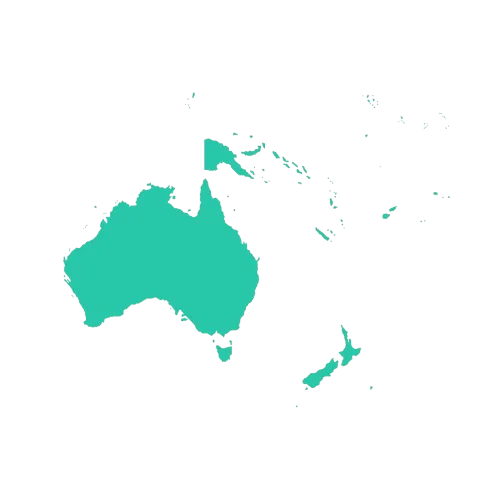
Oceania Continent Overview
Introduction to Oceania
Oceania is the world’s smallest continental region, covering approximately 8.5 million km² — about 5.7% of Earth’s land area. It comprises 14 sovereign countries across 4 major regions and is home to roughly 46 million people, representing about 0.6% of the global population. Average population density is around 5 people per km², with most of the population concentrated in Australia, New Zealand, and several Pacific island countries.
Capital Cities of Oceania And Population
| S no. | country | city | population |
|---|---|---|---|
| 1 | Papua New Guinea | Port Moresby | 594,535 |
| 2 | Australia | Canberra | 523,285 |
| 3 | New Zealand | Wellington | 207,964 |
| 4 | Samoa | Apia | 112,345 |
| 5 | Fiji | Suva | 101,905 |
| 6 | Solomon Islands | Honiara | 101,471 |
| 7 | New Caledonia | Noumea | 84,664 |
| 8 | Kiribati | South Tarawa | 70,074 |
| 9 | Vanuatu | Port Vila | 56,352 |
| 10 | Tonga | Nukualofa | 33,131 |
| 11 | Northern Mariana Islands | Saipan | 31,929 |
| 12 | French Polynesia | Papeete | 26,438 |
| 13 | Marshall Islands | Majuro | 18,836 |
| 14 | Palau | Ngerulmud | 9,310 |
| 15 | Tuvalu | Funafuti | 8,165 |
| 16 | Micronesia | Palikir | 6,985 |
| 17 | Wallis and Futuna | Mata-Utu | 3,301 |
| 18 | American Samoa | Pago Pago | 2,606 |
| 19 | Cook Islands | Avarua | 974 |
| 20 | Guam | Hagatna | 884 |
| 21 | Nauru | Yaren | 786 |
| 22 | Niue | Alofi | 613 |
| 23 | Tokelau | Fakaofo | 472 |
what percentage of the population lives in Oceania - Oceania population History
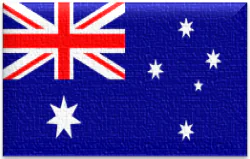
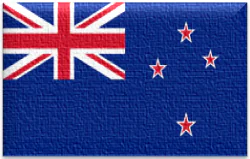
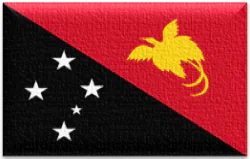
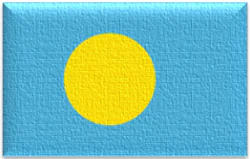
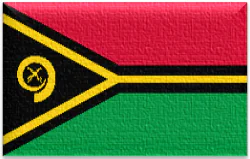
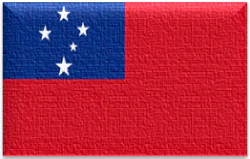
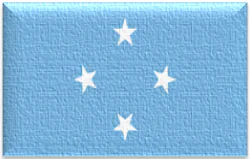

largest religion in Oceania by population

Christianity in Oceania
Christianity — 73% ,Christianity in Oceania: Christianity is the largest religious tradition in Oceania, with major Christian communities across Australia, New Zealand, Melanesia, Micronesia, and Polynesia. Catholic, Anglican, Protestant, and other Christian traditions have played an important role in the religious and cultural history of the region.

Religiously Unaffiliated
Religiously Unaffiliated — 19% Religiously Unaffiliated in Oceania: People with no religious affiliation form a significant part of Oceania’s population, particularly in Australia and New Zealand, where secular identification has increased over recent decades. The category includes people who describe themselves as atheist, agnostic, or having no particular religion.

Islam in Oceania
Islam — 1% Islam in Oceania: Islam is a smaller religious tradition in Oceania, with Muslim communities mainly concentrated in Australia, New Zealand, and Fiji. The region's Muslim population includes communities with diverse South Asian, Southeast Asian, Middle Eastern, African, and Pacific backgrounds.

Hinduism in Oceania
Hinduism — 1% Hinduism in Oceania: Hinduism is a minority religion in Oceania, with established communities particularly in Australia, Fiji, and New Zealand. Its presence is closely connected with South Asian migration and longstanding Indo-Fijian communities.
Most Spoken Native Languages in Oceania
Native Spoken Languages Across Oceania
Oceania is linguistically diverse, with hundreds of Indigenous and traditionally native languages across Australia and the Pacific Islands. Major languages by native-speaker communities include Māori, Fijian, Samoan, Tongan, Tok Pisin, Bislama, and Indigenous Australian languages. Speaker estimates vary by census year and source, so native-speaker figures should be treated as approximate. Ethnologue’s Pacific-language reference covers the region and distinguishes native-language use from second-language use.
Māori Speakers: approximately 185,000 native speakers
Fijian Speakers: approximately 350,000 native speakers
Samoan Speakers: approximately 500,000 native speakers
Tongan Speakers: approximately 180,000 native speakers
Oceania Countries Population Religion And Regions Geography Explained
Oceania is a vast region of the Pacific Ocean made up of Australia, New Zealand and thousands of Pacific islands. It is geographically distinctive because its countries and territories are spread across an enormous oceanic area rather than forming one continuous continental landmass.
The region includes four major subregions in the United Nations M49 geographical classification: Australia and New Zealand, Melanesia, Micronesia and Polynesia. These subregions contain independent countries as well as dependent and associated territories.
Oceania combines large continental landscapes, tropical islands, coral atolls, volcanic mountains, rainforests, deserts and some of the world’s most important marine ecosystems. It is also home to diverse Indigenous cultures and hundreds of languages.
Oceania Continent Statistics
| Feature | Oceania |
|---|---|
| Major subregions | 4 |
| Commonly recognized sovereign countries | 14 |
| Population | About 47 million |
| Largest country by area | Australia |
| Most populous country | Australia |
| Largest Pacific island country by area | Papua New Guinea |
| Main subregions | Australia and New Zealand, Melanesia, Micronesia, Polynesia |
| Highest mountain associated with Oceania | Puncak Jaya |
| Major international languages | English and French |
| Important Indigenous languages | Māori, Samoan, Tok Pisin and hundreds of others |
| Largest coral reef system | Great Barrier Reef |
| Largest ocean surrounding the region | Pacific Ocean |
Population figures vary depending on the year, statistical definition and whether territories are included. The United Nations World Population Prospects provides the principal international demographic framework for population estimates and projections.
How Many Countries Are in Oceania?
Oceania is commonly described as having 14 sovereign countries:
- Australia
- Fiji
- Kiribati
- Marshall Islands
- Federated States of Micronesia
- Nauru
- New Zealand
- Palau
- Papua New Guinea
- Samoa
- Solomon Islands
- Tonga
- Tuvalu
- Vanuatu
However, the total number of countries, territories and areas associated with Oceania is larger because the region also contains territories and associated states.
The UN M49 classification, for example, includes territories such as Guam, New Caledonia, French Polynesia, American Samoa, Northern Mariana Islands, Cook Islands, Niue and Tokelau. The UN notes that M49 groupings are designed for statistical purposes and do not imply a political position regarding the status of countries or territories.
Countries of Oceania and Their Capitals
| Country | Capital |
|---|---|
| Australia | Canberra |
| Fiji | Suva |
| Kiribati | South Tarawa |
| Marshall Islands | Majuro |
| Federated States of Micronesia | Palikir |
| Nauru | No official capital; government offices are in Yaren District |
| New Zealand | Wellington |
| Palau | Ngerulmud |
| Papua New Guinea | Port Moresby |
| Samoa | Apia |
| Solomon Islands | Honiara |
| Tonga | Nuku’alofa |
| Tuvalu | Funafuti |
| Vanuatu | Port Vila |
These countries range from Australia, a large continental country, to very small island states such as Nauru and Tuvalu.
Regions of Oceania
The United Nations divides Oceania into four major geographical subregions: Australia and New Zealand, Melanesia, Micronesia and Polynesia.
Australia and New Zealand
Australia and New Zealand form the southwestern portion of Oceania.
Australia accounts for most of the region’s land area and population. Its landscape includes deserts, tropical forests, grasslands, mountains and extensive coastlines.
New Zealand is smaller but geographically diverse, with volcanic landscapes, mountains, glaciers, forests and long coastlines.
Melanesia
Melanesia includes:
- Fiji
- New Caledonia
- Papua New Guinea
- Solomon Islands
- Vanuatu
Papua New Guinea is the largest country in Melanesia by land area and population. The region is known for tropical forests, volcanic islands, mountainous terrain and exceptional cultural diversity.
Micronesia
Micronesia consists of numerous small islands and atolls in the western Pacific.
The UN M49 classification includes:
- Guam
- Kiribati
- Marshall Islands
- Federated States of Micronesia
- Nauru
- Northern Mariana Islands
- Palau
Many Micronesian communities occupy very small islands with limited freshwater and land resources.
Polynesia
Polynesia occupies a huge area of the central and southern Pacific Ocean.
Its countries and territories include:
- Samoa
- Tonga
- Tuvalu
- American Samoa
- Cook Islands
- French Polynesia
- Niue
- Tokelau
- Wallis and Futuna
- Pitcairn
Polynesian societies are particularly well known for traditional navigation, seafaring and the settlement of islands separated by enormous distances.
Oceania Population
Oceania has a relatively small population compared with Asia, Africa, Europe and the Americas. Most of its population is concentrated in Australia, Papua New Guinea and New Zealand.
The UN World Population Prospects 2024 provides population estimates and projections for countries and regions. Its data show that population growth differs considerably between Australia and New Zealand and the smaller Pacific island states.
Australia represents the largest population center in Oceania, followed by Papua New Guinea and New Zealand.
Population patterns across the Pacific are strongly influenced by urbanization, fertility, migration, geographic isolation and the limited amount of habitable land on many islands.
Oceania Population by Country
Approximate recent population levels show the enormous demographic difference between Australia’s population and the small Pacific island states.
| Rank | Country | Approximate population |
|---|---|---|
| 1 | Australia | 27 million+ |
| 2 | Papua New Guinea | 10 million+ |
| 3 | New Zealand | 5 million+ |
| 4 | Fiji | Around 1 million |
| 5 | Solomon Islands | Under 1 million |
| 6 | Vanuatu | Around 0.3 million |
| 7 | Samoa | Around 0.2 million |
| 8 | Kiribati | Around 0.1 million |
| 9 | Federated States of Micronesia | Around 0.1 million |
| 10 | Tonga | Around 0.1 million |
| 11 | Marshall Islands | Under 0.1 million |
| 12 | Palau | Under 0.1 million |
| 13 | Nauru | Around 0.01 million |
| 14 | Tuvalu | Around 0.01 million |
Note: Population estimates change annually. For a publication that displays exact year-specific numbers, the country figures should be generated directly from the same UN WPP revision so that the table and regional total use a consistent methodology.
Oceania Population History
Oceania’s population has increased considerably since the middle of the twentieth century, although demographic change has not been uniform.
Australia and New Zealand experienced sustained population growth, while several Pacific island countries experienced periods of rapid natural increase combined with substantial migration.
A simplified historical pattern is:
| Year | Approximate regional population |
|---|---|
| 1950 | About 13 million |
| 1960 | About 16 million |
| 1970 | About 19 million |
| 1980 | About 22 million |
| 1990 | About 26 million |
| 2000 | About 31 million |
| 2010 | About 37 million |
| 2020 | About 43 million |
| 2024 | About 45 million |
Historical totals can differ between datasets because of changes in territorial definitions and statistical methods. The UN World Population Prospects remains the preferred source when consistent historical and projected population series are required.
Geography of Oceania
Oceania is geographically unusual because it combines one very large continental landmass, Australia, with New Zealand and thousands of islands scattered throughout the Pacific.
Its landscapes include:
- Deserts
- Tropical rainforests
- Coral atolls
- Volcanic islands
- Alpine mountains
- Grasslands
- Coastal wetlands
- Coral reefs
- Mangrove ecosystems
- Deep ocean environments
The region stretches across a vast part of the Pacific, making ocean geography just as important as land geography.
Physical Geography of Australia
Australia is the dominant landmass of Oceania.
The country’s interior contains extensive arid and semi-arid landscapes, while its eastern, southeastern and southwestern regions contain major cities, agricultural areas and mountain systems.
The Great Dividing Range extends along much of Australia’s eastern side, while the central interior includes large desert regions such as the Great Victoria Desert and Great Sandy Desert.
Physical Geography of New Zealand
New Zealand consists mainly of the North Island and South Island, along with many smaller islands.
Its landscape has been strongly shaped by tectonic activity. The country contains mountains, volcanoes, glaciers, lakes, forests and coastal environments.
The Southern Alps dominate the South Island, while volcanic and geothermal landscapes are particularly important on the North Island.
Physical Geography of Papua New Guinea
Papua New Guinea occupies the eastern half of New Guinea and numerous surrounding islands.
The country contains rugged mountains, tropical forests, rivers, wetlands and coastal ecosystems. Its complex terrain has contributed to the development of many distinct communities and languages.
Major Mountains in Oceania
Puncak Jaya
Puncak Jaya, also called Carstensz Pyramid, is located in the Indonesian province of Papua on the island of New Guinea. It is commonly regarded as the highest mountain associated with Oceania under geographical definitions that include New Guinea.
Aoraki / Mount Cook
Aoraki / Mount Cook is the highest mountain in New Zealand and is located in the Southern Alps.
Mount Kosciuszko
Mount Kosciuszko is Australia’s highest mountain on the Australian mainland.
Major Rivers in Oceania
Australia’s Murray-Darling Basin is the country’s most important river system for agriculture and water management.
Papua New Guinea has numerous rivers flowing through tropical forests and mountainous regions.
New Zealand also has many important rivers, including the Waikato River, which is the country’s longest river.
Major Lakes in Oceania
Oceania contains many important freshwater lakes.
Lake Taupō in New Zealand is the largest lake in the country by surface area and occupies a volcanic caldera.
Australia’s Kati Thanda–Lake Eyre is a large salt lake and drainage basin that is usually dry or only partly filled.
New Zealand also contains major glacial and volcanic lakes, while many Pacific islands depend on limited freshwater resources.
Climate of Oceania
Oceania contains a wide range of climatic conditions.
Tropical Climate
Much of Melanesia, Micronesia and Polynesia experiences tropical climates with warm temperatures throughout the year.
Desert and Arid Climate
Large areas of central and western Australia are arid or semi-arid.
Temperate Climate
Southern Australia and much of New Zealand have temperate climates that support major cities, agriculture and forests.
Alpine Climate
High elevations in New Zealand and southeastern Australia experience much colder conditions and seasonal snow.
Major Cities in Oceania
Oceania’s largest urban populations are concentrated primarily in Australia and New Zealand.
Major cities include:
- Sydney
- Melbourne
- Brisbane
- Perth
- Adelaide
- Canberra
- Auckland
- Wellington
- Christchurch
- Port Moresby
- Suva
- Honiara
- Port Vila
- Apia
Sydney and Melbourne are Australia’s largest metropolitan centers, while Auckland is New Zealand’s largest urban area.
Pacific island capitals are generally much smaller but often serve as the principal economic, political and transportation centers of their countries.
Economy of Oceania
Oceania contains economies with very different structures and levels of development.
Australia and New Zealand have diversified economies based on services, finance, agriculture, manufacturing, mining, tourism and international trade.
Australia is one of the world’s major exporters of mineral resources, including iron ore, coal and natural gas.
New Zealand has important agricultural, food-processing, tourism and service industries.
Pacific island economies are generally smaller and frequently depend on combinations of tourism, fisheries, agriculture, remittances, services, aid and natural resources.
Natural Resources of Oceania
Australia has exceptionally large mineral resources and is an important global supplier of iron ore, coal, natural gas and other minerals.
Papua New Guinea has significant deposits of gold, copper and other minerals.
Pacific island countries possess valuable fisheries and marine resources. Tourism is also an important economic sector in countries such as Fiji, Samoa, Vanuatu and several Polynesian destinations.
Human Development in Oceania
Human development varies substantially across Oceania.
Australia and New Zealand have high levels of human development and extensive health, education and infrastructure systems.
Some Pacific island states face greater challenges because of small populations, geographic isolation, limited domestic markets, infrastructure costs and exposure to natural hazards.
The United Nations Development Programme Human Development Index measures development through dimensions including health, education and standard of living.
Religion in Oceania
Christianity has historically been the dominant religious tradition across much of Oceania, particularly among Pacific island populations.
However, religious affiliation varies significantly between countries.
Australia and New Zealand have experienced substantial growth in the religiously unaffiliated population. According to Pew Research Center’s 2025 analysis of 2020 religious composition, Christians represented about 46.8% of Australia’s population, while the religiously unaffiliated represented about 42.3%. In New Zealand, Christians represented about 40.3%, while the unaffiliated represented about 51.4%.
Pew’s estimates are based on more than 2,700 sources, including censuses, surveys and population registers.
Major religious traditions found across Oceania include:
- Christianity
- Islam
- Hinduism
- Buddhism
- Judaism
- Indigenous and traditional beliefs
- Other religions
- Religious unaffiliation
The religious landscape of Pacific island societies remains strongly influenced by Christianity, while Australia and New Zealand have become considerably more religiously diverse and increasingly unaffiliated.
Christianity in Oceania
Christianity became deeply established across many Pacific societies during the nineteenth and twentieth centuries through missionary activity and subsequent institutional development.
Today, Christian traditions include Catholic, Anglican, Methodist, Presbyterian, Pentecostal and numerous other churches.
Christianity remains particularly prominent across many Melanesian, Micronesian and Polynesian societies.
Religious Unaffiliation in Australia and New Zealand
Religious unaffiliation has become an important demographic feature of Australia and New Zealand.
Pew Research Center estimated that Australia moved from a 67% Christian population in 2010 to about 47% in 2020, while the unaffiliated share increased to about 42%. New Zealand also had an unaffiliated majority in 2020, at approximately 51%.
These figures describe religious self-identification rather than personal belief. Pew defines the religiously unaffiliated category as people who identify as atheist, agnostic or having no particular religion.
Languages of Oceania
Oceania has extraordinary linguistic diversity.
English is the principal international language in Australia and New Zealand and is widely used throughout many Pacific countries.
French is also important in several Pacific territories and communities.
Other major languages include:
- Māori
- Tok Pisin
- Bislama
- Fijian
- Samoan
- Tongan
- Kiribati
- Marshallese
- Palauan
- Solomon Islands languages
- Hundreds of Papuan and Aboriginal Australian languages
Papua New Guinea is particularly notable for its exceptional linguistic diversity.
Indigenous Peoples of Oceania
Oceania is home to many Indigenous peoples with long histories of settlement and cultural development.
Important Indigenous populations include:
- Aboriginal and Torres Strait Islander peoples of Australia
- Māori of New Zealand
- Papuan peoples of New Guinea
- Melanesian peoples
- Micronesian peoples
- Polynesian peoples
These societies developed distinctive systems of agriculture, fishing, navigation, land management, art, architecture, social organization and oral traditions.
Traditional Navigation in the Pacific
One of Oceania’s most remarkable cultural achievements is traditional Pacific navigation.
Polynesian navigators traveled across enormous stretches of ocean using observations of stars, ocean swells, winds, birds and other environmental signals.
This maritime knowledge enabled the settlement of islands separated by thousands of kilometers and demonstrates the sophisticated environmental knowledge developed by Pacific societies.
Ancient History of Oceania
Human settlement in Oceania has a very long history.
Aboriginal Australians have inhabited Australia for tens of thousands of years, developing hundreds of distinct cultural and language groups.
Later migrations from Island Southeast Asia contributed to the settlement of many Pacific islands.
Austronesian-speaking peoples spread through the Pacific over many centuries, eventually reaching distant islands including Hawaii, Easter Island and New Zealand.
The settlement of Polynesia represents one of humanity’s most remarkable episodes of long-distance oceanic migration.
European Exploration and Colonization
European exploration of the Pacific expanded from the sixteenth century onward.
Spanish, Portuguese, Dutch, French and British explorers charted different parts of the region.
European colonization subsequently transformed political boundaries, economies, land ownership and population patterns.
Indigenous societies experienced major disruptions through introduced diseases, warfare, displacement, labor systems and cultural change.
During the twentieth century, many Pacific territories moved toward independence or developed new constitutional relationships with former colonial powers.
Biodiversity of Oceania
Oceania contains some of the world’s most distinctive ecosystems.
Australia is famous for endemic mammals such as:
- Kangaroos
- Koalas
- Wombats
- Echidnas
- Platypuses
- Wallabies
New Zealand has distinctive birds including the kiwi, kea and takahē.
Papua New Guinea contains extensive tropical forests and species such as birds-of-paradise.
Pacific islands also contain numerous endemic species that evolved in isolation from continental ecosystems.
Great Barrier Reef
The Great Barrier Reef is one of the world’s most significant marine ecosystems.
Located off the northeastern coast of Australia, it consists of thousands of individual reefs and hundreds of islands.
The reef supports an enormous variety of marine life and is important for biodiversity, tourism, research and coastal ecosystems.
Its health is closely connected with ocean temperatures, coral bleaching, water quality and broader climate conditions.
Environmental Challenges in Oceania
Oceania faces several major environmental challenges.
Climate Change
Low-lying Pacific island states are particularly vulnerable to sea-level rise, coastal flooding, erosion and changing weather patterns.
Coral Bleaching
Increasing marine temperatures can cause coral bleaching, placing pressure on coral reef ecosystems.
Biodiversity Loss
Invasive species, habitat destruction and environmental change threaten endemic species, particularly on islands.
Freshwater Security
Small islands often have limited freshwater supplies. Drought, saltwater intrusion and changing rainfall can therefore create serious challenges.
Natural Disasters
Pacific countries are exposed to tropical cyclones, earthquakes, volcanic eruptions, tsunamis and other natural hazards.
Oceania and the Pacific Ocean
The Pacific Ocean is central to the geography, economy and culture of Oceania.
Fishing, shipping, tourism and marine ecosystems are important to many countries.
The enormous distances between islands also create challenges for transportation, communications, healthcare, education and infrastructure.
For many Pacific societies, the ocean is not simply a geographic boundary. It is an important part of cultural identity, food systems, livelihoods and traditional knowledge.
Why Is Oceania Important?
Oceania is important because of its geographical position, natural resources, biodiversity, cultural heritage and strategic location across the Pacific Ocean.
Australia and New Zealand are major economies with strong connections to Asia and the wider global economy.
The Pacific island countries are also important because of their extensive maritime zones, fisheries, natural ecosystems and strategic location.
Oceania additionally provides important examples of Indigenous environmental knowledge, long-distance navigation and adaptation to isolated island environments.
Oceania Quick Facts
- Oceania is commonly divided into four UN M49 subregions.
- The four subregions are Australia and New Zealand, Melanesia, Micronesia and Polynesia.
- Oceania has 14 commonly recognized sovereign countries.
- Australia is the largest country by area and population.
- Papua New Guinea is the largest Pacific island country.
- New Zealand is one of the region’s major developed economies.
- The Pacific Ocean surrounds most of the region.
- Oceania contains thousands of islands.
- Papua New Guinea has exceptional linguistic diversity.
- Māori is an important Indigenous language of New Zealand.
- Aboriginal Australian cultures have extremely long histories.
- Puncak Jaya is commonly regarded as the highest mountain associated with Oceania.
- Aoraki / Mount Cook is New Zealand’s highest mountain.
- Mount Kosciuszko is Australia’s highest mainland mountain.
- The Great Barrier Reef is one of the world’s most important coral reef systems.
- Christianity remains highly important throughout much of the Pacific.
- Religious unaffiliation is particularly significant in Australia and New Zealand.
- Pacific island states face substantial climate and environmental challenges.
Conclusion
Oceania is a geographically diverse region stretching across a vast portion of the Pacific Ocean. It includes Australia and New Zealand, the island societies of Melanesia, the atolls and islands of Micronesia, and the widely dispersed communities of Polynesia.
The region contains 14 commonly recognized sovereign countries alongside numerous territories and associated areas. Its population is concentrated primarily in Australia, Papua New Guinea and New Zealand, while many Pacific island states have very small populations.
Oceania’s geography ranges from Australian deserts and alpine mountains to tropical rainforests, volcanic islands and coral atolls. Its cultural history is equally diverse, shaped by ancient Indigenous societies, Austronesian migrations, traditional navigation, European exploration and modern independence movements.
Religion, language and culture also vary considerably. Christianity remains prominent throughout much of the Pacific, while Australia and New Zealand have experienced major increases in religious unaffiliation. Hundreds of Indigenous and Pacific languages continue to form an important part of the region’s cultural heritage.
Today, Oceania faces major questions surrounding climate change, biodiversity, sustainable fisheries, freshwater security and economic resilience. Its small island nations are particularly exposed to environmental change, while Australia and New Zealand remain major economic and political centers of the wider Pacific.
Frequently Asked Questions About Oceania
How many countries are in Oceania?
Oceania is commonly described as having 14 sovereign countries: Australia, Fiji, Kiribati, Marshall Islands, Federated States of Micronesia, Nauru, New Zealand, Palau, Papua New Guinea, Samoa, Solomon Islands, Tonga, Tuvalu and Vanuatu.
What are the four regions of Oceania?
The four major UN M49 subregions are Australia and New Zealand, Melanesia, Micronesia and Polynesia.
What is the largest country in Oceania?
Australia is the largest country in Oceania by land area and is also the most populous.
What is the most populous country in Oceania?
Australia is the most populous country in Oceania.
What is the largest Pacific island country?
Papua New Guinea is the largest independent Pacific island country by land area.
What is the population of Oceania?
Oceania has a population of roughly 47 million in the mid-2020s, although the exact figure depends on the reference year and geographic definition used. The UN World Population Prospects provides the underlying international population estimates.
What is the highest mountain in Oceania?
Puncak Jaya in the Indonesian part of New Guinea is commonly regarded as the highest mountain associated with Oceania.
What is Australia’s highest mountain?
Mount Kosciuszko is the highest mountain on Australia’s mainland.
What is New Zealand’s highest mountain?
Aoraki / Mount Cook is New Zealand’s highest mountain.
What languages are spoken in Oceania?
English, French, Māori, Tok Pisin, Bislama, Samoan, Tongan, Fijian and hundreds of Indigenous and Pacific languages are spoken across Oceania.
What is the main religion in Oceania?
Christianity is the historically dominant religion across much of Oceania, particularly in many Pacific island countries. Religious affiliation varies considerably between countries.
Is Australia part of Oceania?
Yes. The United Nations M49 classification places Australia within Oceania, under the Australia and New Zealand subregion.
Is New Zealand part of Oceania?
Yes. New Zealand is classified within Oceania and the Australia and New Zealand subregion.
Why is Oceania different from a traditional continent?
Oceania is often described as a region rather than a conventional continent because it consists of Australia together with thousands of islands spread throughout the Pacific Ocean. Different geographical systems use different definitions.
What are the main environmental problems in Oceania?
Important environmental challenges include climate change, sea-level rise, coral bleaching, biodiversity loss, coastal erosion, freshwater shortages and extreme weather.
Why is Oceania important?
Oceania is important because of its Pacific location, natural resources, marine ecosystems, biodiversity, Indigenous cultures, economic connections and strategic importance
Sources:
- United Nations — World Population Prospects
Population estimates, historical population data and demographic projections. - United Nations Statistics Division — M49
Geographical classification of Oceania and its four subregions. - Encyclopaedia Britannica — Oceania
Geographical, historical and physical background. - Pew Research Center — Global Religious Composition
Religious affiliation and religious change across countries. - United Nations Development Programme — Human Development Data Center
Human development and HDI information. - World Bank — World Development Indicators
Economic, demographic and development indicators. - International Monetary Fund — Countries
Macroeconomic and country-level economic information. - Ethnologue — Languages of the World
Language distribution and linguistic information. - UN World Urbanization Prospects
Urban population and city-related demographic information. - Great Barrier Reef Marine Park Authority
Information about Australia’s Great Barrier Reef and its marine environment.