
World Largest Muslim Countries By Population : Number Of Muslim Countries In The World
Top 5 Muslim Majority Countries - Which Country Is 100% Muslim In The World
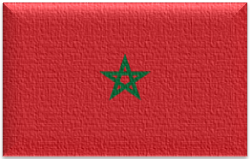
Morocco
100%
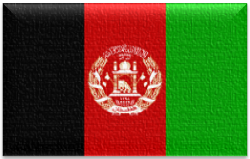
Afghanistan
99.7%
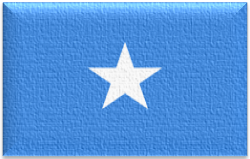
Somalia
99.7%
Iran
99.5%
Tunisia
99.5%
Muslim Population By Country Trend Map
Top 10 Muslim Countries By Population
List Of Muslim Countries By Population - 57 Muslim Country List
| S no. | Country | Percentage | Muslims | Total |
|---|---|---|---|---|
| 1 | Western Sahara | 100.00 | 550,000 | 550,000 |
| 2 | Mayotte | 100.00 | 280,000 | 280,000 |
| 3 | Yemen | 99.89 | 36,090,000 | 36,130,000 |
| 4 | Afghanistan | 99.87 | 39,020,000 | 39,070,000 |
| 5 | Somalia | 99.82 | 16,620,000 | 16,650,000 |
| 6 | Iran | 99.77 | 87,520,000 | 87,720,000 |
| 7 | Morocco | 99.70 | 36,470,000 | 36,580,000 |
| 8 | Iraq | 99.50 | 41,910,000 | 42,120,000 |
| 9 | Tunisia | 99.33 | 11,890,000 | 11,970,000 |
| 10 | Mauritania | 99.13 | 4,560,000 | 4,600,000 |
| 11 | Palestine | 99.01 | 5,020,000 | 5,070,000 |
| 12 | Tajikistan | 98.87 | 9,640,000 | 9,750,000 |
| 13 | Libya | 98.87 | 6,970,000 | 7,050,000 |
| 14 | Sudan | 98.85 | 46,250,000 | 46,790,000 |
| 15 | Comoros | 98.75 | 790,000 | 800,000 |
| 16 | Algeria | 98.39 | 43,330,000 | 44,040,000 |
| 17 | Niger | 98.10 | 23,270,000 | 23,720,000 |
| 18 | Senegal | 97.56 | 16,380,000 | 16,790,000 |
| 19 | Djibouti | 97.30 | 1,080,000 | 1,110,000 |
| 20 | Turkey | 97.11 | 83,600,000 | 86,090,000 |
| 21 | Jordan | 97.06 | 10,550,000 | 10,870,000 |
| 22 | Gambia | 96.83 | 2,440,000 | 2,520,000 |
| 23 | Pakistan | 96.54 | 226,880,000 | 235,000,000 |
| 24 | Uzbekistan | 95.62 | 32,120,000 | 33,590,000 |
| 25 | Egypt | 95.17 | 104,040,000 | 109,320,000 |
| 26 | Azerbaijan | 94.70 | 9,640,000 | 10,180,000 |
| 27 | Kosovo | 94.29 | 1,650,000 | 1,750,000 |
| 28 | Turkmenistan | 94.24 | 6,550,000 | 6,950,000 |
| 29 | Syria | 94.16 | 19,820,000 | 21,050,000 |
| 30 | Mali | 94.15 | 20,440,000 | 21,710,000 |
| 31 | Maldives | 94.00 | 470,000 | 500,000 |
| 32 | Saudi Arabia | 92.71 | 28,730,000 | 30,990,000 |
| 33 | Kyrgyzstan | 91.74 | 6,110,000 | 6,660,000 |
| 34 | Bangladesh | 91.06 | 151,440,000 | 166,300,000 |
| 35 | Indonesia | 86.97 | 238,990,000 | 274,810,000 |
| 36 | Guinea | 86.84 | 11,610,000 | 13,370,000 |
| 37 | Brunei | 82.22 | 370,000 | 450,000 |
| 38 | Oman | 81.86 | 3,700,000 | 4,520,000 |
| 39 | Kuwait | 80.23 | 3,530,000 | 4,400,000 |
| 40 | Sierra Leone | 80.15 | 6,340,000 | 7,910,000 |
| 41 | Kazakhstan | 77.93 | 15,180,000 | 19,480,000 |
| 42 | Qatar | 76.07 | 2,130,000 | 2,800,000 |
| 43 | Albania | 74.56 | 2,140,000 | 2,870,000 |
| 44 | Bahrain | 74.32 | 1,100,000 | 1,480,000 |
| 45 | UAE | 72.91 | 6,890,000 | 9,450,000 |
| 46 | Lebanon | 67.89 | 3,870,000 | 5,700,000 |
| 47 | Burkina Faso | 67.41 | 14,480,000 | 21,480,000 |
| 48 | Malaysia | 64.12 | 21,730,000 | 33,890,000 |
| 49 | Chad | 56.39 | 9,710,000 | 17,220,000 |
| 50 | Guinea-Bissau | 56.22 | 1,130,000 | 2,010,000 |
| 51 | Nigeria | 56.07 | 119,980,000 | 214,000,000 |
| 52 | Bosnia and Herz. | 53.64 | 1,770,000 | 3,300,000 |
| 53 | Eritrea | 51.67 | 1,700,000 | 3,290,000 |
| 54 | Ivory Coast | 46.30 | 13,390,000 | 28,920,000 |
| 55 | Ethiopia | 36.24 | 43,100,000 | 118,920,000 |
| 56 | North Macedonia | 34.76 | 650,000 | 1,870,000 |
| 57 | Benin | 31.37 | 4,100,000 | 13,070,000 |
| 58 | Tanzania | 29.87 | 18,210,000 | 60,970,000 |
| 59 | Cameroon | 25.14 | 6,590,000 | 26,210,000 |
| 60 | Cyprus | 24.62 | 320,000 | 1,300,000 |
| 61 | Montenegro | 21.31 | 130,000 | 610,000 |
| 62 | Ghana | 19.88 | 6,340,000 | 31,890,000 |
| 63 | Mozambique | 19.43 | 5,980,000 | 30,780,000 |
| 64 | Mauritius | 17.19 | 220,000 | 1,280,000 |
| 65 | Singapore | 16.19 | 910,000 | 5,620,000 |
| 66 | Togo | 16.15 | 1,400,000 | 8,670,000 |
| 67 | India | 15.19 | 213,060,000 | 1,402,620,000 |
| 68 | Israel | 14.77 | 1,300,000 | 8,800,000 |
| 69 | Suriname | 13.11 | 80,000 | 610,000 |
| 70 | Liberia | 12.82 | 660,000 | 5,150,000 |
| 71 | Malawi | 11.57 | 2,260,000 | 19,530,000 |
| 72 | Uganda | 11.40 | 5,070,000 | 44,460,000 |
| 73 | Kenya | 10.93 | 5,710,000 | 52,220,000 |
| 74 | Georgia | 10.53 | 400,000 | 3,800,000 |
| 75 | Bulgaria | 10.25 | 710,000 | 6,930,000 |
| 76 | Sri Lanka | 10.20 | 2,300,000 | 22,560,000 |
| 77 | France | 9.10 | 6,000,000 | 65,910,000 |
| 78 | Gabon | 8.62 | 200,000 | 2,320,000 |
| 79 | Austria | 8.30 | 740,000 | 8,920,000 |
| 80 | Russia | 8.19 | 11,990,000 | 146,370,000 |
| 81 | Sweden | 8.12 | 840,000 | 10,350,000 |
| 82 | Belgium | 6.85 | 790,000 | 11,540,000 |
| 83 | Germany | 6.55 | 5,480,000 | 83,630,000 |
| 84 | Philippines | 6.46 | 7,240,000 | 112,080,000 |
| 85 | United Kingdom | 6.37 | 4,290,000 | 67,350,000 |
| 86 | South Sudan | 6.26 | 670,000 | 10,700,000 |
| 87 | Guyana | 6.17 | 50,000 | 810,000 |
| 88 | Central African Republic | 6.16 | 310,000 | 5,030,000 |
| 89 | Switzerland | 6.13 | 530,000 | 8,640,000 |
| 90 | Netherlands | 5.50 | 970,000 | 17,640,000 |
| 91 | Fiji | 5.49 | 50,000 | 910,000 |
| 92 | Trinidad and Tobago | 5.41 | 80,000 | 1,480,000 |
| 93 | Greece | 5.14 | 550,000 | 10,700,000 |
| 94 | Nepal | 5.07 | 1,470,000 | 28,970,000 |
| 95 | Canada | 4.90 | 1,870,000 | 38,170,000 |
| 96 | Reunion | 4.65 | 40,000 | 860,000 |
| 97 | Thailand | 4.51 | 3,230,000 | 71,640,000 |
| 98 | Serbia | 4.49 | 310,000 | 6,910,000 |
| 99 | Italy | 4.42 | 2,650,000 | 59,910,000 |
| 100 | Denmark | 4.29 | 250,000 | 5,830,000 |
| 101 | Norway | 4.09 | 220,000 | 5,380,000 |
| 102 | Equatorial Guinea | 4.07 | 70,000 | 1,720,000 |
| 103 | Malta | 3.85 | 20,000 | 520,000 |
| 104 | Mongolia | 3.65 | 120,000 | 3,290,000 |
| 105 | Spain | 3.57 | 1,700,000 | 47,680,000 |
| 106 | Australia | 3.50 | 900,000 | 25,740,000 |
| 107 | Myanmar | 3.34 | 1,770,000 | 53,020,000 |
| 108 | Burundi | 3.01 | 380,000 | 12,620,000 |
| 109 | Cambodia | 2.03 | 340,000 | 16,730,000 |
| 110 | Rwanda | 1.84 | 240,000 | 13,070,000 |
| 111 | China | 1.82 | 25,980,000 | 1,426,110,000 |
| 112 | Finland | 1.63 | 90,000 | 5,530,000 |
| 113 | Ireland | 1.61 | 80,000 | 4,980,000 |
| 114 | South Africa | 1.60 | 970,000 | 60,560,000 |
| 115 | Luxembourg | 1.59 | 10,000 | 630,000 |
| 116 | Slovenia | 1.43 | 30,000 | 2,100,000 |
| 117 | Republic of the Congo | 1.39 | 80,000 | 5,750,000 |
| 118 | New Zealand | 1.38 | 70,000 | 5,070,000 |
| 119 | DR Congo | 1.27 | 1,220,000 | 95,990,000 |
| 120 | Croatia | 1.27 | 50,000 | 3,950,000 |
| 121 | United States | 1.19 | 4,050,000 | 339,440,000 |
| 122 | Madagascar | 1.17 | 340,000 | 28,950,000 |
| 123 | Argentina | 0.93 | 420,000 | 45,190,000 |
| 124 | Ukraine | 0.56 | 250,000 | 44,680,000 |
| 125 | Latvia | 0.53 | 10,000 | 1,900,000 |
| 126 | Zambia | 0.52 | 100,000 | 19,060,000 |
| 127 | Zimbabwe | 0.52 | 80,000 | 15,530,000 |
| 128 | Taiwan | 0.51 | 120,000 | 23,660,000 |
| 129 | Portugal | 0.39 | 40,000 | 10,370,000 |
| 130 | Romania | 0.36 | 70,000 | 19,390,000 |
| 131 | South Korea | 0.31 | 160,000 | 51,860,000 |
| 132 | Czech Republic | 0.28 | 30,000 | 10,550,000 |
| 133 | Angola | 0.27 | 90,000 | 33,450,000 |
| 134 | Hong Kong | 0.27 | 20,000 | 7,490,000 |
| 135 | Belarus | 0.21 | 20,000 | 9,350,000 |
| 136 | Japan | 0.17 | 210,000 | 126,300,000 |
| 137 | Hungary | 0.10 | 10,000 | 9,750,000 |
| 138 | Vietnam | 0.07 | 70,000 | 98,080,000 |
| 139 | Chile | 0.05 | 10,000 | 19,370,000 |
| 140 | Venezuela | 0.04 | 10,000 | 28,440,000 |
| 141 | Brazil | 0.02 | 40,000 | 208,660,000 |
| Sources : | Pewresearch | Religion | WPR | Muslim Population | ||
Countries That Maybe Convert Into Muslim Majority Country In Future
Nigeria
58.5% 2050
North Macedonia
56.2% 2050
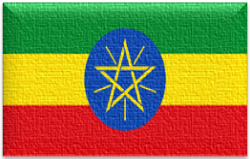
Ethiopia
39.9% 2050
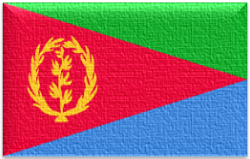
Eritrea
36.6% 2050
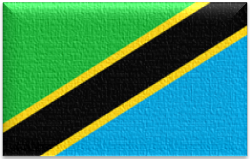
Tanzania
30.8% 2050
The Global Reach of Islam: How Many Muslim In The World
Islam is the world’s second-largest and fastest-growing major religion. With approximately 2.1 billion adherents, Muslims make up roughly 25% of the global population. While the faith originated in the Arabian Peninsula, its largest populations today are found in South and Southeast Asia, followed by Sub-Saharan Africa and the Middle East.
Spiritual Foundation & Evolution
Islam was founded in the 7th century CE in Mecca (modern-day Saudi Arabia) through the revelations received by the Prophet Muhammad. Muslims believe these revelations—compiled in the Quran—represent the final, perfect message of God (Allah), continuing the line of monotheistic prophets including Adam, Abraham, Moses, and Jesus.
The faith’s early evolution was marked by the Hijra (622 CE), the migration from Mecca to Medina, which established the first Islamic state. Following the Prophet’s death in 632 CE, the Rashidun Caliphate oversaw a rapid expansion of the faith. Over time, Islam branched into two primary sects—Sunni and Shia—following a dispute over leadership (the Caliphate), though they share the core “Five Pillars” of the faith.
Empires, Sovereignty, and Political Influence
For over a millennium, Islamic empires were centers of global power, trade, and science. The Umayyad and Abbasid Caliphates created a vast, connected world stretching from Spain to India, ushering in the Islamic Golden Age.
Later, the “Gunpowder Empires”—the Ottoman Empire, the Safavid Dynasty, and the Mughal Empire—dominated the early modern era. These states were not just military powers but centers of architectural and legal innovation. Today, Islam continues to be a central political and social force in over 50 Muslim-majority nations and plays a significant role in global geopolitics and the international economy.
Modern Demographics: Muslim Population by Country
The following table highlights the nations with the largest Muslim populations and their demographic impact.
Top 10 Influential Islamic Leaders and Figures in History
Prophet Muhammad: The founder of Islam and the recipient of the Quranic revelations.
Umar ibn al-Khattab: The second Caliph, responsible for the vast administrative and territorial expansion of the early Islamic state.
Salah ad-Din (Saladin): The Kurdish Sultan of Egypt and Syria who recaptured Jerusalem from the Crusaders in 1187.
Harun al-Rashid: The Abbasid Caliph whose reign marked the peak of the Islamic Golden Age in Baghdad.
Mehmed the Conqueror: The Ottoman Sultan who conquered Constantinople in 1453, ending the Byzantine Empire.
Ibn Sina (Avicenna): A polymath whose “Canon of Medicine” was the standard medical text in Europe and the Islamic world for centuries.
Suleiman the Magnificent: The longest-reigning Ottoman Sultan who oversaw the empire’s greatest legislative and cultural achievements.
Ibn Khaldun: The father of modern sociology and historiography, famous for his work The Muqaddimah.
Mansu Musa: The Emperor of Mali, often cited as the wealthiest person in history, who popularized Islam in West Africa.
Rumi (Jalal ad-Din): The 13th-century Persian poet and Sufi mystic whose spiritual works remain globally influential.
Belief Comparison: Islam vs. Other Major Faiths
| Feature | Islam | Christianity | Hinduism |
| Concept of God | One Absolute God (Allah). | One God in Trinity. | One Supreme Reality (Brahman) in many forms. |
| Central Figure | Muhammad (Final Prophet). | Jesus Christ (Son of God). | Multiple (Krishna, Rama, etc.). |
| Scripture | The Quran. | The Bible. | The Vedas, Upanishads, Gita. |
| Salvation | Submission to Allah & Good Deeds. | Grace through faith in Jesus. | Karma, Dharma, and Moksha. |
| Afterlife | Paradise (Jannah) or Hell. | Heaven or Hell. | Reincarnation until liberation. |
Frequently Asked Questions (FAQs)
1. Where is Islam growing the fastest?
While South Asia has the most Muslims, Sub-Saharan Africa is seeing the fastest growth due to high birth rates and conversion.
2. Which country has the highest percentage of Muslims?
Several countries are nearly 100% Muslim, including Saudi Arabia, Mauritania, and the Maldives.
3. What is the difference between Sunni and Shia?
The split is historical and political: Sunnis believe leadership should have gone to the Prophet’s companion Abu Bakr, while Shias believe it belonged to his cousin and son-in-law, Ali.
4. Is Islam only practiced in the Middle East?
No. In fact, only about 20% of the world’s Muslims are Arab. The majority live in South and Southeast Asia.
5. What are the “Five Pillars” of Islam?
They are the core practices: Shahada (Faith), Salah (Prayer), Zakat (Charity), Sawm (Fasting), and Hajj (Pilgrimage to Mecca).