Global Sunni Demographics
Sunni Islam – The Largest Branch of the Muslim World
Top 5 Countries With Highest Population Of Sunni Islam - Ahl al Sunnah wal Jamaah

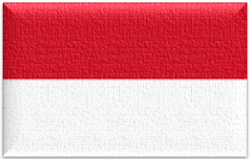
Indonesia
213,576,000 88%

Pakistan
168,532,000 70%

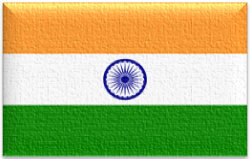
India
169,600,000 80%

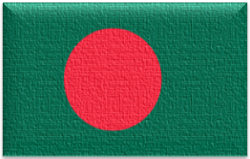
Bangladesh
128,180,000 85%

Nigeria
62,000,000 50%
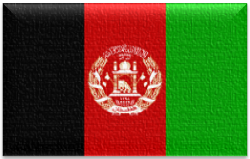
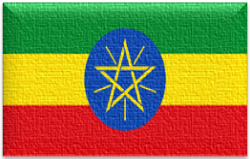
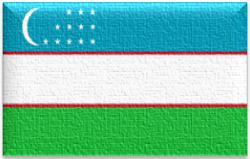
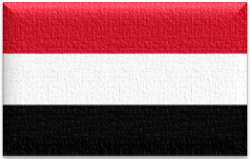
| S no | Country | Flags | % Traditional Sunni | Traditional Sunni Count | Total Muslim Population | Total Country Population |
|---|---|---|---|---|---|---|
| 1 | Indonesia | 88% | 213,576,000 | 242,700,000 | 285,560,000 | |
| 2 | Pakistan | 70% | 168,532,000 | 240,760,000 | 261,714,000 | |
| 3 | India | 80% | 169,600,000 | 212,000,000 | 1,474,646,000 | |
| 4 | Bangladesh | 85% | 128,180,000 | 150,800,000 | 177,460,000 | |
| 5 | Nigeria | 50% | 62,000,000 | 124,000,000 | 250,228,000 | |
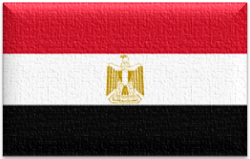
| 6 | Egypt | 94% | 101,426,000 | 107,900,000 | 119,899,000 | |
| 7 | Turkey | 85% | 71,740,000 | 84,400,000 | 87,860,000 | |
| 8 | Algeria | 98% | 42,862,260 | 43,737,000 | 47,500,000 | |
| 9 | Sudan | 80% | 36,800,000 | 46,000,000 | 50,200,000 | |
| 10 | Morocco | 99% | 37,323,000 | 37,700,000 | 38,100,000 | |
| 11 | Iraq | 32% | 14,656,000 | 45,800,000 | 46,300,000 | |
| 12 | Afghanistan | 75% | 33,225,000 | 44,300,000 | 44,500,000 | |
| 13 | Ethiopia | 85% | 36,550,000 | 43,000,000 | 138,360,000 | |
| 14 | Uzbekistan | 95% | 32,941,250 | 34,675,000 | 36,500,000 | |
| 15 | Yemen | 55% | 19,305,000 | 35,100,000 | 35,400,000 | |
| 16 | Saudi Arabia | 15% | 5,100,000 | 34,000,000 | 38,200,000 | |
| 17 | Malaysia | 90% | 20,340,000 | 22,600,000 | 35,600,000 | |
| 18 | Syria | 75% | 13,500,000 | 18,000,000 | 24,000,000 | |
| 19 | Mali | 90% | 21,150,000 | 23,500,000 | 24,800,000 | |
| 20 | Senegal | 95% | 17,328,000 | 18,240,000 | 19,200,000 | |
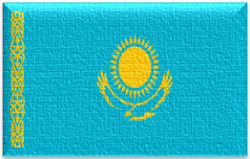
| 21 | Kazakhstan | 90% | 12,870,000 | 14,300,000 | 20,400,000 | |
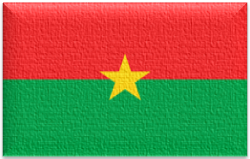
| 22 | Burkina Faso | 85% | 12,665,000 | 14,900,000 | 23,400,000 | |
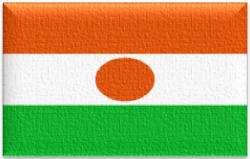
| 23 | Niger | 95% | 26,410,000 | 27,800,000 | 28,300,000 | |
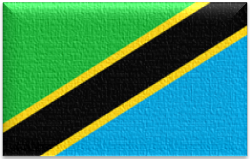
| 24 | Tanzania | 80% | 20,000,000 | 25,000,000 | 72,231,000 | |
| 25 | Somalia | 99% | 18,859,500 | 19,050,000 | 19,100,000 | |
| 26 | Guinea | 90% | 12,150,000 | 13,500,000 | 15,200,000 | |
| 27 | Chad | 80% | 9,001,600 | 11,252,000 | 19,400,000 | |
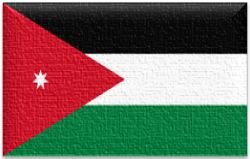
| 28 | Jordan | 93% | 9,951,000 | 10,700,000 | 11,500,000 | |
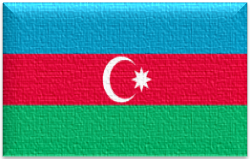
| 29 | Azerbaijan | 35% | 3,535,000 | 10,100,000 | 10,400,000 | |
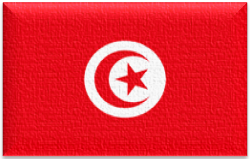
| 30 | Tunisia | 99% | 12,375,000 | 12,500,000 | 12,600,000 | |
| 31 | Libya | 95% | 6,650,000 | 7,000,000 | 7,100,000 | |
| 32 | Tajikistan | 90% | 9,360,000 | 10,400,000 | 10,600,000 | |
| 33 | Sierra Leone | 90% | 6,390,000 | 7,100,000 | 9,100,000 | |
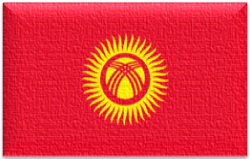
| 34 | Kyrgyzstan | 90% | 5,670,000 | 6,300,000 | 7,100,000 | |
| 35 | Turkmenistan | 95% | 5,605,000 | 5,900,000 | 6,600,000 | |
| 36 | Lebanon | 45% | 1,575,000 | 3,500,000 | 5,300,000 | |
| 37 | Palestine | 98% | 5,194,000 | 5,300,000 | 5,600,000 | |
| 38 | Mauritania | 99% | 5,039,100 | 5,090,000 | 5,100,000 | |
| 39 | Oman | 45% | 1,845,000 | 4,100,000 | 4,800,000 | |
| 40 | Kuwait | 65% | 2,145,000 | 3,300,000 | 4,400,000 | |
| 41 | Gambia | 95% | 2,612,500 | 2,750,000 | 2,900,000 | |
| 42 | Albania | 80% | 1,280,000 | 1,600,000 | 2,800,000 | |
| 43 | UAE | 70% | 5,110,000 | 7,300,000 | 9,600,000 | |
| 44 | Qatar | 15% | 285,000 | 1,900,000 | 2,800,000 | |
| 45 | Bahrain | 25% | 300,000 | 1,200,000 | 1,600,000 | |
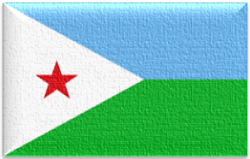
| 46 | Djibouti | 99% | 1,069,200 | 1,080,000 | 1,150,000 | |
| 47 | Comoros | 98% | 837,900 | 855,000 | 870,000 | |
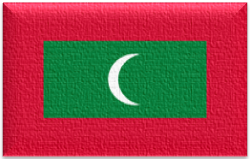
| 48 | Maldives | 99% | 519,750 | 525,000 | 530,000 | |
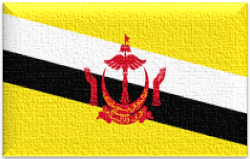
| 49 | Brunei | 95% | 361,000 | 380,000 | 460,000 | |
| 50 | Bosnia | 90% | 1,485,000 | 1,650,000 | 3,200,000 | |
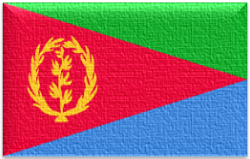
| 51 | Eritrea | 95% | 1,805,000 | 1,900,000 | 3,800,000 | |
| Sources : | Themuslim500 | Nahdlatul Ulama | Pewresearch | Azhar.eg | WorldPopulationReview | Zaytuna |
Top 5 Least Populated Sunni - Ahl Al Sunnah Wal Jamaah By Country

Saudi Arabia
15%

Qatar
15%

Bahrain
25%

Iraq
32%

Azerbaijan
35%
Sunni Population By Country Rankings from Asia to Africa and it’s division, Ahl al-Sunnah wal-Jama’ah is not just a religious label; it is the spiritual and communal home for roughly 85% to 90% of the world’s Muslims. The name itself carries profound meaning: Ahl al-Sunnah (People of the Tradition) signifies those who follow the path of the Prophet Muhammad, while wal-Jama’ah (and the Community) signifies the commitment to unity and the collective body of believers.
Central to this identity is the Golden Chain of Transmission—a system where the teachings of the Prophet are passed down through a verified network of scholars, ensuring that the faith remains authentic across generations and borders.
Global Distribution: Sunni Population by Country
While Islam originated in the Arabian Peninsula, the demographic weight of the Sunni world has shifted toward South and Southeast Asia.
Understanding the Divisions: Traditionalist, Deobandi, and Wahhabi
Within the vast umbrella of the Sunni population, different reform movements and orientations exist. While they all agree on the core pillars of Islam, they differ in their approach to tradition, mysticism, and legal interpretation.
1. Traditional Ahl al-Sunnah (The Global Majority)
The mainstream traditionalists (often identified as Barelvi in South Asia or Sufi-oriented in the Arab world) emphasize the “Golden Chain.” They believe in following the four established schools of law (Madhabs) and integrate spiritual practices like Sufism. They hold a deep veneration for the Prophet Muhammad and saints, often celebrating the Mawlid (Prophet’s birthday).
2. Deobandi (The Reformist Traditionalists)
The Deobandi movement emerged in 19th-century India. While they are strictly Sunni and follow the Hanafi school, they focus on “purifying” the faith from cultural innovations (Bid’ah).
Key Difference: They accept Sufism as a form of self-discipline but reject shrine-based rituals and elaborate celebrations common among traditionalists.
3. Wahhabi / Salafi (The Literalists)
Originating in 18th-century Arabia, this movement is “Anti-Traditionalist.” They often bypass the four schools of law to interpret the Quran and Hadith literally.
Key Difference: They are known for a strict view of monotheism (Tawhid) and generally reject Sufism and the concept of seeking intercession through saints, which they view as a violation of faith.
Population Percentage & Comparison
| Group | Est. Global Sunni % | Focus | View on Sufism |
| Traditionalist | 65% – 70% | Continuity & Spirituality | Integral to Faith |
| Deobandi | 15% – 20% | Legalism & Purification | Accepted (Restricted) |
| Wahhabi/Salafi | 5% – 10% | Scriptural Literalism | Generally Rejected |
Frequently Asked Questions (FAQs)
Which country has the most Sunnis?
Indonesia is the most populous Sunni nation. Its religious landscape is dominated by large traditionalist organizations like Nahdlatul Ulama.
What is the “Golden Chain of Transmission”?
It is the Silsila (lineage) of knowledge. It ensures that every teaching can be traced through a chain of authorized scholars back to the Prophet Muhammad, maintaining the integrity of the Sunnah.
Why do Deobandis and Wahhabis differ from the mainstream?
The difference lies in “Purification.” While mainstream Sunnis see spiritual traditions and local customs as part of the faith, Deobandis and Wahhabis seek to remove what they consider “added” practices to return to a more literal or austere version of Islam.

Useful Links – Recommended