
How many Balkan countries are there
List of Balkan Countries
01
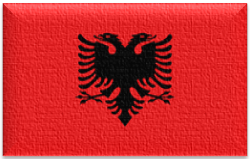
Albania
Entirely Balkan
02
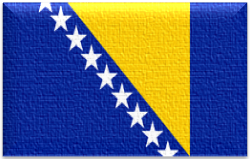
Bosnia and Herzegovina
Entirely Balkan
03
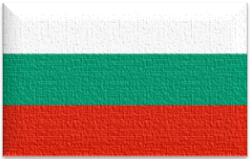
Bulgaria
Entirely Balkan
04
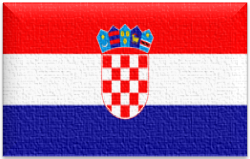
Croatia
Partly or largely Balkan
05
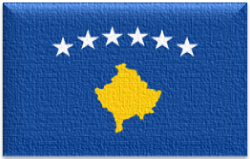
Kosovo
Balkan
06
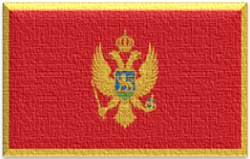
Montenegro
Balkan
07
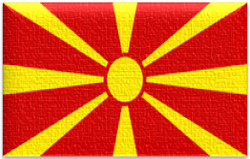
North Macedonia
Balkan
08
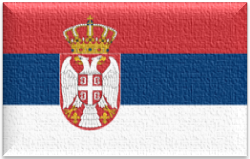
Serbia
Balkan
09
Greece
Entirely or largely Balkan
10
Türkiye
European portion is Balkan
Balkan Countries: Countries in the Balkans, Geography, Population and History
The Balkan countries are the nations located in or partly associated with the Balkan Peninsula in southeastern Europe. The Balkans are one of Europe’s most geographically diverse and historically significant regions, stretching between the Adriatic, Ionian, Aegean, Marmara and Black seas.
The exact list of Balkan countries varies because the Balkans do not have one universally agreed political or geographical boundary. Some countries lie entirely within the region, while others are only partly located in the Balkans. For this reason, lists of Balkan Peninsula countries can differ depending on the geographical or historical definition being used.
The region includes countries such as Albania, Bosnia and Herzegovina, Bulgaria, Croatia, Greece, Kosovo, Montenegro, North Macedonia, Serbia and Slovenia, while Romania and Türkiye are frequently included in broader definitions. Parts of Italy are sometimes associated with the wider Balkan region because of their position across the Adriatic, although Italy is generally not classified as a Balkan country.
What Are the Balkan Countries?
The Balkans are a region of southeastern Europe rather than a single political organization. The term describes a geographical and historical area whose boundaries have been interpreted differently by geographers, historians and political institutions.
The region is characterized by:
- Extensive mountain ranges
- The Adriatic, Ionian, Aegean and Black seas
- The Danube and other major rivers
- Mediterranean and continental climates
- Numerous ethnic and linguistic communities
- Christian, Muslim and Jewish historical traditions
- Greek, Roman, Byzantine and Ottoman influences
- The historical territories of Yugoslavia and other states
The geographical idea of the Balkan Peninsula has long been debated, and Southeast Europe is sometimes used as a broader and less geographically restrictive term.
Balkan Countries List
A commonly used broad list of countries associated with the Balkans is shown below.
| Country | Capital | Common Balkan Classification |
|---|---|---|
| Albania | Tirana | Entirely Balkan |
| Bosnia and Herzegovina | Sarajevo | Entirely Balkan |
| Bulgaria | Sofia | Entirely Balkan |
| Croatia | Zagreb | Partly or largely Balkan |
| Greece | Athens | Entirely or largely Balkan |
| Kosovo | Pristina | Balkan |
| Montenegro | Podgorica | Balkan |
| North Macedonia | Skopje | Balkan |
| Serbia | Belgrade | Balkan |
| Slovenia | Ljubljana | Partly Balkan |
| Romania | Bucharest | Often included in broader definitions |
| Türkiye | Ankara | European portion is Balkan |
| Italy | Rome | Occasionally associated with wider Balkan region |
Because there is no single universally accepted boundary for the Balkans, Romania, Slovenia, Croatia and Türkiye can appear differently in regional classifications.
Balkan Countries by Geography
The Balkans occupy a strategically important position between central Europe, the Mediterranean and the Black Sea.
The region’s geography includes several major physical landscapes:
Balkan Mountains
The Balkan Mountains, particularly in Bulgaria, are one of the region’s best-known mountain systems. They extend broadly across Bulgaria toward Serbia and historically gave their name to the Balkan Peninsula.
Dinaric Alps
The Dinaric mountain system extends along much of the western Balkans, particularly through Slovenia, Croatia, Bosnia and Herzegovina, Montenegro, Serbia and Albania.
The mountains contribute to the spectacular landscapes of the Adriatic coast and interior Balkans.
Pindus Mountains
The Pindus range extends through Greece and Albania and forms an important part of the mountainous landscape of southern Europe.
Carpathian Mountains
The Carpathians extend into Romania and connect the Balkans with the wider mountain systems of central and eastern Europe.
Seas Surrounding the Balkans
The Balkan region is bordered or influenced by several important seas.
Adriatic Sea
The Adriatic separates the Balkan mainland from Italy. Croatia, Montenegro, Albania and Slovenia have Adriatic coastlines.
Ionian Sea
The Ionian Sea lies between southern Italy, Greece and Albania.
Aegean Sea
The Aegean is located between Greece and Türkiye and has played an important role in trade and civilization for thousands of years.
Black Sea
Bulgaria and Romania have coastlines on the Black Sea, while Türkiye controls the Bosporus and Dardanelles, the strategic waterways connecting the Black Sea with the Mediterranean.
Sea of Marmara
The Sea of Marmara lies entirely within Türkiye and connects the Black Sea and Aegean through the Bosporus and Dardanelles.
Balkan Countries and Southeast Europe
The terms Balkans and Southeast Europe overlap but are not always identical.
Southeast Europe is generally a broader geographical concept that can include countries that are not normally considered part of the Balkan Peninsula. The Balkan concept, meanwhile, emphasizes the historical and geographical region south of the Danube and around the major mountain systems of southeastern Europe.
This distinction explains why different sources may give different numbers of Balkan countries.
Western Balkans
The term Western Balkans has a more specific political meaning in European affairs.
The European Union currently uses the Western Balkans designation for:
- Albania
- Bosnia and Herzegovina
- Kosovo
- Montenegro
- North Macedonia
- Serbia
The EU uses a special enlargement process for these Western Balkan partners, known as the Stabilisation and Association Process.
Croatia is geographically and historically associated with the Western Balkans but is now an EU member and is therefore not included in the EU’s current Western Balkans enlargement group. Croatia joined the EU in 2013.
Balkan Countries in the European Union
Several Balkan countries are members of the European Union.
These include:
- Bulgaria
- Croatia
- Greece
- Romania
- Slovenia
The exact geographic definition of the Balkans affects whether all of these countries are counted as Balkan countries, but they are frequently included in broader discussions of Southeast Europe.
The European Union’s official country list identifies Bulgaria, Croatia, Greece, Romania and Slovenia as EU member states.
The Western Balkan countries that remain outside the EU are involved in different stages of the accession process.
Balkan Countries and NATO
NATO membership provides another way to understand the region’s modern geopolitical structure.
Balkan countries that are NATO members include:
- Albania
- Bulgaria
- Croatia
- Greece
- Montenegro
- North Macedonia
- Romania
- Slovenia
- Türkiye
Serbia and Bosnia and Herzegovina are not NATO members.
NATO currently has 32 member countries overall, including Albania, Bulgaria, Croatia, Greece, Montenegro, North Macedonia, Romania, Slovenia and Türkiye.
NATO membership dates in the region have occurred in several waves. Albania and Croatia joined in 2009, Montenegro joined in 2017, and North Macedonia joined in 2020.
Balkan Countries and European Integration
European integration has been one of the major political and economic developments affecting the Balkans since the end of the Cold War.
The EU’s Western Balkan enlargement process currently covers Albania, Bosnia and Herzegovina, Kosovo, Montenegro, North Macedonia and Serbia.
Their relationships with the EU differ considerably in terms of candidate status, negotiations and institutional progress.
This means that the Balkans cannot be treated as a single political bloc. Each country has its own relationship with the European Union, NATO and neighboring states.
History of the Balkan Countries
The Balkans have been inhabited and influenced by numerous civilizations.
Ancient Balkan Civilizations
Ancient Greece developed major civilizations throughout southern parts of the region. Greek colonies and city-states established networks across the Aegean, Adriatic and Black Sea regions.
The ancient Illyrians inhabited areas of the western Balkans, while Thracian peoples lived across parts of present-day Bulgaria, Greece, Romania, Serbia and neighboring territories.
Roman Balkans
The Roman Empire eventually incorporated much of the Balkans.
Important Roman cities and roads connected the region to the rest of the empire. The Balkans also became a major military frontier because of their proximity to territories north of the Danube.
The Roman legacy remains visible through archaeology, architecture, roads and the development of Romance languages in parts of the region.
Byzantine Empire
After the division of the Roman world, the eastern Balkans became closely connected with the Byzantine Empire.
Constantinople, located in present-day Istanbul, became one of the most important cities in the region and the center of the Byzantine political and religious world.
Orthodox Christianity became particularly influential among the peoples of the eastern and southern Balkans.
Slavic Migration
Slavic migrations from the early medieval period significantly transformed the ethnic and linguistic landscape of the Balkans.
Slavic-speaking populations eventually became dominant across large parts of the western, central and eastern Balkans.
This contributed to the emergence of several modern South Slavic languages, including Serbian, Croatian, Bosnian, Montenegrin, Slovenian, Bulgarian and Macedonian.
Ottoman Empire
The Ottoman Empire became one of the most influential powers in Balkan history.
Ottoman expansion into southeastern Europe began in the late medieval period and eventually brought large areas of the Balkans under Ottoman rule.
The empire influenced:
- Architecture
- Food
- Languages
- Administration
- Trade
- Urban development
- Religious communities
- Population movements
Islam became a major religion in parts of the Balkans, particularly in Albania, Bosnia and Herzegovina, Kosovo and parts of Bulgaria, North Macedonia and other areas.
National Movements
During the 19th century, nationalist movements expanded across the Balkans.
Greece achieved independence from the Ottoman Empire in the 19th century, followed by the emergence or expansion of other Balkan states.
Serbia, Bulgaria, Romania, Montenegro and other states developed modern political institutions during this period.
Balkan Wars
The Balkan Wars of 1912–1913 significantly changed the political map of southeastern Europe.
The Ottoman Empire lost much of its remaining European territory, while the Balkan states expanded their territories.
The wars also contributed to population movements and tensions that continued to influence the region.
World War I
The Balkans played an important role in the outbreak and development of World War I.
The assassination of Archduke Franz Ferdinand in Sarajevo in 1914 became the immediate trigger for the diplomatic crisis that preceded the war.
Yugoslavia
After World War I, the Kingdom of Serbs, Croats and Slovenes was established and later became known as Yugoslavia.
After World War II, Yugoslavia became a socialist federal state under Josip Broz Tito.
The federation eventually consisted of six republics:
- Bosnia and Herzegovina
- Croatia
- Macedonia
- Montenegro
- Serbia
- Slovenia
The Socialist Federal Republic of Yugoslavia began to break apart in the early 1990s.
Yugoslav Wars
The dissolution of Yugoslavia resulted in several conflicts during the 1990s.
Major wars and conflicts occurred in:
- Croatia
- Bosnia and Herzegovina
- Kosovo
The conflicts caused extensive displacement, destruction and loss of life and reshaped the political map of the western Balkans.
Balkan Countries After the 1990s
The political geography of the Balkans changed considerably after the breakup of Yugoslavia.
The independent states that emerged from Yugoslavia include:
- Slovenia
- Croatia
- Bosnia and Herzegovina
- North Macedonia
- Serbia
- Montenegro
Kosovo declared independence from Serbia in 2008 and is recognized as independent by many countries, although Serbia does not recognize Kosovo’s independence and some other states also do not recognize it.
Because of these differing positions, Kosovo’s status is handled differently in international and regional contexts.
Languages of the Balkan Countries
The Balkans are one of Europe’s most linguistically diverse regions.
Major languages include:
| Language | Main Balkan Countries |
|---|---|
| Albanian | Albania, Kosovo, North Macedonia |
| Bulgarian | Bulgaria |
| Greek | Greece |
| Macedonian | North Macedonia |
| Serbian | Serbia, Bosnia and Herzegovina, Montenegro, Kosovo |
| Croatian | Croatia, Bosnia and Herzegovina |
| Bosnian | Bosnia and Herzegovina |
| Montenegrin | Montenegro |
| Slovenian | Slovenia |
| Romanian | Romania |
| Turkish | Türkiye, parts of Bulgaria and Greece |
| Romani | Communities across many Balkan countries |
Several Balkan languages belong to the Slavic language family, while Albanian and Greek form separate branches of the Indo-European language family.
Romanian is a Romance language, while Turkish belongs to the Turkic language family.
Religions in the Balkans
The Balkans contain several major religious traditions.
Eastern Orthodox Christianity
Eastern Orthodoxy is historically dominant in countries such as:
- Serbia
- Bulgaria
- Greece
- Montenegro
- North Macedonia
- Romania
Catholic Christianity
Roman Catholicism is particularly important in:
- Croatia
- Slovenia
Catholic communities also exist throughout Bosnia and Herzegovina and other Balkan countries.
Islam
Islam has a long history in the Balkans, particularly because of Ottoman rule.
Large Muslim populations are found in:
- Albania
- Bosnia and Herzegovina
- Kosovo
- North Macedonia
- Bulgaria
- Montenegro
- Serbia
The religious composition varies substantially from one country to another.
Jewish Communities
Jewish communities have existed in Balkan cities for centuries, particularly following the arrival of Sephardic Jews expelled from the Iberian Peninsula in the late 15th century.
Although Jewish populations in the region are relatively small today, Jewish history forms an important part of Balkan cultural heritage.
Balkan Culture
Balkan culture reflects centuries of interaction among different civilizations.
The region’s cultural traditions include influences from:
- Ancient Greece
- Rome
- Byzantium
- Slavic peoples
- Ottoman civilization
- Central Europe
- Mediterranean societies
Balkan Food
Popular foods and culinary traditions include:
- Ćevapi
- Burek
- Sarma
- Moussaka
- Shopska salad
- Baklava
- Grilled meats
- Yogurt-based dishes
- Various breads and pastries
Many dishes have versions across multiple Balkan countries, although their names, preparation methods and cultural associations can differ.
Balkan Music
Music in the Balkans is similarly diverse.
Traditional music can feature:
- Complex rhythms
- String instruments
- Woodwind instruments
- Vocal traditions
- Regional folk dances
Modern Balkan music combines traditional styles with pop, rock, electronic music and other international genres.
Major Balkan Cities
Several important European cities are located in or closely associated with the Balkans.
Istanbul
Istanbul is a transcontinental city in Türkiye. Its European portion is located in the Balkans, while its Asian portion lies in Anatolia.
The city has been known historically as Constantinople and Byzantium and has served as a major political, commercial and cultural center.
Athens
Athens is the capital of Greece and one of Europe’s oldest continuously inhabited urban centers.
It is strongly associated with ancient Greek civilization and the development of Western philosophy, politics and culture.
Belgrade
Belgrade is the capital of Serbia and is located at the confluence of the Danube and Sava rivers.
Its strategic position has made it an important city throughout Balkan history.
Sofia
Sofia is the capital of Bulgaria and lies near the Balkan Mountains.
The city contains archaeological and architectural remains from Roman, Byzantine, Ottoman and modern periods.
Zagreb
Zagreb is the capital of Croatia and an important political and economic center of southeastern Europe.
Sarajevo
Sarajevo is the capital of Bosnia and Herzegovina and one of the most historically diverse cities in the Balkans.
It has Muslim, Orthodox, Catholic and Jewish historical traditions.
Tirana
Tirana is the capital and largest city of Albania and has developed rapidly since the end of communist rule.
Ljubljana
Ljubljana is the capital of Slovenia and lies at the northern edge of the Balkan region under broader geographical definitions.
Balkan Countries by Economic Development
The economies of the Balkans vary substantially.
Some countries are deeply integrated into the European single market, while others are still undergoing economic and institutional transformation.
Important economic sectors across the region include:
- Tourism
- Manufacturing
- Agriculture
- Automotive production
- Information technology
- Energy
- Mining
- Construction
- Financial services
- Transportation
- Trade
The Adriatic coastline makes tourism especially important for Croatia, Montenegro, Albania, Slovenia and Greece.
Tourism in the Balkan Countries
The Balkans contain a wide variety of tourism destinations.
Adriatic Coast
Croatia, Montenegro, Albania and Slovenia offer beaches, islands, historic towns and coastal landscapes.
Greece
Greece is internationally known for its ancient archaeological sites, islands, beaches and Mediterranean culture.
Bosnia and Herzegovina
Sarajevo, Mostar and surrounding mountain areas attract visitors interested in history, architecture and nature.
Serbia
Belgrade, Novi Sad and Serbia’s mountain and river landscapes contribute to its tourism industry.
Bulgaria
Bulgaria combines Black Sea resorts, mountain destinations, historic towns and cultural attractions.
Albania
Albania has both Adriatic and Ionian coastlines and has become increasingly prominent as a Mediterranean tourism destination.
Why Are the Balkans Geographically Important?
The Balkans occupy a crossroads between several major European and Eurasian regions.
Their strategic importance comes from their location between:
- Central Europe
- Eastern Europe
- The Mediterranean
- The Black Sea
- Anatolia
- The Middle East
The region also contains important transportation corridors linking European markets with the Aegean, Black Sea and eastern Mediterranean.
Balkan Peninsula and the Danube
The Danube is one of Europe’s most important rivers and forms part of the northern geographical framework commonly associated with the Balkans.
It flows through or borders several countries in southeastern Europe and connects the region with central and eastern Europe.
The Danube has historically served as:
- A transportation route
- A trade corridor
- A political boundary
- A source of water
- A strategic military frontier
Balkan Mountains and Natural Environment
The Balkans contain highly diverse ecosystems.
The region includes:
- Alpine mountains
- Mediterranean coastlines
- Forests
- River valleys
- Wetlands
- Karst landscapes
- Caves
- Lakes
- Islands
The combination of mountains and seas produces considerable climatic and ecological variation over relatively short distances.
Balkan Countries and the Mediterranean
Southern and western parts of the Balkans are strongly connected to the Mediterranean world.
Greece, Albania, Croatia, Montenegro and Slovenia have extensive connections to the Adriatic, Ionian or Aegean seas.
Mediterranean influences are visible in:
- Architecture
- Agriculture
- Food
- Tourism
- Climate
- Coastal settlement patterns
Balkan Countries and the Black Sea
Bulgaria and Romania have Black Sea coastlines, while Türkiye controls the Bosporus and Dardanelles.
The Black Sea provides connections between southeastern Europe, the Caucasus, Anatolia and eastern Europe.
The region therefore has importance for both European and wider Eurasian trade and transportation.
How Many Balkan Countries Are There?
There is no universally agreed number of Balkan countries.
A narrower geographical definition usually includes countries located primarily within the Balkan Peninsula. A broader definition may also include Romania, Slovenia, Croatia and Türkiye.
For a practical country overview, a commonly used broad list contains around 11–13 countries, depending on how partial territories and disputed geographical boundaries are treated.
This is why different websites and reference works can show different lists without necessarily indicating that one definition is automatically correct.
Balkan Countries at a Glance
| Country | Capital | Region |
|---|---|---|
| Albania | Tirana | Western Balkans |
| Bosnia and Herzegovina | Sarajevo | Western Balkans |
| Bulgaria | Sofia | Eastern Balkans |
| Croatia | Zagreb | Western/Northern Balkans |
| Greece | Athens | Southern Balkans |
| Kosovo | Pristina | Western Balkans |
| Montenegro | Podgorica | Western Balkans |
| North Macedonia | Skopje | Central/Southern Balkans |
| Romania | Bucharest | Southeastern Europe / broader Balkans |
| Serbia | Belgrade | Central/Western Balkans |
| Slovenia | Ljubljana | Northern Balkans / Southeast Europe |
| Türkiye | Ankara | European Balkans and Anatolia |
Key Facts About the Balkan Countries
- The Balkans are located in southeastern Europe.
- There is no single universally accepted geographical boundary for the region.
- Albania, Bosnia and Herzegovina, Bulgaria, Greece, Kosovo, Montenegro, North Macedonia and Serbia are generally associated with the Balkans.
- Croatia and Slovenia are often included in broader Balkan classifications.
- Romania is frequently included in broader definitions of Southeast Europe and the Balkans.
- Türkiye is partly European and partly Asian, with its European territory in the Balkan region.
- The Balkans contain Christian, Muslim and Jewish historical traditions.
- Greek, Roman, Byzantine, Slavic and Ottoman civilizations strongly influenced the region.
- Six modern countries emerged from the breakup of Yugoslavia.
- The EU officially uses the term Western Balkans for Albania, Bosnia and Herzegovina, Kosovo, Montenegro, North Macedonia and Serbia.
- Several Balkan countries are members of NATO, including Albania, Bulgaria, Croatia, Greece, Montenegro, North Macedonia, Romania, Slovenia and Türkiye.
Frequently Asked Questions About Balkan Countries
What are the Balkan countries?
The Balkan countries are countries located wholly or partly within the Balkan region of southeastern Europe. Commonly included countries are Albania, Bosnia and Herzegovina, Bulgaria, Croatia, Greece, Kosovo, Montenegro, North Macedonia, Serbia and Slovenia, with Romania and Türkiye often included in broader definitions.
How many Balkan countries are there?
There is no universally agreed number because the geographical boundaries of the Balkans are debated. Depending on the definition, lists commonly contain around 10 to 13 countries.
Which countries are in the Western Balkans?
The European Union currently identifies Albania, Bosnia and Herzegovina, Kosovo, Montenegro, North Macedonia and Serbia as the Western Balkans.
Is Greece a Balkan country?
Yes. Greece is widely considered part of the Balkans and occupies the southern portion of the Balkan region.
Is Croatia a Balkan country?
Croatia is geographically and historically associated with the Balkans, although its classification can vary depending on whether the definition emphasizes geography, history or political regions.
Is Romania a Balkan country?
Romania is often included in broader definitions of the Balkans or Southeast Europe, although not every geographical definition places the entire country within the Balkan Peninsula.
Is Türkiye a Balkan country?
Türkiye is a transcontinental country. Its European territory, known as Eastern Thrace, lies in the Balkan region, while most of its territory is in Anatolia.
Is Kosovo a Balkan country?
Yes. Kosovo is generally considered part of the Balkans and is included by the European Union within its Western Balkans framework.
Which Balkan countries are in the EU?
Countries commonly associated with the Balkans that are EU members include Bulgaria, Croatia, Greece, Romania and Slovenia. The exact list depends on the geographical definition being used.
Which Balkan countries are in NATO?
Albania, Bulgaria, Croatia, Greece, Montenegro, North Macedonia, Romania, Slovenia and Türkiye are NATO members.
What languages are spoken in the Balkans?
Major languages include Albanian, Bulgarian, Bosnian, Croatian, Greek, Macedonian, Montenegrin, Romanian, Serbian, Slovenian and Turkish.
What religions are practiced in the Balkans?
The region has large Orthodox Christian, Catholic and Muslim populations, together with smaller Jewish communities and people with other religious or non-religious identities.
Why are the Balkans historically important?
The Balkans sit at a crossroads between Europe, the Mediterranean, Anatolia and the Black Sea. The region has therefore been influenced by ancient Greek, Roman, Byzantine, Slavic and Ottoman civilizations.
What was Yugoslavia?
Yugoslavia was a former multinational state in southeastern Europe. Its socialist federation consisted of six republics: Slovenia, Croatia, Bosnia and Herzegovina, Serbia, Montenegro and Macedonia.
Why is the Balkan region so diverse?
The Balkans have experienced thousands of years of migration, trade, imperial rule, religious exchange and political change. Its location between several major cultural regions contributed to its linguistic, religious and cultural diversity.