
How Many Buddhist Countries In The World
Buddhist Population Percentage In The World
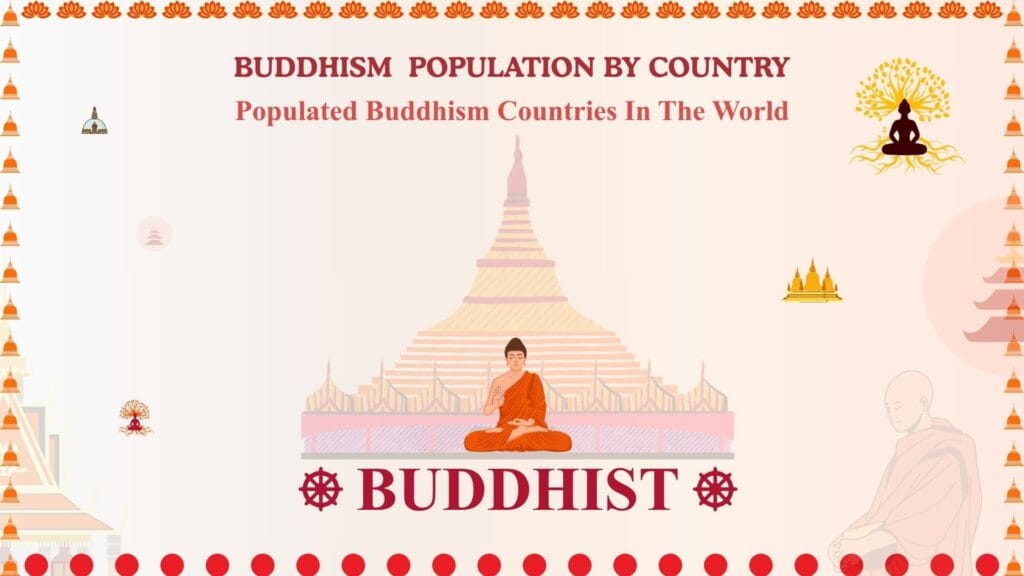
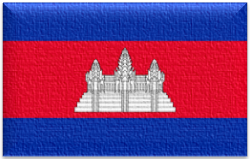
Cambodia
97.07%
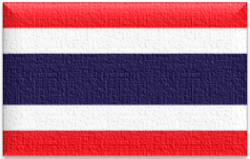
Thailand
94.39%

Myanmar
89.04%

Bhutan
75.32%

Sri Lanka
69.59%
Buddhist Countries In The World Map
Top 10 Countries With Highest Buddhist Population
| S no. | Country | Percentage | Buddhists | Total |
|---|---|---|---|---|
| 1 | Cambodia | 97.07 | 16,240,000 | 16,730,000 |
| 2 | Thailand | 94.39 | 67,620,000 | 71,640,000 |
| 3 | Myanmar | 89.04 | 47,210,000 | 53,020,000 |
| 4 | Bhutan | 75.32 | 580,000 | 770,000 |
| 5 | Sri Lanka | 69.59 | 15,700,000 | 22,560,000 |
| 6 | Laos | 64.08 | 4,710,000 | 7,350,000 |
| 7 | Mongolia | 51.06 | 1,680,000 | 3,290,000 |
| 8 | Japan | 37.21 | 46,990,000 | 126,300,000 |
| 9 | Singapore | 30.78 | 1,730,000 | 5,620,000 |
| 10 | Vietnam | 23.02 | 22,580,000 | 98,080,000 |
| 11 | Taiwan | 19.19 | 4,540,000 | 23,660,000 |
| 12 | Macao | 19.12 | 130,000 | 680,000 |
| 13 | South Korea | 18.99 | 9,850,000 | 51,860,000 |
| 14 | Malaysia | 18.88 | 6,400,000 | 33,890,000 |
| 15 | Hong Kong | 8.41 | 630,000 | 7,490,000 |
| 16 | Nepal | 8.22 | 2,380,000 | 28,970,000 |
| 17 | Brunei | 6.67 | 30,000 | 450,000 |
| 18 | China | 3.74 | 53,380,000 | 1,426,110,000 |
| 19 | Australia | 2.60 | 670,000 | 25,740,000 |
| 20 | Canada | 1.73 | 660,000 | 38,170,000 |
| 21 | North Korea | 1.53 | 400,000 | 26,140,000 |
| 22 | United States | 1.29 | 4,380,000 | 339,440,000 |
| 23 | New Zealand | 1.18 | 60,000 | 5,070,000 |
| 24 | Sweden | 0.87 | 90,000 | 10,350,000 |
| 25 | Norway | 0.74 | 40,000 | 5,380,000 |
| 26 | France | 0.71 | 470,000 | 65,910,000 |
| 27 | Denmark | 0.69 | 40,000 | 5,830,000 |
| 28 | India | 0.68 | 9,550,000 | 1,402,620,000 |
| 29 | Indonesia | 0.68 | 1,860,000 | 274,810,000 |
| 30 | Italy | 0.62 | 370,000 | 59,910,000 |
| 31 | Bangladesh | 0.61 | 1,010,000 | 166,300,000 |
| 32 | Switzerland | 0.58 | 50,000 | 8,640,000 |
| 33 | United Kingdom | 0.46 | 310,000 | 67,350,000 |
| 34 | Finland | 0.36 | 20,000 | 5,530,000 |
| 35 | Russia | 0.36 | 520,000 | 146,370,000 |
| 36 | Germany | 0.35 | 290,000 | 83,630,000 |
| 37 | Austria | 0.34 | 30,000 | 8,920,000 |
| 38 | Ukraine | 0.34 | 150,000 | 44,680,000 |
| 39 | Libya | 0.28 | 20,000 | 7,050,000 |
| 40 | Netherlands | 0.28 | 50,000 | 17,640,000 |
| 41 | United Arab Emirates | 0.21 | 20,000 | 9,450,000 |
| 42 | Hungary | 0.21 | 20,000 | 9,750,000 |
| 43 | Portugal | 0.19 | 20,000 | 10,370,000 |
| 44 | Belgium | 0.17 | 20,000 | 11,540,000 |
| 45 | Brazil | 0.11 | 220,000 | 208,660,000 |
| 46 | Kazakhstan | 0.10 | 20,000 | 19,480,000 |
| 47 | Guinea | 0.07 | 10,000 | 13,370,000 |
| 48 | Saudi Arabia | 0.06 | 20,000 | 30,990,000 |
| 49 | Turkey | 0.06 | 50,000 | 86,090,000 |
| 50 | Philippines | 0.04 | 40,000 | 112,080,000 |
| 51 | South Africa | 0.03 | 20,000 | 60,560,000 |
| 52 | Peru | 0.03 | 10,000 | 32,840,000 |
| 53 | Argentina | 0.02 | 10,000 | 45,190,000 |
| 54 | Mexico | 0.02 | 20,000 | 126,800,000 |
| 55 | Pakistan | 0.01 | 20,000 | 235,000,000 |
| Sources: | Pewresearch | Religious Composition Buddhist Population | |||
Countries With Highest Buddhist Population
Thailand
67,620,000

China
53,380,000
Myanmar
47,210,000
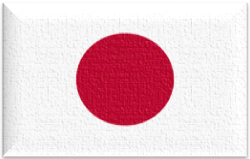
Japan
46,990,000

vietnam
22,580,000
Buddhist Population by Country: Global Distribution of the Buddhist Population
Buddhist Population by Country provides valuable insight into the worldwide presence of one of the world’s oldest and most influential religions. With hundreds of millions of followers across Asia and growing communities in other regions, Buddhism has shaped cultures, philosophies, traditions, and societies for more than two millennia.
The study of Buddhist Population by Country helps researchers, students, and religious scholars understand demographic trends, cultural influence, historical development, and the global spread of Buddhism. While Buddhism originated in ancient India, it later expanded throughout Asia and eventually reached every inhabited continent.
What Is Buddhism?
Buddhism is a major world religion and philosophical tradition founded by Gautama Buddha, commonly known as the Buddha, during the 5th or 6th century BCE.
The religion focuses on spiritual development, wisdom, compassion, mindfulness, and the path toward enlightenment. Buddhist teachings are based on principles such as:
- The Four Noble Truths
- The Noble Eightfold Path
- Karma
- Rebirth
- Compassion
- Meditation
Today, Buddhism is practiced by millions of people worldwide and remains one of the largest religions on Earth.
Buddhist Population by Country: Global Overview
The Buddhist Population by Country distribution is concentrated primarily in Asia, where Buddhism has been practiced for centuries. Several countries have large Buddhist majorities, while others maintain significant Buddhist minority populations.
Buddhist communities can be found throughout:
- East Asia
- Southeast Asia
- South Asia
- North America
- Europe
- Oceania
- Latin America
The global spread of Buddhism reflects centuries of cultural exchange, trade, migration, and religious development.
Countries with the Largest Buddhist Populations
When examining Buddhist Population by Country, several nations stand out due to their large numbers of Buddhist followers.
China
China is widely considered home to the largest Buddhist population in the world, with millions of people identifying with Buddhist traditions and practices.
Thailand
Thailand has one of the highest percentages of Buddhists globally, and Buddhism plays a central role in national culture and society.
Japan
Japan has a long Buddhist history, with numerous schools and traditions practiced throughout the country.
Myanmar
Myanmar is among the world’s most Buddhist-majority countries, where Buddhism significantly influences daily life and cultural traditions.
Vietnam
Vietnam has a substantial Buddhist population and a rich history of Buddhist teachings and institutions.
Sri Lanka
Sri Lanka is one of the most important centers of Theravada Buddhism and has preserved Buddhist traditions for centuries.
Major Branches of Buddhism
The Buddhist Population by Country varies according to different Buddhist traditions.
Theravada Buddhism
Predominant in countries such as:
- Thailand
- Myanmar
- Sri Lanka
- Cambodia
- Laos
Mahayana Buddhism
Common in:
- China
- Japan
- South Korea
- Vietnam
Vajrayana Buddhism
Practiced primarily in:
- Tibet
- Mongolia
- Bhutan
- Himalayan regions
These traditions share core teachings while maintaining distinct practices and interpretations.
Why Asia Dominates Buddhist Population by Country Rankings
Asia remains the center of global Buddhism for several reasons.
Historical Origins
Buddhism originated in ancient India before spreading throughout Asia.
Cultural Influence
Many Asian civilizations incorporated Buddhist philosophy into their social and cultural development.
Religious Heritage
Ancient temples, monasteries, and sacred sites helped preserve Buddhist traditions for generations.
Population Size
Several highly populated Asian countries contain large Buddhist communities.
Factors Influencing Buddhist Population by Country
Several factors have shaped the modern distribution of Buddhists worldwide.
Historical Expansion
Trade routes and missionary activities helped spread Buddhism across Asia.
Migration
Modern migration has established Buddhist communities in Europe, North America, and Oceania.
Cultural Exchange
Global interest in meditation, mindfulness, and Buddhist philosophy has increased awareness of Buddhism worldwide.
Religious Freedom
Countries that support religious diversity often experience growth in Buddhist communities.
Buddhist Population by Country and Cultural Influence
The Buddhist Population by Country extends beyond religious affiliation and influences many aspects of society.
Architecture
Buddhist temples, monasteries, and monuments are among the world’s most recognizable religious structures.
Art and Literature
Buddhist teachings have inspired artistic and literary traditions across multiple civilizations.
Festivals
Many countries celebrate Buddhist holidays and cultural events throughout the year.
Education and Philosophy
Buddhist concepts continue to influence education, ethics, and philosophical thought.
Global Growth of Buddhism
Although Asia remains the primary center of Buddhism, the religion has expanded internationally.
Buddhist communities have grown in:
- United States
- Canada
- Australia
- United Kingdom
- France
- Germany
- New Zealand
This expansion reflects increasing global interest in Buddhist teachings and practices.
Why People Search for Buddhist Population by Country
Interest in Buddhist Population by Country comes from:
- Students
- Researchers
- Religious scholars
- Demographers
- Travelers
- Cultural organizations
- Geography enthusiasts
Population statistics provide valuable information about the global reach and influence of Buddhism.
Benefits of Studying Buddhist Population by Country
A detailed Buddhist Population by Country guide helps readers:
- Understand global religious demographics
- Explore cultural diversity
- Study migration patterns
- Examine historical development
- Learn about Buddhist traditions
- Support educational and research projects
Conclusion
Buddhist Population by Country highlights the remarkable global presence of Buddhism and its enduring influence on human civilization. While Asia remains the heartland of Buddhist practice, growing communities around the world demonstrate the religion’s continuing relevance and appeal. Understanding Buddhist Population by Country provides valuable insight into religious demographics, cultural heritage, and the worldwide impact of one of humanity’s most significant spiritual traditions.
Frequently Asked Questions (FAQs)
What is Buddhist Population by Country?
Buddhist Population by Country refers to the number and distribution of Buddhists living in different countries around the world.
Which country has the largest Buddhist population?
China is generally considered to have the largest Buddhist population in the world.
Where is Buddhism most commonly practiced?
Buddhism is most commonly practiced throughout East Asia, Southeast Asia, and parts of South Asia.
Who founded Buddhism?
Buddhism was founded by Gautama Buddha in ancient India.
What are the main branches of Buddhism?
The three major branches are Theravada Buddhism, Mahayana Buddhism, and Vajrayana Buddhism.
Why is Buddhism important in Asia?
Buddhism has influenced Asian cultures, philosophies, education, art, architecture, and social traditions for centuries.
Are Buddhist populations growing outside Asia?
Yes. Buddhist communities have expanded in North America, Europe, and Oceania through migration and increasing interest in Buddhist teachings.
Why study Buddhist Population by Country?
Studying Buddhist Population by Country helps researchers understand religious demographics, cultural influence, migration patterns, and global religious diversity.