
Ghaznavid Empire Founded In Which Country Or Country Of Origin
Ghaznavid Empire Historical And modern Day And Flags
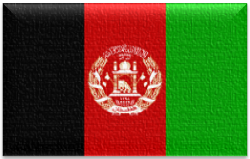
The top 5 modern countries that were part of the Ghaznavid Empire
01
Iran 72.8% Area It's Around: 1,200,000 km² Was The Part Of Ghaznavid Empire
Iran
02
Pakistan 90.5% Area It's Around: 796,095 km² Was The Part Of Ghaznavid Empire
Pakistan
03
Afghanistan 100% Area It's Around: 652,860 km² Was The Part Of Ghaznavid Empire
Afghanistan
04
Turkmenistan 86.0% Area It's Around: 420,000 km² Was The Part Of Ghaznavid Empire
Turkmenistan
05
Uzbekistan 33.5% Area It's Around: 150,000 km² Was The Part Of Ghaznavid Empire
Uzbekistan
Modern Countries That Were Part of the Ghaznavid Empire
The Territorial Reach of the Ghaznavid Empire in Modern Terms
The current sovereign nations whose areas were significantly or fully under the control of the Ghaznavid Empire
From Sultans to Sovereignty: Tracking the Ghaznavid Empire’s Peak and Last Century
Ghaznavid Empire History And Battles
The Ghaznavid Empire was a powerful Persianate Muslim empire that ruled large parts of Central Asia, Afghanistan, Iran and the Indian subcontinent between the late 10th and 12th centuries. Founded by the Turkic military dynasty of the Ghaznavids, the empire became one of the most important political powers of the medieval Islamic world.
The Ghaznavids rose from the military and administrative structures of the Samanid Empire. Their founder, Sebüktigin, was a Turkic slave soldier who rose to become the ruler of Ghazna. His son, Mahmud of Ghazni, transformed the Ghaznavid state into a major empire through extensive military campaigns across Iran, Central Asia and northern India.
The empire reached its greatest power under Sultan Mahmud of Ghazni, who ruled from 998 to 1030. His campaigns into the Indian subcontinent made him one of the best-known rulers of medieval South Asian history, while his conquest of Khurasan brought the Ghaznavids into direct competition with other major powers, especially the Seljuks.
The Ghaznavid court was also an important center of Persian literature, scholarship and culture. The famous Persian poet Ferdowsi, author of the Shahnameh, was associated with the Ghaznavid period, while the polymath Al-Biruni spent part of his career at Mahmud’s court and later produced important works on India.
Despite its military successes, the empire eventually suffered from succession disputes, military defeats, pressure from the Seljuks and the rise of the Ghurids. The Ghaznavids lost most of their western territories and eventually survived mainly in eastern Afghanistan and Punjab before their final defeat by the Ghurids in 1186.
Ghaznavid Empire at a Glance
| Feature | Details |
|---|---|
| Empire | Ghaznavid Empire |
| Dynasty | Ghaznavid dynasty |
| Founded | c. 977 |
| Founder | Sebüktigin |
| Country/region of origin | Ghazna, in present-day Afghanistan |
| Earlier political background | Samanid Empire |
| Main capital | Ghazni |
| Later capital | Lahore |
| Main religion | Sunni Islam |
| Ruling dynasty | Turkic |
| Administrative culture | Persianate |
| Major languages | Persian and Turkic, with Arabic used in scholarship and religion |
| Greatest ruler | Mahmud of Ghazni |
| Major rival | Seljuk Empire |
| Other rivals | Samanids, Karakhanids, Ghurids and Indian kingdoms |
| Greatest expansion | Under Mahmud of Ghazni |
| Major region conquered | Khorasan and northwestern Indian subcontinent |
| Golden age | Mainly the reign of Mahmud |
| Major defeat | Battle of Dandanaqan, 1040 |
| Final capital | Lahore |
| Final end | 1186 |
| Final conquerors | Ghurids |
Who Were the Ghaznavids?
The Ghaznavids were a dynasty of predominantly Turkic military origin that established a powerful state centered on Ghazni.
Although their ruling family was Turkic in origin, the empire became deeply influenced by Persian language, literature, administration and court culture.
This combination of Turkic military traditions and Persian political culture became an important characteristic of several later Muslim dynasties in the region.
Country of Origin of the Ghaznavids
The Ghaznavid state originated in Ghazni, a strategically important city in present-day Afghanistan.
The dynasty’s deeper origins, however, were connected to the Turkic military slave system of the Samanid Empire in Central Asia.
Therefore, the Ghaznavids can best be described as a Turkic-origin dynasty that established its political base in Ghazni and developed a Persianate Islamic state.
Ghazni
Ghazni became the political heart of the empire.
Located in present-day Afghanistan, the city occupied an important position between:
- Central Asia
- Khorasan
- Iran
- Afghanistan
- The Indian subcontinent
Its strategic location allowed the Ghaznavids to conduct military campaigns in several directions.
Under Mahmud, Ghazni became a major center of architecture, literature, scholarship and political power.
The Samanid Background
The Ghaznavids emerged from the Samanid Empire, which ruled much of Transoxiana and Khorasan.
The Samanids were one of the most important Persianate Muslim dynasties of the 9th and 10th centuries.
They developed a sophisticated Persian-speaking administrative and cultural environment.
Turkic military slaves, known as ghilman or mamluks, played an increasingly important role in the Samanid military.
Sebüktigin rose through this military system.
Sebüktigin
Sebüktigin was the founder of the Ghaznavid dynasty.
He was originally a Turkic military slave who rose through the ranks under the Samanids.
He eventually became governor of Ghazni.
Through military expansion and political alliances, Sebüktigin transformed Ghazni into the center of an increasingly independent state.
Sebüktigin’s Expansion
Sebüktigin expanded Ghaznavid authority into parts of present-day Afghanistan and eastern Iran.
He also fought against Jayapala, the Hindu Shahi ruler of the Punjab region.
These early campaigns established the military foundations for the much larger conquests later carried out by his son Mahmud.
Jayapala and the Hindu Shahi Kingdom
The Hindu Shahi dynasty was one of the major powers in the northwestern Indian subcontinent during the rise of the Ghaznavids.
Jayapala fought both Sebüktigin and Mahmud.
The conflict between the Ghaznavids and the Hindu Shahis became an important part of the early Ghaznavid expansion into the Punjab and surrounding regions.
Mahmud of Ghazni
Mahmud of Ghazni succeeded his father in 998.
He became the most powerful Ghaznavid ruler and transformed the kingdom of Ghazni into a major empire.
His reign lasted until 1030.
Mahmud conducted military campaigns in:
- Khorasan
- Khwarazm
- Transoxiana
- Afghanistan
- Punjab
- Sindh
- Northern India
- Northwestern Indian kingdoms
Mahmud’s Rise to Power
Mahmud initially had to secure his position against rivals within the Ghaznavid and Samanid political system.
After establishing himself as ruler, he moved rapidly to expand the empire.
His first major objective was to consolidate control over the territories surrounding Ghazni.
He then turned toward Khorasan and India.
Mahmud and the Abbasid Caliphate
Mahmud sought recognition from the Abbasid caliph in Baghdad.
The caliph recognized him as a legitimate Muslim ruler and granted him prestigious titles.
This relationship strengthened Mahmud’s political legitimacy within the Sunni Muslim world.
Mahmud presented himself as a defender of Sunni Islam and used religious as well as political arguments to justify some of his campaigns.
Ghaznavid Expansion into Khorasan
Mahmud expanded westward into Khorasan, one of the most important regions of the medieval Islamic world.
Khorasan contained major cities such as:
- Nishapur
- Herat
- Merv
- Balkh
Controlling Khorasan gave the Ghaznavids access to important agricultural, commercial and cultural centers.
Ghaznavid Empire at Its Height
During Mahmud’s reign, the empire stretched across a huge area.
At its greatest extent, Ghaznavid authority covered territories corresponding to parts of:
- Afghanistan
- Iran
- Pakistan
- India
- Turkmenistan
- Uzbekistan
- Tajikistan
The exact borders changed over time, and not all territories were governed with the same degree of direct control.
Ghaznavid Empire Map and Territory
The empire’s core was located around Ghazni and eastern Afghanistan.
From there, Ghaznavid power expanded:
Central Asia → Khorasan → Afghanistan → Punjab → Northern India
The western part of the empire eventually became the main battlefield between the Ghaznavids and Seljuks.
The eastern territories remained the Ghaznavids’ strongest base after the loss of Khorasan.
Mahmud’s Campaigns in India
Mahmud conducted numerous military expeditions into the Indian subcontinent.
These campaigns targeted wealthy and strategically important kingdoms and religious centers.
The campaigns brought enormous wealth back to Ghazni and strengthened the financial position of the Ghaznavid state.
They also established lasting Ghaznavid influence in Punjab and northwestern India.
Why Did Mahmud Campaign in India?
Mahmud’s Indian campaigns had several motivations.
These included:
- Expansion of political power
- Acquisition of wealth
- Strengthening the Ghaznavid military
- Control of strategic territories
- Religious motivations
- Political prestige
It is therefore too simplistic to describe all of Mahmud’s campaigns as having only one motivation.
Medieval rulers commonly combined political, economic and religious objectives in warfare.
Mahmud and the Somnath Campaign
One of Mahmud’s most famous campaigns occurred in 1025–1026, when he attacked the temple at Somnath in Gujarat.
The campaign became famous in later Islamic and Indian historical traditions.
The episode has been interpreted differently by historians over time, particularly concerning the relative importance of religious motivation, political prestige and the acquisition of wealth.
Ghaznavid Control of Punjab
The Punjab became one of the most important permanent areas of Ghaznavid rule in South Asia.
Unlike many of Mahmud’s deeper raids, the Punjab developed into a lasting part of the Ghaznavid political system.
Lahore eventually became the most important Ghaznavid center in the Indian territories.
Lahore Under the Ghaznavids
Lahore became increasingly important during the later Ghaznavid period.
After the loss of their western territories, the Ghaznavids shifted their political focus toward the east.
Lahore eventually became the capital of the remaining Ghaznavid state.
The city later became one of the most important centers of Persianate Muslim culture in South Asia.
Mahmud’s Central Asian Campaigns
Mahmud also intervened in Central Asian politics.
He fought against the Karakhanids and other regional powers.
His campaigns helped secure the northern and eastern frontiers of the empire.
However, controlling Central Asian territories permanently proved difficult.
Mahmud and Khwarazm
Mahmud expanded Ghaznavid influence into Khwarazm.
The region was strategically important because it connected Khorasan with Central Asia.
Ghaznavid control there was relatively short-lived, but it demonstrated the scale of Mahmud’s ambitions.
The Ghaznavid Golden Age
The reign of Mahmud of Ghazni is generally regarded as the golden age of the Ghaznavid Empire.
The empire experienced:
- Major territorial expansion
- Military success
- Growth of Ghazni
- Persian literary development
- Architectural construction
- Scholarly activity
- Expansion of trade
- Increased political prestige
Ghazni became one of the most prominent courts of the eastern Islamic world.
Ghazni as a Cultural Center
Mahmud invested heavily in his capital.
Ghazni became known for:
- Palaces
- Mosques
- Gardens
- Libraries
- Scholars
- Poets
- Historians
- Artisans
The wealth obtained through military expansion helped finance these developments.
Ferdowsi and the Ghaznavid Court
The famous Persian poet Ferdowsi, author of the Shahnameh, lived during the Ghaznavid period.
Later traditions associate his relationship with Sultan Mahmud with controversy over patronage and payment.
The exact details of the relationship are debated, but the episode reflects the importance of Persian literature at the Ghaznavid court.
Al-Biruni
Abu Rayhan al-Biruni was one of the greatest scholars associated with the Ghaznavid period.
He was a polymath whose work covered:
- Astronomy
- Mathematics
- Geography
- History
- Anthropology
- Philosophy
- Medicine
Al-Biruni spent part of his career under Mahmud and accompanied Ghaznavid campaigns into the Indian subcontinent.
His famous work Kitab al-Hind provided an extensive study of Indian society, religion, philosophy, science and customs.
Ghaznavid Persian Culture
The Ghaznavid court played a major role in the development of Persian literary culture.
Persian became an important language of:
- Administration
- Literature
- Court life
- Historical writing
- Scholarship
This Persianate political culture later influenced the Seljuks, Ghurids, Delhi Sultanate and many other Muslim states.
Ghaznavid Architecture
The Ghaznavids developed an architectural tradition combining:
- Islamic design
- Persian artistic traditions
- Central Asian influences
- Monumental brick construction
Important remains associated with the period include the Minaret of Jam from the later Ghurid period, while the Minaret of Mas’ud III and archaeological remains at Ghazni provide evidence of Ghaznavid architectural achievement.
Ghaznavid Military
The Ghaznavid army was a powerful multi-ethnic military force.
It included:
- Turkic cavalry
- Slave soldiers
- Infantry
- Local Afghan forces
- Persian troops
- Auxiliary forces
- Siege units
Heavy cavalry played an especially important role in Ghaznavid warfare.
Ghaznavid Cavalry
Mounted troops gave the Ghaznavids considerable mobility.
The empire’s campaigns across Afghanistan, Iran and India required armies capable of operating over enormous distances.
The military relied on horses, archery, armored cavalry and organized logistical support.
Ghaznavid Administration
The Ghaznavid government inherited many practices from the Samanids.
The administration was heavily influenced by Persian bureaucratic traditions.
Important officials managed:
- Taxation
- Finance
- Military affairs
- Provincial government
- Diplomacy
- Royal correspondence
The empire therefore combined Turkic military leadership with Persian bureaucratic expertise.
Ghaznavid Economy
The empire benefited from several major economic sources.
These included:
- Agricultural taxation
- Trade
- Tribute
- Military campaigns
- Provincial revenues
- Control of commercial routes
The wealth obtained from northern India played an important role in financing Mahmud’s court and military.
Trade Routes
The Ghaznavid Empire occupied an important position between several major economic regions.
Trade connected:
- Central Asia
- Iran
- Afghanistan
- India
- The Islamic world
Ghazni and later Lahore benefited from their location along these commercial networks.
Mahmud’s Death
Mahmud died in 1030.
His death created a major succession crisis.
His son Mas’ud I eventually became ruler.
The new sultan inherited a huge empire but also faced serious military challenges.
Mas’ud I
Mas’ud I ruled from 1030 to 1040.
He attempted to maintain his father’s empire.
However, he faced growing pressure from the Seljuks, who were expanding rapidly in Khorasan.
The struggle between the Ghaznavids and Seljuks became the decisive conflict of the empire’s western history.
Battle of Dandanaqan — 1040
The Battle of Dandanaqan was one of the most important battles in Ghaznavid history.
It was fought in 1040 between the Ghaznavid army under Sultan Mas’ud I and the rising Seljuk Turks.
The Seljuks won a decisive victory.
Why Was Dandanaqan Important?
The defeat destroyed Ghaznavid control over most of Khorasan.
The Seljuks became the dominant power in the region.
The Ghaznavids were forced to retreat toward their eastern territories.
Dandanaqan therefore marked the beginning of the major decline of Ghaznavid power in Iran and Central Asia.
Ghaznavids and Seljuks
The Ghaznavids and Seljuks were both Turkic-origin dynasties operating within a Persianate Islamic political environment.
However, they competed fiercely for control of Khorasan.
The Seljuk victory at Dandanaqan shifted the balance of power decisively toward the Seljuks.
After Dandanaqan
After losing Khorasan, the Ghaznavids retained control over:
- Afghanistan
- Ghazni
- Eastern territories
- Punjab
- Parts of northern India
- The empire became increasingly focused on South and Central Asian territories.
Mas’ud’s Fall
After the defeat at Dandanaqan, Mas’ud’s position weakened dramatically.
His own troops eventually turned against him.
He was deposed and later killed in 1040.
The Ghaznavid state entered a period of political instability.
Later Ghaznavid Rulers
Several rulers followed Mas’ud.
Among the more important were:
- Muhammad
- Mawdud
- Mas’ud II
- Abd al-Rashid
- Ibrahim
- Mas’ud III
- Bahram Shah
- Khusrau Shah
- Khusrau Malik
The later rulers were generally unable to restore the empire to Mahmud’s former size.
Sultan Ibrahim
Ibrahim of Ghazni ruled from 1059 to 1099.
His long reign brought a period of relative stability.
He focused on consolidating the remaining Ghaznavid territories rather than attempting to rebuild Mahmud’s enormous empire.
Ghaznavids and the Seljuk Empire
Although the Ghaznavids lost Khorasan, they continued to interact with the Seljuks.
The Seljuks became the dominant power across Iran and much of the eastern Islamic world.
The Ghaznavids remained a significant regional power in Afghanistan and Punjab.
Bahram Shah
Bahram Shah ruled from 1117 to 1157.
His reign witnessed increasing pressure from the Ghurids.
The Ghurids were based in the mountainous regions of central Afghanistan and gradually expanded at the expense of the Ghaznavids.
Ghurid Rise
The rise of the Ghurid dynasty was one of the main causes of the final Ghaznavid decline.
The Ghurids captured important Ghaznavid territories and eventually attacked Ghazni itself.
The city suffered severe destruction during the Ghurid conquest.
Ghazni Destroyed
Ghazni was attacked and devastated by the Ghurids during the 12th century.
The destruction of the city was a major symbolic and political blow to the dynasty that had made Ghazni one of the most prestigious capitals of the medieval Islamic world.
The Ghaznavids subsequently relied increasingly on Lahore.
Shift from Ghazni to Lahore
As the Ghurids expanded in Afghanistan, the Ghaznavids moved their political center eastward.
Lahore became the capital of the remaining Ghaznavid state.
This marked a major transformation in the dynasty’s political geography.
The Ghaznavids were no longer a major Iranian-Afghan empire but a regional power centered on Punjab.
Khusrau Malik
Khusrau Malik was the final Ghaznavid ruler.
He ruled from 1160 to 1186.
During his reign, the Ghurids continued their expansion.
The Ghaznavids were increasingly surrounded by stronger rivals.
Fall of the Ghaznavid Empire
In 1186, the Ghurid ruler Muhammad Ghori captured Lahore and ended the Ghaznavid dynasty.
Khusrau Malik was defeated and later killed.
This marked the final end of Ghaznavid rule.
Who Defeated the Ghaznavid Empire?
The Ghurids, led by Muhammad Ghori, defeated the remaining Ghaznavid state.
The decisive conquest occurred in 1186, when Lahore fell.
The Ghaznavids had already lost most of their original territory before this final defeat.
Why Did the Ghaznavid Empire Fall?
The decline of the Ghaznavids resulted from several factors.
Seljuk Expansion
The Seljuks destroyed Ghaznavid dominance in Khorasan.
Succession Struggles
Internal disputes weakened the dynasty after powerful rulers died.
Military Pressure
The empire faced powerful rivals on several fronts.
Loss of Khorasan
The defeat at Dandanaqan deprived the Ghaznavids of one of their richest and most important regions.
Ghurid Expansion
The Ghurids gradually conquered the Ghaznavid territories in Afghanistan.
Political Fragmentation
The later Ghaznavid rulers controlled a much smaller state than Mahmud had inherited.
Dependence on Lahore
The final Ghaznavid state became geographically concentrated in Punjab and was increasingly vulnerable to Ghurid expansion.
Ghaznavid Empire Rise and Fall
The history of the empire can be summarized in five stages:
Samanid military system → Sebüktigin establishes Ghaznavid power → Mahmud creates a vast empire → Seljuk victory at Dandanaqan causes western collapse → Ghurid conquest ends the dynasty in 1186.
Ghaznavid Empire Timeline
| Year | Event |
|---|---|
| 10th century | Sebüktigin rises within the Samanid military system |
| c. 977 | Sebüktigin becomes ruler of Ghazni |
| 997 | Sebüktigin dies |
| 998 | Mahmud becomes ruler |
| 1001 | Mahmud defeats Jayapala |
| Early 11th century | Ghaznavid expansion across Afghanistan, Khorasan and India |
| 1025–1026 | Mahmud campaigns against Somnath |
| 1030 | Mahmud dies |
| 1030 | Mas’ud I succeeds him |
| 1040 | Battle of Dandanaqan; Seljuk victory |
| 1040 | Ghaznavids lose most of Khorasan |
| 1059 | Ibrahim becomes sultan |
| 11th century | Ghaznavid influence increasingly centered on Afghanistan and Punjab |
| 1117 | Bahram Shah becomes ruler |
| 12th century | Ghurid pressure increases |
| c. 1150s | Ghazni suffers major destruction during Ghurid conflict |
| 1160 | Khusrau Malik becomes ruler |
| 1186 | Lahore falls to Muhammad Ghori |
| 1186 | End of Ghaznavid dynasty |
Ghaznavid Empire Rulers
| Ruler | Reign | Major Significance |
|---|---|---|
| Sebüktigin | c. 977–997 | Founder of Ghaznavid power |
| Ismail | 997–998 | Brief reign |
| Mahmud of Ghazni | 998–1030 | Greatest ruler and imperial expansion |
| Mas’ud I | 1030–1040 | Lost Khorasan after Dandanaqan |
| Muhammad | 1040 | Brief reign |
| Mawdud | 1041–1050 | Consolidated remaining territories |
| Mas’ud II | 1050 | Short reign |
| Ali | 1050–1051 | Short reign |
| Abd al-Rashid | 1051–1059 | Continued Ghaznavid rule |
| Farrokhzad | 1059 | Brief reign |
| Ibrahim | 1059–1099 | Long period of relative stability |
| Mas’ud III | 1099–1115 | Continued Ghaznavid rule |
| Shirzad | 1115–1116 | Short reign |
| Arslan-Shah | 1116–1117 | Short reign |
| Bahram Shah | 1117–1157 | Faced increasing Ghurid pressure |
| Khusrau Shah | 1157–1160 | Ghaznavid power contracted |
| Khusrau Malik | 1160–1186 | Last Ghaznavid ruler |
Major Ghaznavid Battles and Campaigns
| Battle/Campaign | Date | Opponent | Result |
|---|---|---|---|
| Ghaznavid-Hindu Shahi War | 10th–11th centuries | Hindu Shahis | Ghaznavid expansion |
| Mahmud’s Indian campaigns | 1000s | Indian kingdoms | Major Ghaznavid gains and wealth |
| Somnath campaign | 1025–1026 | Chaulukya/Indian forces and Somnath region | Ghaznavid campaign |
| Battle of Dandanaqan | 1040 | Seljuks | Major Ghaznavid defeat |
| Ghurid campaigns | 12th century | Ghurids | Increasing Ghaznavid losses |
| Fall of Lahore | 1186 | Ghurids | Ghaznavid dynasty ended |
Ghaznavid Empire and India
The Ghaznavids had a major impact on the history of the Indian subcontinent.
Mahmud’s campaigns brought large quantities of wealth to Ghazni and established permanent Ghaznavid control over parts of Punjab.
The dynasty’s presence also contributed to the expansion of Persianate Islamic political culture in northwestern South Asia.
However, the Ghaznavid period should not be treated as the beginning of Islam in India. Muslim communities and political contacts with the Indian subcontinent existed before the Ghaznavid conquests.
Ghaznavid Empire and Afghanistan
Afghanistan was the heartland of the Ghaznavid Empire.
Ghazni became one of the most important cities of the medieval Islamic world under Mahmud.
The region served as the bridge between Khorasan and northern India.
Ghaznavid Empire and Pakistan
Much of present-day Pakistan, particularly Punjab, became an important part of the later Ghaznavid state.
Lahore became the dynasty’s final major capital.
The Ghaznavid period was therefore highly significant in the political and cultural history of medieval Punjab.
Ghaznavid Empire and Iran
The Ghaznavids controlled substantial parts of eastern Iran, especially Khorasan, during their period of greatest expansion.
However, their Iranian territories were lost after the Seljuk victory at Dandanaqan in 1040.
Ghaznavid Empire and Central Asia
The Ghaznavids originated within the wider Central Asian Turkic world.
They also competed for influence in Transoxiana and Khwarazm.
However, their long-term control of Central Asia was limited by the strength of the Karakhanids, Seljuks and other regional powers.
Ghaznavid Empire and the Seljuks
The rivalry with the Seljuks was decisive.
Both dynasties competed for Khorasan.
The Battle of Dandanaqan in 1040 resulted in a major Seljuk victory.
Afterward, the Seljuks became the dominant power in Khorasan and Iran, while the Ghaznavids concentrated on Afghanistan and India.
Ghaznavid Empire and the Ghurids
The Ghurids became the final major enemy of the Ghaznavids.
They gradually expanded from central Afghanistan.
After capturing and destroying Ghazni, the Ghurids pushed the Ghaznavids toward Lahore.
In 1186, Muhammad Ghori captured Lahore and ended the dynasty.
Ghaznavids and the Delhi Sultanate
The Ghaznavid Empire itself did not establish the Delhi Sultanate.
However, the Ghaznavid and later Ghurid expansion into northern India helped shape the political environment from which the Delhi Sultanate emerged.
Muhammad Ghori’s conquests in northern India were particularly important in this transition.
Ghaznavid Legacy
The Ghaznavids left a major legacy across Central Asia, Afghanistan and South Asia.
Their most important contributions included:
- Expansion of Persianate Islamic culture
- Development of Ghazni as a cultural center
- Spread of Persian administration
- Expansion of Muslim political rule in Punjab
- Patronage of Persian literature
- Support for scholarship
- Development of monumental architecture
- Creation of political traditions inherited by later dynasties
Persianate Civilization
One of the most important long-term effects of the Ghaznavids was their contribution to the Persianate political and cultural tradition.
The Ghaznavid court demonstrated how a Turkic military dynasty could adopt Persian administrative and literary traditions.
This model later became influential among the:
- Seljuks
- Ghurids
- Delhi Sultans
- Timurids
- Mughals
Influence on Later Muslim Empires
The Ghaznavid political tradition influenced later Turkic and Afghan dynasties.
Their combination of:
Turkic military leadership + Persian bureaucracy + Sunni Islamic legitimacy
became a recurring model across medieval and early modern Islamic states.
Ghaznavid Historical Importance
The Ghaznavids occupy an important position between the Samanids and Seljuks in the history of the eastern Islamic world.
They helped transfer political power from the declining Samanid system to new Turkic dynasties.
They also played an important role in connecting the political worlds of Iran, Afghanistan and India.
Frequently Asked Questions About the Ghaznavid Empire
What was the Ghaznavid Empire?
The Ghaznavid Empire was a medieval Muslim empire founded in Ghazni that ruled large parts of Afghanistan, Khorasan, Iran and northern India between the late 10th and 12th centuries.
When was the Ghaznavid Empire founded?
The Ghaznavid state emerged around 977, when Sebüktigin became ruler of Ghazni.
Who founded the Ghaznavid Empire?
Sebüktigin is generally regarded as the founder of the Ghaznavid dynasty.
Where did the Ghaznavids originate?
The Ghaznavids originated in Ghazni, in present-day Afghanistan, although the ruling dynasty had Turkic military origins connected to Central Asia.
Were the Ghaznavids Turkish?
The Ghaznavid ruling dynasty was of Turkic origin, but its political and cultural system became strongly Persianate.
Were the Ghaznavids Persian?
The Ghaznavid rulers were not ethnically Persian; they were of Turkic origin. However, Persian became an important language of administration, literature and court culture.
What was the capital of the Ghaznavid Empire?
Ghazni was the principal capital during the empire’s greatest period. Lahore later became the capital of the reduced Ghaznavid state.
Who was the greatest Ghaznavid ruler?
Mahmud of Ghazni was the greatest and most powerful Ghaznavid ruler.
When did Mahmud of Ghazni rule?
Mahmud ruled from 998 to 1030.
Why was Mahmud of Ghazni famous?
Mahmud was famous for building a powerful empire, conducting numerous campaigns in the Indian subcontinent, conquering Khorasan and making Ghazni a major center of Persianate culture.
How many times did Mahmud invade India?
Traditional historical accounts often describe numerous campaigns, sometimes summarized as around 17 major expeditions. The exact count depends on how individual campaigns are classified.
Did Mahmud conquer all of India?
No. Mahmud did not conquer all of India. His campaigns primarily targeted northwestern and northern parts of the subcontinent, while permanent Ghaznavid control was concentrated particularly in Punjab and neighboring regions.
Did Mahmud of Ghazni destroy Somnath?
Mahmud’s campaign of 1025–1026 attacked and looted the famous temple at Somnath. The event is well known in historical sources, although interpretations of its political, economic and religious motivations vary.
Who was Al-Biruni?
Al-Biruni was a renowned mathematician, astronomer, geographer and historian associated with the Ghaznavid period. His study of India became one of the most important works of medieval comparative scholarship.
Who was Ferdowsi?
Ferdowsi was the great Persian poet who composed the Shahnameh, the monumental Persian epic, during the Ghaznavid period.
What was the golden age of the Ghaznavid Empire?
The golden age was primarily the reign of Mahmud of Ghazni from 998 to 1030, when the empire reached its greatest territorial and cultural influence.
What was the Battle of Dandanaqan?
The Battle of Dandanaqan was fought in 1040 between the Ghaznavids and Seljuks. The Seljuks won decisively.
Why was Dandanaqan important?
The defeat caused the Ghaznavids to lose most of Khorasan and allowed the Seljuks to become the dominant power in Iran and the eastern Islamic world.
Who defeated the Ghaznavids?
The Ghaznavids were ultimately defeated by the Ghurids. Muhammad Ghori captured Lahore in 1186, ending the dynasty.
When did the Ghaznavid Empire fall?
The Ghaznavid dynasty ended in 1186, when the Ghurids captured Lahore.
Who was the last Ghaznavid ruler?
Khusrau Malik was the last Ghaznavid ruler.
What happened to Ghazni?
Ghazni was attacked and devastated during the wars between the Ghaznavids and Ghurids in the 12th century.
Why did the Ghaznavid Empire decline?
Its decline was caused by the loss of Khorasan to the Seljuks, succession disputes, military pressure, weakening central authority and the rise of the Ghurids.
What religion did the Ghaznavids follow?
The Ghaznavids were Sunni Muslims and maintained close relations with the Abbasid caliphate.
What language did the Ghaznavids use?
Persian was the principal language of administration and high culture, while Turkic was associated with the ruling military elite and Arabic remained important in religion and scholarship.
Did the Ghaznavids support education?
Yes. Ghaznavid rulers patronized scholars, poets and intellectuals and helped make Ghazni an important center of medieval scholarship.
Did the Ghaznavids rule Pakistan?
The modern country of Pakistan did not exist at the time. The Ghaznavids ruled important parts of the territory that is now Pakistan, especially Punjab.
Did the Ghaznavids rule Afghanistan?
Yes. Afghanistan contained the core territories of the Ghaznavid Empire, including Ghazni.
Did the Ghaznavids rule Iran?
Yes. At their height, the Ghaznavids controlled large parts of eastern Iran, particularly Khorasan.
Were the Ghaznavids part of the Islamic Golden Age?
The Ghaznavid period overlapped with the broader medieval Islamic intellectual and cultural flowering often called the Islamic Golden Age. Ghaznavid patronage supported important Persian literature, astronomy, mathematics and historical scholarship.
What empire came after the Ghaznavids?
There was no single direct successor to the entire Ghaznavid Empire. The Seljuks took most of its western territories, while the Ghurids eventually conquered its remaining Afghan and Indian territories.
What was the relationship between the Ghaznavids and the Ghurids?
The Ghurids were initially a regional power in central Afghanistan but gradually expanded and became the principal rival of the later Ghaznavids.
Did the Ghaznavids influence the Mughals?
The Ghaznavids were not direct predecessors of the Mughal dynasty, but they contributed to the long Persianate Islamic political tradition that later influenced several South Asian Muslim dynasties, including the Mughals.
Key Takeaways
- The Ghaznavid Empire emerged around Ghazni in present-day Afghanistan from the military system of the Samanid Empire.
- Sebüktigin founded the Ghaznavid dynasty, while his son Mahmud of Ghazni transformed it into a major empire.
- Mahmud ruled from 998 to 1030 and expanded Ghaznavid authority across Afghanistan, Khorasan, Iran and northern India.
- The Ghaznavids became one of the most important Turkic-origin Persianate Muslim dynasties of the medieval period.
- Ghazni became a major center of Persian literature, architecture and scholarship.
- The famous scholar Al-Biruni and the Persian poet Ferdowsi are closely associated with the intellectual world of the Ghaznavid period.
- Mahmud’s campaigns in India brought considerable wealth to the empire and established lasting Ghaznavid control in parts of Punjab.
- The Battle of Dandanaqan in 1040 was the decisive turning point in the empire’s decline, as the Seljuks defeated the Ghaznavids and seized Khorasan.
- After losing their western territories, the Ghaznavids increasingly focused on Afghanistan and Punjab.
- Lahore eventually replaced Ghazni as the main center of the reduced Ghaznavid state.
- The rising Ghurid dynasty eventually destroyed the remaining Ghaznavid kingdom.
- In 1186, Muhammad Ghori captured Lahore and ended the Ghaznavid dynasty.
- The Ghaznavid legacy survived through the Persianate political, literary and administrative traditions that influenced later Ghurid, Delhi Sultanate, Timurid and Mughal history.
Sources:
Encyclopaedia Britannica — Mahmud of Ghazna
Britannica — Mahmud of Ghazna
Encyclopaedia Britannica — Ghaznavid Dynasty
Britannica — Ghaznavid Dynasty
Encyclopaedia Iranica — Ghaznavids
Encyclopaedia Iranica — Ghaznavids
Encyclopaedia Iranica — Ghazna
Encyclopaedia Iranica — Ghazna
Encyclopaedia Britannica — Al-Biruni
Britannica — Al-Biruni
Encyclopaedia Britannica — Ferdowsi
Britannica — Ferdowsi
Encyclopaedia Britannica — Seljuq
Britannica — Seljuq Dynasty