
famous muslim empires in history | largest muslim empire
top 10 biggest muslim empires
01
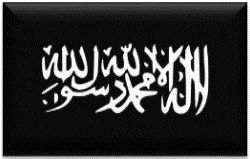
Rashidun Caliphate
632 - 661
02
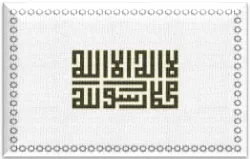
Umayyad Caliphate
661 - 750
03
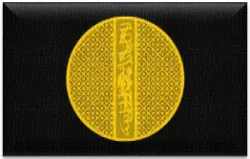
Abbasid Caliphate
750 - 1258
04
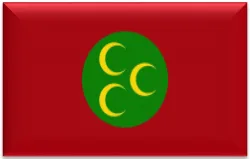
Ottoman Empire
1299 - 1922
05

Timurid Empire
1370 - 1507
06
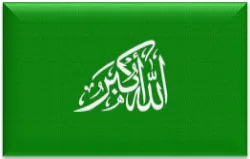
Fatimid Caliphate
909 - 1171
07
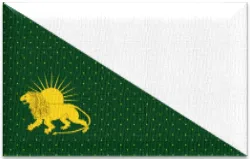
Mughal Empire
1526 - 1857
08

Seljuk Empire
1037 - 1194
09

Khwarazmian Empire
1077 - 1231
10

Delhi Sultanate
1206 - 1526
famous and influential Muslim empires in history
| S no. | Empire / State | Start | End | Peak Area (km) | Modern Countries Covered |
|---|---|---|---|---|---|
| 1 | Abbasid Caliphate | 750 | 1258 | 11.1M | 25+ (Iraq, Iran, Egypt, etc.) |
| 2 | Umayyad Caliphate | 661 | 750 | 11.1M | 30+ (Spain, Morocco, Pakistan, etc.) |
| 3 | Rashidun Caliphate | 632 | 661 | 6.4M | 20+ (Saudi Arabia, Iraq, Egypt, etc.) |
| 4 | Golden Horde (Islamic phase) | 1313 | 1502 | 6.0M | 8+ (Russia, Ukraine, Kazakhstan) |
| 5 | Ottoman Empire | 1299 | 1922 | 5.2M | 40+ (Turkey, Balkans, MENA) |
| 6 | Timurid Empire | 1370 | 1507 | 4.4M | 15+ (Uzbekistan, Iran, India) |
| 7 | Fatimid Caliphate | 909 | 1171 | 4.1M | 12+ (Egypt, Tunisia, Syria, Sicily) |
| 8 | Mughal Empire | 1526 | 1857 | 4.0M | 5 (India, Pakistan, Bangladesh) |
| 9 | Great Seljuk Empire | 1037 | 1194 | 3.9M | 12+ (Turkey, Iran, Syria, Iraq) |
| 10 | Ilkhanate (Islamic phase) | 1295 | 1335 | 3.75M | 10+ (Iran, Iraq, Turkey, Pakistan) |
| 11 | Khwarazmian Empire | 1077 | 1231 | 3.6M | 10+ (Iran, Uzbekistan, Afghanistan) |
| 12 | Chagatai Khanate (Islamic phase) | 1347 | 1660 | 3.5M | 8+ (China, Uzbekistan, Kazakhstan) |
| 13 | Ghaznavid Empire | 977 | 1186 | 3.4M | 8+ (Afghanistan, Pakistan, India) |
| 14 | Delhi Sultanate | 1206 | 1526 | 3.2M | 4 (India, Pakistan, Bangladesh) |
| 15 | Safavid Empire | 1501 | 1736 | 2.9M | 6+ (Iran, Azerbaijan, Iraq) |
| 16 | Samanid Dynasty | 819 | 999 | 2.85M | 6 (Iran, Afghanistan, Uzbekistan) |
| 17 | Afsharid Empire | 1736 | 1796 | 2.5M | 6 (Iran, Afghanistan, Iraq, Turkey) |
| 18 | Sokoto Caliphate | 1804 | 1903 | 2.2M | 4 (Nigeria, Niger, Cameroon) |
| 19 | Mamluk Sultanate | 1250 | 1517 | 2.1M | 6 (Egypt, Syria, Libya, Sudan) |
| 20 | Almohad Caliphate | 1145 | 1269 | 2.0M | 5 (Morocco, Algeria, Spain, etc.) |
| 21 | Ayyubid Sultanate | 1171 | 1246 | 2.0M | 6 (Egypt, Syria, Yemen, Libya) |
| 22 | Durrani Empire | 1747 | 1826 | 2.0M | 4 (Afghanistan, Pakistan, Iran) |
| 23 | Almoravid Dynasty | 1040 | 1147 | 1.8M | 4 (Morocco, Algeria, Spain, Mauritania) |
| 24 | Senussi Order/Libya | 1837 | 1969 | 1.7M | 2 (Libya, Chad) |
| 25 | Sur Empire | 1540 | 1556 | 1.5M | 3 (India, Pakistan, Bangladesh) |
| 26 | Ghurid Dynasty | 1148 | 1215 | 1.5M | 4 (Afghanistan, Pakistan, India, Iran) |
| 27 | Songhai Empire | 1464 | 1591 | 1.4M | 5 (Mali, Niger, Nigeria, Guinea) |
| 28 | Qajar Dynasty | 1789 | 1925 | 1.3M | 3 (Iran, Azerbaijan, Turkmenistan) |
| 29 | Buyid Dynasty | 934 | 1062 | 1.2M | 3 (Iran, Iraq, Kuwait) |
| 30 | Zand Dynasty | 1751 | 1794 | 1.2M | 2 (Iran, Iraq) |
| 31 | Mali Empire | 1235 | 1670 | 1.1M | 5 (Mali, Guinea, Senegal) |
| 32 | Kanem-Bornu Empire | 1380 | 1893 | 1.0M | 4 (Chad, Nigeria, Niger, Cameroon) |
| 33 | Marinid Dynasty | 1244 | 1465 | 1.0M | 3 (Morocco, Algeria, Spain) |
| 34 | Bahmani Sultanate | 1347 | 1527 | 0.8M | 3 (India: Maharashtra, Karnataka) |
| 35 | Aq Qoyunlu | 1378 | 1501 | 0.8M | 4 (Iran, Iraq, Turkey, Azerbaijan) |
| 36 | Saadi Dynasty | 1509 | 1659 | 0.8M | 2 (Morocco, Mauritania) |
| 37 | Hafsid Dynasty | 1229 | 1574 | 0.8M | 2 (Tunisia, Libya) |
| 38 | Wahhabi State (Diriyah) | 1744 | 1818 | 0.8M | 2 (Saudi Arabia, Yemen) |
| 39 | Bengal Sultanate | 1352 | 1576 | 0.6M | 2 (Bangladesh, India: West Bengal) |
| 40 | Ziyarid Dynasty | 930 | 1090 | 0.6M | 2 (Iran, Turkmenistan) |
| 41 | Qara Qoyunlu | 1375 | 1468 | 0.6M | 3 (Iran, Iraq, Azerbaijan) |
| 42 | Aghlabid Dynasty | 800 | 909 | 0.6M | 3 (Tunisia, Algeria, Italy) |
| 43 | Wattasid Dynasty | 1472 | 1554 | 0.6M | 1 (Morocco) |
| 44 | Khanate of Bukhara | 1500 | 1785 | 0.6M | 3 (Uzbekistan, Turkmenistan, Tajikistan) |
| 45 | Emirate of Afghanistan | 1823 | 1926 | 0.6M | 2 (Afghanistan, Pakistan) |
| 46 | Kilij Arslan (Sultanate of Rum) | 1077 | 1308 | 0.5M | 1 (Turkey) |
| 47 | Adal Sultanate | 1415 | 1577 | 0.5M | 3 (Somalia, Ethiopia, Djibouti) |
| 48 | Idrisid Dynasty | 788 | 974 | 0.5M | 2 (Morocco, Algeria) |
| 49 | Tulunids | 868 | 905 | 0.5M | 3 (Egypt, Syria, Israel/Palestine) |
| 50 | Ikhshidids | 935 | 969 | 0.5M | 3 (Egypt, Syria, Israel/Palestine) |
| 51 | Zayyanid Dynasty | 1235 | 1556 | 0.5M | 1 (Algeria) |
| 52 | Samarqand/Timurid successors | 1500 | 1785 | 0.5M | 2 (Uzbekistan, Tajikistan) |
| 53 | Malacca Sultanate | 1400 | 1511 | 0.4M | 3 (Malaysia, Indonesia, Singapore) |
| 54 | Ajuran Sultanate | 13th C. | 17th C. | 0.4M | 2 (Somalia, Ethiopia) |
| 55 | Rustamid Dynasty | 776 | 909 | 0.4M | 1 (Algeria) |
| 56 | Khanate of Khiva | 1511 | 1920 | 0.4M | 3 (Uzbekistan, Turkmenistan, Kazakhstan) |
| 57 | Aceh Sultanate | 1496 | 1903 | 0.3M | 1 (Indonesia) |
| 58 | Bruneian Empire | 1368 | 1888 | 0.3M | 3 (Brunei, Malaysia, Philippines) |
| 59 | Hamdanids | 890 | 1004 | 0.3M | 3 (Syria, Iraq, Turkey) |
| 60 | Khanate of Kokand | 1709 | 1876 | 0.3M | 3 (Uzbekistan, Kyrgyzstan, Tajikistan) |
| 61 | Sultanate of Oman | 1749 | 2026 | 0.3M | 3 (Oman, Yemen, Tanzania/Zanzibar) |
| 62 | Mataram Sultanate | 1587 | 1755 | 0.2M | 1 (Indonesia) |
| 63 | Shirvan Shahs | 1191 | 1538 | 0.2M | 2 (Azerbaijan, Russia: Dagestan) |
| 64 | Taifa Kingdoms | 1009 | 1110 | 0.2M | 2 (Spain, Portugal) |
| 65 | Nasrid Kingdom (Granada) | 1232 | 1492 | 0.05M | 1 (Spain) |
| 66 | Emirate of Sicily | 831 | 1091 | 0.03M | 1 (Italy) |
| 67 | Emirate of Crete | 824 | 961 | 0.01M | 1 (Greece) |
| Source: Islamicchronicles.com | The Largest Islamicate Empires In History | |||||
The Largest Islamic Empires in History - longest lasting Islamic state in history
The Ottomans lasted over 600 years one of the longest-lived empires in history. From the capture of Constantinople
Muslim Empires in History
The history of Muslim empires is one of the most influential chapters in world civilization. From the Arabian Peninsula to the Iberian Peninsula, Central Asia, the Indian subcontinent, Southeast Asia, and Africa, Muslim states shaped global politics, trade, education, architecture, science, law, literature, and culture for more than thirteen centuries.
At their greatest extent, the largest Islamic empires governed millions of square kilometers and hundreds of millions of people from diverse ethnic, linguistic, and religious backgrounds. While each empire had its own traditions and governing style, many shared common features such as advanced administrative systems, flourishing trade routes, strong military organization, and support for scholarship.
Today, historians study these empires not only because of their territorial expansion but also because of their contributions to mathematics, astronomy, medicine, philosophy, engineering, architecture, navigation, agriculture, and economics. Cities such as Baghdad, Córdoba, Cairo, Damascus, Samarkand, Isfahan, Delhi, and Istanbul became major centers of learning and commerce that influenced civilizations across Europe, Asia, and Africa.
This guide explores the most famous Muslim empires in history, their rise, expansion, achievements, territorial size, and lasting legacy.
What Is a Muslim Empire?
A Muslim empire refers to a state or dynasty whose ruling elite officially followed Islam and governed territories under Islamic political authority. These empires were established across different regions and periods, often bringing together diverse populations under centralized governments.
Not every Muslim-majority kingdom became a vast empire. The term generally refers to states that controlled extensive territories, maintained organized administrations, influenced neighboring regions, and played major roles in international trade and diplomacy.
Throughout history, Muslim empires emerged under various dynasties, including Arab, Persian, Turkic, Berber, Mongol, Afghan, Kurdish, and South Asian rulers. Despite their differences, they collectively contributed to the spread of Islamic civilization across much of the Eastern Hemisphere.
Largest Muslim Empires in History
Based on their greatest territorial extent, several Islamic empires reached extraordinary sizes that rivaled the largest empires ever established.
The Abbasid Caliphate and the Umayyad Caliphate each expanded to approximately 11.1 million square kilometers, making them the largest Muslim empires recorded in history.
Other enormous empires included:
Abbasid Caliphate
Umayyad Caliphate
Rashidun Caliphate
Golden Horde (Islamic phase)
Ottoman Empire
Timurid Empire
Fatimid Caliphate
Mughal Empire
Seljuk Empire
Ilkhanate (Islamic phase)
These empires governed territories stretching across three continents and connected major trade routes linking Europe, Asia, and Africa.
Rise of Islamic Empires
The emergence of Islamic empires began during the 7th century following the establishment of the first Muslim community in the Arabian Peninsula.
Several factors contributed to their rapid growth:
Strong centralized leadership
Highly organized military campaigns
Strategic trade routes
Efficient taxation systems
Religious and political unity
Diplomatic alliances
Agricultural development
Urban expansion
Administrative reforms
Cultural integration
The combination of these elements enabled Muslim rulers to administer vast territories while encouraging commerce, scholarship, and infrastructure development.
Characteristics of Successful Muslim Empires
Although each dynasty differed, many successful Islamic empires shared several important characteristics.
Strong Administration
Large bureaucracies managed taxation, justice, provincial governance, census records, and military organization.
Flourishing Trade
Major trade networks connected China, India, Africa, Europe, and the Middle East through land and maritime routes.
Urban Development
Many capitals became among the world’s largest cities during their time, featuring libraries, universities, hospitals, markets, mosques, and public infrastructure.
Cultural Diversity
Most Muslim empires ruled over populations of different religions, languages, and ethnic backgrounds, requiring sophisticated governance systems.
Scientific Advancement
Government support helped scholars make significant advances in astronomy, mathematics, medicine, engineering, chemistry, geography, and philosophy.
Architectural Excellence
Many famous landmarks—including grand mosques, palaces, fortresses, bridges, gardens, and educational institutions—were built during these periods and remain important historical monuments today.
Historical Importance of Muslim Empires
Muslim empires influenced nearly every aspect of medieval and early modern civilization.
Their impact included:
Expansion of international trade
Development of banking and commercial finance
Preservation of ancient Greek, Persian, and Indian knowledge
Growth of universities and libraries
Standardization of legal systems
Advances in navigation and cartography
Spread of agricultural innovations
Construction of monumental architecture
Development of literature and poetry
Cultural exchange between East and West
Many scientific works produced during the Islamic Golden Age later reached Europe through translation, contributing to developments during the Renaissance.
Geographic Reach
At different periods, Muslim empires governed territories across:
Western Europe
Eastern Europe
North Africa
East Africa
Central Africa
West Africa
The Middle East
Central Asia
South Asia
Southeast Asia
Parts of East Asia
This geographic diversity made Islamic civilization one of history’s largest interconnected cultural and economic networks.
Difference Between Caliphates, Sultanates, and Dynasties
Understanding historical terminology helps distinguish different forms of Muslim rule.
A Caliphate was led by a Caliph, who served as both political and religious leader of the Muslim community.
A Sultanate was governed by a Sultan, focusing primarily on political and military authority while recognizing varying religious traditions.
A Dynasty referred to a hereditary ruling family, such as the Safavids, Timurids, Mughals, or Ayyubids, which governed specific territories over successive generations.
Despite these distinctions, all played major roles in the development of Islamic civilization.
The Greatest Muslim Empires in History
Abbasid Caliphate (750–1258)
The Abbasid Caliphate stands among the most influential Muslim empires ever established. Reaching an estimated 11.1 million square kilometers, it ruled much of the Middle East, North Africa, Central Asia, and parts of South Asia. The Abbasids moved the capital from Damascus to Baghdad, transforming it into one of the world’s greatest centers of knowledge and commerce.
Often associated with the Islamic Golden Age, the Abbasid era witnessed remarkable achievements in mathematics, astronomy, medicine, chemistry, engineering, philosophy, literature, and geography. Institutions such as the House of Wisdom attracted scholars from different cultures who translated and expanded upon Greek, Persian, and Indian scientific works.
The empire also strengthened international trade through the Silk Road and Indian Ocean maritime routes, connecting China, India, Africa, and Europe. Merchants exchanged goods ranging from silk and spices to precious metals and textiles, making Baghdad one of history’s wealthiest cities.
Although political authority gradually weakened due to regional dynasties and internal conflicts, the Abbasid Caliphate remained an important religious and cultural symbol until the Mongol conquest of Baghdad in 1258.
Umayyad Caliphate (661–750)
The Umayyad Caliphate was the first great hereditary Muslim empire and expanded more rapidly than almost any other state in history. At its greatest extent, it covered approximately 11.1 million square kilometers, stretching from the Iberian Peninsula in modern Spain to Central Asia near China.
Its capital at Damascus became an administrative and commercial hub linking three continents. Under Umayyad leadership, Islamic rule expanded into North Africa, the Caucasus, Persia, Central Asia, and the Indian subcontinent.
The empire established efficient provincial governments, introduced standardized coinage, expanded road systems, and strengthened communication networks across vast territories. Arabic gradually became the primary administrative language, helping unify governance throughout the empire.
The Umayyads also commissioned remarkable architectural projects, including the Dome of the Rock in Jerusalem and the Great Mosque of Damascus, two masterpieces of early Islamic architecture.
Although the dynasty ended in 750 following the Abbasid Revolution, its political institutions and administrative practices influenced many later Muslim empires.
Rashidun Caliphate (632–661)
The Rashidun Caliphate was the first Islamic state established after the death of Prophet Muhammad (peace be upon him). Led by the four rightly guided caliphs—Abu Bakr, Umar ibn al-Khattab, Uthman ibn Affan, and Ali ibn Abi Talib—it expanded to approximately 6.4 million square kilometers within only three decades.
During this period, Muslim rule spread across the Arabian Peninsula, Iraq, Syria, Egypt, Persia, and parts of North Africa. The remarkable pace of expansion permanently reshaped the political landscape of the Middle East.
The Rashidun administration emphasized justice, accountability, consultation, and public welfare. Provincial governors were supervised carefully, taxation systems were organized, and legal principles based on Islamic teachings were strengthened.
This era laid the political and administrative foundations upon which later Islamic empires would build, making it one of the most significant periods in Muslim history.
Golden Horde (Islamic Phase) (1313–1502)
The Golden Horde emerged from the western territories of the Mongol Empire. After its ruling elite embraced Islam during the early fourteenth century, it became one of the largest Muslim states in Eurasia, controlling nearly 6 million square kilometers.
Its territory extended across modern-day Russia, Kazakhstan, Ukraine, and neighboring regions. Positioned along major trade routes, the Golden Horde played a vital role in commerce between Europe and Asia.
The rulers promoted Islamic institutions while maintaining diplomatic and commercial relations with neighboring Christian and Muslim states. Important trading centers flourished under their protection, facilitating the movement of merchants, craftsmen, and scholars across Eurasia.
Although internal rivalries eventually fragmented the state, the Golden Horde significantly influenced the political and cultural development of Eastern Europe and Central Asia.
Ottoman Empire (1299–1922)
The Ottoman Empire became one of the longest-lasting and most powerful Muslim empires in world history. Lasting for more than six centuries, it reached approximately 5.2 million square kilometers at its greatest territorial extent.
At its peak, the empire governed territories across Southeast Europe, Western Asia, and North Africa. Istanbul, formerly Constantinople, became its magnificent capital and one of the world’s foremost centers of trade, diplomacy, architecture, and education.
The Ottomans developed an advanced administrative system that balanced centralized authority with provincial governance. Their military innovations, legal institutions, taxation systems, and diplomatic networks helped maintain one of history’s most stable multinational empires.
The empire also produced extraordinary architectural achievements through renowned architects such as Mimar Sinan, whose mosques, bridges, schools, and public buildings continue to define the skylines of many cities today.
Ottoman influence extended far beyond military conquest, shaping cuisine, language, art, law, music, education, and urban planning across three continents.
Timurid Empire (1370–1507)
Founded by Timur (Tamerlane), the Timurid Empire became one of the most powerful Muslim empires of the late medieval period. At its greatest extent, it controlled approximately 4.4 million square kilometers, stretching across Central Asia, Persia, Afghanistan, parts of the Caucasus, Mesopotamia, and northern India.
Although Timur is remembered as one of history’s greatest military commanders, the empire’s lasting legacy lies in its extraordinary cultural achievements. Cities such as Samarkand and Herat flourished as global centers of architecture, science, literature, astronomy, and Islamic scholarship.
Timurid architecture introduced magnificent turquoise domes, elaborate geometric tilework, towering minarets, and elegant madrasas that influenced Islamic architecture for centuries. Many masterpieces built during this era remain UNESCO World Heritage Sites today.
The empire also played an important role in preserving Persian literature and encouraging scientific research. Timurid rulers patronized scholars, poets, mathematicians, and astronomers, making their courts among the most respected intellectual centers of the fifteenth century.
The Timurid dynasty later gave rise to the Mughal Empire, which carried Timurid administrative traditions into the Indian subcontinent.
Fatimid Caliphate (909–1171)
The Fatimid Caliphate emerged in North Africa before expanding eastward into Egypt, the Levant, and parts of the Mediterranean. At its peak, it governed roughly 4.1 million square kilometers and became one of the major rival Islamic powers of the medieval world.
The Fatimids founded Cairo in 969, transforming it into one of the greatest capitals of the Islamic world. During their rule, Cairo became a thriving center for trade, finance, education, and religious scholarship.
One of the dynasty’s most enduring achievements was the establishment of Al-Azhar, which grew into one of the oldest continuously operating universities in the world and remains one of Islam’s most respected educational institutions.
The Fatimids controlled key Red Sea and Mediterranean trade routes, allowing merchants to transport spices, textiles, precious metals, and luxury goods between Africa, Asia, and Europe. Their efficient administration and commercial policies contributed significantly to regional prosperity.
Architecturally, the Fatimids left behind magnificent mosques, city walls, gates, and palaces that influenced later Islamic architecture across North Africa and the Middle East.
Mughal Empire (1526–1857)
The Mughal Empire became one of the wealthiest and most culturally influential Muslim empires in history. Established by Babur, a descendant of Timur, it eventually ruled much of the Indian subcontinent with a peak territory of nearly 4 million square kilometers.
Under emperors such as Akbar, Jahangir, Shah Jahan, and Aurangzeb, the empire experienced remarkable economic growth, administrative reform, agricultural expansion, and artistic achievement.
The Mughal economy became one of the largest in the world during the seventeenth century, producing textiles, spices, gemstones, steel, and agricultural products that were exported across Asia, Europe, and Africa.
Mughal architecture remains among the greatest achievements of Islamic civilization. Iconic landmarks including the Taj Mahal, Red Fort, Humayun’s Tomb, and Jama Masjid continue to attract millions of visitors every year.
The empire also fostered advancements in miniature painting, literature, garden design, calligraphy, and urban planning. Its blend of Persian, Central Asian, and South Asian traditions created a unique cultural legacy that still shapes the region today.
Seljuk Empire (1037–1194)
The Seljuk Empire was one of the most influential Turkic Muslim empires of the medieval era. Reaching approximately 3.9 million square kilometers, it stretched from Central Asia across Iran, Iraq, Anatolia, Syria, and parts of the Caucasus.
The Seljuks played a crucial role in defending the Islamic world and promoting Sunni scholarship. They established numerous schools, hospitals, caravanserais, mosques, and public institutions that strengthened education and commerce throughout their territories.
The famous Nizamiyyah schools became leading centers of higher education, attracting scholars from across the Muslim world.
Their control over Anatolia permanently altered the region’s political and cultural landscape, laying the groundwork for later Turkish states, including the Ottoman Empire.
Seljuk architecture introduced monumental stone gateways, decorative brickwork, domes, and caravanserais that greatly influenced Islamic architecture throughout the Middle East.
Ilkhanate (Islamic Phase) (1295–1335)
Originally founded as a branch of the Mongol Empire, the Ilkhanate officially adopted Islam under Ghazan Khan in 1295. During its Islamic period, it governed approximately 3.75 million square kilometers, including much of present-day Iran, Iraq, eastern Turkey, Armenia, Azerbaijan, and neighboring regions.
Following its conversion, the Ilkhanate supported Islamic scholarship, rebuilt cities devastated by earlier conflicts, and encouraged trade along the Silk Road.
Its rulers invested in infrastructure, irrigation systems, libraries, observatories, and educational institutions while promoting commerce between East and West.
The Ilkhanate also became known for remarkable achievements in Persian art, illustrated manuscripts, architecture, and historical writing. The blending of Mongol, Persian, and Islamic traditions produced a unique cultural renaissance that influenced later dynasties throughout the region.
Khwarazmian Empire (1077–1231)
The Khwarazmian Empire emerged from Central Asia to become one of the most powerful Muslim empires before the Mongol invasions. At its greatest territorial extent, it covered approximately 3.6 million square kilometers, stretching across present-day Iran, Turkmenistan, Uzbekistan, Afghanistan, Kazakhstan, Pakistan, and parts of Iraq.
Initially serving as regional governors under the Seljuks, the Khwarazmian rulers gradually established an independent empire through military expansion and effective administration. Under Ala ad-Din Muhammad II, the empire experienced rapid growth and controlled many of the most important commercial cities along the Silk Road.
Trade played a major role in the empire’s prosperity. Merchants traveling between China, Central Asia, the Middle East, and Europe passed through Khwarazmian territory, contributing to economic development and cultural exchange.
The empire also promoted Islamic education, Persian literature, and scientific learning. Cities such as Samarkand, Bukhara, and Urgench became respected centers of scholarship and commerce.
Its rapid rise ended dramatically following conflict with the Mongol Empire, whose invasion reshaped the political history of Central Asia.
Chagatai Khanate (Islamic Phase) (1347–1660)
The Chagatai Khanate originated as one of the successor states of the Mongol Empire. During its Islamic phase, it became one of Central Asia’s largest Muslim kingdoms, controlling nearly 3.5 million square kilometers across modern Kazakhstan, Kyrgyzstan, Uzbekistan, Tajikistan, western China, and neighboring regions.
Following the conversion of many Chagatai rulers to Islam, Islamic culture, education, and architecture flourished throughout the kingdom. Persian and Turkic traditions blended to create a distinctive cultural identity that influenced later Central Asian states.
The khanate controlled strategic sections of the Silk Road, allowing trade caravans to move between East Asia, the Middle East, and Europe. Commerce in silk, horses, precious stones, textiles, and luxury goods generated significant wealth.
Although political unity weakened over time, the Chagatai Khanate remained influential for centuries and contributed to the spread of Islam throughout Central Asia.
Ghaznavid Empire (977–1186)
The Ghaznavid Empire became one of the earliest major Persianate Muslim empires in South and Central Asia. At its height, it governed approximately 3.4 million square kilometers, covering much of Afghanistan, Pakistan, Iran, Turkmenistan, Uzbekistan, and northern India.
Founded by Sabuktigin and greatly expanded by Mahmud of Ghazni, the empire transformed the city of Ghazni into a thriving political, cultural, and educational capital.
Mahmud’s campaigns into the Indian subcontinent greatly expanded the empire’s wealth while strengthening trade and political influence across the region.
The Ghaznavids were renowned patrons of Persian literature, science, and architecture. Distinguished scholars such as Al-Biruni and the celebrated Persian poet Ferdowsi lived during this period, making Ghazni one of the leading intellectual centers of the Islamic world.
The dynasty also played a major role in spreading Islamic culture, Persian language, and administrative traditions throughout South Asia.
Delhi Sultanate (1206–1526)
The Delhi Sultanate ruled much of the Indian subcontinent for more than three centuries and reached an estimated 3.2 million square kilometers at its greatest extent.
Governed by several successive dynasties, including the Mamluks, Khaljis, Tughlaqs, Sayyids, and Lodis, the sultanate established Delhi as one of Asia’s most important political and commercial capitals.
Its rulers developed organized taxation systems, expanded irrigation projects, strengthened agriculture, and encouraged domestic and international trade. Merchants connected India with Central Asia, Persia, Arabia, Southeast Asia, and East Africa through extensive land and maritime trade routes.
The Delhi Sultanate also introduced significant architectural innovations, combining Persian, Central Asian, and Indian building traditions. Magnificent monuments such as the Qutb Minar and numerous mosques, forts, and madrasas remain enduring symbols of this era.
The administrative systems created by the Delhi Sultanate later influenced the governance of the Mughal Empire.
Safavid Empire (1501–1736)
The Safavid Empire established one of the most influential Muslim states in Persian history. At its peak, it ruled approximately 2.9 million square kilometers, covering modern Iran, Azerbaijan, Armenia, Iraq, parts of Turkey, Afghanistan, and neighboring regions.
The Safavids transformed Isfahan into one of the world’s most beautiful capitals. The city became famous for its grand mosques, elegant bridges, expansive public squares, gardens, and thriving marketplaces.
Safavid rulers promoted commerce by improving caravan routes and encouraging international trade with Europe, India, Central Asia, and the Ottoman Empire. Persian carpets, silk, ceramics, metalwork, and textiles became globally recognized luxury products.
The dynasty also ushered in a golden age of Persian art, miniature painting, calligraphy, architecture, and literature. Their cultural achievements continue to define much of Iran’s historical identity and remain among the greatest artistic legacies of the Islamic world.
Samanid Dynasty (819–999)
The Samanid Dynasty was one of the earliest and most influential Persian Muslim empires after the Abbasid period. At its greatest territorial reach, it controlled approximately 2.85 million square kilometers, covering large parts of modern Iran, Afghanistan, Uzbekistan, Tajikistan, Turkmenistan, and neighboring regions.
The Samanids are widely recognized for leading the Persian cultural renaissance within the Islamic world. They revived Persian language, literature, administration, and artistic traditions while remaining strong supporters of Islamic scholarship.
Their capital, Bukhara, became one of the greatest intellectual centers of the medieval Islamic world. Scholars, poets, physicians, mathematicians, and philosophers gathered there, helping transform the city into a hub of learning and scientific advancement.
The dynasty encouraged trade across Central Asia through the Silk Road, exporting textiles, ceramics, precious metals, paper, and agricultural products. Their stable government allowed commerce to flourish between China, India, the Middle East, and Eastern Europe.
Many historians consider the Samanids responsible for laying the cultural foundations that influenced later Persian empires, including the Ghaznavids, Seljuks, and Timurids.
Afsharid Empire (1736–1796)
The Afsharid Empire was founded by Nader Shah, one of history’s greatest military commanders. At its peak, the empire stretched across nearly 2.5 million square kilometers, including present-day Iran, Afghanistan, Iraq, Azerbaijan, Armenia, Pakistan, Turkmenistan, Uzbekistan, and parts of Turkey.
Nader Shah reunited Persia after years of political instability and successfully expanded its frontiers through a series of military campaigns. His victories restored Persian influence across much of the Middle East and Central Asia.
The empire strengthened long-distance trade by securing caravan routes connecting Persia with India, Central Asia, and the Ottoman territories. Persian silk, carpets, handicrafts, and agricultural goods continued to enjoy strong international demand.
Although the empire existed for only a few decades, its military reforms and administrative improvements left a lasting influence on later Iranian states.
The Afsharid period also preserved many Persian cultural traditions while supporting Islamic educational institutions throughout its territories.
Sokoto Caliphate (1804–1903)
The Sokoto Caliphate was one of the largest and most successful Muslim states in African history. Established by Usman dan Fodio, it expanded across approximately 2.2 million square kilometers, covering much of modern-day Nigeria, Niger, Cameroon, and parts of Burkina Faso.
The caliphate unified numerous Hausa kingdoms under Islamic governance and developed one of Africa’s most organized administrative systems during the nineteenth century.
Agriculture formed the backbone of its economy, supported by thriving regional trade in livestock, leather goods, textiles, grains, and salt. Commercial routes connected West Africa with North Africa through trans-Saharan trade networks.
Education played a central role in Sokoto society. Thousands of students attended Islamic schools that emphasized Qur’anic studies, law, theology, literature, mathematics, and Arabic language.
The Sokoto Caliphate became a major center of Islamic scholarship in West Africa, producing respected jurists, historians, and religious scholars whose influence continues today.
Mamluk Sultanate (1250–1517)
The Mamluk Sultanate governed approximately 2.1 million square kilometers, including Egypt, Syria, Palestine, western Arabia, parts of Libya, and Sudan. It became one of the strongest Muslim powers during the late medieval period.
The Mamluks are best remembered for halting the Mongol advance into the Middle East after their decisive victory at the Battle of Ain Jalut in 1260, an event widely regarded as one of the turning points in Islamic history.
Their capital, Cairo, developed into one of the richest and most influential cities in the world. The city served as a commercial crossroads linking Europe, Africa, and Asia through Red Sea and Mediterranean trade routes.
The sultanate invested heavily in mosques, madrasas, hospitals, bridges, caravanserais, and public fountains. Many of Cairo’s historic Islamic monuments date from the Mamluk era and remain architectural masterpieces.
The Mamluks also supported scholars, historians, physicians, and Islamic jurists, helping preserve knowledge during a period of major political change across Eurasia.
Almohad Caliphate (1145–1269)
The Almohad Caliphate emerged in North Africa before expanding into the Iberian Peninsula, becoming one of the largest Muslim empires of western Islam. At its greatest extent, it ruled nearly 2 million square kilometers, including present-day Morocco, Algeria, Tunisia, Libya, Spain, Portugal, and Mauritania.
The Almohads unified much of the Maghreb under a centralized government while strengthening commerce across the western Mediterranean.
Cities including Marrakesh, Seville, and Rabat became thriving centers of administration, architecture, trade, philosophy, and Islamic scholarship.
The dynasty constructed impressive mosques, defensive walls, bridges, and public buildings, many of which still survive today. Architectural landmarks such as the Koutoubia Mosque, Giralda Tower, and Hassan Tower remain enduring symbols of Almohad engineering and artistic achievement.
The Almohad period also witnessed remarkable contributions to philosophy, medicine, mathematics, astronomy, and legal scholarship, making it one of the most intellectually vibrant eras in the history of the western Islamic world.
Ayyubid Sultanate (1171–1246)
The Ayyubid Sultanate was founded by the renowned Muslim leader Sultan صلاح الدين الأيوبي (Saladin) after ending Fatimid rule in Egypt. At its greatest extent, the empire covered approximately 2 million square kilometers, spanning present-day Egypt, Syria, Palestine, Jordan, Lebanon, western Saudi Arabia, Yemen, Libya, and parts of Iraq.
The Ayyubids are best remembered for recapturing Jerusalem in 1187 following the Battle of Hattin, a defining event in medieval Islamic history. Saladin became admired throughout both the Islamic and European worlds for his military leadership, diplomacy, and treatment of civilians.
Cairo and Damascus flourished under Ayyubid administration, becoming major centers of commerce, education, medicine, and Islamic scholarship. Numerous madrasas, hospitals, libraries, and mosques were established during this period, strengthening Sunni Islamic learning across the Middle East.
Trade expanded through Red Sea ports and Mediterranean connections, linking merchants from Africa, Arabia, Central Asia, and Europe. Agricultural improvements, irrigation systems, and secure trade routes contributed significantly to economic prosperity.
The Ayyubid legacy continued long after the dynasty ended, influencing the political and religious landscape of the Middle East for centuries.
Durrani Empire (1747–1826)
The Durrani Empire, founded by Ahmad Shah Durrani, is widely regarded as the foundation of the modern Afghan state. At its peak, the empire stretched across approximately 2 million square kilometers, covering present-day Afghanistan, Pakistan, eastern Iran, northern India, Kashmir, and parts of Turkmenistan.
Ahmad Shah united numerous Afghan tribes into a powerful centralized kingdom that rapidly became one of Asia’s major regional powers during the eighteenth century.
The empire occupied an important strategic position between Central Asia, Persia, and the Indian subcontinent, allowing it to control key commercial and military routes. Trade in horses, textiles, precious stones, agricultural goods, and handicrafts supported economic growth.
Kandahar served as the original capital before Kabul emerged as an important political and administrative center. Islamic institutions, local governance, and tribal alliances remained central to the empire’s administration.
The Durrani Empire played a major role in shaping the political history of South and Central Asia, and Ahmad Shah Durrani continues to be honored as the national founder of Afghanistan.
Almoravid Dynasty (1040–1147)
The Almoravid Dynasty emerged from the western Sahara before expanding across North Africa and the Iberian Peninsula. At its greatest territorial extent, it controlled nearly 1.8 million square kilometers, including modern Morocco, Mauritania, western Algeria, and large portions of Spain and Portugal.
Originally founded as a religious reform movement, the Almoravids gradually developed into one of the strongest Muslim powers in western Africa and southern Europe.
Their capital, Marrakesh, became an important center of trade, architecture, administration, and Islamic education. Caravan routes connecting West Africa with Mediterranean markets flourished under Almoravid protection.
The dynasty strengthened trans-Saharan commerce, particularly the trade of gold, salt, ivory, textiles, leather products, and agricultural goods. These trade networks contributed greatly to the prosperity of both North and West Africa.
The Almoravids also introduced significant architectural innovations, many of which influenced later Moroccan and Andalusian Islamic styles.
Senussi Order (1837–1969)
The Senussi Order evolved from an Islamic religious movement into a political authority governing approximately 1.7 million square kilometers across present-day Libya, Chad, and surrounding Saharan regions.
Founded by Muhammad ibn Ali al-Senussi, the movement emphasized Islamic education, spiritual reform, tribal unity, and peaceful social development throughout North Africa.
Rather than relying solely on military expansion, the Senussi established a vast network of religious centers, schools, agricultural communities, and trade stations across the Sahara.
Its strategic desert routes connected merchants traveling between North Africa and sub-Saharan Africa, encouraging commerce in livestock, dates, textiles, salt, and regional goods.
The Senussi movement later played a significant role in Libya’s struggle for independence, eventually leading to the establishment of the Kingdom of Libya under King Idris I, who belonged to the Senussi family.
Sur Empire (1540–1556)
Although relatively short-lived, the Sur Empire became one of the most influential Muslim dynasties in the history of the Indian subcontinent. Founded by Sher Shah Suri, it ruled approximately 1.5 million square kilometers, covering much of present-day India, Pakistan, and Bangladesh.
Sher Shah introduced some of the most advanced administrative reforms of his era. He standardized currency, improved tax collection, reorganized provincial administration, strengthened law enforcement, and modernized the military.
One of his greatest achievements was the reconstruction and expansion of the Grand Trunk Road, connecting Bengal with northwestern India. This massive transportation network greatly improved trade, communication, and military mobility.
The Sur administration also established roadside inns, postal stations, wells, bridges, and security checkpoints that encouraged commerce and safer travel.
Although the Mughal Empire later regained control, many of Sher Shah’s reforms were retained and expanded by subsequent Mughal rulers, making the Sur Empire one of the most influential governments in South Asian history.
Ghurid Dynasty (1148–1215)
The Ghurid Dynasty emerged from the mountainous region of Ghor in present-day Afghanistan and rapidly became one of the most influential Muslim empires in Central and South Asia. At its greatest territorial extent, the dynasty governed approximately 1.5 million square kilometers, covering modern Afghanistan, Pakistan, northern India, and parts of eastern Iran.
The Ghurids are best known for laying the political foundation of long-term Muslim rule in northern India. Under the leadership of Muhammad of Ghor, the empire achieved a series of military victories that transformed the political landscape of the Indian subcontinent.
Unlike many earlier conquerors, the Ghurids established permanent administrative systems rather than temporary military occupations. They appointed governors, organized taxation, strengthened regional administration, and encouraged the growth of Islamic educational institutions throughout their territories.
Major cities including Ghazni, Herat, Lahore, and Delhi became important centers of administration, trade, and scholarship. Commercial routes connecting Persia, Central Asia, and northern India flourished, supporting merchants dealing in textiles, horses, precious metals, spices, and agricultural products.
Although the dynasty declined during the early thirteenth century, its political institutions directly influenced the formation of the Delhi Sultanate, making the Ghurids one of the most significant transitional powers in Islamic and South Asian history.
Songhai Empire (1464–1591)
The Songhai Empire became the largest Muslim empire in West African history during the fifteenth and sixteenth centuries. At its height, it covered approximately 1.4 million square kilometers, extending across present-day Mali, Niger, Nigeria, Guinea, and neighboring regions.
Centered along the Niger River, the empire controlled one of the world’s most valuable commercial corridors linking North Africa with sub-Saharan Africa.
Under rulers such as Sunni Ali and Askia Muhammad I, Songhai expanded its territory while strengthening Islamic governance, scholarship, and trade. Askia Muhammad’s pilgrimage to Makkah further enhanced the empire’s prestige throughout the Muslim world.
Cities such as Timbuktu, Gao, and Djenné became internationally recognized centers of Islamic education, manuscript preservation, mathematics, astronomy, law, and theology. Thousands of students from across Africa traveled to these cities to study under distinguished scholars.
Gold, salt, ivory, leather goods, slaves, and agricultural products formed the backbone of the Songhai economy. Its prosperous trade network connected West Africa with North Africa, Egypt, and the wider Islamic world.
The Songhai Empire remains one of Africa’s greatest historical civilizations and an important example of the spread of Islam through commerce, education, and regional governance.
Qajar Dynasty (1789–1925)
The Qajar Dynasty ruled Persia (modern Iran) for more than a century and governed approximately 1.3 million square kilometers at its greatest extent. Its territory primarily covered modern Iran while also influencing neighboring parts of Azerbaijan, Turkmenistan, and the Caucasus.
Following decades of political instability after the collapse of earlier Persian dynasties, the Qajars restored centralized authority and re-established Tehran as the permanent capital.
The dynasty governed during a period of major global transformation, balancing relations with the expanding Russian Empire, the Ottoman Empire, and European colonial powers. Diplomacy became one of the defining characteristics of Qajar foreign policy.
Economic activity centered on agriculture, silk production, carpets, handicrafts, mining, and international trade. Persian carpets produced during the Qajar era became highly valued throughout Europe and Asia for their craftsmanship and artistic quality.
The Qajar period also witnessed important developments in modern education, printing, communications, constitutional government, and administrative reforms that shaped the emergence of modern Iran.
Buyid Dynasty (934–1062)
The Buyid Dynasty was founded by three Daylamite brothers who established control over much of Iran and Iraq during the tenth century. At its greatest territorial expansion, the dynasty ruled approximately 1.2 million square kilometers, including modern Iran, Iraq, Kuwait, and surrounding territories.
Although the Abbasid Caliph remained the symbolic religious leader of the Muslim world, the Buyids exercised effective political and military authority over Baghdad and much of the Middle East.
Their administration promoted stability, urban development, public infrastructure, and economic growth. Major cities including Baghdad, Shiraz, and Ray became centers of learning, literature, architecture, and commerce.
The Buyids supported scholars, physicians, poets, engineers, and scientists, contributing to the continuation of the Islamic Golden Age. Libraries, educational institutions, canals, bridges, and public buildings received substantial patronage.
Their rule demonstrated how regional Muslim dynasties could preserve Islamic civilization while maintaining local political autonomy within the broader caliphal system.
Zand Dynasty (1751–1794)
The Zand Dynasty ruled much of Persia during the eighteenth century after the decline of the Afsharid Empire. At its greatest extent, it governed approximately 1.2 million square kilometers, covering most of present-day Iran and parts of Iraq.
Founded by Karim Khan Zand, the dynasty became known for relatively peaceful governance, administrative efficiency, and economic recovery rather than extensive military expansion.
Karim Khan selected Shiraz as his capital and invested heavily in its development. Markets, caravanserais, mosques, gardens, public squares, and defensive structures transformed Shiraz into one of the most beautiful and prosperous cities in Persia.
Trade flourished through improved security and commercial policies that encouraged merchants from India, the Ottoman Empire, Central Asia, and the Persian Gulf to conduct business within the kingdom.
Although the dynasty existed for only a few decades, its emphasis on justice, urban development, public welfare, and economic stability earned Karim Khan a lasting reputation as one of Persia’s most respected rulers.
Mali Empire (1235–1670)
The Mali Empire was one of the most prosperous and influential Muslim empires in African history. At its peak, it covered approximately 1.1 million square kilometers, encompassing present-day Mali, Guinea, Senegal, Mauritania, Gambia, Burkina Faso, and parts of neighboring countries.
Founded by Sundiata Keita, the empire unified numerous West African kingdoms into a powerful state that became famous for its immense wealth, political organization, and Islamic scholarship.
The reign of Mansa Musa transformed Mali into a globally recognized empire. His famous pilgrimage to Makkah in 1324 displayed the empire’s extraordinary prosperity and introduced the wealth of West Africa to the wider Islamic world and Europe.
Gold mining was the foundation of Mali’s economy. Combined with the trans-Saharan trade in salt, ivory, leather, copper, and agricultural products, the empire became one of the richest civilizations of the medieval world.
Cities such as Timbuktu, Gao, and Djenné developed into internationally respected centers of education, manuscript production, astronomy, mathematics, medicine, and Islamic jurisprudence. Thousands of handwritten manuscripts produced during this period remain valuable historical treasures today.
The Mali Empire demonstrated how Islamic governance, commerce, and education could create one of Africa’s greatest civilizations.
Kanem-Bornu Empire (1380–1893)
The Kanem-Bornu Empire was among Africa’s longest-lasting Muslim states, governing approximately 1 million square kilometers across present-day Chad, Nigeria, Niger, Cameroon, and surrounding regions.
Although the empire’s origins date back centuries earlier, its Islamic phase flourished after the capital shifted westward to Bornu, strengthening both political stability and religious institutions.
The empire controlled strategic trade routes linking Central Africa with North Africa through the Sahara. Merchants traded salt, horses, textiles, livestock, leather goods, and agricultural products while maintaining commercial connections with Egypt, Libya, and other Islamic regions.
Islam became deeply integrated into government, education, and legal administration. Mosques, Qur’anic schools, and centers of Islamic learning expanded throughout the empire, producing respected scholars and judges.
The Kanem-Bornu Empire survived numerous regional conflicts while maintaining political continuity for several centuries, making it one of the most enduring Islamic kingdoms in African history.
Marinid Dynasty (1244–1465)
The Marinid Dynasty emerged in Morocco during the thirteenth century and eventually governed approximately 1 million square kilometers, including most of present-day Morocco, western Algeria, and periods of influence in southern Spain.
The dynasty made Fez one of the leading intellectual capitals of the Islamic world. Numerous madrasas, mosques, libraries, and public institutions were established, many of which remain among Morocco’s finest examples of Islamic architecture.
The Marinids encouraged trade across both the Mediterranean Sea and the Sahara Desert. Commercial exchanges included gold, textiles, ceramics, leather, spices, agricultural products, and manufactured goods.
Their strategic location allowed merchants from Europe, North Africa, and sub-Saharan Africa to exchange products through Moroccan ports and caravan cities.
The Marinid period significantly strengthened Morocco’s cultural, religious, and architectural heritage while preserving many traditions inherited from earlier Islamic dynasties.
Bahmani Sultanate (1347–1527)
The Bahmani Sultanate became the first major independent Muslim kingdom in the Deccan region of India. At its largest territorial extent, it controlled approximately 800,000 square kilometers, covering large parts of present-day Maharashtra, Karnataka, Telangana, Andhra Pradesh, and neighboring regions.
Its rulers established Gulbarga and later Bidar as capitals, transforming both cities into important centers of Islamic learning, Persian culture, literature, architecture, and administration.
The Bahmani government developed efficient systems of taxation, provincial administration, military organization, and irrigation that supported agricultural production and regional trade.
Commercial activity flourished through connections with Persian Gulf ports, the Arabian Peninsula, East Africa, and Southeast Asia. Cotton textiles, horses, diamonds, spices, and metal goods formed major components of international trade.
Although the sultanate later divided into several Deccan successor states, its cultural and political influence remained visible throughout southern India for centuries.
Aq Qoyunlu (1378–1501)
The Aq Qoyunlu, also known as the “White Sheep Turkomans,” established one of the strongest Muslim confederations in the late medieval Middle East. At its greatest extent, the state governed approximately 800,000 square kilometers, including present-day Iran, Iraq, eastern Turkey, Armenia, and Azerbaijan.
Under the leadership of Uzun Hasan, the Aq Qoyunlu united numerous Turkoman tribes while expanding their authority across Persia and Mesopotamia.
The government encouraged agriculture, commerce, and regional stability by protecting caravan routes connecting Anatolia, Central Asia, Persia, and the Mediterranean.
Cities such as Tabriz developed into major commercial and cultural centers where merchants exchanged silk, carpets, metalwork, ceramics, livestock, and luxury goods.
Although the Aq Qoyunlu were eventually replaced by the Safavid Empire, they played a significant transitional role in the political evolution of the Middle East and helped shape the emergence of one of Persia’s most influential later dynasties.
Saadi Dynasty (1509–1659)
The Saadi Dynasty ruled Morocco during one of the country’s most prosperous and influential periods. At its greatest extent, the dynasty controlled approximately 800,000 square kilometers, extending across modern Morocco, parts of Mauritania, and important trade routes into the Sahara Desert.
The Saadi rulers successfully defended Morocco from foreign invasions while expanding their influence across North Africa. Their greatest military achievement came at the Battle of the Three Kings (1578), where Moroccan forces defeated the Portuguese army, preserving Morocco’s independence and strengthening the dynasty’s international reputation.
The conquest of the Songhai Empire’s trading centers further increased Morocco’s access to the trans-Saharan gold trade. Gold, salt, sugar, leather, textiles, and agricultural products generated significant economic prosperity.
Marrakesh flourished as the royal capital, with magnificent palaces, mosques, gardens, and public buildings constructed during this era. The famous El Badi Palace remains one of the dynasty’s greatest architectural achievements.
The Saadi period strengthened Morocco’s political stability, commercial influence, and cultural development, leaving a lasting legacy in North African history.
Hafsid Dynasty (1229–1574)
The Hafsid Dynasty governed much of present-day Tunisia and neighboring regions for more than three centuries. At its largest extent, the dynasty ruled approximately 800,000 square kilometers, including Tunisia, eastern Algeria, western Libya, and Mediterranean coastal territories.
Its capital, Tunis, developed into one of the Mediterranean’s leading commercial centers, linking European, African, and Middle Eastern markets.
The Hafsids encouraged trade with merchants from Italy, Spain, Egypt, and the Ottoman Empire. Agricultural products, olive oil, textiles, ceramics, leather goods, and spices became major exports through Tunisian ports.
Islamic scholarship, education, and architecture flourished under Hafsid patronage. Mosques, libraries, schools, and public institutions contributed to the intellectual life of North Africa.
Because of its strategic Mediterranean location, the Hafsid state played an important diplomatic role between Europe and the Islamic world throughout the medieval period.
First Saudi State (Emirate of Diriyah) (1744–1818)
The First Saudi State, also known as the Emirate of Diriyah, was established through the alliance between Muhammad bin Saud and the Islamic scholar Muhammad ibn Abd al-Wahhab. At its greatest territorial extent, the state governed approximately 800,000 square kilometers, covering much of the Arabian Peninsula.
Diriyah became the political and religious center of the growing state. The government expanded its authority through alliances with neighboring tribes while establishing administrative and judicial institutions.
Control over important caravan routes increased trade throughout central Arabia. Livestock, dates, horses, agricultural goods, and regional commerce supported the local economy.
Although the state eventually fell following Ottoman-Egyptian military campaigns, it laid the political foundation for the later Saudi states and ultimately the modern Kingdom of Saudi Arabia.
Its influence continues to shape the historical identity of the Arabian Peninsula.
Bengal Sultanate (1352–1576)
The Bengal Sultanate emerged as one of the wealthiest Muslim kingdoms in South Asia, governing approximately 600,000 square kilometers across present-day Bangladesh and the Indian state of West Bengal.
The fertile Ganges-Brahmaputra Delta made Bengal one of the world’s richest agricultural regions. Rice, sugar, cotton, silk, spices, and river trade generated enormous economic prosperity.
The capital cities of Pandua and later Gaur became thriving centers of administration, architecture, literature, and Islamic learning.
Bengal maintained active maritime trade with Arabia, Persia, Southeast Asia, China, and East Africa. Ships carrying textiles, silk, ceramics, and agricultural products regularly visited ports throughout the Indian Ocean.
The Bengal Sultanate also became renowned for its unique brick mosque architecture, blending Islamic artistic traditions with local Bengali craftsmanship.
Its commercial success made Bengal one of the most prosperous regions of the medieval Islamic world.
Ziyarid Dynasty (930–1090)
The Ziyarid Dynasty ruled portions of northern Iran and the southern Caspian region during the tenth and eleventh centuries. At its greatest territorial extent, the dynasty governed approximately 600,000 square kilometers, including areas of modern Iran and Turkmenistan.
The Ziyarids became important patrons of Persian culture while supporting Islamic scholarship, literature, science, and philosophy.
One of the dynasty’s greatest historical contributions was its patronage of outstanding scholars, including the famous scientist and physician Ibn Sina (Avicenna), who worked within the broader intellectual environment of Persian Islamic civilization during this era.
Agriculture, silk production, forestry, and Caspian Sea commerce formed the basis of the regional economy. Trade routes connected northern Iran with Central Asia, the Caucasus, and the Middle East.
Although eventually absorbed by stronger neighboring dynasties, the Ziyarids helped preserve Persian administrative traditions while contributing to the scientific and cultural achievements of the medieval Islamic Golden Age.
Qara Qoyunlu (1375–1468)
The Qara Qoyunlu, commonly known as the Black Sheep Turkomans, established a powerful Muslim confederation across western Persia and Mesopotamia during the late medieval period. At its greatest extent, the state controlled approximately 600,000 square kilometers, covering present-day Iran, Iraq, Azerbaijan, Armenia, and eastern Turkey.
The dynasty rose after the decline of Mongol authority and became one of the dominant political forces in the Middle East. Its rulers transformed Tabriz into a prosperous administrative and commercial capital that connected caravan routes between Central Asia, Anatolia, the Caucasus, and the Persian Gulf.
Agriculture, silk production, livestock, textiles, and long-distance trade formed the foundation of the economy. Merchants transported luxury goods, carpets, spices, metals, and ceramics through the empire’s strategic trade corridors.
The Qara Qoyunlu also supported Persian literature, Islamic scholarship, architecture, and regional administration. Although eventually defeated by the Aq Qoyunlu, the dynasty helped preserve political stability during a transitional era of Middle Eastern history.
Aghlabid Dynasty (800–909)
The Aghlabid Dynasty ruled Ifriqiya, covering modern Tunisia, eastern Algeria, western Libya, and parts of southern Italy and Sicily. At its greatest territorial extent, the dynasty governed approximately 600,000 square kilometers and became one of the earliest powerful Muslim states in North Africa after the Abbasid Caliphate.
The Aghlabids invested heavily in irrigation, agriculture, and urban development. Their engineering projects improved farming productivity across North Africa through reservoirs, canals, and water management systems that remained in use for centuries.
The dynasty also became famous for expanding Muslim influence into Sicily, establishing Islamic administration that transformed agriculture, architecture, commerce, and scientific exchange throughout the Mediterranean.
Kairouan flourished as one of the Islamic world’s leading centers of religious scholarship and education. The Great Mosque of Kairouan, expanded during the Aghlabid era, remains one of the oldest and most important mosques in North Africa.
Their rule significantly strengthened Mediterranean trade while contributing to Islamic architecture, engineering, and cultural development.
Wattasid Dynasty (1472–1554)
The Wattasid Dynasty governed Morocco during the late fifteenth and early sixteenth centuries. Although smaller than several earlier Moroccan empires, it controlled approximately 600,000 square kilometers, largely covering modern Morocco.
The Wattasids inherited political challenges following the decline of the Marinid Dynasty, including increasing Portuguese expansion along Morocco’s Atlantic coast.
Despite these pressures, the dynasty maintained Islamic educational institutions, supported scholars, and preserved Morocco’s administrative traditions. Fez remained the political and intellectual center of the kingdom, housing renowned universities, libraries, and religious schools.
Trade continued with Europe, West Africa, and the Mediterranean through exports of leather, sugar, textiles, copper, and agricultural goods.
Although later replaced by the Saadi Dynasty, the Wattasids helped preserve Morocco’s political continuity during a period of regional instability.
Khanate of Bukhara (1500–1785)
The Khanate of Bukhara became one of Central Asia’s most influential Muslim states after the decline of the Timurid Empire. At its greatest territorial extent, it governed approximately 600,000 square kilometers, including modern Uzbekistan, Tajikistan, Turkmenistan, and neighboring regions.
The historic city of Bukhara ranked among the greatest centers of Islamic scholarship, theology, mathematics, astronomy, and literature for centuries. Students from across the Muslim world traveled there to study under respected scholars.
Located along the Silk Road, the khanate benefited enormously from international commerce. Silk, cotton, carpets, horses, precious stones, spices, and metal goods passed through its markets connecting China, Persia, Russia, and the Middle East.
Islamic architecture flourished during this period, with magnificent mosques, madrasas, caravanserais, and marketplaces enriching the urban landscape.
The Khanate of Bukhara preserved Central Asia’s reputation as one of the Muslim world’s greatest intellectual and commercial regions.
Emirate of Afghanistan (1823–1926)
The Emirate of Afghanistan emerged during the nineteenth century as an independent Muslim state covering approximately 600,000 square kilometers, including most of modern Afghanistan and parts of present-day Pakistan.
Founded by the Barakzai Dynasty following the decline of the Durrani Empire, the emirate played a crucial role in maintaining Afghan independence during the geopolitical rivalry known as the Great Game between the British and Russian Empires.
Mountain geography made Afghanistan a strategic crossroads connecting Central Asia, South Asia, and the Middle East. Trade caravans transported horses, dried fruits, carpets, wool, gemstones, and agricultural products through its historic mountain passes.
The emirate strengthened central administration, tribal alliances, judicial institutions, and military organization while preserving Afghanistan’s Islamic identity and political sovereignty.
Its governmental structure later evolved into the Kingdom of Afghanistan, marking an important stage in the country’s modern political history.
Kilij Arslan and the Sultanate of Rum (1077–1308)
The Sultanate of Rum, founded by the Seljuk Turks in Anatolia, reached approximately 500,000 square kilometers at its greatest extent. Although several rulers shaped its history, Kilij Arslan became one of its most prominent leaders, strengthening Muslim rule across much of present-day Türkiye.
The sultanate occupied a strategic position between Asia and Europe, controlling important sections of the Silk Road that connected the Byzantine Empire, the Middle East, and Central Asia. This location transformed cities such as Konya, Kayseri, and Sivas into thriving commercial and cultural centers.
Agriculture, textile manufacturing, metalworking, caravan trade, and horse breeding supported the economy. The construction of caravanserais along major trade routes improved commerce while providing security for merchants traveling across Anatolia.
The Sultanate of Rum also became known for its remarkable Islamic architecture, including mosques, madrasas, hospitals, and bridges that blended Persian, Seljuk, and Anatolian artistic traditions.
Although weakened by Mongol invasions during the thirteenth century, the Sultanate of Rum laid the political and cultural foundations for the later rise of the Ottoman Empire.
Adal Sultanate (1415–1577)
The Adal Sultanate emerged as one of the most influential Muslim states in the Horn of Africa. At its greatest territorial extent, it governed approximately 500,000 square kilometers, covering parts of present-day Somalia, Ethiopia, Djibouti, and eastern Eritrea.
Its capital shifted over time between several important cities, while Harar eventually became one of the Islamic world’s most respected centers of scholarship and culture.
The Adal Sultanate controlled valuable trade routes connecting East Africa with Arabia, Egypt, Persia, and India. Livestock, coffee, gold, ivory, spices, incense, and agricultural products passed through its commercial ports along the Red Sea and Gulf of Aden.
The state is particularly remembered for the military leadership of Imam Ahmad ibn Ibrahim al-Ghazi, whose campaigns significantly influenced the political history of the Horn of Africa during the sixteenth century.
Beyond military achievements, the sultanate promoted Islamic education, architecture, and regional trade, helping spread Islamic civilization throughout eastern Africa.
Idrisid Dynasty (788–974)
The Idrisid Dynasty became the first independent Muslim state established in Morocco after the arrival of Idris I, a descendant of the Prophet Muhammad ﷺ. At its peak, the dynasty ruled approximately 500,000 square kilometers, including large parts of modern Morocco and western Algeria.
The Idrisids founded the historic city of Fez, which later developed into one of the greatest centers of Islamic scholarship, learning, commerce, and culture in North Africa.
Agriculture, caravan trade, leather production, textiles, and precious metals contributed to the kingdom’s growing prosperity. Trade routes connected Morocco with West Africa, the Mediterranean, and the broader Islamic world.
The dynasty played a major role in spreading Islam across Morocco while introducing stable administration and encouraging urban development.
Its political and religious legacy continued to influence later Moroccan dynasties for centuries.
Tulunid Dynasty (868–905)
The Tulunid Dynasty established one of the earliest autonomous Muslim governments in Egypt while formally recognizing the Abbasid Caliphate. At its largest extent, the dynasty governed approximately 500,000 square kilometers, covering Egypt, Syria, and parts of present-day Israel and Palestine.
Founded by Ahmad ibn Tulun, the dynasty introduced major administrative reforms and invested heavily in agriculture, irrigation, and public infrastructure.
Cairo’s predecessor city, Al-Qata’i, became the political center of the dynasty. One of its greatest surviving monuments is the Mosque of Ibn Tulun, one of the oldest and best-preserved Islamic monuments in Egypt.
The fertile Nile Valley generated abundant agricultural production, while Mediterranean and Red Sea trade connected Egypt with Africa, Arabia, and Europe.
The Tulunid period marked one of Egypt’s earliest eras of substantial political independence within the Islamic world.
Ikhshidid Dynasty (935–969)
The Ikhshidid Dynasty succeeded the Tulunids as another autonomous Muslim government centered in Egypt. At its greatest territorial extent, it ruled approximately 500,000 square kilometers, including Egypt, Syria, Palestine, and parts of the Arabian Peninsula.
Founded by Muhammad ibn Tughj al-Ikhshid, the dynasty strengthened regional administration while maintaining nominal allegiance to the Abbasid Caliphate.
The Nile’s agricultural wealth remained the backbone of the economy, producing grain, sugar, flax, and other valuable crops that supported both domestic consumption and international trade.
Strategically positioned between Africa and Asia, Egypt continued serving as one of the Islamic world’s most important commercial hubs, with merchants traveling through Mediterranean ports and Red Sea routes.
Although the Fatimid Caliphate eventually replaced the Ikhshidids in 969, the dynasty helped preserve Egypt’s economic prosperity and political stability during an important transitional period in Islamic history.
Legacy of the Greatest Muslim Empires
The influence of the largest Muslim empires extends far beyond the territories they once governed. Their achievements shaped world history through advances in science, architecture, commerce, administration, literature, and cultural exchange. Many institutions, cities, and traditions established during these periods continue to influence modern societies across Asia, Africa, Europe, and beyond.
Contributions to Science and Knowledge
One of the defining characteristics of many Muslim empires was their support for education and scholarship. Caliphs, sultans, and rulers funded universities, observatories, libraries, and translation centers where scholars from different cultures collaborated.
Major contributions included:
Preservation and translation of Greek, Persian, Indian, and Roman texts.
Advances in mathematics, including algebra and trigonometry.
Development of astronomical observatories and accurate star catalogs.
Medical encyclopedias used in Europe for centuries.
Innovations in chemistry, optics, geography, and engineering.
The Abbasid Caliphate’s intellectual movement in Baghdad became one of history’s greatest centers of learning, attracting scholars from across the known world.
Architectural Masterpieces
Muslim empires produced some of humanity’s most recognizable monuments. Their architecture combined engineering excellence with artistic beauty.
Famous examples include:
The Hagia Sophia after Ottoman restoration
The Blue Mosque in Istanbul
The Dome of the Rock in Jerusalem
The Great Mosque of Damascus
The Alhambra in Granada
The Taj Mahal built under the Mughal Empire
The Citadel of Cairo
Samarkand’s Timurid monuments
These structures demonstrate advanced engineering, intricate geometric decoration, calligraphy, and innovative dome construction.
Expansion of Global Trade
The Islamic world connected three continents through one of history’s largest trading systems.
Trade routes linked:
China
India
Central Asia
Arabia
East Africa
North Africa
Europe
Merchants exchanged:
Silk
Spices
Gold
Silver
Textiles
Ceramics
Horses
Books
Scientific knowledge
Many Muslim ports became global commercial hubs, contributing to economic prosperity for centuries.
Development of Cities
Several Muslim empires established cities that ranked among the world’s largest and most advanced.
Important historical cities included:
Baghdad
Damascus
Cairo
Istanbul (Constantinople)
Samarkand
Bukhara
Córdoba
Delhi
Isfahan
Marrakesh
These cities featured:
Planned markets
Public baths
Hospitals
Universities
Libraries
Caravanserais
Water supply systems
Fortifications
Legal and Administrative Systems
Many Islamic empires introduced highly organized administrative structures.
Common features included:
Provincial governance
Tax collection systems
Census records
Postal services
Judicial courts
Military organization
Land registration
Diplomatic relations
The Ottoman Empire, for example, maintained one of the world’s most sophisticated bureaucratic systems for several centuries.
Cultural Diversity
Although Islamic empires shared a common religious identity, they were remarkably multicultural.
Within many empires lived:
Arabs
Persians
Turks
Berbers
Kurds
Indians
Central Asians
Africans
Europeans
Jews
Christians
Hindus
Buddhists
Different languages, artistic traditions, cuisines, and local customs often flourished under imperial administration.
Military Innovation
Several Muslim empires transformed military organization and technology.
Examples include:
Professional standing armies
Elite cavalry units
Gunpowder artillery
Naval fleets
Advanced fortifications
Military engineering
Logistics systems
Frontier defense networks
The Ottomans became pioneers in the effective use of large cannons during the conquest of Constantinople in 1453.
Economic Impact
Large Islamic empires promoted economic integration across vast territories.
Economic advantages included:
Unified currencies
Standardized taxation
Safe trade routes
Agricultural improvements
Urban manufacturing
International commerce
Maritime trade
Banking and financial instruments
These developments encouraged both regional prosperity and international trade.
Influence on Modern Nations
Many present-day countries trace parts of their legal systems, architecture, language, administrative traditions, and cultural heritage to former Muslim empires.
Examples include:
Türkiye
Saudi Arabia
Iraq
Iran
Egypt
Pakistan
India
Bangladesh
Uzbekistan
Morocco
Algeria
Tunisia
Libya
Indonesia
Malaysia
Nigeria
Sudan
Afghanistan
Historical monuments, manuscripts, educational institutions, and archaeological sites remain valuable reminders of these civilizations.
Lasting Historical Importance
The famous Muslim empires in history collectively ruled millions of square kilometers over more than thirteen centuries. Their influence reached from the Iberian Peninsula in Western Europe to Southeast Asia and from the Eurasian steppes to sub-Saharan Africa.
Their enduring legacy includes:
Preservation of ancient knowledge
Growth of international trade
Scientific innovation
Architectural masterpieces
Rich literary traditions
Development of urban civilization
Cultural exchange among continents
Formation of many modern states and societies
The study of these empires provides valuable insight into how civilizations expand, interact, govern diverse populations, and contribute to global human development.
Legacy of the Greatest Muslim Empires in the Modern World
The influence of the largest Muslim empires did not disappear with the end of their political rule. Their achievements continue to shape the modern world in law, architecture, language, trade, education, science, diplomacy, cuisine, and culture. Many present-day nations inherited administrative systems, monuments, road networks, educational institutions, and artistic traditions established centuries ago.
Although each empire had unique characteristics, together they helped connect Europe, Africa, and Asia through commerce, scholarship, and cultural exchange.
Political and Administrative Influence
Many Islamic empires developed sophisticated systems of governance that inspired later states.
Their contributions include:
Centralized government administration
Provincial governance with appointed governors
Organized taxation systems
Census and land registration
Legal courts operating under Islamic law and local customs
Diplomatic relations with neighboring kingdoms
Civil service structures
The Ottoman Empire, for example, managed one of history’s most diverse populations by combining Islamic governance with local administrative autonomy. The Mughal Empire similarly introduced efficient land revenue systems that continued influencing South Asian administration long after its decline.
Contributions to Architecture
Some of the world’s most recognizable landmarks were built during Muslim empires.
Architectural achievements include:
Grand mosques
Palaces
Fortresses
Caravanserais
Bridges
Libraries
Public baths
Gardens
Madrasas
Urban planning projects
Examples include:
Hagia Sophia’s Ottoman transformation in Istanbul
The Blue Mosque
Topkapi Palace
Alhambra in Spain
The Taj Mahal
Fatehpur Sikri
Samarkand’s Timurid monuments
Cairo’s Fatimid architecture
Isfahan’s Safavid masterpieces
Many UNESCO World Heritage Sites today originated during these Islamic dynasties.
Scientific and Educational Legacy
The Islamic Golden Age flourished under several powerful Muslim empires, especially the Abbasids.
Important achievements included:
Astronomy
Mathematics
Medicine
Chemistry
Geography
Engineering
Philosophy
Literature
Cartography
Translation of Greek, Persian, and Indian knowledge
Institutions such as the House of Wisdom in Baghdad became global centers of learning, attracting scholars from different civilizations.
Muslim scientists preserved ancient knowledge while making original discoveries that later influenced the European Renaissance.
Trade Networks That Connected Continents
Islamic empires created some of history’s largest commercial networks.
Major trade routes connected:
China
India
Central Asia
Arabia
East Africa
North Africa
Europe
Southeast Asia
Popular trade goods included:
Silk
Cotton
Paper
Spices
Coffee
Sugar
Gold
Silver
Horses
Ceramics
Glass
Textiles
These networks encouraged economic growth while facilitating cultural exchange between civilizations.
Language and Literature
Arabic became one of the world’s major scholarly languages during the Abbasid era.
Persian flourished under dynasties such as the Samanids, Timurids, and Safavids, becoming a literary language across Central and South Asia.
Turkish expanded under the Ottomans.
Urdu emerged through centuries of cultural interaction in the Delhi Sultanate and Mughal Empire.
Many modern languages still contain thousands of Arabic and Persian loanwords introduced during these periods.
Spread of Islam
The expansion of Muslim empires helped Islam spread across three continents.
Regions where Islam became deeply rooted include:
Middle East
North Africa
Central Asia
South Asia
Southeast Asia
East Africa
Parts of Southern Europe
However, trade, scholarship, migration, and Sufi missionary activity often played an equally significant role alongside political expansion.
Today, many of the world’s largest Muslim populations live in regions once connected through these historical empires.
Economic Systems
Large Islamic states introduced financial practices that supported long-distance trade.
These included:
Standardized coinage
Commercial contracts
Partnerships
Bills of exchange
Market regulation
Customs administration
Agricultural taxation
Irrigation investment
Many commercial practices influenced later financial systems across Eurasia.
Military Organization
Several Muslim empires became known for highly organized military systems.
Examples include:
Ottoman Janissaries
Mughal artillery forces
Timurid cavalry
Seljuk mounted archers
Mamluk elite cavalry
Innovations in logistics, fortifications, siege warfare, and military administration helped these empires control vast territories.
Cultural Diversity
Contrary to common assumptions, most major Muslim empires governed highly diverse populations.
Their territories included people from many ethnic, linguistic, and religious backgrounds.
Communities often included:
Muslims
Christians
Jews
Hindus
Buddhists
Zoroastrians
Armenians
Greeks
Persians
Turks
Arabs
Berbers
Kurds
Slavs
Central Asian peoples
The level of religious tolerance and minority rights varied significantly between empires and across different rulers, but multicultural societies became a defining feature of many Islamic states.
Influence on Modern Borders
Many present-day countries emerged from territories once ruled by Muslim empires.
Examples include:
Turkey
Iraq
Syria
Jordan
Saudi Arabia
Egypt
Libya
Algeria
Morocco
Iran
Pakistan
Bangladesh
Afghanistan
Uzbekistan
Kazakhstan
Azerbaijan
Bosnia and Herzegovina
Albania
Historical administrative divisions often influenced today’s provincial and national boundaries.
Tourism and Global Heritage
Former capitals of Muslim empires remain among the world’s leading tourism destinations.
Major heritage cities include:
Istanbul
Cairo
Samarkand
Isfahan
Baghdad
Delhi
Agra
Lahore
Marrakesh
Granada
Fez
Bukhara
Millions of visitors travel annually to experience their historic mosques, forts, museums, palaces, gardens, and archaeological sites.
Why These Empires Continue to Matter
Studying famous Muslim empires in history provides insight into how civilizations developed across Africa, Asia, and Europe. Their achievements extended beyond military expansion to include scholarship, architecture, commerce, governance, and cultural exchange. While each empire experienced periods of growth and decline, their collective legacy remains visible in modern languages, legal traditions, scientific knowledge, historic monuments, and international trade routes.
Understanding the rise and influence of these empires offers valuable context for world history and highlights the interconnected nature of human civilization.
Frequently Asked Questions About Muslim Empires
What was the largest Muslim empire in history?
Based on peak territorial area, the Abbasid Caliphate and the Umayyad Caliphate were among the largest Muslim empires in history, each reaching approximately 11.1 million square kilometers at their greatest extent. These empires stretched across parts of Asia, Africa, and Europe, connecting dozens of modern countries through a unified political and economic system.
Which Muslim empire lasted the longest?
Among the major Muslim empires, the Ottoman Empire had one of the longest continuous reigns, ruling from 1299 to 1922 for more than 620 years. During this time, it governed territories across Southeast Europe, Western Asia, and North Africa while becoming one of history’s most influential Islamic states.
Which Muslim empire ruled the largest number of modern countries?
The Ottoman Empire governed territory that now belongs to more than 40 modern countries, including Türkiye, Egypt, Iraq, Syria, Greece, Bulgaria, Serbia, Saudi Arabia, Libya, Algeria, and many others.
Which Muslim empire ruled Spain?
The Umayyad Caliphate established Muslim rule in much of the Iberian Peninsula after the conquest of Al-Andalus in 711. Later Muslim dynasties, including the Almoravids, Almohads, and Nasrid Kingdom of Granada, also ruled different parts of present-day Spain.
Which Muslim empire ruled India?
Several Muslim empires ruled parts of the Indian subcontinent, including:
Delhi Sultanate
Mughal Empire
Ghaznavid Empire
Ghurid Dynasty
Sur Empire
Bahmani Sultanate
Among them, the Mughal Empire became the most powerful and influential, governing much of present-day India, Pakistan, Bangladesh, and Afghanistan.
Which Muslim empire built the Taj Mahal?
The Mughal Empire commissioned the Taj Mahal during the reign of Emperor Shah Jahan in the seventeenth century. Today it is one of the world’s most famous examples of Islamic architecture and a UNESCO World Heritage Site.
Which Muslim empire captured Constantinople?
The Ottoman Empire, led by Sultan Mehmed II, conquered Constantinople in 1453. Following the conquest, the city became the Ottoman capital and was later known as Istanbul.
Which Muslim empire established Baghdad as its capital?
The Abbasid Caliphate founded Baghdad in 762 CE, transforming it into one of history’s greatest centers of science, philosophy, medicine, mathematics, and literature during the Islamic Golden Age.
Which Muslim empire was famous for the Islamic Golden Age?
The Abbasid Caliphate is most closely associated with the Islamic Golden Age. Scholars working under Abbasid patronage made important advances in astronomy, medicine, mathematics, chemistry, engineering, geography, and philosophy.
Which Muslim empire controlled the Silk Road?
Several Muslim empires controlled portions of the Silk Road at different times, including:
Abbasid Caliphate
Seljuk Empire
Timurid Empire
Khanate of Bukhara
Ottoman Empire
Chagatai Khanate
Their control over these trade routes encouraged economic growth and cultural exchange between Asia, Europe, and Africa.
Which Muslim empire was richest?
The Mali Empire under Mansa Musa is often regarded as one of the wealthiest empires in world history due to its vast gold resources and control of trans-Saharan trade. The Abbasid, Ottoman, and Mughal Empires also possessed enormous economic wealth during their peak periods.
Which Muslim empire had the strongest military?
Several Muslim empires developed highly effective military systems. The Ottoman Empire became renowned for its Janissaries and artillery, the Timurids for their cavalry tactics, the Mamluks for elite horse-mounted forces, and the Mughal Empire for combining cavalry with advanced gunpowder weapons. Military strength varied depending on the historical period and strategic context.
Which Muslim empire ruled the Middle East the longest?
The Ottoman Empire governed much of the Middle East for approximately four centuries, controlling regions that now include Iraq, Syria, Jordan, Palestine, Lebanon, Saudi Arabia, and Egypt.
Which Muslim empire ruled North Africa?
Numerous Muslim dynasties governed North Africa throughout history, including the Fatimid Caliphate, Almoravid Dynasty, Almohad Caliphate, Hafsid Dynasty, Marinid Dynasty, Saadi Dynasty, Ottoman Empire, and Aghlabid Dynasty.
Are there any Muslim empires that still exist?
Most historical Muslim empires no longer exist as imperial states. However, several modern countries trace their political or historical roots to these empires. The Sultanate of Oman continues to exist as a sovereign nation, although it is a modern constitutional state rather than a historical empire.