onion producing countries in the world
top 10 onion producing countries
01
India
30,208,000
02
China
24,860,319
03
Egypt
3,804,077
04

United States
3,315,421
05
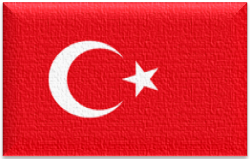
Turkey - Turkiye
2,600,000
06
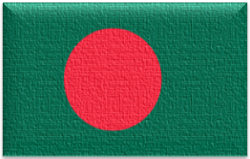
Bangladesh
2,546,994
07
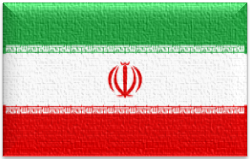
Iran
2,099,866
08
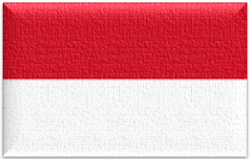
Indonesia
1,985,233
09

Pakistan
1,843,494
10
Algeria
1,813,467
Organisation of Islamic Cooperation (OIC)
History Of OIC 57 Member States, Objectives, Structure and Role
The Organisation of Islamic Cooperation (OIC) is an intergovernmental organization representing 57 member states across four continents. It was established in 1969 following the Rabat Islamic Summit and has developed into a permanent framework for political, economic, cultural, humanitarian, scientific and social cooperation among its member countries. The OIC describes itself as the second-largest intergovernmental organization after the United Nations by membership.
The organization is headquartered in Jeddah, Saudi Arabia, and operates through the Islamic Summit, Council of Foreign Ministers, General Secretariat, standing committees, specialized institutions, subsidiary organs and affiliated institutions. Its three official languages are Arabic, English and French.
The OIC’s present institutional framework is based on the OIC Charter adopted in Dakar, Senegal, in March 2008, which replaced the organization’s earlier charter and provides the legal and organizational framework for its activities.
What Is the OIC?
The Organisation of Islamic Cooperation, abbreviated as OIC, is an international intergovernmental organization whose membership consists of 57 states from Asia, Africa, Europe and South America.
The organization provides a platform through which its member states can consult and cooperate on matters affecting their shared interests. Its work covers political affairs, economic development, trade, science and technology, culture, humanitarian assistance, social development, education, information and other areas.
The OIC is not a single-state government or a supranational authority. Its member states remain sovereign countries and participate in the organization through diplomatic, ministerial and summit-level mechanisms.
OIC Full Form
OIC stands for Organisation of Islamic Cooperation.
The organization was formerly known as the Organization of the Islamic Conference. Its name was changed to the Organisation of Islamic Cooperation in 2011, reflecting the organization’s broader emphasis on cooperation among its member states.
The organization is sometimes referred to simply as the Islamic Cooperation Organization in translations, but Organisation of Islamic Cooperation is its official English name.
When Was the OIC Founded?
The OIC was established on 25 September 1969 at the Islamic Summit held in Rabat, Morocco.
The founding decision followed the 21 August 1969 arson attack at Al-Aqsa Mosque in Jerusalem. The Rabat meeting brought together leaders from Muslim-majority and other Muslim countries to establish a framework for collective cooperation.
The first meeting of the Islamic Conference of Foreign Ministers took place in Jeddah in 1970. That meeting decided to establish a permanent General Secretariat in Jeddah.
Why Was the OIC Created?
The establishment of the OIC was closely connected with the desire of participating Muslim countries to develop a permanent mechanism for consultation and cooperation.
The founding organization was intended to strengthen solidarity among member states and coordinate action on issues of common concern.
Important factors in its establishment included:
- The 1969 Al-Aqsa Mosque fire
- The Palestinian question
- The need for greater cooperation among Muslim countries
- Protection of shared religious and cultural interests
- Political consultation among member states
- Economic and social cooperation
- Promotion of international peace and cooperation
The OIC’s historical account identifies the 1969 Rabat Summit as the founding moment of the organization.
OIC Founding Members
The OIC was founded by 30 states participating in its initial formation. Over subsequent decades, membership expanded to 57 states.
The founding membership included countries from Africa, Asia and the Arab world, creating the geographical foundation for the organization’s later expansion.
The original membership was considerably smaller than today’s 57-member organization.
OIC Member Countries
The OIC currently has 57 member states. Its membership stretches across four continents: Africa, Asia, Europe and South America.
OIC Member States by Region
| Region | OIC Member Countries |
|---|---|
| Africa | Algeria, Benin, Burkina Faso, Cameroon, Chad, Comoros, Côte d’Ivoire, Djibouti, Egypt, Gabon, Gambia, Guinea, Guinea-Bissau, Libya, Mali, Mauritania, Morocco, Mozambique, Niger, Nigeria, Senegal, Sierra Leone, Somalia, Sudan, Togo, Tunisia, Uganda |
| Asia | Afghanistan, Azerbaijan, Bahrain, Bangladesh, Brunei, Indonesia, Iran, Iraq, Kazakhstan, Kyrgyzstan, Kuwait, Lebanon, Malaysia, Maldives, Oman, Pakistan, Palestine, Qatar, Saudi Arabia, Syria, Tajikistan, Türkiye, Turkmenistan, United Arab Emirates, Uzbekistan, Yemen |
| Europe | Albania |
| South America | Guyana, Suriname |
The OIC’s official member list records 57 member states and their dates of accession.
Complete OIC Member Countries and Joining Years
| No. | Member State | Joined |
|---|---|---|
| 1 | Afghanistan | 1969 |
| 2 | Albania | 1992 |
| 3 | Algeria | 1969 |
| 4 | Azerbaijan | 1992 |
| 5 | Bahrain | 1972 |
| 6 | Bangladesh | 1974 |
| 7 | Benin | 1983 |
| 8 | Burkina Faso | 1974 |
| 9 | Cameroon | 1974 |
| 10 | Chad | 1969 |
| 11 | Comoros | 1976 |
| 12 | Côte d’Ivoire | 2001 |
| 13 | Djibouti | 1978 |
| 14 | Egypt | 1969 |
| 15 | Gabon | 1974 |
| 16 | Gambia | 1974 |
| 17 | Guinea | 1969 |
| 18 | Guinea-Bissau | 1974 |
| 19 | Guyana | 1998 |
| 20 | Indonesia | 1969 |
| 21 | Iran | 1969 |
| 22 | Iraq | 1975 |
| 23 | Jordan | 1969 |
| 24 | Kazakhstan | 1995 |
| 25 | Kuwait | 1969 |
| 26 | Kyrgyzstan | 1992 |
| 27 | Lebanon | 1969 |
| 28 | Libya | 1969 |
| 29 | Malaysia | 1969 |
| 30 | Maldives | 1976 |
| 31 | Mali | 1969 |
| 32 | Mauritania | 1969 |
| 33 | Morocco | 1969 |
| 34 | Mozambique | 1994 |
| 35 | Niger | 1969 |
| 36 | Nigeria | 1986 |
| 37 | Oman | 1972 |
| 38 | Pakistan | 1969 |
| 39 | Palestine | 1969 |
| 40 | Qatar | 1972 |
| 41 | Saudi Arabia | 1969 |
| 42 | Senegal | 1969 |
| 43 | Sierra Leone | 1972 |
| 44 | Somalia | 1969 |
| 45 | Sudan | 1969 |
| 46 | Suriname | 1996 |
| 47 | Syria | 1972 |
| 48 | Tajikistan | 1992 |
| 49 | Togo | 1997 |
| 50 | Tunisia | 1969 |
| 51 | Türkiye | 1969 |
| 52 | Turkmenistan | 1992 |
| 53 | Uganda | 1974 |
| 54 | United Arab Emirates | 1972 |
| 55 | Uzbekistan | 1996 |
| 56 | Yemen | 1969 |
| 57 | Brunei Darussalam | 1984 |
The official OIC member-state database should be used as the authoritative reference for membership and accession dates.
OIC Member Countries by Continent
OIC Countries in Africa
Africa contains the largest concentration of OIC member states. Members extend from North Africa and the Sahel to West, Central and East Africa.
African OIC members include Algeria, Egypt, Libya, Morocco, Tunisia, Mauritania, Mali, Niger, Nigeria, Senegal, Somalia, Sudan, Uganda, Cameroon, Chad, Guinea, Sierra Leone, Gambia, Guinea-Bissau, Burkina Faso, Benin, Côte d’Ivoire, Ghana?
Note: Ghana is not an OIC member and should not be included in an OIC member-country table.
The complete official list should therefore be checked against the OIC membership database when publishing country tables.
OIC Countries in Asia
Asian membership includes some of the world’s largest Muslim-majority countries and extends from the Middle East to South and Southeast Asia and Central Asia.
Asian members include:
- Afghanistan
- Bangladesh
- Brunei Darussalam
- Indonesia
- Iran
- Iraq
- Kazakhstan
- Kyrgyzstan
- Malaysia
- Maldives
- Oman
- Pakistan
- Qatar
- Saudi Arabia
- Tajikistan
- Türkiye
- Turkmenistan
- United Arab Emirates
- Uzbekistan
- Yemen
- Bahrain
- Kuwait
- Lebanon
- Palestine
- Syria
- Azerbaijan
OIC Countries in Europe
The OIC’s official membership currently includes Albania as a European member state.
Türkiye also spans Europe and Asia geographically and is an OIC member.
OIC Countries in South America
Two South American states are members of the OIC:
- Guyana
- Suriname
Their membership gives the organization a formal presence in South America and contributes to the OIC’s four-continent geographical reach.
OIC Observer States and Organizations
The OIC also maintains observer relationships in addition to its 57 full member states.
The organization’s official observer list includes:
- Bosnia and Herzegovina
- Central African Republic
- Thailand
- Russian Federation
- Turkish Cypriot State
It also lists observer relationships involving organizations and institutions, including the United Nations, Non-Aligned Movement, League of Arab States and African Union.
Observer status should not be confused with full OIC membership.
OIC Headquarters
The OIC’s permanent headquarters is in Jeddah, Saudi Arabia.
The General Secretariat was established in Jeddah following the first Islamic Conference of Foreign Ministers in 1970.
The organization’s official contact information identifies the General Secretariat in Jeddah, Kingdom of Saudi Arabia.
OIC Official Languages
The OIC has three official languages:
- Arabic
- English
- French
These languages are established in Article 38 of the OIC Charter.
Arabic is particularly important because of the organization’s Islamic and Arab institutional heritage, while English and French facilitate communication among member states across Asia, Africa and other regions.
OIC Charter
The OIC Charter provides the organization’s institutional and legal framework.
The original charter was adopted in 1972 at the third Islamic Conference of Foreign Ministers. As the organization expanded and its activities developed, the charter was revised.
The current Charter was adopted at the Eleventh Islamic Summit Conference in Dakar, Senegal, on 13–14 March 2008.
The revised Charter defines the principles, objectives, institutions and working arrangements of the organization.
Objectives of the OIC
The OIC Charter establishes objectives covering political, economic, social, cultural, scientific and humanitarian cooperation.
Major objectives include:
- Strengthening Islamic solidarity among member states
- Protecting common interests
- Promoting cooperation among member countries
- Supporting international peace and security
- Encouraging dialogue among civilizations
- Promoting economic and trade cooperation
- Developing science and technology
- Supporting humanitarian cooperation
- Promoting cultural cooperation
- Protecting Islamic heritage
- Supporting development in member states
The organization’s stated objectives and activities are grounded in the OIC Charter.
Principles of the OIC
The OIC Charter establishes principles intended to guide relations between member states.
These include respect for:
- Sovereignty
- Independence
- Territorial integrity
- Non-interference
- Peaceful settlement of disputes
- International cooperation
- Equality among member states
The Charter provides the foundation for cooperation while recognizing the sovereignty of individual member countries.
Main Bodies of the OIC
The OIC has several principal institutions.
The major bodies include:
- Islamic Summit
- Council of Foreign Ministers
- General Secretariat
- Al-Quds Committee
- Standing committees
- Specialized institutions
- Subsidiary organs
- Affiliated institutions
The OIC identifies the Islamic Summit, Council of Foreign Ministers and General Secretariat among its principal organs.
Islamic Summit
The Islamic Summit is the highest-level decision-making forum of the OIC.
It brings together heads of state or government from member countries.
Summits provide an opportunity for member states to discuss major political, economic, humanitarian and security issues and to adopt declarations, resolutions and strategic frameworks.
The summit is particularly important for establishing broad political priorities for the organization.
Council of Foreign Ministers
The Council of Foreign Ministers, commonly known as the CFM, is another central institution of the OIC.
Foreign ministers and representatives of member states meet to discuss organizational affairs and international issues.
The Council reviews:
- OIC programmes
- Political developments
- Economic cooperation
- Social and cultural matters
- Institutional issues
- Resolutions
- Budgets
- Implementation of summit decisions
The OIC has held regular Council of Foreign Ministers sessions since its early years.
General Secretariat
The General Secretariat is the permanent administrative structure of the OIC.
It was established in Jeddah in 1970. The Secretary-General serves as the chief administrative officer of the organization.
The General Secretariat follows up decisions adopted by the Islamic Summit and Council of Foreign Ministers and coordinates work across the organization’s departments and institutions.
OIC Secretary-General
The Secretary-General is elected by the Council of Foreign Ministers for a five-year term, renewable once, according to the OIC’s institutional framework.
As of September 2026, the OIC Secretary-General is Ismail Ould Cheikh Ahmed of Mauritania. He was elected on 27 August 2026 and succeeded Hissein Brahim Taha.
His election marked a change in leadership after Taha’s tenure.
Previous OIC Secretary-Generals
The office of Secretary-General has been held by representatives from several member states.
The official OIC record lists:
| No. | Secretary-General | Country | Period |
|---|---|---|---|
| 1 | Tunku Abdul Rahman | Malaysia | 1971–1973 |
| 2 | Hassan Al-Touhami | Egypt | 1974–1975 |
| 3 | Amadou Karim Gaye | Senegal | 1975–1979 |
| 4 | Habib Chatty | Tunisia | 1979–1984 |
| 5 | Syed Sharifuddin Pirzada | Pakistan | 1985–1988 |
| 6 | Hamid Algabid | Niger | 1989–1996 |
| 7 | Azeddine Laraki | Morocco | 1997–2000 |
| 8 | Abdelouahed Belkeziz | Morocco | 2001–2004 |
| 9 | Ekmeleddin İhsanoğlu | Türkiye | 2005–2013 |
| 10 | Iyad Ameen Madani | Saudi Arabia | 2014–2016 |
| 11 | Yousef bin Ahmad Al-Othaimeen | Saudi Arabia | 2016–2021 |
| 12 | Hissein Brahim Taha | Chad | 2021–2026 |
| 13 | Ismail Ould Cheikh Ahmed | Mauritania | 2026– |
The OIC’s official General Secretariat record documents the historical succession of Secretary-Generals, while the organization’s 2026 announcements document the election and assumption of office of Ismail Ould Cheikh Ahmed.
OIC Standing Committees
The OIC operates several standing committees that focus on important areas of cooperation.
These include committees concerned with:
- Science and technology
- Economic and commercial cooperation
- Information and cultural affairs
- Palestine and Al-Quds affairs
The standing committees help member states coordinate policies and programmes within specific fields.
OIC and Palestine
The Palestinian question and Al-Quds have been central subjects in OIC activities since the organization’s establishment.
The OIC has maintained institutional mechanisms devoted to Palestine and Jerusalem, including the Al-Quds Committee.
The organization’s 2025 Istanbul Declaration reaffirmed the centrality of the Palestinian cause within OIC priorities.
The OIC also maintains a dedicated department dealing with Palestine and Al-Quds affairs.
OIC and Al-Quds
Al-Quds, or Jerusalem, occupies a significant place in the OIC’s institutional agenda.
The organization was established following the 1969 fire at Al-Aqsa Mosque, and Jerusalem-related issues have remained among its major areas of diplomatic activity.
The OIC maintains a dedicated institutional focus on Palestine and Al-Quds.
OIC Political Cooperation
Political cooperation is one of the organization’s major fields of activity.
Member states use OIC meetings to exchange views on international developments and coordinate positions on matters considered to affect common interests.
The General Secretariat supports communication and consultation among member states and follows up decisions adopted by the organization’s principal bodies.
OIC Economic Cooperation
Economic cooperation is another major part of OIC activities.
The organization promotes cooperation in areas including:
- Trade
- Investment
- Finance
- Infrastructure
- Development
- Food security
- Tourism
- Agriculture
- Industry
- Private-sector cooperation
Several OIC institutions contribute to economic development and statistical research among member states.
OIC Trade Cooperation
The OIC supports efforts to expand trade and economic links among member countries.
The Islamic Centre for Development of Trade (ICDT) is one of the specialized institutions associated with the OIC framework and works in areas related to trade and economic cooperation.
The OIC also uses ministerial and institutional mechanisms to discuss trade barriers, investment and economic integration.
OIC Science and Technology Cooperation
Science and technology are identified among the organization’s major cooperation areas.
The OIC has developed programmes and institutions dealing with:
- Scientific research
- Innovation
- Technology
- Education
- Research cooperation
- Capacity building
- Knowledge exchange
Science and technology were also included among the priority areas of the OIC’s long-term programmes.
OIC Humanitarian Cooperation
Humanitarian affairs form another important part of OIC activities.
The organization and its associated institutions address issues such as:
- Humanitarian emergencies
- Food security
- Poverty
- Refugees
- Displacement
- Natural disasters
- Health emergencies
- Humanitarian assistance
The OIC maintains a dedicated Humanitarian Affairs department within the General Secretariat.
OIC Cultural Cooperation
Cultural cooperation aims to strengthen exchanges among societies and preserve Islamic and historical heritage.
The OIC’s cultural activities include:
- Heritage preservation
- Cultural exchange
- Education
- Intercultural dialogue
- Islamic heritage
- Arts and literature
- Knowledge sharing
The OIC identifies cultural diversity, knowledge, heritage preservation and dialogue as important areas of its cultural work.
OIC Social Cooperation
The OIC also works on social and family-related issues.
Its institutional structure includes a Cultural, Social and Family Affairs department dealing with matters involving social development and related areas.
The organization has also convened ministerial meetings on issues involving women, youth, family and social development.
OIC and Women
Women’s participation and empowerment are included among the organization’s programme areas.
OIC member states hold ministerial-level meetings addressing women’s issues, social development and related subjects.
In July 2026, the OIC held its Ninth Session of the Ministerial Conference on Women in Islamabad, Pakistan.
OIC and Youth
Youth development is another area of cooperation.
The organization and affiliated institutions support programmes involving:
- Youth participation
- Education
- Leadership
- Cultural exchange
- Entrepreneurship
- Sports
- International cooperation
The OIC maintains a Youth and Sports Department within its General Secretariat.
OIC and Education
Education has long been included within the OIC’s cooperation agenda.
The organization promotes:
- Educational cooperation
- Academic exchanges
- Scientific research
- Knowledge development
- Capacity building
- Cultural education
Specialized OIC institutions also operate in educational, scientific and cultural fields.
OIC and Islamic Development Bank
The Islamic Development Bank (IsDB) is one of the specialized institutions associated with the OIC system.
It supports economic and social development projects in member countries and works in areas including infrastructure, education, health, finance and sustainable development.
The OIC identifies the Islamic Development Bank among its specialized institutions.
OIC and SESRIC
The Statistical, Economic and Social Research and Training Centre for Islamic Countries, commonly known as SESRIC, is an OIC subsidiary organ.
It produces research and statistical material concerning member countries and supports training and institutional cooperation.
SESRIC was established to contribute to economic and social research and capacity building among OIC member states.
OIC and IRCICA
The Research Centre for Islamic History, Art and Culture, known as IRCICA, is another OIC subsidiary institution.
It focuses on Islamic history, art, culture, heritage and related research.
IRCICA is based in Istanbul, Türkiye.
OIC and COMCEC
The Standing Committee for Economic and Commercial Cooperation of the Organization of Islamic Cooperation, commonly called COMCEC, is an important OIC economic cooperation mechanism.
It works on economic and commercial cooperation among member states.
Its areas include trade, investment, finance, agriculture, tourism and other sectors connected with economic development.
OIC Institutions and Organizations
The OIC operates through a broad institutional network.
Examples include:
- Islamic Development Bank
- SESRIC
- IRCICA
- Islamic Centre for Development of Trade
- COMCEC
- Islamic Chamber of Commerce and Development
- Standards and Metrology Institute for Islamic Countries
- Islamic Cooperation Youth Forum
- Other subsidiary and affiliated institutions
The OIC’s institutional system distinguishes between principal organs, specialized institutions, subsidiary organs and affiliated institutions.
OIC Departments
The OIC General Secretariat includes departments dealing with numerous policy areas.
Its official departmental structure includes:
- Cabinet of the Secretary-General
- Palestine and Al-Quds Affairs
- Political Affairs
- Economic Affairs
- Science and Technology
- Humanitarian Affairs
- Cultural, Social and Family Affairs
- Information
- Protocol and Public Relations
- Legal Affairs
- Conference Affairs
- Information Technology
- Administration and Finance
- Youth and Sports
- Information Resources
OIC and the United Nations
The OIC maintains consultative and cooperative relations with the United Nations.
The OIC’s history page states that the organization works with the UN and other intergovernmental organizations on issues involving the interests of its member states and international peace and conflict resolution.
The United Nations is also listed by the OIC as an observer organization.
OIC and International Organizations
The OIC maintains relationships with numerous international and regional organizations.
Its official observer list includes:
- United Nations
- African Union
- League of Arab States
- Non-Aligned Movement
- Economic Cooperation Organization
These relationships provide channels for diplomatic coordination and international cooperation.
OIC Regional Groups
The OIC’s member states are broadly organized into regional groups reflecting their geographic locations.
The three main regional groupings are:
- Arab Group
- African Group
- Asian Group
This arrangement reflects the geographical diversity of the OIC membership and supports coordination within the organization’s institutional framework.
OIC Ten-Year Programme of Action
In December 2005, the Third Extraordinary Islamic Summit in Makkah adopted a Ten-Year Programme of Action designed to address challenges facing OIC member states.
The programme covered areas including:
- Political cooperation
- Economic development
- Science and technology
- Education
- Social development
- Humanitarian affairs
- Counter-terrorism
- Culture
- Institutional reform
The programme was followed by the OIC-2025 Programme of Action.
OIC-2025 Programme of Action
The OIC-2025 Programme of Action established a broad framework covering 18 priority areas and 107 goals.
Its areas included:
- Peace and security
- Palestine and Al-Quds
- Poverty reduction
- Counter-terrorism
- Investment and finance
- Food security
- Science and technology
- Climate change
- Sustainability
- Moderation
- Culture
- Interfaith harmony
- Women’s empowerment
- Humanitarian cooperation
- Human rights
- Good governance
OIC and Counter-Terrorism
Counter-terrorism is among the areas included in OIC programmes.
The organization works through political cooperation, declarations, resolutions and institutional activities addressing terrorism and violent extremism.
The OIC’s programme framework has included counter-terrorism alongside peace, security and international cooperation.
OIC and Human Rights
Human rights are included within the OIC’s institutional agenda.
The organization addresses human-rights issues through its charter, ministerial resolutions, diplomatic activities and specialized institutional mechanisms.
The OIC-2025 Programme of Action included human rights and good governance among its priority areas.
OIC and Islamophobia
The OIC has addressed discrimination and negative stereotyping affecting Muslims as part of its international activities.
The organization’s historical materials describe efforts to address discrimination against Muslims and misperceptions concerning Islam.
The organization also maintains information and diplomatic mechanisms dealing with international public discourse concerning Islam and Muslim communities.
OIC and Religious Minorities
The OIC’s activities include attention to Muslim communities outside member states.
Its institutional and diplomatic work has addressed issues concerning Muslim minorities, discrimination, religious freedom and social inclusion.
The organization has also used its international relationships to raise issues concerning Muslim communities in different parts of the world.
OIC and Cultural Heritage
Preservation of Islamic cultural and historical heritage is part of OIC cultural cooperation.
The organization’s cultural institutions support research and preservation involving:
- Islamic architecture
- Manuscripts
- Historical sites
- Art
- Literature
- Scientific heritage
- Museums
- Cultural traditions
IRCICA is one of the OIC institutions working specifically in Islamic history, art and culture.
OIC Economic and Development Institutions
The OIC’s institutional network extends well beyond political diplomacy.
Its economic and development-related institutions contribute to:
- Development financing
- Trade promotion
- Statistical research
- Economic studies
- Investment
- Standards
- Private-sector cooperation
- Food security
This institutional structure allows OIC cooperation to continue between major summits and ministerial meetings.
OIC and Food Security
Food security is an important development issue for many OIC countries because the membership includes states with different agricultural environments, income levels and food-import requirements.
OIC programmes have identified food security as one of the major areas requiring cooperation among member states.
Cooperation can include agricultural development, food trade, investment, research and humanitarian assistance.
OIC and Climate Change
Climate change and sustainability have also become part of the organization’s development agenda.
OIC member states include countries exposed to:
- Drought
- Desertification
- Flooding
- Rising temperatures
- Water scarcity
- Coastal risks
- Food-security pressures
Climate change was included among the priority areas of the OIC-2025 Programme of Action.
OIC and Science and Innovation
Scientific cooperation is intended to strengthen research capacity and knowledge exchange among member states.
The OIC framework promotes cooperation in:
- Scientific research
- Higher education
- Innovation
- Technology
- Research institutions
- Digital development
- Technical training
The organization’s science and technology structures are part of its broader development agenda.
OIC and Information Cooperation
Information and communication are important because the OIC operates across 57 countries with different languages, media environments and political systems.
The organization maintains an Information Department and works through conferences, publications, statements and other communication mechanisms.
OIC and International Diplomacy
The OIC provides a multilateral diplomatic platform for its member states.
Through summits, foreign-minister meetings, specialized conferences and international representation, member states can exchange views and coordinate positions on matters of common interest.
The organization therefore operates as both a diplomatic forum and a framework for sectoral cooperation.
OIC’s Role in the Muslim World
The OIC describes itself as a collective voice of the Muslim world.
Its membership includes countries with different political systems, economies, cultures, languages and geographic conditions.
Rather than functioning as a single political government, the organization provides an intergovernmental framework through which member countries coordinate on selected areas.
OIC’s Geographical Reach
The OIC is geographically diverse.
Its members extend:
- From West Africa to East Africa
- Across North Africa
- From the Middle East to Central Asia
- Across South Asia
- Into Southeast Asia
- Into Europe
- To South America
The official OIC history describes its 57 members as being spread across four continents.
OIC Timeline
| Year | Major Event |
|---|---|
| 1969 | Rabat Summit establishes the OIC |
| 1970 | First Foreign Ministers Conference held in Jeddah |
| 1970 | Permanent General Secretariat established |
| 1972 | First OIC Charter adopted |
| 1973 | OIC Charter registered with the United Nations |
| 1975 | Islamic Development Bank established |
| 1981 | First Islamic Summit in Makkah |
| 1991 | New international developments reshape OIC cooperation |
| 1994 | Bosnia and Herzegovina receives observer status |
| 1998 | Guyana joins the OIC |
| 2001 | Côte d’Ivoire joins |
| 2005 | Ten-Year Programme of Action adopted |
| 2008 | Revised OIC Charter adopted in Dakar |
| 2011 | Organization changes its name to Organisation of Islamic Cooperation |
| 2016 | OIC-2025 Programme of Action adopted |
| 2021 | Hissein Brahim Taha becomes Secretary-General |
| 2024 | OIC continues cooperation through 57 member states |
| 2025 | 51st Council of Foreign Ministers held in Istanbul |
| 2026 | Ismail Ould Cheikh Ahmed becomes Secretary-General |
The historical milestones are based primarily on official OIC historical, charter and institutional records.
OIC and Pakistan
Pakistan is one of the founding members of the OIC, having joined in 1969.
Pakistan has hosted important OIC meetings, including sessions of the Council of Foreign Ministers.
The OIC’s official records identify Pakistan as a member since 1969.
Pakistan has also participated in OIC initiatives concerning political affairs, economic cooperation, science, education, humanitarian issues and the Palestinian question.
OIC and Saudi Arabia
Saudi Arabia is a founding member of the OIC and hosts the organization’s permanent headquarters in Jeddah.
The General Secretariat has operated from Jeddah since its establishment in 1970.
Saudi Arabia has also hosted major Islamic Summit and ministerial-level meetings.
OIC and Indonesia
Indonesia is one of the OIC’s founding members.
As the world’s most populous Muslim-majority country, Indonesia represents a major Southeast Asian member of the organization.
Indonesia has participated in OIC political, economic, cultural and development activities since 1969.
OIC and Türkiye
Türkiye is a founding OIC member.
It has hosted important OIC institutions and meetings, including organizations located in Istanbul such as SESRIC and IRCICA, while COMCEC also operates from Türkiye.
Türkiye joined the organization in 1969 according to the official OIC member database.
OIC and Africa
Africa has a large OIC membership encompassing North, West, Central and East African states.
African members participate in OIC cooperation covering:
- Development
- Trade
- Food security
- Education
- Science
- Humanitarian affairs
- Political coordination
- Cultural cooperation
The large African membership is one reason the OIC has a broad geographical and economic scope.
OIC and Asia
Asia is another major center of OIC membership.
Asian OIC countries include states from:
- Central Asia
- South Asia
- Southeast Asia
- The Middle East
- The Caucasus
This geographical spread gives the organization substantial diversity in economic systems, cultures, languages and development levels.
OIC and South America
Guyana and Suriname are OIC members in South America.
Their membership demonstrates that OIC participation is not limited geographically to the traditional Muslim-majority regions of Asia, Africa and the Middle East.
Both countries are listed as full members in the organization’s official membership database.
OIC Membership and Sovereignty
The OIC is an intergovernmental organization.
Its member countries retain their national sovereignty and independent governments.
OIC decisions are adopted through the organization’s institutional procedures, but implementation generally depends on the member states and the relevant OIC organs.
This distinguishes the OIC from a federal or supranational political union.
How Does the OIC Make Decisions?
The OIC uses several levels of decision-making.
The major levels include:
- Islamic Summit
- Council of Foreign Ministers
- Ministerial conferences
- Permanent committees
- General Secretariat
- Specialized and subsidiary institutions
Major strategic and political issues can be addressed at summit level, while ministers and specialized institutions handle more specific areas.
OIC Meetings and Conferences
The organization conducts numerous meetings throughout the year.
These include:
- Islamic Summits
- Council of Foreign Ministers
- Extraordinary ministerial meetings
- Specialized ministerial conferences
- Expert meetings
- Standing committee meetings
- Institutional coordination meetings
The OIC’s official conference archive provides records of its ministerial and summit meetings.
OIC’s Role in International Peace
The OIC’s Charter includes international peace and cooperation among its objectives.
The organization uses diplomatic consultation, resolutions, statements and international engagement to address conflicts and crises affecting its member states and other areas of concern.
OIC and Conflict Resolution
Conflict resolution is part of the organization’s wider diplomatic role.
The OIC can provide a platform for:
- Diplomatic consultation
- Mediation efforts
- Joint statements
- International advocacy
- Humanitarian coordination
- Support for peaceful settlement
Its ability to act depends on decisions made by its member states and the mandates provided through its institutions.
OIC’s Role in International Forums
The OIC engages with international organizations and forums through its General Secretariat and member-state delegations.
It seeks to coordinate positions on issues where members have common interests.
Its relationships with the United Nations, African Union, Arab League and other organizations are part of this broader diplomatic framework.
OIC and Interfaith Dialogue
The OIC includes dialogue and cultural understanding among its areas of cooperation.
Its cultural work emphasizes moderation, tolerance, respect for diversity and dialogue among cultures.
Interfaith and intercultural dialogue therefore form part of the organization’s broader cultural and international cooperation activities.
OIC and Islamic Heritage
The OIC supports the preservation and study of Islamic heritage.
This includes historical, cultural, artistic and intellectual traditions developed across Muslim societies.
Institutions such as IRCICA contribute research and documentation in Islamic history, art and culture.
OIC’s Institutional Network
One of the defining characteristics of the modern OIC is the size of its institutional network.
The organization includes:
- Principal organs
- Subsidiary organs
- Specialized institutions
- Affiliated institutions
- Permanent committees
- Specialized departments
- Overseas offices
The official OIC structure includes overseas offices in locations such as New York, Geneva, Brussels, Baghdad, Kabul, Somalia, Niger and Ramallah.
OIC Overseas Offices
The organization maintains offices outside its headquarters to support its international activities.
These include offices in:
- New York
- Geneva
- Brussels
- Baghdad
- Kabul
- Somalia
- Niger
- Ramallah
These offices support communication and representation in different international and regional environments.
OIC Membership Expansion
The OIC expanded substantially after its establishment.
Its membership grew from 30 founding members to 57 member states.
New members joined from different parts of Africa, Asia, Europe and South America.
This expansion transformed the organization from a relatively small group of states into a large intergovernmental organization with worldwide geographical reach.
OIC Current Leadership
As of September 2026:
Secretary-General: Ismail Ould Cheikh Ahmed
Nationality: Mauritanian
Elected: 27 August 2026
Assumed office: August 2026
Predecessor: Hissein Brahim Taha
The OIC officially announced his election and subsequent assumption of office in August 2026.
OIC Facts at a Glance
| Category | Information |
|---|---|
| Full Name | Organisation of Islamic Cooperation |
| Abbreviation | OIC |
| Founded | 25 September 1969 |
| Founding Summit | Rabat, Morocco |
| Founding Membership | 30 states |
| Current Membership | 57 states |
| Geographic Reach | Africa, Asia, Europe and South America |
| Headquarters | Jeddah, Saudi Arabia |
| Official Languages | Arabic, English and French |
| First Foreign Ministers Meeting | Jeddah, 1970 |
| First Charter | 1972 |
| Current Charter | Adopted in Dakar, 2008 |
| Current Secretary-General | Ismail Ould Cheikh Ahmed |
| Secretary-General Elected | 27 August 2026 |
| Main Political Body | Islamic Summit |
| Ministerial Body | Council of Foreign Ministers |
| Administrative Body | General Secretariat |
| Major Areas | Political, economic, cultural, scientific, social and humanitarian cooperation |
Frequently Asked Questions About the OIC
What does OIC stand for?
OIC stands for Organisation of Islamic Cooperation.
When was the OIC founded?
The OIC was established on 25 September 1969 at the Rabat Summit in Morocco.
How many countries are members of the OIC?
The OIC has 57 member states.
Where is the OIC headquarters?
The OIC headquarters is in Jeddah, Saudi Arabia.
Who is the current OIC Secretary-General?
As of September 2026, Ismail Ould Cheikh Ahmed of Mauritania is the Secretary-General of the OIC. He was elected on 27 August 2026.
What are the official languages of the OIC?
The three official languages are Arabic, English and French.
Why was the OIC created?
The organization was established following the 1969 Rabat Summit, which took place after the fire at Al-Aqsa Mosque. Its broader purpose is to strengthen cooperation and solidarity among member states.
Is the OIC a military alliance?
No. The OIC is an intergovernmental organization whose activities include political, economic, cultural, scientific, humanitarian and social cooperation.
Is the OIC part of the United Nations?
No. The OIC and United Nations are separate international organizations. However, the OIC maintains consultative and cooperative relations with the UN.
How many continents have OIC member countries?
OIC membership extends across four continents: Africa, Asia, Europe and South America.
Which South American countries are members of the OIC?
Guyana and Suriname are OIC member states.
Is Pakistan a founding member of the OIC?
Yes. Pakistan is listed by the OIC as a member since 1969, the year the organization was established.
Is Indonesia a founding member of the OIC?
Yes. Indonesia is listed as an OIC member since 1969.
Is Türkiye a member of the OIC?
Yes. Türkiye has been an OIC member since 1969.
Is Albania an OIC member?
Yes. Albania joined the OIC in 1992.
How many OIC member states are in Africa?
The OIC has a large African membership. The exact number can be derived from the organization’s current official member list, which should be used when publishing statistical tables because membership classifications and official country naming can change.
What is the OIC Charter?
The OIC Charter is the organization’s principal constitutional document. The current Charter was adopted in Dakar, Senegal, in March 2008.
When was the first OIC Charter adopted?
The first OIC Charter was adopted in 1972 at the third Islamic Conference of Foreign Ministers.
What are the main organs of the OIC?
The principal institutional bodies include the Islamic Summit, Council of Foreign Ministers and General Secretariat, alongside committees and other specialized, subsidiary and affiliated institutions.
What is the Islamic Summit?
The Islamic Summit is the highest-level gathering of OIC member states, bringing together heads of state or government to discuss major issues and establish broad organizational priorities.
What is the Council of Foreign Ministers?
The Council of Foreign Ministers is a central OIC decision-making and coordination body where foreign ministers and representatives of member states discuss political, economic and organizational matters.
What does the OIC do?
The OIC facilitates cooperation among its member states in political, economic, humanitarian, cultural, scientific, social and other areas.
What is the OIC’s position on Palestine?
The Palestinian question and Al-Quds have been central to OIC activities since its establishment, and Palestine and Al-Quds remain major areas of institutional and diplomatic work.
Key Takeaways
The Organisation of Islamic Cooperation (OIC) was established in Rabat, Morocco, on 25 September 1969. It began with 30 founding states and has grown to 57 member countries across Africa, Asia, Europe and South America.
The organization’s permanent headquarters is in Jeddah, Saudi Arabia, while its three official languages are Arabic, English and French. Its current Charter was adopted in Dakar in 2008.
The OIC works through the Islamic Summit, Council of Foreign Ministers, General Secretariat, standing committees and a network of specialized, subsidiary and affiliated institutions.
Its areas of work include political cooperation, Palestine and Al-Quds affairs, economic development, trade, science and technology, humanitarian assistance, culture, education, social development, women’s empowerment, youth affairs, food security and international cooperation.
As of September 2026, Ismail Ould Cheikh Ahmed of Mauritania serves as Secretary-General after being elected on 27 August 2026.
Official Sources
OIC 57 countries list
age structure of population : age structure
The North Atlantic Treaty Organization (NATO): History, Members, Purpose and Article 5
What Is NATO?
The North Atlantic Treaty Organization, commonly known as NATO, is a political and military alliance linking countries in Europe and North America. It was established after the Second World War to help preserve peace and security across the North Atlantic area and to provide a framework for collective defence.
NATO was founded on 4 April 1949, when 12 countries signed the North Atlantic Treaty in Washington, D.C. Since its creation, the Alliance has expanded through successive rounds of enlargement and now consists of 32 member countries, known as NATO Allies.
The central principle of NATO is collective defence. Under Article 5 of the North Atlantic Treaty, an armed attack against one or more members is considered an attack against all, creating a commitment for Allies to assist the attacked country or countries.
NATO is also a forum where member governments consult on security and defence matters, coordinate policies, develop military capabilities and conduct multinational activities. Its decisions are made by consensus, meaning that NATO decisions represent the collective agreement of its sovereign member countries.
NATO Full Form and Meaning
NATO stands for North Atlantic Treaty Organization.
The organization is also commonly called the North Atlantic Alliance or simply the Alliance. Its founding document is the North Atlantic Treaty, which is also known as the Washington Treaty because it was signed in Washington, D.C.
The treaty contains 14 articles covering principles including collective defence, cooperation, consultation, membership and the geographical scope of the Alliance. NATO’s founding treaty remains the legal foundation of the organization.
When Was NATO Founded?
NATO was founded on 4 April 1949.
The North Atlantic Treaty was signed in Washington, D.C., by representatives of 12 countries from Europe and North America. The founding members were Belgium, Canada, Denmark, France, Iceland, Italy, Luxembourg, the Netherlands, Norway, Portugal, the United Kingdom and the United States.
The organization emerged from a period of major political and security changes following the Second World War. European countries were rebuilding after the conflict, while tensions between Western governments and the Soviet Union were increasing.
The treaty established a permanent framework for political consultation and collective defence among its members.
Why Was NATO Created?
NATO was created in the aftermath of the Second World War as European and North American governments sought a durable security arrangement.
The original treaty focused heavily on collective defence and mutual assistance. NATO’s official historical material explains that the 1949 treaty was intended to create a mutual-assistance pact in response to concerns about the expansion of Soviet control in Eastern Europe.
Several developments contributed to the creation of the Alliance, including:
- The destruction and instability caused by the Second World War
- Security concerns in post-war Europe
- Growing tensions between Western countries and the Soviet Union
- The need for closer cooperation between North American and European states
- The desire to establish a collective defence system
- The need for regular consultation on security issues
- NATO therefore began as both a political and military organization rather than simply a wartime command structure.
NATO Founding Members in 1949
The original NATO membership consisted of 12 countries.
| No. | Founding Member | Year Joined |
|---|---|---|
| 1 | Belgium | 1949 |
| 2 | Canada | 1949 |
| 3 | Denmark | 1949 |
| 4 | France | 1949 |
| 5 | Iceland | 1949 |
| 6 | Italy | 1949 |
| 7 | Luxembourg | 1949 |
| 8 | Netherlands | 1949 |
| 9 | Norway | 1949 |
| 10 | Portugal | 1949 |
| 11 | United Kingdom | 1949 |
| 12 | United States | 1949 |
These 12 countries signed the North Atlantic Treaty on 4 April 1949.
NATO Member Countries
NATO has 32 member countries as of 2026. The member states are sovereign countries that participate in NATO consultations, collective decisions and common security arrangements.
| No. | NATO Member Country | Year Joined |
|---|---|---|
| 1 | Albania | 2009 |
| 2 | Belgium | 1949 |
| 3 | Bulgaria | 2004 |
| 4 | Canada | 1949 |
| 5 | Croatia | 2009 |
| 6 | Czechia | 1999 |
| 7 | Denmark | 1949 |
| 8 | Estonia | 2004 |
| 9 | Finland | 2023 |
| 10 | France | 1949 |
| 11 | Germany | 1955 |
| 12 | Greece | 1952 |
| 13 | Hungary | 1999 |
| 14 | Iceland | 1949 |
| 15 | Italy | 1949 |
| 16 | Latvia | 2004 |
| 17 | Lithuania | 2004 |
| 18 | Luxembourg | 1949 |
| 19 | Montenegro | 2017 |
| 20 | Netherlands | 1949 |
| 21 | North Macedonia | 2020 |
| 22 | Norway | 1949 |
| 23 | Poland | 1999 |
| 24 | Portugal | 1949 |
| 25 | Romania | 2004 |
| 26 | Slovakia | 2004 |
| 27 | Slovenia | 2004 |
| 28 | Spain | 1982 |
| 29 | Sweden | 2024 |
| 30 | Türkiye | 1952 |
| 31 | United Kingdom | 1949 |
| 32 | United States | 1949 |
NATO expanded from 12 founding members to 32 Allies through 10 rounds of enlargement.
NATO Enlargement and Expansion
NATO enlargement has taken place in several stages since the original 12 countries created the Alliance.
1952: Greece and Türkiye
Greece and Türkiye became NATO members in 1952, expanding the Alliance into southeastern Europe and the eastern Mediterranean.
1955: Germany
The Federal Republic of Germany joined NATO on 6 May 1955. Its accession followed extensive post-war discussions about European defence and the position of West Germany within Western security structures.
1982: Spain
Spain became a NATO member in 1982, adding another major country in southwestern Europe to the Alliance.
1999: Czechia, Hungary and Poland
After the end of the Cold War, NATO entered a new period of enlargement. Czechia, Hungary and Poland joined in 1999.
2004: Seven New Members
The largest single enlargement to that point took place in 2004, when Bulgaria, Estonia, Latvia, Lithuania, Romania, Slovakia and Slovenia joined.
2009: Albania and Croatia
Albania and Croatia became NATO members in 2009.
2017: Montenegro
Montenegro joined NATO in 2017.
2020: North Macedonia
North Macedonia became NATO’s 30th member in 2020.
2023: Finland
Finland joined NATO in 2023.
2024: Sweden
Sweden became NATO’s 32nd member on 7 March 2024 after completing the required ratification procedures.
NATO Membership Requirements
NATO’s membership framework is connected to Article 10 of the North Atlantic Treaty.
The treaty states that membership is open to a European state that is in a position to further the principles of the treaty and contribute to the security of the North Atlantic area. An invitation requires agreement among the existing Allies.
Countries seeking membership may undertake political, legal, military and institutional reforms as part of the accession process.
NATO membership therefore involves more than simply submitting an application. The candidate country must meet the requirements established through the Alliance’s political and accession processes.
NATO’s Main Purpose
NATO’s fundamental purpose is collective defence.
The Alliance provides a permanent framework through which its members can:
- Consult on security issues
- Coordinate defence policies
- Develop military capabilities
- Conduct joint exercises
- Prepare for collective defence
- Respond to security crises
- Cooperate with partner countries
- Strengthen resilience
- Coordinate political and military planning
NATO’s current Strategic Concept reaffirms collective defence as the organization’s key purpose.
NATO’s Three Core Tasks
NATO’s 2022 Strategic Concept identifies three core tasks:
- Deterrence and defence
- Crisis prevention and management
- Cooperative security
These tasks provide the framework for NATO’s contemporary political and military activities.
Deterrence and Defence
Deterrence and defence are central to NATO’s collective-defence commitment. The Alliance maintains military capabilities, plans for different security situations and conducts exercises intended to strengthen readiness.
Crisis Prevention and Management
NATO can contribute to preventing, managing and responding to crises when Allies determine that action is appropriate.
This task has included military operations, crisis-response activities and support for international security efforts.
Cooperative Security
NATO also works with non-member countries and international organizations through partnerships, dialogue, training and cooperation.
NATO Article 5 Explained
Article 5 is one of the most important provisions of the North Atlantic Treaty.
It establishes the principle that an armed attack against one or more NATO members in the circumstances covered by the treaty is considered an attack against all members. Each Ally commits to assist the attacked member by taking whatever action it considers necessary to restore and maintain security. Such assistance does not automatically require every country to use armed force.
Article 5 is therefore a collective-defence commitment rather than a provision that automatically declares war.
Has NATO Ever Invoked Article 5?
NATO has invoked Article 5 only once.
The Alliance invoked Article 5 following the terrorist attacks against the United States on 11 September 2001. NATO’s official record identifies this as the first and only invocation of Article 5 in the organization’s history.
The decision demonstrated that Article 5 can apply to circumstances beyond a conventional military attack between states, although the specific assistance provided by each Ally is determined according to the treaty and national decisions.
Article 5 and the United Nations Charter
NATO’s collective-defence system is connected to the principles of the United Nations Charter.
NATO identifies Article 51 of the UN Charter as the basis recognizing the inherent right of individual and collective self-defence. Article 5 provides the treaty framework through which NATO members commit to mutual assistance.
Does Article 5 Automatically Mean War?
Article 5 does not require every NATO country to respond in exactly the same way.
The treaty requires each Ally to assist the attacked member by taking the action it considers necessary. NATO explains that this assistance may or may not involve the use of armed force.
The nature of an Article 5 response can therefore depend on the circumstances of the attack and the decisions of individual Allies.
How Does NATO Make Decisions?
NATO makes decisions through consensus.
Consensus means that all member countries participate in consultation and a decision is adopted through common agreement rather than majority voting. NATO states that consensus has been the fundamental basis of its decision-making since the Alliance was established in 1949.
This principle applies across NATO’s political and committee structures.
North Atlantic Council
The North Atlantic Council, commonly abbreviated as NAC, is NATO’s principal political decision-making body.
Each member country is represented in the Council. Depending on the subject, countries may be represented by ambassadors, foreign ministers, defence ministers or heads of government and state.
The Council provides the main political forum in which Allies consult, discuss security matters and make collective decisions.
NATO Headquarters
NATO Headquarters is located in Brussels, Belgium.
It serves as the political and administrative centre of the Alliance and is the permanent home of the North Atlantic Council. National delegations, the International Staff and the International Military Staff also work there.
NATO’s headquarters was initially located in London, later moved to Paris in 1952, and transferred to Brussels in 1967.
NATO’s Political Structure
NATO has a political structure through which member governments coordinate policies and make collective decisions.
Important elements include:
- North Atlantic Council
- Secretary General
- National delegations
- International Staff
- Military Committee
- International Military Staff
- Various subordinate committees
The political structure enables countries with different national interests and defence policies to consult continuously.
NATO’s Military Structure
NATO also maintains an integrated military structure supporting collective defence and military planning.
Two major strategic military commands are:
- Allied Command Operations
- Allied Command Transformation
Allied Command Operations focuses on planning and conducting military operations, while Allied Command Transformation works on the development and transformation of NATO’s military capabilities.
Military forces remain under national authority, but member countries can make forces available for NATO activities and operations according to agreed arrangements.
NATO Military Cooperation
NATO military cooperation includes:
- Joint exercises
- Defence planning
- Interoperability development
- Military education
- Logistics cooperation
- Intelligence cooperation
- Air and maritime security
- Cyber defence
- Readiness activities
- Multinational capability development
Joint exercises allow NATO members to practice working together and improve interoperability between national forces.
NATO and Defence Planning
NATO defence planning helps members coordinate their military capabilities with the requirements of collective defence.
The process involves identifying capability requirements and encouraging Allies to develop the forces, equipment, infrastructure and other capabilities needed to meet agreed objectives.
National governments remain responsible for their own armed forces and defence budgets.
NATO and Nuclear Deterrence
Nuclear deterrence has been part of NATO’s security policy since the Cold War.
The Alliance describes itself as a nuclear alliance and maintains that its nuclear capabilities contribute to deterrence. NATO’s 2022 Strategic Concept states that the fundamental purpose of its nuclear capability is to preserve peace, prevent coercion and deter aggression.
The United States provides the principal nuclear capabilities assigned to NATO, while the United Kingdom and France maintain their own independent nuclear forces.
NATO’s nuclear policy includes consultation among Allies through the Nuclear Planning Group.
NATO During the Cold War
The Cold War shaped NATO’s development during its first four decades.
The Alliance was created in 1949 amid growing tensions between Western governments and the Soviet Union. NATO’s collective-defence system became an important element of Western European security during the Cold War.
The establishment of the Warsaw Pact in 1955 created a corresponding military alliance in the Soviet-led Eastern European bloc.
NATO and the Warsaw Pact became major opposing military structures during the Cold War.
NATO and the Warsaw Pact
The Warsaw Pact was established in 1955 by the Soviet Union and several Eastern European communist states.
Its creation followed West Germany’s admission to NATO and contributed to the military division of Europe during the Cold War.
NATO and the Warsaw Pact did not engage in a direct full-scale military war against one another, but both maintained large military forces and developed plans for a potential conflict.
The Warsaw Pact dissolved in 1991 following the collapse of communist governments across Eastern Europe and the end of the Cold War.
NATO After the Cold War
The end of the Cold War transformed NATO’s strategic environment.
The Soviet Union dissolved in 1991, the Warsaw Pact ended and the political structure of Europe changed significantly.
NATO subsequently developed new relationships with former Warsaw Pact countries and other states outside the Alliance.
The organization also became involved in crisis-management operations and international security missions beyond its original Cold War setting.
NATO Enlargement After 1991
Post-Cold War enlargement became one of the most important developments in NATO’s history.
Former communist countries in Central and Eastern Europe began developing closer relationships with NATO. Several eventually became full members.
The major enlargement rounds after the Cold War occurred in:
- 1999
- 2004
- 2009
- 2017
- 2020
- 2023
- 2024
NATO identifies 10 enlargement rounds in total since 1949.
NATO and the Partnership for Peace
The Partnership for Peace, established in 1994, created a framework for cooperation between NATO and partner countries.
It allowed non-member countries to work with NATO in areas such as defence reform, military cooperation, training and interoperability.
The programme became an important part of NATO’s post-Cold War partnership policy.
NATO Partnerships
NATO cooperates with countries outside the Alliance through a range of partnership frameworks.
Partnership activities can include:
- Political dialogue
- Military training
- Defence reform
- Joint exercises
- Capacity building
- Crisis-management cooperation
- Cybersecurity cooperation
- Interoperability development
NATO’s partnerships have developed substantially since the end of the Cold War.
NATO and the European Union
NATO and the European Union are separate organizations with different memberships, institutions and responsibilities.
Their areas of cooperation include:
- Defence and security
- Military mobility
- Cybersecurity
- Resilience
- Countering hybrid threats
- Crisis management
- Defence capabilities
Many European Union countries are also NATO members, creating significant overlap between the two organizations.
NATO and the United Nations
NATO’s activities are conducted within the framework of international law and its founding treaty.
The North Atlantic Treaty references the principles of the United Nations Charter, while Article 5 is connected to the right of individual and collective self-defence recognized in Article 51 of the UN Charter.
NATO has also cooperated with the United Nations in different international security contexts.
NATO and International Military Operations
Throughout its history, NATO has conducted or supported a number of military and security operations.
These have included activities in:
- The Balkans
- Afghanistan
- Libya
- The Mediterranean
- Iraq
- Other crisis and security environments
NATO’s role has changed over time according to decisions made by its member governments and the security circumstances involved.
NATO in the Balkans
The Balkans became an important area of NATO activity following the conflicts associated with the breakup of Yugoslavia.
NATO conducted military operations in Bosnia and Herzegovina during the 1990s and later became involved in Kosovo.
These operations marked an important transition in NATO’s post-Cold War activities.
NATO in Afghanistan
Following the 11 September 2001 attacks, NATO became involved in Afghanistan.
The International Security Assistance Force, or ISAF, was established under a United Nations mandate. NATO took command and coordination of ISAF in August 2003.
NATO’s Afghanistan mission involved security operations, training and assistance to Afghan security institutions.
The ISAF mission ended in 2014, after which NATO established the Resolute Support Mission focused on training, advising and assisting Afghan security institutions.
NATO and Libya
In 2011, NATO conducted Operation Unified Protector in connection with the international response to the conflict in Libya.
The operation involved enforcement of an arms embargo, a no-fly zone and measures intended to protect civilians under the relevant UN Security Council resolutions.
It ended in October 2011.
NATO and Maritime Security
NATO conducts maritime security activities in the North Atlantic, Mediterranean and other areas.
Maritime cooperation can involve:
- Surveillance
- Patrols
- Naval exercises
- Counter-terrorism activities
- Protection of maritime routes
- Cooperation with partner countries
Maritime security is part of NATO’s broader collective-defence and crisis-management activities.
NATO and Cyber Defence
Cybersecurity has become an increasingly important component of NATO’s defence planning.
Modern military and civilian infrastructure depends heavily on digital networks, communications and information systems.
NATO therefore works to strengthen:
- Cyber resilience
- Network protection
- Information sharing
- Cyber defence capabilities
- Cooperation between member countries
Cyber defence is closely connected with NATO’s broader resilience and collective-defence policies.
NATO and Emerging Technologies
Technological development is increasingly important to NATO’s military planning.
Areas of interest include:
- Artificial intelligence
- Autonomous systems
- Cyber technologies
- Space capabilities
- Advanced communications
- Quantum technologies
- Uncrewed systems
- Data and information systems
NATO’s strategic planning identifies technological innovation as an important cross-cutting issue for the Alliance.
NATO and Space
Space capabilities support many modern military functions, including communications, navigation, surveillance and early warning.
NATO has therefore incorporated space into its broader defence and security planning.
The Alliance works with member countries to improve the resilience and availability of space-enabled capabilities.
NATO and Resilience
Resilience refers to the ability of NATO countries and societies to withstand, respond to and recover from disruptive events.
Resilience can involve:
- Critical infrastructure
- Energy security
- Communications
- Transportation
- Government continuity
- Food and water supplies
- Public services
- Cybersecurity
NATO’s strategic framework identifies resilience as important to all three of its core tasks.
NATO and Terrorism
Counter-terrorism has become an important part of NATO’s security activities, particularly since the September 2001 attacks.
NATO’s work can include information sharing, training, capability development, surveillance and support for partner countries.
The Alliance’s first and only invocation of Article 5 followed the 9/11 terrorist attacks against the United States.
NATO and Defence Spending
Defence spending is primarily a national responsibility.
NATO nevertheless establishes common capability requirements and encourages member countries to maintain adequate defence resources for collective security.
Allies discuss defence spending, capability development and burden-sharing as part of NATO’s defence planning process.
Defence expenditure figures can change annually, so comparisons should always identify the relevant year and methodology.
NATO’s Values and Principles
NATO’s founding treaty and official documents emphasize principles including:
- Individual liberty
- Democracy
- Human rights
- Rule of law
- Political consultation
- Collective defence
- Cooperation among member countries
The Alliance’s political and military structures are designed around cooperation between sovereign states.
NATO and Democratic Governance
NATO’s treaty framework is based on cooperation among sovereign states.
Its member countries retain their own governments, constitutions, armed forces and national decision-making systems.
NATO itself does not replace national governments. Instead, member governments collectively participate in NATO’s political and military decision-making processes.
NATO’s Transatlantic Link
One of NATO’s defining characteristics is the political and security relationship between Europe and North America.
The Alliance connects European and North American countries through a permanent institutional framework.
This transatlantic structure allows member countries on both sides of the Atlantic to consult and cooperate on common security issues.
NATO Member Countries by Accession Year
| Year | Countries Joining NATO |
|---|---|
| 1949 | Belgium, Canada, Denmark, France, Iceland, Italy, Luxembourg, Netherlands, Norway, Portugal, United Kingdom, United States |
| 1952 | Greece, Türkiye |
| 1955 | Germany |
| 1982 | Spain |
| 1999 | Czechia, Hungary, Poland |
| 2004 | Bulgaria, Estonia, Latvia, Lithuania, Romania, Slovakia, Slovenia |
| 2009 | Albania, Croatia |
| 2017 | Montenegro |
| 2020 | North Macedonia |
| 2023 | Finland |
| 2024 | Sweden |
This accession sequence is documented by NATO’s official membership records.
NATO’s Geographic Area
NATO is a transatlantic alliance rather than a continent-based organization.
Its members are located primarily in Europe and North America. The North Atlantic Treaty establishes the geographical scope relevant to the Alliance’s collective-defence provisions.
The membership currently stretches from North America across Europe to Türkiye and the Nordic countries.
NATO’s Largest Members by Population
NATO membership includes countries with very different population sizes.
The United States is the most populous NATO member, followed by Türkiye and Germany among the largest member states by population.
Other members range from large European countries to small states such as Iceland and Luxembourg.
Population figures change annually, so rankings should be presented with a specific reference year when used in statistical comparisons.
NATO’s Smallest Members by Population
Several NATO members have relatively small populations.
These include:
- Iceland
- Luxembourg
- Montenegro
- Malta?
Note: Malta is not a NATO member and should not be included in NATO population tables.
Iceland and Luxembourg are among NATO’s smallest member countries by population.
NATO’s Geographic Diversity
The Alliance includes countries with different:
- Geographic environments
- Economies
- Military capabilities
- Political systems
- Languages
- Population sizes
- Defence traditions
- Strategic locations
This diversity makes consultation and consensus a central part of NATO’s institutional system.
NATO Strategic Concepts
A NATO Strategic Concept sets out the Alliance’s strategic direction, security environment, fundamental tasks and priorities.
The latest Strategic Concept was approved at the Madrid Summit on 29 June 2022. It reaffirmed collective defence and established the three core tasks of deterrence and defence, crisis prevention and management, and cooperative security.
The document also addresses issues such as technological change, resilience, climate change and human security.
NATO’s Role in the 21st Century
NATO’s security agenda has expanded beyond the traditional military threats that shaped its Cold War planning.
Contemporary NATO activities address a range of challenges, including:
- Conventional military threats
- Terrorism
- Cyber threats
- Hybrid activities
- Disinformation
- Critical infrastructure risks
- Emerging technologies
- Space security
- Energy resilience
- Strategic competition
The precise priorities of the Alliance can change as member governments adopt new strategic documents and decisions.
NATO and Russia
Relations between NATO and Russia have changed considerably since the end of the Cold War.
During the 1990s and 2000s, NATO and Russia developed several mechanisms for dialogue and cooperation.
Relations later deteriorated, particularly following Russia’s actions in Georgia in 2008, its annexation of Crimea in 2014 and its full-scale invasion of Ukraine in 2022.
NATO’s 2022 Strategic Concept identifies Russia as the most significant and direct threat to the security of NATO Allies.
NATO and Ukraine
Ukraine has maintained a relationship with NATO for many years through partnership programmes, political dialogue and military cooperation.
Ukraine is not a NATO member.
NATO’s relationship with Ukraine has included defence assistance, training, interoperability efforts and institutional support.
The nature and scale of this cooperation have changed significantly since Russia’s full-scale invasion of Ukraine in February 2022.
NATO and Finland
Finland became NATO’s 31st member on 4 April 2023.
Its accession represented an important change in Finland’s long-standing security policy and expanded NATO’s territory along the Alliance’s northern and northeastern areas.
NATO and Sweden
Sweden became NATO’s 32nd member on 7 March 2024.
Sweden had cooperated closely with NATO for decades before joining. It participated in the Partnership for Peace programme and contributed to NATO activities as a partner country. Sweden submitted its membership application alongside Finland in May 2022.
NATO Flag and Symbol
The NATO flag features a dark blue background with a white compass rose.
The compass rose represents the organization’s North Atlantic identity and has become one of the best-known symbols of the Alliance.
The flag is displayed at NATO headquarters and other official NATO locations.
NATO Secretary General
The NATO Secretary General is the Alliance’s senior international civil servant and serves as a key political coordinator.
The Secretary General:
- Chairs important NATO meetings
- Facilitates consultation
- Helps build consensus
- Represents NATO publicly
- Coordinates political discussions
- Works with national governments and international organizations
The Secretary General does not independently command the national armed forces of NATO members.
NATO’s Relationship With National Armed Forces
NATO does not own a single permanent army equivalent to a national military.
Member countries retain their own armed forces and national command structures.
Countries can assign or make forces available to NATO for agreed operations, exercises and collective-defence activities.
This distinction between national forces and NATO command arrangements is essential to understanding how the Alliance operates.
NATO Exercises
Military exercises are an important part of NATO’s readiness and interoperability.
Exercises can involve:
- Land forces
- Air forces
- Naval forces
- Special operations forces
- Cyber personnel
- Logistics units
- Medical services
- Command structures
The scale of exercises ranges from specialized training activities to large multinational exercises.
NATO and Interoperability
Interoperability means the ability of different national forces and systems to work together effectively.
NATO develops common standards and procedures covering areas such as:
- Communications
- Logistics
- Command and control
- Military procedures
- Equipment
- Training
- Operational planning
Interoperability is particularly important because NATO’s military capabilities come primarily from its member countries.
NATO’s Importance in International Security
NATO is one of the world’s major international security organizations.
Its importance comes from several interconnected functions:
- Collective defence
- Political consultation
- Military planning
- Defence cooperation
- Deterrence
- Crisis management
- Security partnerships
- Multinational exercises
- Capability development
Its role has changed considerably since 1949, reflecting changes in the European and international security environment.
NATO Advantages and Challenges
NATO’s institutional structure provides a framework for countries to coordinate security policy and collective defence.
At the same time, the Alliance must manage differences among 32 sovereign governments.
Major areas requiring continuous coordination include:
- Defence spending
- Military capability development
- Strategic priorities
- Operational commitments
- Relations with partner countries
- Emerging security threats
- Technology
- National political considerations
Because NATO decisions require consensus, member governments must reach common agreement before major Alliance decisions can be adopted.
NATO Timeline
| Year | Major Event |
|---|---|
| 1949 | North Atlantic Treaty signed |
| 1952 | Greece and Türkiye join |
| 1955 | Germany joins |
| 1967 | NATO Headquarters moves to Brussels |
| 1982 | Spain joins |
| 1991 | Cold War ends |
| 1994 | Partnership for Peace established |
| 1999 | Czechia, Hungary and Poland join |
| 2001 | Article 5 invoked following 9/11 |
| 2004 | Seven countries join |
| 2009 | Albania and Croatia join |
| 2014 | NATO adopts major changes following Russia’s annexation of Crimea |
| 2017 | Montenegro joins |
| 2020 | North Macedonia joins |
| 2022 | NATO adopts new Strategic Concept |
| 2023 | Finland joins |
| 2024 | Sweden joins |
| 2026 | NATO has 32 member countries |
NATO Facts at a Glance
| Category | Information |
|---|---|
| Full Name | North Atlantic Treaty Organization |
| Abbreviation | NATO |
| Founded | 4 April 1949 |
| Founding Treaty | North Atlantic Treaty / Washington Treaty |
| Founding Members | 12 |
| Current Members | 32 |
| Latest Member | Sweden |
| Sweden Joined | 7 March 2024 |
| Headquarters | Brussels, Belgium |
| Main Principle | Collective defence |
| Key Treaty Provision | Article 5 |
| Decision-Making | Consensus |
| Current Strategic Concept | 2022 |
| Core Tasks | Deterrence and defence; crisis prevention and management; cooperative security |
| Main Geographic Link | Europe and North America |
NATO’s current membership, founding date, headquarters, decision-making system and strategic tasks are documented by NATO’s official sources.
Frequently Asked Questions About NATO
What does NATO stand for?
NATO stands for the North Atlantic Treaty Organization.
When was NATO founded?
NATO was founded on 4 April 1949 when 12 countries signed the North Atlantic Treaty in Washington, D.C.
How many countries are in NATO?
NATO has 32 member countries as of 2026.
Which country most recently joined NATO?
Sweden is the most recent NATO member. It officially joined on 7 March 2024.
What is Article 5 of NATO?
Article 5 establishes NATO’s collective-defence principle that an armed attack against one or more members is considered an attack against all, with each Ally committing to provide assistance as necessary.
Has NATO ever invoked Article 5?
Yes. NATO has invoked Article 5 once, following the terrorist attacks against the United States on 11 September 2001.
Does Article 5 automatically mean war?
No. Article 5 requires each Ally to assist the attacked member, but the treaty allows each country to determine the action it considers necessary. That assistance does not automatically have to involve armed force.
How many countries founded NATO?
Twelve countries founded NATO in 1949.
Which countries were NATO’s original members?
The original members were Belgium, Canada, Denmark, France, Iceland, Italy, Luxembourg, the Netherlands, Norway, Portugal, the United Kingdom and the United States.
Where is NATO headquarters?
NATO Headquarters is in Brussels, Belgium. It is the political and administrative centre of the Alliance.
How does NATO make decisions?
NATO makes decisions by consensus. There is no majority voting for NATO decisions; member countries consult until an agreement acceptable to all is reached.
What are NATO’s three core tasks?
NATO’s three core tasks are deterrence and defence, crisis prevention and management, and cooperative security.
Is NATO a military alliance?
NATO is both a political and military alliance. Its political institutions provide consultation and collective decision-making, while its military structures support defence planning, readiness and operations.
Does NATO have its own army?
NATO does not function as a single national army. Its member countries retain their own armed forces and can make forces available for NATO activities and operations.
Why was NATO created?
NATO was created in 1949 to establish a system of collective defence and political cooperation among countries in Europe and North America during the early Cold War period.
What is the North Atlantic Treaty?
The North Atlantic Treaty, also known as the Washington Treaty, is NATO’s founding legal document. It was signed on 4 April 1949 and contains 14 articles.
What is NATO’s latest Strategic Concept?
NATO’s latest Strategic Concept was adopted at the Madrid Summit on 29 June 2022. It defines the Alliance’s strategic priorities and three core tasks.
When did Finland join NATO?
Finland became NATO’s 31st member on 4 April 2023.
When did Sweden join NATO?
Sweden became NATO’s 32nd member on 7 March 2024.
Can other countries join NATO?
Article 10 of the North Atlantic Treaty provides a framework for membership by eligible European states. An invitation requires consensus among the existing NATO Allies.
Key Takeaways
NATO is a political and military alliance founded on 4 April 1949 by 12 countries from Europe and North America. Its central principle is collective defence, established through Article 5 of the North Atlantic Treaty.
The Alliance has expanded from 12 founding members to 32 countries, with Sweden becoming the newest member in 2024. NATO decisions are made by consensus, and its headquarters is located in Brussels, Belgium.
NATO’s current strategic framework identifies three core tasks: deterrence and defence, crisis prevention and management, and cooperative security.
Since its creation, NATO has evolved from a Cold War collective-defence organization into a broader political and military alliance involved in defence planning, crisis management, international partnerships, cyber defence, technological development, resilience and multinational security cooperation.
Sources:
- NATO — What Is NATO?
- NATO — Introduction to NATO
- NATO — NATO Member Countries
- NATO — Founding Treaty
- NATO — Collective Defence and Article 5
- NATO — Consensus Decision-Making at NATO
- NATO — NATO Headquarters
- NATO — NATO 2022 Strategic Concept
- NATO — A Short History of NATO
- United Nations — Charter of the United Nations
- NATO official historical and organizational publications