
italian regions ranked by population
Top 10 regions of Italy ranked by population
01
Abdallah ibn Yasin
10.0 Million
02
Lazio [Latium]
5.70 Million
03
Campania
5.56 Million
04
Veneto [Venetia]
4.85 Million
05
Emilia-Romagna
4.47 Million
06
Piemonte [Piedmont]
4.25 Million
07
Puglia [Apulia]
3.86 Million
08
Toscana [Tuscany]
3.65 Million
09
Calabria
1.82 Million
10
Liguria
1.51 Million
italian regions ranked by population
| S no. | Name | Status | Population 2026 |
|---|---|---|---|
| 1 | Lombardia [Lombardy] | Region | 10,065,694 |
| 2 | Lazio [Latium] | Region | 5,709,444 |
| 3 | Campania | Region | 5,568,703 |
| 4 | Veneto [Venetia] | Region | 4,857,460 |
| 5 | Emilia-Romagna | Region | 4,477,009 |
| 6 | Piemonte [Piedmont] | Region | 4,255,006 |
| 7 | Puglia [Apulia] | Region | 3,865,277 |
| 8 | Toscana [Tuscany] | Region | 3,659,222 |
| 9 | Calabria | Region | 1,827,571 |
| 10 | Liguria | Region | 1,511,988 |
| 11 | Marche | Region | 1,479,832 |
| 12 | Abruzzo | Region | 1,267,222 |
| 13 | Umbria | Region | 850,627 |
| 14 | Basilicata | Region | 525,281 |
| 15 | Molise | Region | 285,940 |
| Total | Italia [Italy] | Republic | 58,942,828 |
| Source : Italy Region | citypopulation.de | |||
Which region of Italy is the most populated
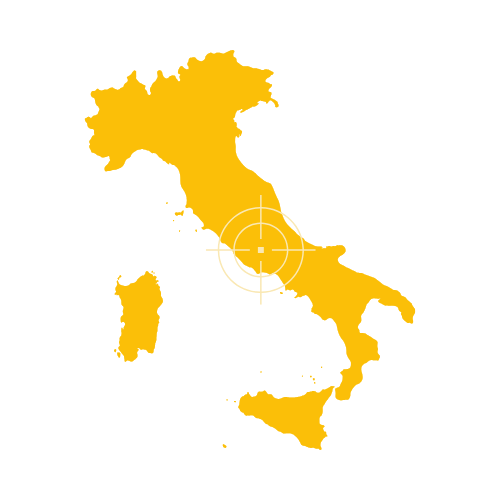
Lombardy is Italy’s most populated region, with approximately 10.04 million residents

Italy Regions by Population: All 20 Italian Regions Ranked
Introduction
Italy is a country in Southern Europe with a population distributed across 20 administrative regions. These regions differ significantly in population, land area, population density, economic activity, geography, and cultural identity. From the densely populated industrial north to the historic cities of central Italy and the coastal and island communities of the south, each region contributes to the country’s demographic and economic structure.
Lombardy is Italy’s most populated region, followed by Lazio, Campania, Veneto, and Sicily. These five regions contain a substantial share of the national population. At the other end of the ranking, Aosta Valley, Molise, and Basilicata have the smallest populations.
Italy’s regions are important administrative divisions responsible for areas such as healthcare, local transportation, regional planning, and economic development. Fifteen regions have ordinary status, while five enjoy special autonomous status because of their historical, linguistic, geographical, or institutional circumstances.
According to the population figures for 31 December 2025, Italy had approximately 58.94 million residents. This article ranks all 20 regions using the same reference date and explains their population distribution, regional characteristics, major cities, and demographic differences.
Top 10 Most Populated Regions in Italy
Italy’s ten most populated regions contain the country’s largest metropolitan areas, industrial districts, agricultural centers, and tourism destinations. Together, they account for most of the national population.
1. Lombardy – 10,065,694
Lombardy is Italy’s most populated region, with more than 10 million residents. Located in northern Italy, it is one of the country’s most important economic and industrial areas. Its regional capital, Milan, is internationally recognized for finance, fashion, business, design, and technology.
The region also includes major urban and industrial centers such as Bergamo, Brescia, Monza, Como, and Pavia. Its economy is supported by manufacturing, financial services, logistics, commerce, research, and advanced industries.
Lombardy’s population concentration is particularly strong around Milan and the wider Po Valley. The region’s transport infrastructure, employment opportunities, universities, and business networks attract residents from other parts of Italy and abroad.
With a population exceeding 10 million, Lombardy is substantially larger than any other Italian region.
2. Lazio – 5,709,444
Lazio is Italy’s second-most populated region, with approximately 5.71 million residents. Its capital is Rome, which is also the national capital and one of Europe’s most historically significant cities.
Rome is a major center for government, administration, tourism, education, healthcare, culture, and international organizations. The wider metropolitan area contributes heavily to the region’s population and economic activity.
Other important urban centers include Latina, Frosinone, Viterbo, and Rieti. Lazio’s economy includes public administration, tourism, transport, agriculture, commerce, and services.
The region’s population is concentrated around Rome, although its smaller cities and rural communities also contribute to its demographic structure.
3. Campania – 5,568,703
Campania is the third-most populated region in Italy, with approximately 5.57 million residents. Located in southern Italy, it has one of the country’s highest population densities.
Naples, the regional capital, is a major metropolitan center known for its history, architecture, education, port activity, tourism, and cultural heritage. Other important cities include Salerno, Caserta, Benevento, and Avellino.
Campania has a diverse economy based on tourism, agriculture, food production, manufacturing, transportation, and services. Its coastal areas and historic destinations attract visitors from around the world.
Despite having a smaller population than Lombardy and Lazio, Campania is one of Italy’s most densely settled regions.
4. Veneto – 4,857,460
Veneto ranks fourth among Italy’s regions by population, with approximately 4.86 million residents. It is located in northeastern Italy and has a strong industrial, commercial, agricultural, and tourism economy.
Venice is the regional capital and one of the world’s best-known cultural and tourism destinations. Other major cities include Verona, Padua, Vicenza, Treviso, and Rovigo.
The region has an extensive network of manufacturing districts, particularly in machinery, textiles, furniture, food processing, and other industrial sectors. Its transport connections and export-oriented businesses also contribute to regional development.
Veneto combines historic urban centers with productive agricultural areas and modern industrial communities.
5. Sicily – 4,775,194
Sicily is Italy’s fifth-most populated region, with approximately 4.78 million residents. It is the largest island in the Mediterranean Sea and has special autonomous regional status.
Palermo is the regional capital and the island’s main administrative and cultural center. Other important cities include Catania, Messina, Syracuse, Trapani, and Agrigento.
Sicily’s economy includes tourism, agriculture, fishing, food processing, energy, commerce, and public services. The island is internationally known for its archaeological sites, historic architecture, coastal destinations, and Mount Etna.
Its population is concentrated mainly in coastal cities and surrounding settlements, while many inland communities have smaller populations.
6. Emilia-Romagna – 4,477,009
Emilia-Romagna is the sixth-most populated region, with approximately 4.48 million residents. Located in northern Italy, it is known for manufacturing, food production, engineering, agriculture, and high-quality public services.
Bologna is the regional capital and an important center for universities, transport, business, and research. Other significant cities include Modena, Parma, Ravenna, Reggio Emilia, and Ferrara.
The region has a diversified economy that includes automotive manufacturing, machinery, food industries, ceramics, agriculture, and tourism. Its location along important transport corridors supports trade and industrial activity.
Emilia-Romagna is also recognized for its culinary traditions and historic towns.
7. Piedmont – 4,255,006
Piedmont, known in Italian as Piemonte, has approximately 4.26 million residents and ranks seventh by population. It is located in northwestern Italy and borders France and Switzerland.
Turin is the regional capital and one of Italy’s major industrial and cultural cities. The region has a strong manufacturing tradition, particularly in automotive production, machinery, engineering, and advanced technology.
Other important cities include Novara, Alessandria, Asti, Cuneo, and Biella. Piedmont is also known for wine production, agriculture, mountain tourism, and its Alpine landscapes.
Its population is concentrated around Turin and other urban centers, with smaller communities spread across mountainous and rural areas.
8. Apulia – 3,865,277
Apulia, or Puglia, ranks eighth with approximately 3.87 million residents. It occupies much of southeastern Italy and has long coastlines along the Adriatic and Ionian seas.
Bari is the regional capital and a major port, commercial, and administrative center. Other important cities include Taranto, Foggia, Lecce, Brindisi, and Barletta.
Agriculture is a significant part of the regional economy, particularly olive cultivation, wine production, fruit growing, and food processing. Tourism and maritime activities also support employment and economic development.
Apulia’s coastal destinations, historic towns, and cultural heritage make it an important tourism region.
9. Tuscany – 3,659,222
Tuscany has approximately 3.66 million residents and ranks ninth among Italy’s regions. It is internationally known for its art, architecture, historic towns, landscapes, wine production, and cultural heritage.
Florence is the regional capital and a major destination for international tourism. Other important cities include Pisa, Siena, Livorno, Arezzo, Lucca, and Grosseto.
The regional economy includes tourism, manufacturing, agriculture, fashion, food production, and services. Tuscany’s countryside, vineyards, coastal settlements, and historic cities contribute to its international reputation.
Although it has a smaller population than the leading northern regions, Tuscany has considerable cultural and economic importance.
10. Calabria – 1,827,571
Calabria ranks tenth with approximately 1.83 million residents. Located at the southern end of mainland Italy, it is bordered by the Tyrrhenian Sea to the west and the Ionian Sea to the east.
Catanzaro is the regional capital, while Reggio Calabria, Cosenza, and Crotone are among its other important urban centers.
The region’s economy includes agriculture, tourism, fishing, food production, and services. Its coastline, mountainous interior, and historic communities create a varied settlement pattern.
Calabria has a lower population density than many northern and central regions, partly because of its mountainous geography and dispersed settlements.
Regions Ranked 11 to 20
The remaining ten regions have populations ranging from approximately 1.55 million to 122,554 residents. Several are geographically large but relatively sparsely populated, while others have compact territories and significant urban concentrations.
11. Sardinia – 1,554,490
Sardinia is an island region in the Mediterranean Sea with approximately 1.55 million residents. Cagliari is its regional capital and largest urban center.
The island is known for its beaches, tourism, agricultural traditions, pastoral communities, and distinctive cultural identity. Other important settlements include Sassari, Olbia, Nuoro, and Oristano.
Sardinia covers a large geographical area compared with its population. As a result, its overall population density is relatively low. Tourism, agriculture, public services, and energy-related activities contribute to its economy.
12. Liguria – 1,511,988
Liguria has approximately 1.51 million residents and is located in northwestern Italy along the Ligurian Sea. Genoa is the regional capital and an important port and commercial center.
The region is characterized by a narrow coastal territory between the sea and the mountains. Other important cities include La Spezia, Savona, and Imperia.
Its economy includes maritime trade, tourism, shipping, manufacturing, and services. Liguria has a relatively high population density because much of its population is concentrated along its coastal urban corridor.
13. Marche – 1,479,832
Marche, also known as Le Marche, has approximately 1.48 million residents. It is located along the Adriatic coast in central Italy, with Ancona as its regional capital.
Other important cities include Pesaro, Urbino, Macerata, Fermo, and Ascoli Piceno. The region has a mixture of coastal settlements, historic towns, agricultural areas, and manufacturing districts.
Its economy includes footwear, furniture, machinery, agriculture, tourism, and small and medium-sized businesses.
14. Abruzzo – 1,267,222
Abruzzo has approximately 1.27 million residents and is located in central-eastern Italy along the Adriatic coast. L’Aquila is the regional capital.
Other important urban centers include Pescara, Teramo, and Chieti. The region is known for its mountains, national parks, coastal settlements, and historic villages.
Agriculture, tourism, manufacturing, food production, and services contribute to its economy. Its mountainous interior has a different settlement pattern from its more urbanized coastal areas.
15. Friuli-Venezia Giulia – 1,193,496
Friuli-Venezia Giulia has approximately 1.19 million residents. Located in northeastern Italy, it borders Austria and Slovenia and has an important position within Central European transport and trade networks.
Trieste is the regional capital and a major port city. Other important urban centers include Udine, Pordenone, and Gorizia.
The region has a diversified economy based on manufacturing, logistics, shipping, agriculture, tourism, and services. Its location also gives it a distinctive multilingual and multicultural character.
16. Trentino-Alto Adige/Südtirol – 1,090,818
Trentino-Alto Adige/Südtirol has approximately 1.09 million residents. Located in northern Italy, it is an autonomous region divided into the autonomous provinces of Trento and Bolzano.
Trento is the regional capital, while Bolzano/Bozen is another major urban center. The region is known for its Alpine landscapes, tourism, agriculture, and strong local autonomy.
Italian and German are widely used in the region, and Ladin is also recognized in specific areas. Its economy includes winter tourism, mountain recreation, food production, renewable energy, and services.
17. Umbria – 850,627
Umbria has approximately 851,000 residents and is one of Italy’s two landlocked regions, together with neighboring regions in the central part of the country. Perugia is its regional capital.
Other important towns include Terni, Assisi, Spoleto, and Orvieto. Umbria is known for its medieval settlements, religious heritage, agriculture, forests, and cultural tourism.
Its economy includes food production, agriculture, manufacturing, tourism, and local services. The region has a relatively small population compared with nearby Lazio and Tuscany.
18. Basilicata – 525,281
Basilicata has approximately 525,000 residents and is located in southern Italy. Potenza is its regional capital, while Matera is internationally recognized for its historic cave settlements.
The region includes mountainous landscapes, agricultural areas, and a relatively small number of major urban centers. Its economy includes agriculture, tourism, energy, manufacturing, and public services.
Basilicata has one of the lowest population densities in mainland Italy, reflecting its geography and settlement patterns.
19. Molise – 285,940
Molise is Italy’s second-least populated region, with approximately 286,000 residents. It is located in south-central Italy and has a short Adriatic coastline.
Campobasso is the regional capital, while Isernia is another important urban center. Molise is characterized by small towns, agricultural communities, hills, and mountainous areas.
Its economy includes agriculture, food production, small-scale manufacturing, tourism, and public services. The region’s relatively small population reflects its limited number of large urban centers.
20. Aosta Valley – 122,554
Aosta Valley, known in Italian as Valle d’Aosta, is Italy’s least populated region, with approximately 122,554 residents. It is located in the northwestern Alps and borders France and Switzerland.
Aosta is the regional capital and the region’s principal urban center. The territory is dominated by mountain landscapes, alpine valleys, and small settlements.
Tourism is an important economic activity, particularly skiing, mountaineering, and outdoor recreation. Agriculture, local services, and cross-border commerce also contribute to the regional economy.
Aosta Valley’s mountainous terrain and small settlement network help explain why it has the lowest population among Italy’s 20 regions.
Population Distribution Across Italy
Italy’s population is not evenly distributed. Northern and central regions contain major industrial centers, metropolitan areas, and transport networks, while several southern and island regions have lower population densities.
Northern Italy
Northern Italy is the country’s principal industrial and economic concentration. Lombardy, Veneto, Emilia-Romagna, and Piedmont are among its most populated regions.
Milan, Turin, Bologna, Venice, Verona, and other urban centers support manufacturing, finance, technology, logistics, research, and international trade. The Po Valley is particularly important because of its dense network of cities, agricultural production, and industrial activity.
Central Italy
Central Italy includes Lazio, Tuscany, Umbria, and Marche in the commonly used geographical classification.
Lazio has the largest population in this group, largely because of Rome and its surrounding metropolitan area. Tuscany is an important center for tourism, culture, manufacturing, and agriculture, while Umbria and Marche have smaller populations and more dispersed settlement patterns.
Southern Italy
Southern Italy includes Campania, Apulia, Calabria, Basilicata, Molise, and Abruzzo in the broad geographical grouping.
Campania and Apulia are the largest population centers in this part of the country. Agriculture, tourism, manufacturing, ports, food production, and services contribute to the region’s economy.
Some southern inland areas have experienced population decline and outward migration, particularly where employment opportunities and access to services are more limited.
The Italian Islands
Sicily and Sardinia are Italy’s two major island regions. Sicily has a population of approximately 4.78 million, making it one of the country’s most populated regions. Sardinia has approximately 1.55 million residents.
Both islands have important tourism industries, coastal settlements, agricultural communities, and distinctive cultural traditions. Their populations are concentrated around major cities and coastal areas, although many smaller inland communities remain important to local life.
Italy’s Five Special Autonomous Regions
Italy has five regions with special autonomous status. Their institutional arrangements provide additional legislative or administrative powers compared with ordinary-status regions.
Sicily
Sicily has special autonomous status and is Italy’s most populated island region. Its autonomy reflects its distinct historical and geographical position.
Sardinia
Sardinia also has special autonomous status. Its island geography, cultural identity, and historical development are important elements of its regional institutions.
Trentino-Alto Adige/Südtirol
This region has a distinctive autonomous structure. Its two autonomous provinces, Trento and Bolzano, exercise significant powers in areas of regional administration.
Friuli-Venezia Giulia
Located near Austria and Slovenia, Friuli-Venezia Giulia has special autonomy reflecting its historical, linguistic, and geographical characteristics.
Aosta Valley
Aosta Valley has special autonomous status and a distinctive linguistic and cultural environment influenced by its location near France and Switzerland.
Most Populated vs. Least Populated Regions
The difference between Italy’s largest and smallest regions is substantial. Lombardy has more than 10 million residents, while Aosta Valley has approximately 123,000.
This means Lombardy’s population is more than 80 times that of Aosta Valley. The difference reflects variations in economic opportunities, geography, urban development, transport connections, and settlement patterns.
Molise and Basilicata also have relatively small populations, while Lazio and Campania have large populations concentrated around major urban areas.
Population Density by Region
Population density measures the number of residents living in each square kilometre. It provides a different perspective from total population because a large region can have a substantial population but relatively low density.
Campania has one of Italy’s highest population densities, at approximately 407 residents per square kilometre. Lombardy is also highly populated, with around 422 residents per square kilometre in the regional table used here.
By contrast, Aosta Valley has approximately 38 residents per square kilometre, while Basilicata and Sardinia also have relatively low densities.
Population density is influenced by land area, mountainous terrain, urban concentration, transport access, and the distribution of employment opportunities.
Why Italy’s Regional Population Matters
Regional population statistics are important for public planning and economic analysis. Governments use demographic information to assess the demand for schools, hospitals, housing, public transport, roads, water services, and other infrastructure.
Businesses use regional population data to evaluate market size, workforce availability, consumer demand, and investment opportunities. Regions with large populations may offer extensive markets, while smaller regions can have important specialized industries, tourism destinations, agricultural production, or natural resources.
Population totals are most useful when considered alongside age structure, migration, employment, income, population density, and regional economic output.
Population Estimates and Census Data: Understanding the Difference
Population figures can differ between sources because they may refer to different dates or use different statistical methods.
A population census counts residents according to a defined census reference date. Annual population statistics use demographic records and census-based methods to update the number of residents. Preliminary annual figures may later be revised following statistical validation.
The table in this article uses regional resident-population figures for 31 December 2025. These should not be described as 2026 estimates or as a new census count.
For accurate comparisons, all 20 regions should be assessed using the same reference date and the same population definition.
Frequently Asked Questions About Italy’s Regions and Population
How many regions does Italy have?
Italy has 20 administrative regions. Fifteen have ordinary status, while five have special autonomous status.
Which is the most populated region in Italy?
Lombardy is Italy’s most populated region, with approximately 10,065,694 residents at the end of 2025.
Which is the second-most populated region in Italy?
Lazio ranks second, with approximately 5,709,444 residents.
Which is the third-most populated region in Italy?
Campania ranks third, with approximately 5,568,703 residents.
Which is the least populated region in Italy?
Aosta Valley is the least populated region, with approximately 122,554 residents.
What is the total population of Italy?
Italy had approximately 58.94 million residents at the end of 2025, according to the regional population figures used in this article.
Which Italian region has the highest population density?
Lombardy has a very high population density, at approximately 422 residents per square kilometre in the table used here. Campania is also among the most densely populated regions, with approximately 407 residents per square kilometre.
Which Italian region has the lowest population density?
Aosta Valley has the lowest population density in the table, with approximately 38 residents per square kilometre.
Is Rome a region of Italy?
No. Rome is a city and the national capital of Italy. It is located in Lazio, which is one of Italy’s 20 administrative regions.
Is Milan the capital of Lombardy?
Yes. Milan is the regional capital of Lombardy and one of Italy’s leading financial, commercial, and industrial centers.
Are Sicily and Sardinia part of Italy?
Yes. Sicily and Sardinia are both Italian regions. They are also the country’s two largest island regions and have special autonomous status.
What is the difference between a region and a province in Italy?
A region is a first-level administrative division of Italy. Provinces and other intermediate administrative entities are generally located within regions and include multiple municipalities. The exact provincial structure varies in some areas because of special arrangements and metropolitan cities.
Why does Italy’s regional population change?
Regional population changes because of births, deaths, migration between Italian regions, and international migration. Employment opportunities, education, housing costs, and quality of life can influence where people move.
Sources and References:
- City Population – Italy Administrative Divisions – Regional and administrative population tables.
- ISTAT – Resident Population by Age, and Marital Status – Official demographic data for 1 January 2025.
- ISTAT – Demographic Balance and Resident Population at 31 December 2025 – Regional demographic balance and year-end resident population.
- Tuttitalia – Italian Regions Ranked by Population – Regional population, land area, density, municipalities, and provinces.
- Regional Population Statistics – Piedmont Demographic Observatory – Regional population totals and demographic movements for 2025.
- ISTAT – Demographic Indicators 2025 – National and geographical population trends.