
Top Countries by Active Military Personnel
World Active Military Personnel By Country ,Power In an era of rapid technological advancement, the backbone of national defense remains the active military personnel. While drones, cyber-defense, and high-tech weaponry are vital, the number of “boots on the ground” continues to be a primary metric for assessing a nation’s conventional military strength and its ability to maintain regional stability.
This guide explores the current landscape of the world’s standing armies, providing an evergreen look at global military manpower and the factors that drive these massive numbers.
Top 10 Largest Active military personnel Ranking by Country
The following rankings represent active-duty personnel—those serving full-time in the army, navy, air force, or marines. These figures provide a snapshot of immediate “ready-to-fight” capabilities.
01
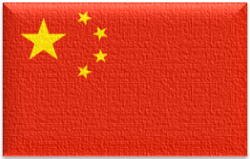
China
2,035,000
02
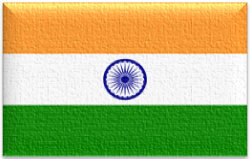
India
1,455,550
03

USA
1,228,000
04
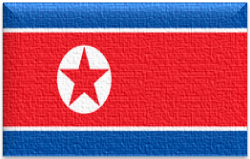
North Korea
1,320,000
05
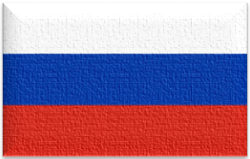
Russia
1,320,000
06

Ukraine
900,000
07

Pakistan
654,000
08
Iran
610,000
09
South Korea
600,000
10
Vietnam
600,000
Understanding Military Manpower Categories
Active military personnel include:
Active Military Personnel By Country. When discussing military size, it is essential to distinguish between the different types of personnel that contribute to a nation’s total strength:
1. Active Personnel (The Standing Army)
These are professional, full-time soldiers who are currently in uniform and ready for immediate deployment. They are the primary subjects of the rankings above.
2. Reserve Personnel
Reserves are trained individuals who lead civilian lives but can be “mobilized” or called to active duty during a national emergency. Countries like South Korea and Vietnam maintain massive reserve forces that far outnumber their active-duty troops.
3. Paramilitary Forces
Paramilitaries are organizations that are distinct from the regular armed forces but have military-like training and equipment. Examples include national guards, border security forces, and specialized internal police units.
Global Trends in Military Strength
The Asian “Manpower” Ranking Which Leading In The Region
Asia remains the center of the world’s largest standing armies. With China and India leading the count, the region focuses heavily on conventional ground forces to manage vast borders and maintain regional influence.
Technological “Quality Over Quantity”
Western nations, particularly the United States and many NATO members, have trended toward smaller, highly specialized professional forces. Their strength lies not just in the number of troops, but in air superiority, naval dominance, and advanced electronic warfare capabilities.
The Rise of Rapid Mobilization
Recent global conflicts have shown that nations can rapidly expand their active personnel numbers through mobilization. Ukraine and Ethiopia have seen the most significant growth in active-duty personnel over the last decade due to immediate defense requirements.
Frequently Asked Questions (FAQs)
Which country has the highest percentage of its population in the military?
North Korea consistently maintains one of the highest military-to-civilian ratios in the world. When including active, reserve, and paramilitary forces, a significant portion of its adult population is involved in the defense sector.
What is the difference between an “Active” and “Total” military?
“Active” refers only to full-time standing troops. “Total” military includes active personnel plus reserves and paramilitary units. For example, India’s total force exceeds 5 million when all categories are combined.
Does a larger army mean a more powerful country?
Not necessarily. Military power is a combination of manpower, defense budget, technological advancement, and nuclear capabilities. A smaller, more advanced military can often outperform a larger, less-equipped force.
Which countries have no standing army?
Approximately 20–30 countries have no regular military forces. Notable examples include Costa Rica, Iceland, and Mauritius, which rely on police forces, coast guards, or defense treaties with other nations for security.