
Member states of the United Nations
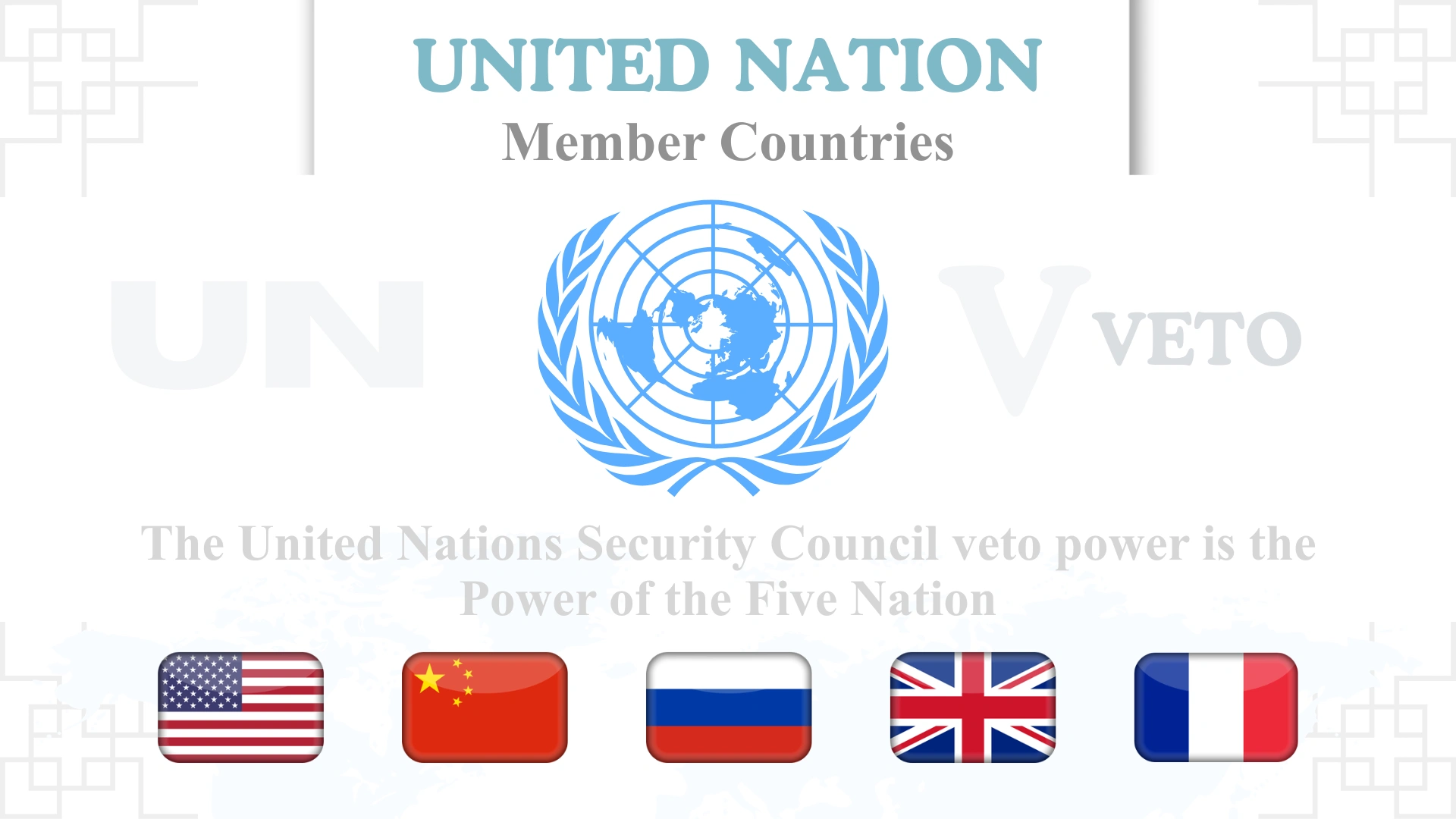
United Nations Member : which 5 countries have veto power
Five countries have veto power in the United Nations Security Council
01
United States
N. America
01
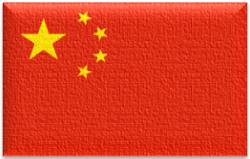
China
Asia
01
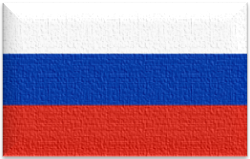
Russia
Asia
01
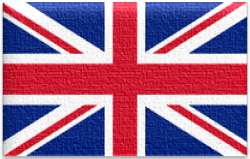
United Kingdom
Europe
01
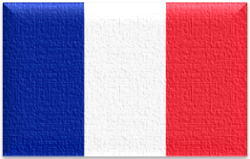
France
Europe
How many countries are in the UN
what are the 193 countries of the un
| No. | United Nations Member Country | Date of Admission |
|---|---|---|
| 1 | Afghanistan | 19 November 1946 |
| 2 | Albania | 14 December 1955 |
| 3 | Algeria | 8 October 1962 |
| 4 | Andorra | 28 July 1993 |
| 5 | Angola | 1 December 1976 |
| 6 | Antigua and Barbuda | 11 November 1981 |
| 7 | Argentina | 24 October 1945 |
| 8 | Armenia | 2 March 1992 |
| 9 | Australia | 1 November 1945 |
| 10 | Austria | 14 December 1955 |
| 11 | Azerbaijan | 2 March 1992 |
| 12 | Bahamas | 18 September 1973 |
| 13 | Bahrain | 21 September 1971 |
| 14 | Bangladesh | 17 September 1974 |
| 15 | Barbados | 9 December 1966 |
| 16 | Belarus | 24 October 1945 |
| 17 | Belgium | 27 December 1945 |
| 18 | Belize | 25 September 1981 |
| 19 | Benin | 20 September 1960 |
| 20 | Bhutan | 21 September 1971 |
| 21 | Bolivia | 14 November 1945 |
| 22 | Bosnia and Herzegovina | 22 May 1992 |
| 23 | Botswana | 17 October 1966 |
| 24 | Brazil | 24 October 1945 |
| 25 | Brunei Darussalam | 21 September 1984 |
| 26 | Bulgaria | 14 December 1955 |
| 27 | Burkina Faso | 20 September 1960 |
| 28 | Burundi | 18 September 1962 |
| 29 | Cabo Verde | 16 September 1975 |
| 30 | Cambodia | 14 December 1955 |
| 31 | Cameroon | 20 September 1960 |
| 32 | Canada | 9 November 1945 |
| 33 | Central African Republic | 20 September 1960 |
| 34 | Chad | 20 September 1960 |
| 35 | Chile | 24 October 1945 |
| 36 | China | 24 October 1945 |
| 37 | Colombia | 5 November 1945 |
| 38 | Comoros | 12 November 1975 |
| 39 | Congo | 20 September 1960 |
| 40 | Costa Rica | 2 November 1945 |
| 41 | Côte d'Ivoire | 20 September 1960 |
| 42 | Croatia | 22 May 1992 |
| 43 | Cuba | 24 October 1945 |
| 44 | Cyprus | 20 September 1960 |
| 45 | Czechia | 19 January 1993 |
| 46 | Democratic People's Republic of Korea | 17 September 1991 |
| 47 | Democratic Republic of the Congo | 20 September 1960 |
| 48 | Denmark | 24 October 1945 |
| 49 | Djibouti | 20 September 1977 |
| 50 | Dominica | 18 December 1978 |
| 51 | Dominican Republic | 24 October 1945 |
| 52 | Ecuador | 21 December 1945 |
| 53 | Egypt | 24 October 1945 |
| 54 | El Salvador | 24 October 1945 |
| 55 | Equatorial Guinea | 12 November 1968 |
| 56 | Eritrea | 28 May 1993 |
| 57 | Estonia | 17 September 1991 |
| 58 | Eswatini | 24 September 1968 |
| 59 | Ethiopia | 13 November 1945 |
| 60 | Fiji | 13 October 1970 |
| 61 | Finland | 14 December 1955 |
| 62 | France | 24 October 1945 |
| 63 | Gabon | 20 September 1960 |
| 64 | Gambia | 21 September 1965 |
| 65 | Georgia | 31 July 1992 |
| 66 | Germany | 18 September 1973 |
| 67 | Ghana | 8 March 1957 |
| 68 | Greece | 25 October 1945 |
| 69 | Grenada | 17 September 1974 |
| 70 | Guatemala | 21 November 1945 |
| 71 | Guinea | 12 December 1958 |
| 72 | Guinea-Bissau | 17 September 1974 |
| 73 | Guyana | 20 September 1966 |
| 74 | Haiti | 24 October 1945 |
| 75 | Honduras | 17 December 1945 |
| 76 | Hungary | 14 December 1955 |
| 77 | Iceland | 19 November 1946 |
| 78 | India | 30 October 1945 |
| 79 | Indonesia | 28 September 1950 |
| 80 | Iran | 24 October 1945 |
| 81 | Iraq | 21 December 1945 |
| 82 | Ireland | 14 December 1955 |
| 83 | Israel | 11 May 1949 |
| 84 | Italy | 14 December 1955 |
| 85 | Jamaica | 18 September 1962 |
| 86 | Japan | 18 December 1956 |
| 87 | Jordan | 14 December 1955 |
| 88 | Kazakhstan | 2 March 1992 |
| 89 | Kenya | 16 December 1963 |
| 90 | Kiribati | 14 September 1999 |
| 91 | Kuwait | 14 May 1963 |
| 92 | Kyrgyzstan | 2 March 1992 |
| 93 | Laos | 14 December 1955 |
| 94 | Latvia | 17 September 1991 |
| 95 | Lebanon | 24 October 1945 |
| 96 | Lesotho | 17 October 1966 |
| 97 | Liberia | 2 November 1945 |
| 98 | Libya | 14 December 1955 |
| 99 | Liechtenstein | 18 September 1990 |
| 100 | Lithuania | 17 September 1991 |
| 101 | Luxembourg | 24 October 1945 |
| 102 | Madagascar | 20 September 1960 |
| 103 | Malawi | 1 December 1964 |
| 104 | Malaysia | 17 September 1957 |
| 105 | Maldives | 21 September 1965 |
| 106 | Mali | 28 September 1960 |
| 107 | Malta | 1 December 1964 |
| 108 | Marshall Islands | 17 September 1991 |
| 109 | Mauritania | 27 October 1961 |
| 110 | Mauritius | 24 April 1968 |
| 111 | Mexico | 7 November 1945 |
| 112 | Federated States of Micronesia | 17 September 1991 |
| 113 | Monaco | 28 May 1993 |
| 114 | Mongolia | 27 October 1961 |
| 115 | Montenegro | 28 June 2006 |
| 116 | Morocco | 12 November 1956 |
| 117 | Mozambique | 16 September 1975 |
| 118 | Myanmar | 19 April 1948 |
| 119 | Namibia | 23 April 1990 |
| 120 | Nauru | 14 September 1999 |
| 121 | Nepal | 14 December 1955 |
| 122 | Netherlands | 10 December 1945 |
| 123 | New Zealand | 24 October 1945 |
| 124 | Nicaragua | 24 October 1945 |
| 125 | Niger | 20 September 1960 |
| 126 | Nigeria | 7 October 1960 |
| 127 | North Macedonia | 8 April 1993 |
| 128 | Norway | 27 November 1945 |
| 129 | Oman | 7 October 1971 |
| 130 | Pakistan | 30 September 1947 |
| 131 | Palau | 15 December 1994 |
| 132 | Panama | 13 November 1945 |
| 133 | Papua New Guinea | 10 October 1975 |
| 134 | Paraguay | 24 October 1945 |
| 135 | Peru | 31 October 1945 |
| 136 | Philippines | 24 October 1945 |
| 137 | Poland | 24 October 1945 |
| 138 | Portugal | 14 December 1955 |
| 139 | Qatar | 21 September 1971 |
| 140 | Republic of Korea | 17 September 1991 |
| 141 | Republic of Moldova | 2 March 1992 |
| 142 | Romania | 14 December 1955 |
| 143 | Russian Federation | 24 October 1945 |
| 144 | Rwanda | 18 September 1962 |
| 145 | Saint Kitts and Nevis | 23 September 1983 |
| 146 | Saint Lucia | 18 September 1979 |
| 147 | Saint Vincent and the Grenadines | 16 September 1980 |
| 148 | Samoa | 15 December 1976 |
| 149 | San Marino | 2 March 1992 |
| 150 | Sao Tome and Principe | 16 September 1975 |
| 151 | Saudi Arabia | 24 October 1945 |
| 152 | Senegal | 28 September 1960 |
| 153 | Serbia | 1 November 2000 |
| 154 | Seychelles | 21 September 1976 |
| 155 | Sierra Leone | 27 September 1961 |
| 156 | Singapore | 21 September 1965 |
| 157 | Slovakia | 19 January 1993 |
| 158 | Slovenia | 22 May 1992 |
| 159 | Solomon Islands | 19 September 1978 |
| 160 | Somalia | 20 September 1960 |
| 161 | South Africa | 7 November 1945 |
| 162 | South Sudan | 14 July 2011 |
| 163 | Spain | 14 December 1955 |
| 164 | Sri Lanka | 14 December 1955 |
| 165 | Sudan | 12 November 1956 |
| 166 | Suriname | 4 December 1975 |
| 167 | Sweden | 19 November 1946 |
| 168 | Switzerland | 10 September 2002 |
| 169 | Syrian Arab Republic | 24 October 1945 |
| 170 | Tajikistan | 2 March 1992 |
| 171 | Thailand | 15 December 1946 |
| 172 | Timor-Leste | 27 September 2002 |
| 173 | Togo | 20 September 1960 |
| 174 | Tonga | 14 September 1999 |
| 175 | Trinidad and Tobago | 18 September 1962 |
| 176 | Tunisia | 12 November 1956 |
| 177 | Türkiye | 24 October 1945 |
| 178 | Turkmenistan | 2 March 1992 |
| 179 | Tuvalu | 5 September 2000 |
| 180 | Uganda | 25 October 1962 |
| 181 | Ukraine | 24 October 1945 |
| 182 | United Arab Emirates | 9 December 1971 |
| 183 | United Kingdom | 24 October 1945 |
| 184 | United Republic of Tanzania | 14 December 1961 |
| 185 | United States | 24 October 1945 |
| 186 | Uruguay | 18 December 1945 |
| 187 | Uzbekistan | 2 March 1992 |
| 188 | Vanuatu | 15 September 1981 |
| 189 | Venezuela | 15 November 1945 |
| 190 | Viet Nam | 20 September 1977 |
| 191 | Yemen | 30 September 1947 |
| 192 | Zambia | 1 December 1964 |
| 193 | Zimbabwe | 25 August 1980 |
| Source : un.org | Member States | ||
From 51 to 193: The Evolution of the United Nations
where is the un headquarters located
The main headquarters of the United Nations is located in Midtown Manhattan, New York City
List of 193 Member Countries Of United Nations
The United Nations (UN) is an international organization established in 1945 to promote international peace, security, cooperation, human rights and sustainable development. It currently has 193 member countries, representing nearly every internationally recognized sovereign state.
The United Nations began with 51 founding members on 24 October 1945. Its membership expanded significantly during the decolonization period, the emergence of newly independent states and the political changes that followed the Cold War. South Sudan became the 193rd and most recent member on 14 July 2011. (United Nations)
United Nations membership gives countries a place in the General Assembly, where each member state has one vote. Membership also provides participation in the UN’s international framework, including discussions on peacekeeping, international law, humanitarian assistance, climate change, development and global security.
The organization is headquartered in New York City, United States, and operates through six principal organs, specialized agencies, funds, programmes and other bodies.
This guide covers the complete list of 193 United Nations member countries, their admission dates, founding members, regional distribution, membership history, observer states, major institutions and frequently asked questions.
United Nations Member Countries at a Glance
| Feature | Details |
|---|---|
| Official name | United Nations |
| Abbreviation | UN |
| Established | 24 October 1945 |
| Original members | 51 |
| Current member states | 193 |
| Latest member | South Sudan |
| Latest admission | 14 July 2011 |
| Headquarters | New York City, United States |
| Official languages | 6 |
| Principal organs | 6 |
| Main deliberative body | General Assembly |
| Security body | Security Council |
| International court | International Court of Justice |
| Official website | un.org |
The United Nations confirms that its membership grew from 51 founding states to 193 members. (United Nations)
How Many Countries Are Members of the United Nations?
There are 193 United Nations member states.
All 193 members participate in the UN General Assembly. Each member state has one vote in the Assembly, although voting procedures differ for certain important questions and decisions.
The UN’s membership count is separate from the total number of countries and territories used in other geographical datasets. For example, dependent territories, overseas territories and non-member observer states are not included in the 193-member total. (United Nations)
United Nations Founding Members
The United Nations was founded in 1945 after the Second World War. Its original membership consisted of 51 states.
The UN Charter was signed on 26 June 1945 in San Francisco and entered into force on 24 October 1945. This date is now observed annually as United Nations Day.
The original 51 founding members were:
| No. | Founding Member | No. | Founding Member |
|---|---|---|---|
| 1 | Argentina | 27 | Luxembourg |
| 2 | Australia | 28 | Mexico |
| 3 | Belgium | 29 | Netherlands |
| 4 | Bolivia | 30 | New Zealand |
| 5 | Brazil | 31 | Nicaragua |
| 6 | Byelorussian SSR | 32 | Norway |
| 7 | Canada | 33 | Panama |
| 8 | Chile | 34 | Paraguay |
| 9 | China | 35 | Peru |
| 10 | Colombia | 36 | Philippines |
| 11 | Costa Rica | 37 | Poland |
| 12 | Cuba | 38 | Saudi Arabia |
| 13 | Czechoslovakia | 39 | South Africa |
| 14 | Denmark | 40 | Soviet Union |
| 15 | Dominican Republic | 41 | Syria |
| 16 | Ecuador | 42 | Türkiye |
| 17 | Egypt | 43 | Ukrainian SSR |
| 18 | El Salvador | 44 | United Kingdom |
| 19 | Ethiopia | 45 | United States |
| 20 | France | 46 | Uruguay |
| 21 | Greece | 47 | Venezuela |
| 22 | Guatemala | 48 | Yugoslavia |
| 23 | Haiti | 49 | Iran |
| 24 | Honduras | 50 | Iraq |
| 25 | India | 51 | Lebanon |
| 26 | Liberia |
The historical list uses the names of the states as they existed in 1945. The Byelorussian SSR and Ukrainian SSR later became Belarus and Ukraine, while the Soviet Union and Yugoslavia no longer exist as the same states.
United Nations Membership by Admission Period
The growth of UN membership reflects major changes in international politics, decolonization and state formation.
| Period | Major Membership Development |
|---|---|
| 1945 | 51 founding members |
| 1946–1949 | Early postwar admissions |
| 1950–1959 | Expansion following the establishment of new states and political changes |
| 1960–1969 | Major African and Asian membership expansion |
| 1970–1979 | Continued decolonization and new independent states |
| 1980–1989 | Caribbean and Pacific island states joined |
| 1990–1999 | Post-Cold War expansion and new independent states |
| 2000–2009 | Admission of Montenegro and other newer members |
| 2010–2011 | South Sudan became the 193rd member |
The largest single-day admission occurred on 14 December 1955, when 16 countries were admitted to the United Nations. (United Nations)
United Nations Member Countries by Region
For statistical purposes, the UN uses geographical regional classifications, including the M49 standard. These are not the same as the UN’s five regional groups used for political coordination.
The following are broad geographical groupings of UN members.
African UN Member Countries
Africa has 54 UN member states.
Asian UN Member Countries
Asia has 47 UN member states under a common geographical grouping that places Türkiye and Cyprus in Western Asia and the Russian Federation in Europe.
European UN Member Countries
Europe has 43 UN member states under a common geographical grouping that places the Russian Federation in Europe and Cyprus in Western Asia.
North American UN Member Countries
North America, including Central America and the Caribbean, has 23 UN member states.
South American UN Member Countries
South America has 12 UN member states.
Oceania UN Member Countries
Oceania has 14 UN member states.
Regional classification note: These totals use a broad geographical approach and can differ according to the exact UN M49 subregion boundaries. The UN’s official country and area classification should be used when preparing a statistical dataset. (UN Statistics Division)
United Nations Regional Groups
The United Nations has five regional groups that help organize elections to UN bodies and coordinate certain diplomatic activities.
| Regional Group | Common Abbreviation |
|---|---|
| African States | African Group |
| Asia-Pacific States | Asia-Pacific Group |
| Eastern European States | EEG |
| Latin American and Caribbean States | GRULAC |
| Western European and Other States | WEOG |
These groups are political and institutional arrangements, not exact geographical definitions.
For example, the Asia-Pacific Group includes countries from Asia and the Pacific, while the Latin American and Caribbean Group includes states from both mainland Latin America and the Caribbean.
Countries That Are Not UN Members
The UN has two non-member observer states:
| Observer State | Status |
|---|---|
| Holy See | Non-member observer state |
| State of Palestine | Non-member observer state |
The Holy See and the State of Palestine have standing invitations to participate as observers in the work of the General Assembly. Palestine was accorded non-member observer State status through General Assembly resolution 67/19 in 2012. (United Nations)
Observer status is different from full membership. Observer states do not hold the same membership rights as the 193 member states.
Why Are Some Countries Not UN Members?
UN membership is governed by Article 4 of the UN Charter.
To become a member, an applicant must be a state that is peace-loving, accepts the obligations of the Charter and is able and willing to carry out those obligations.
Admission requires:
- A recommendation from the Security Council
- A decision by the General Assembly
A Security Council recommendation requires the necessary vote threshold and no veto by a permanent member. The General Assembly then considers admission.
Political recognition, sovereignty disputes and international disagreements can affect membership applications.
Six Official Languages of the United Nations
The United Nations has six official languages:
| No. | Official Language |
|---|---|
| 1 | Arabic |
| 2 | Chinese |
| 3 | English |
| 4 | French |
| 5 | Russian |
| 6 | Spanish |
These languages are used in official UN documentation and proceedings according to the organization’s language rules.
Six Principal Organs of the United Nations
The UN Charter establishes six principal organs.
| Organ | Main Function |
|---|---|
| General Assembly | Main deliberative, policymaking and representative body |
| Security Council | Maintains international peace and security |
| Economic and Social Council | Coordinates economic, social and development work |
| International Court of Justice | Principal judicial organ of the UN |
| Secretariat | Carries out the organization’s day-to-day work |
| Trusteeship Council | Oversaw trust territories; suspended operations in 1994 |
The General Assembly includes all 193 member states. The Security Council has 15 members, including five permanent members and ten elected members.
Permanent Members of the UN Security Council
The five permanent members are:
- China
- France
- Russian Federation
- United Kingdom
- United States
These countries have permanent seats and veto power over substantive Security Council resolutions.
The ten non-permanent members are elected by the General Assembly for two-year terms.
Main Objectives of the United Nations
The UN Charter identifies several central purposes.
International Peace and Security
The organization works to prevent conflicts, support peaceful settlements and authorize collective security measures through the Security Council.
International Cooperation
The UN provides a platform for countries to address global problems through diplomacy and multilateral cooperation.
Human Rights
The organization supports international human rights standards, monitoring and institutional mechanisms.
Humanitarian Assistance
UN agencies and partner organizations assist people affected by conflict, disasters, displacement, hunger and other emergencies.
Sustainable Development
The UN coordinates international development initiatives, including the Sustainable Development Goals.
International Law
The UN supports the development and observance of international law through treaties, institutions and judicial mechanisms.
United Nations Sustainable Development Goals
The Sustainable Development Goals (SDGs) are a set of 17 global objectives adopted by UN member states in 2015 as part of the 2030 Agenda for Sustainable Development.
They address:
- Poverty
- Hunger
- Health
- Education
- Gender equality
- Clean water
- Energy
- Employment
- Industry and infrastructure
- Inequality
- Sustainable cities
- Responsible consumption
- Climate action
- Marine ecosystems
- Terrestrial ecosystems
- Peace and justice
- Global partnerships
The SDGs apply to all countries, although national priorities, circumstances and implementation approaches differ.
United Nations and International Organizations
The United Nations system includes specialized agencies, funds, programmes and related organizations.
Examples include:
| Organization | Main Area |
|---|---|
| World Health Organization (WHO) | International public health |
| UNESCO | Education, science and culture |
| UNICEF | Children and child welfare |
| International Labour Organization (ILO) | Labour standards and workers’ rights |
| Food and Agriculture Organization (FAO) | Food and agriculture |
| International Monetary Fund (IMF) | Monetary cooperation and financial stability |
| World Bank Group | Development finance |
| International Civil Aviation Organization (ICAO) | International civil aviation |
| International Maritime Organization (IMO) | Maritime safety and shipping standards |
| World Meteorological Organization (WMO) | Weather, climate and water |
These bodies have different legal and institutional relationships with the United Nations.
Importance of United Nations Membership
UN membership provides countries with a framework for international participation.
Its significance includes:
- Representation in the General Assembly
- Participation in international diplomacy
- Cooperation on peace and security
- Engagement with international legal frameworks
- Access to UN development and technical cooperation
- Participation in global humanitarian coordination
- Involvement in international environmental agreements
- Cooperation on public health and education
- Participation in multilateral negotiations
Membership does not mean that all countries agree on every resolution or policy. The UN is a forum in which states negotiate, cooperate and disagree through established institutional procedures.
Frequently Asked Questions About United Nations Member Countries
How many countries are in the United Nations?
The United Nations has 193 member states.
Which country was the latest to join the United Nations?
South Sudan was admitted on 14 July 2011, becoming the 193rd member state.
How many countries founded the United Nations?
The UN began with 51 founding members in 1945.
Which countries are not UN members but have observer status?
The Holy See and the State of Palestine are the two non-member observer states.
Is Palestine a full member of the United Nations?
No. Palestine has non-member observer State status, which was granted by the General Assembly in 2012.
Is the Vatican a UN member?
The Holy See, which is distinct from Vatican City as a territorial state, is a non-member observer state at the United Nations.
Does every UN member have one vote?
Yes. Each member state has one vote in the General Assembly.
When was the United Nations established?
The UN Charter entered into force on 24 October 1945. This date is recognized as the organization’s founding day.
Where is the United Nations headquarters?
The main headquarters is in New York City, United States.
What are the six official UN languages?
Arabic, Chinese, English, French, Russian and Spanish.
Which countries have permanent seats on the Security Council?
China, France, the Russian Federation, the United Kingdom and the United States.
Can a country leave the United Nations?
The UN Charter does not contain an express general withdrawal procedure. Indonesia announced a withdrawal in 1965 and resumed participation in 1966, a historical episode often discussed in relation to membership.
How does a country become a UN member?
A state applies for membership, receives a Security Council recommendation and must then be admitted by a General Assembly decision.
Are all countries recognized by the United Nations members?
No. The UN has 193 members, while some entities have observer status or other international relationships. Membership should not be confused with a general count of all territories or disputed entities.
What is the difference between the United Nations and the Security Council?
The United Nations is the entire international organization. The Security Council is one of its six principal organs, responsible for international peace and security.
Key Takeaways
- The United Nations has 193 member countries.
- It was established in 1945 with 51 founding members.
- South Sudan is the latest member, admitted in 2011.
- All member states have one vote in the General Assembly.
- The Holy See and Palestine hold non-member observer State status.
- The UN has six official languages and six principal organs.
- The Security Council has five permanent members and ten elected members.
- UN membership is governed by Article 4 of the UN Charter.
- The organization works on peace, security, development, human rights, humanitarian assistance and international cooperation.
- Its member states adopted the 17 Sustainable Development Goals in 2015.