
Iran provinces with their population
Top 10 Largest Province Of Iran Ranking By Population
01
Tehran
14.43 Million
02
Razavi Khorasan
7.1 Million
03
Isfahan
5.48 Million
04
Fars
5.17 Million
05
Khūzestān
5.07 Million
06
East Azerbaijan
4.14 Million
07
West Azerbaijan
3.55 Million
08
Kermān
3.46 Million
09
Māzandarān
3.46 Million
10
Sistan and Baluchestan
3.24 Million
Iran provinces ranking by population
The following table ranks all 31 provinces of Iran by population, using the 2023 projection reported by City Population.
| S no. | Name | Status | Population 2023 |
|---|---|---|---|
| 1 | Tehran | Province | 14,437,000 |
| 2 | Razavi Khorasan | Province | 7,167,000 |
| 3 | Isfahan | Province | 5,480,000 |
| 4 | Fars | Province | 5,171,000 |
| 5 | Khūzestān | Province | 5,074,000 |
| 6 | East Azerbaijan | Province | 4,140,000 |
| 7 | West Azerbaijan | Province | 3,553,000 |
| 8 | Kermān | Province | 3,462,000 |
| 9 | Māzandarān | Province | 3,462,000 |
| 10 | Sistan and Baluchestan | Province | 3,246,000 |
| 11 | Alborz | Province | 3,050,000 |
| 12 | Gīlān | Province | 2,594,000 |
| 13 | Hormozgān | Province | 2,060,000 |
| 14 | Gorgān | Province | 2,043,000 |
| 15 | Kermānshāh | Province | 2,026,000 |
| 16 | Lorestān | Province | 1,823,000 |
| 17 | Hamadān | Province | 1,801,000 |
| 18 | Kurdistan | Province | 1,723,000 |
| 19 | Markazī | Province | 1,507,000 |
| 20 | Qom | Province | 1,471,000 |
| 21 | Qazvīn | Province | 1,377,000 |
| 22 | Ardabīl | Province | 1,328,000 |
| 23 | Būshehr | Province | 1,310,000 |
| 24 | Yazd | Province | 1,302,000 |
| 25 | Zanjān | Province | 1,137,000 |
| 26 | Chaharmahal and Bakhtiari | Province | 1,014,000 |
| 27 | North Khorasan | Province | 917,000 |
| 28 | South Khorasan | Province | 859,000 |
| 29 | Semnān | Province | 809,000 |
| 30 | Kohgiluyeh and Boyer-Ahmad | Province | 781,000 |
| 31 | Īlām | Province | 614,000 |
| Total | Iran | Islamic Republic | 86,736,000 |
| Source : Iran Provinces Population | citypopulation.de | |||
which is most populated province in Iran
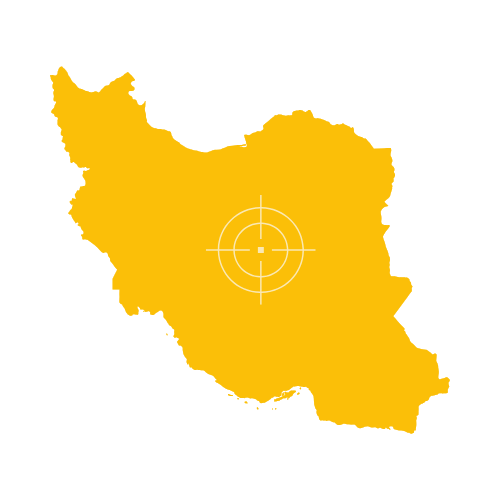
Tehran is the most populous province in Iran and contains the national capital
Iran Provinces by Population
Introduction
Iran is divided into 31 provinces, which are the country’s highest-level administrative divisions. These provinces vary considerably in population, geographical size, urbanization, economic activity, and settlement patterns.
The Tehran Province is the most populous province of Iran, with a projected population of approximately 14.44 million in 2023. It is followed by Razavi Khorasan, Isfahan, Fars, and Khuzestan. At the other end of the ranking, Ilam, Kohgiluyeh and Boyer-Ahmad, Semnan, South Khorasan, and North Khorasan have the smallest provincial populations.
According to City Population, Iran had a projected population of 86,736,000 in 2023. The database also provides population figures from the Iranian censuses of 1996, 2006, 2011, and 2016.
Iran Provinces by Population
Population of Iran’s Provinces by Census Year
City Population provides a long-term series that makes it possible to compare population growth across Iranian provinces. The database lists census results for 1996, 2006, 2011, and 2016, followed by a population projection for 2023. Iran’s total population increased from 60,055,488 in 1996 to 79,926,270 in 2016, before reaching a projected 86,736,000 in 2023.
| Province | 1996 Census | 2006 Census | 2011 Census | 2016 Census | 2023 Projection |
|---|---|---|---|---|---|
| Tehran | 10,343,965 | 11,345,375 | 12,183,391 | 13,267,637 | 14,437,000 |
| Razavi Khorasan | 4,719,902 | 5,593,079 | 5,994,402 | 6,434,501 | 7,167,000 |
| Isfahan | 3,923,255 | 4,559,256 | 4,879,312 | 5,120,850 | 5,480,000 |
| Fars | 3,817,036 | 4,336,878 | 4,596,658 | 4,851,274 | 5,171,000 |
| Khuzestan | 3,746,772 | 4,274,979 | 4,531,720 | 4,710,509 | 5,074,000 |
| East Azerbaijan | 3,325,540 | 3,603,456 | 3,724,620 | 3,909,652 | 4,140,000 |
| West Azerbaijan | 2,496,320 | 2,873,459 | 3,080,576 | 3,265,219 | 3,553,000 |
| Mazandaran | 2,602,008 | 2,922,432 | 3,073,943 | 3,283,582 | 3,462,000 |
| Kerman | 2,004,328 | 2,652,413 | 2,938,988 | 3,164,718 | 3,462,000 |
| Sistan and Baluchestan | 1,722,579 | 2,405,742 | 2,534,327 | 2,775,014 | 3,246,000 |
| Alborz | 2,076,991 | 2,412,513 | 2,712,400 | 3,050,000 | 3,050,000 |
| Gilan | 2,241,896 | 2,404,861 | 2,480,874 | 2,530,696 | 2,594,000 |
| Hormozgan | 1,062,155 | 1,403,674 | 1,578,183 | 1,776,415 | 2,060,000 |
| Golestan | 1,426,288 | 1,617,087 | 1,777,014 | 1,868,819 | 2,043,000 |
| Kermanshah | 1,778,596 | 1,879,385 | 1,945,227 | 1,952,434 | 2,026,000 |
| Lorestan | 1,584,434 | 1,716,527 | 1,754,243 | 1,760,649 | 1,823,000 |
| Hamadan | 1,677,957 | 1,703,267 | 1,758,268 | 1,738,234 | 1,801,000 |
| Kurdistan | 1,346,383 | 1,440,156 | 1,493,645 | 1,603,011 | 1,723,000 |
| Markazi | 1,228,812 | 1,351,257 | 1,413,959 | 1,429,475 | 1,507,000 |
| Qom | 853,044 | 1,046,737 | 1,151,672 | 1,292,283 | 1,471,000 |
| Qazvin | 968,257 | 1,143,200 | 1,201,565 | 1,273,761 | 1,377,000 |
| Ardabil | 1,168,011 | 1,228,155 | 1,248,488 | 1,270,420 | 1,328,000 |
| Bushehr | 743,675 | 886,267 | 1,032,949 | 1,163,400 | 1,310,000 |
| Yazd | 750,769 | 924,386 | 1,004,770 | 1,138,533 | 1,302,000 |
| Zanjan | 900,890 | 964,601 | 1,015,734 | 1,057,461 | 1,137,000 |
| Chaharmahal and Bakhtiari | 761,168 | 857,910 | 895,263 | 947,763 | 1,014,000 |
| North Khorasan | 732,646 | 811,572 | 867,727 | 863,092 | 917,000 |
| South Khorasan | 595,113 | 702,852 | 732,192 | 768,898 | 859,000 |
| Semnan | 501,447 | 589,742 | 631,218 | 702,360 | 809,000 |
| Kohgiluyeh and Boyer-Ahmad | 544,356 | 634,299 | 658,629 | 713,052 | 781,000 |
| Ilam | 487,886 | 545,787 | 557,599 | 580,158 | 614,000 |
The figures show that Tehran has remained Iran’s largest provincial population center throughout the available census series. Razavi Khorasan has also experienced substantial growth, while Kerman and Sistan and Baluchestan have recorded major increases since 1996.
1. Tehran Province
2023 projected population: 14,437,000
Tehran is the most populous province in Iran and contains the national capital, Tehran. Its population has grown from 10.34 million in the 1996 census to more than 13.26 million in 2016 and an estimated 14.44 million in 2023. The province is one of Iran’s most heavily urbanized and economically important areas.
2. Razavi Khorasan Province
2023 projected population: 7,167,000
Razavi Khorasan is Iran’s second-most populous province. Its capital is Mashhad, one of the country’s largest cities and an important religious, cultural, commercial, and transportation center. The province had 6.43 million people in the 2016 census and is projected to have more than 7.16 million in 2023.
3. Isfahan Province
2023 projected population: 5,480,000
Isfahan is one of Iran’s major historical and economic provinces. Its capital, Isfahan, is internationally known for its historic architecture, cultural heritage, industry, and tourism. The province had 5.12 million residents in 2016 and is projected to reach 5.48 million in 2023.
4. Fars Province
2023 projected population: 5,171,000
Fars is centered on Shiraz and is one of the most historically significant regions of Iran. It was the heartland of several major periods of Persian history and includes important archaeological sites. Its population was 4.85 million in 2016 and is projected at 5.17 million for 2023.
5. Khuzestan Province
2023 projected population: 5,074,000
Khuzestan is one of Iran’s most important energy-producing regions. Located in southwestern Iran, it contains major oil and gas facilities and important cities including Ahvaz. The province had 4.71 million people in 2016 and is projected to have approximately 5.07 million in 2023.
6. East Azerbaijan Province
2023 projected population: 4,140,000
East Azerbaijan is located in northwestern Iran and has Tabriz as its capital. Tabriz is one of the country’s major urban, industrial, commercial, and historical centers. The province’s 2016 census population was 3.91 million, rising to a projected 4.14 million in 2023.
7. West Azerbaijan Province
2023 projected population: 3,553,000
West Azerbaijan lies in northwestern Iran along the country’s international borders. Its capital is Urmia. The province recorded 3.27 million people in the 2016 census and has a projected 2023 population of 3.55 million.
8. Mazandaran Province
2023 projected population: 3,462,000
Mazandaran occupies a large portion of Iran’s Caspian Sea coastline. Its combination of coastal settlements, agricultural areas, forests, and mountainous landscapes has contributed to a substantial population. The province had 3.28 million residents in 2016 and is projected to reach 3.46 million.
9. Kerman Province
2023 projected population: 3,462,000
Kerman is one of Iran’s largest provinces by geographical area and is located in the country’s southeast. Kerman city is the provincial capital. The province’s population increased from 2.00 million in 1996 to 3.16 million in 2016, with a 2023 projection of 3.46 million.
10. Sistan and Baluchestan Province
2023 projected population: 3,246,000
Sistan and Baluchestan is located in southeastern Iran and is one of the country’s largest provinces geographically. Its capital is Zahedan, while Chabahar is an important coastal city and port. The population reached 2.78 million in 2016 and is projected at 3.25 million in 2023.
11. Alborz Province
2023 projected population: 3,050,000
Alborz is one of Iran’s newer provinces and is located immediately west of Tehran. Its capital is Karaj, a major metropolitan center closely connected with the Tehran urban region. City Population records a 2016 population of approximately 3.05 million and the same rounded 2023 projection.
12. Gilan Province
2023 projected population: 2,594,000
Gilan is situated along Iran’s Caspian Sea coast. Its capital is Rasht, one of the major urban centers of northern Iran. The province had 2.53 million inhabitants in 2016 and is projected to reach 2.59 million in 2023.
13. Hormozgan Province
2023 projected population: 2,060,000
Hormozgan occupies Iran’s southern coastline along the Persian Gulf and Gulf of Oman. Bandar Abbas is its capital and a major port city. The province’s population increased from about 1.06 million in 1996 to 1.78 million in 2016 and is projected at 2.06 million in 2023.
14. Golestan Province
2023 projected population: 2,043,000
Golestan is located in northern Iran near the Caspian Sea. Its capital is Gorgan. The province had 1.87 million residents in the 2016 census and a projected population of 2.04 million in 2023.
15. Kermanshah Province
2023 projected population: 2,026,000
Kermanshah is located in western Iran near the Iraqi border. Its capital, Kermanshah, is an important urban center in the western part of the country. The province had 1.95 million people in 2016 and is projected to have approximately 2.03 million in 2023.
16. Lorestan Province
2023 projected population: 1,823,000
Lorestan is a mountainous province in western Iran. Its capital is Khorramabad. The province had 1.76 million residents in 2016 and is projected to reach approximately 1.82 million in 2023.
17. Hamadan Province
2023 projected population: 1,801,000
Hamadan is located in western Iran and is centered on the historic city of Hamadan. Its population was 1.74 million in the 2016 census and is projected to reach 1.80 million in 2023.
18. Kurdistan Province
2023 projected population: 1,723,000
Kurdistan Province is situated in western Iran. Sanandaj serves as its capital. The province recorded 1.60 million inhabitants in the 2016 census and is projected to have 1.72 million in 2023.
19. Markazi Province
2023 projected population: 1,507,000
Markazi, meaning “Central,” is located in central Iran. Its capital is Arak, an important industrial city. The province had 1.43 million residents in 2016 and is projected at 1.51 million in 2023.
20. Qom Province
2023 projected population: 1,471,000
Qom is a small province by area but has a large population relative to its size. The city of Qom is one of Iran’s most important religious and educational centers. The province’s 2016 population was 1.29 million, increasing to a projected 1.47 million in 2023.
21. Qazvin Province
2023 projected population: 1,377,000
Qazvin is located in northwestern-central Iran. Its capital is Qazvin, a historic city that has played an important role in Persian political and cultural history. The province had 1.27 million residents in 2016 and is projected to have 1.38 million in 2023.
22. Ardabil Province
2023 projected population: 1,328,000
Ardabil lies in northwestern Iran near the border with Azerbaijan. Its capital is Ardabil. The province had approximately 1.27 million people in 2016 and is projected to reach 1.33 million in 2023.
23. Bushehr Province
2023 projected population: 1,310,000
Bushehr is located on Iran’s southern Persian Gulf coast. The province has an important maritime and energy economy. Its population increased from 743,675 in 1996 to 1.16 million in 2016 and is projected at 1.31 million in 2023.
24. Yazd Province
2023 projected population: 1,302,000
Yazd is located in central Iran and is known for its desert environment, historic architecture, and traditional urban settlements. The province had 1.14 million residents in 2016 and is projected to have 1.30 million in 2023.
25. Zanjan Province
2023 projected population: 1,137,000
Zanjan is situated in northwestern Iran. Its capital is Zanjan. The province recorded approximately 1.06 million inhabitants in the 2016 census and is projected at 1.14 million in 2023.
26. Chaharmahal and Bakhtiari Province
2023 projected population: 1,014,000
Chaharmahal and Bakhtiari is a mountainous province in southwestern-central Iran. Its capital is Shahr-e Kord. The province had 947,763 residents in 2016 and is projected to exceed one million people in 2023.
27. North Khorasan Province
2023 projected population: 917,000
North Khorasan is located in northeastern Iran and has Bojnurd as its capital. Its population was 863,092 in the 2016 census and is projected to reach 917,000 in 2023.
28. South Khorasan Province
2023 projected population: 859,000
South Khorasan is located in eastern Iran along the border with Afghanistan. Its capital is Birjand. The province had 768,898 inhabitants in 2016 and is projected to have approximately 859,000 people in 2023.
29. Semnan Province
2023 projected population: 809,000
Semnan is located in northern-central Iran and has a relatively small population compared with its large geographical area. Its capital is Semnan. The province had 702,360 residents in 2016 and is projected at 809,000 in 2023.
30. Kohgiluyeh and Boyer-Ahmad Province
2023 projected population: 781,000
Kohgiluyeh and Boyer-Ahmad is a mountainous province in southwestern Iran. Its capital is Yasuj. The province’s population was 713,052 in 2016 and is projected to reach 781,000 in 2023.
31. Ilam Province
2023 projected population: 614,000
Ilam is the least populous province of Iran according to the 2023 projection in the City Population dataset. It is located in western Iran along the Iraqi border, with Ilam city serving as the provincial capital. Its population increased from 487,886 in 1996 to 580,158 in 2016 and is projected at 614,000 in 2023.
Largest Provinces of Iran by Population
The five most populous provinces in the 2023 projection are:
Tehran — 14.44 million
Razavi Khorasan — 7.17 million
Isfahan — 5.48 million
Fars — 5.17 million
Khuzestan — 5.07 million
Together, these five provinces account for a substantial share of Iran’s population, reflecting the concentration of people around major metropolitan, economic, historical, and regional centers.
Smallest Provinces of Iran by Population
The five least populous provinces according to the 2023 projection are:
Ilam — 614,000
Kohgiluyeh and Boyer-Ahmad — 781,000
Semnan — 809,000
South Khorasan — 859,000
North Khorasan — 917,000
These provinces generally have much smaller populations than Iran’s major metropolitan provinces, although some cover very large geographical areas.
Tehran Is Iran’s Most Populous Province
Tehran has maintained its position as Iran’s largest province throughout the available population series. Its population increased from 10.34 million in 1996 to 13.27 million in 2016, with the 2023 projection reaching 14.44 million.
The province’s population is strongly influenced by the Tehran metropolitan area, which is the country’s principal political, economic, administrative, educational, and commercial center.
Iran’s Second-Largest Population Center
Razavi Khorasan ranks second among Iran’s provinces. Its population increased from 4.72 million in 1996 to 6.43 million in 2016, with the 2023 projection reaching 7.17 million. Much of the province’s population is concentrated around Mashhad and other urban centers.
Population Distribution Across Iran
Iran’s population is unevenly distributed across its territory. Large populations are concentrated in metropolitan regions, fertile areas, transport corridors, industrial zones, and parts of the Caspian and Persian Gulf coasts.
The country’s central and eastern deserts contain extensive areas with relatively low population density, while major cities such as Tehran, Mashhad, Isfahan, Shiraz, Tabriz, Karaj, Ahvaz, and Qom serve as important population centers.
This uneven distribution means that population rank does not necessarily correspond to geographical size. Kerman and Sistan and Baluchestan, for example, cover very large territories but have considerably smaller populations than Tehran.
Iran Province Population Data and Census Methodology
The population figures on this page should be interpreted according to their statistical status.
City Population lists four historical Iranian census dates:
25 October 1996
25 October 2006
24 October 2011
24 September 2016
It then provides a 21 September 2023 population projection. The 2023 figures therefore should not be described as a new nationwide census count. They are projections based on the available official statistical data.
The underlying provincial data are attributed to the Statistical Centre of Iran. For example, City Population’s detailed Kurdistan province page identifies the Statistical Centre of Iran as its source and reports 1,603,011 people for the province in the 2016 census.
Frequently Asked Questions
How many provinces does Iran have?
Iran has 31 provinces.
Which is the most populous province in Iran?
Tehran Province is the most populous province, with a projected population of 14,437,000 in 2023.
Which is the second-most populous province in Iran?
Razavi Khorasan is the second-most populous province, with a projected population of 7,167,000 in 2023.
Which is the least populous province in Iran?
Ilam is the least populous province in the 2023 City Population projection, with approximately 614,000 people.
Which Iranian provinces have more than 5 million people?
Five provinces are projected to have more than 5 million inhabitants in 2023: Tehran, Razavi Khorasan, Isfahan, Fars, and Khuzestan.
What was Iran’s population in the 2016 census?
Iran’s total population was 79,926,270 in the 2016 census according to City Population.
What is Iran’s projected population for 2023?
City Population gives a 2023 projection of 86,736,000 for Iran.
Which province contains Mashhad?
Mashhad is located in Razavi Khorasan Province, the second-most populous province of Iran.
Which province contains Tehran?
The city of Tehran is located in Tehran Province, which is the country’s most populous province.
Which Iranian province has the largest geographical area?
Kerman Province is one of Iran’s largest provinces geographically, with an area of about 180,726 km² in the City Population dataset. Sistan and Baluchestan is also exceptionally large at about 181,785 km².
Are the 2023 figures census results?
No. The 2023 figures shown by City Population are population projections, while the latest census column in the dataset is from 2016.
Key Takeaways
- Iran has 31 provinces.
- Tehran is the most populous province.
- Razavi Khorasan ranks second.
- Isfahan, Fars, and Khuzestan complete the five largest provinces by projected population.
- Ilam is the least populous province.
- City Population reports 79.93 million people for Iran in the 2016 census.
- The database projects Iran’s population at 86.736 million in 2023.
- Provincial populations vary greatly because Iran’s population is concentrated around major cities, economic centers, fertile regions, and important transport corridors.
- The figures used here distinguish between historical census results and the later 2023 projection.
Sources
- City Population — Iran: Provinces, Major Cities & Towns, using data attributed to the Statistical Centre of Iran. City Population — Iran population statistics
- City Population — Kurdistan Province, showing provincial census data and the Statistical Centre of Iran as source. City Population — Kurdistan Province
- Statistical Centre of Iran — underlying official statistical source identified by City Population.
Source:
- Pakistan Provinces With Population | citypopulation.de