
which country in the world has the highest number of languages
countries with most spoken languages
01
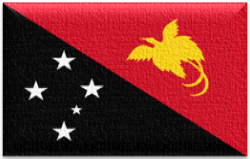
Papua New Guinea
Languages : 840
02
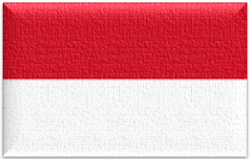
Indonesia
Languages : 709
03
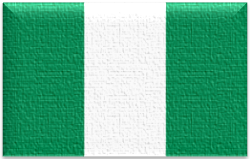
Nigeria
Languages : 532
04
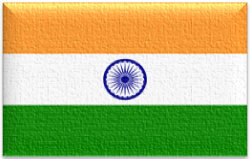
India
Languages : 459
05
United States
Languages : 335
06
Australia
Languages : 319
07
China
Languages : 305
08
Mexico
Languages : 292
09
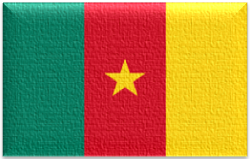
Cameroon
Languages : 275
10
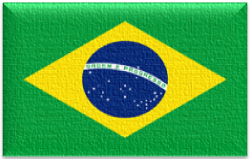
Brazil
Languages : 228
top 10 countries with most spoken languages
most number of languages spoken in a country
| Rank | Country | Number Of Languages Total | Established Living Languages | Immigrant Living Languages |
|---|---|---|---|---|
| 1 | Papua New Guinea | 840 | 840 | |
| 2 | Indonesia | 709 | 707 | 2 |
| 3 | Nigeria | 532 | 525 | 7 |
| 4 | India | 459 | 453 | 6 |
| 5 | United States | 335 | 219 | 116 |
| 6 | Australia | 319 | 226 | 93 |
| 7 | China | 305 | 302 | 3 |
| 8 | Mexico | 292 | 287 | 5 |
| 9 | Cameroon | 275 | 274 | 1 |
| 10 | Brazil | 228 | 217 | 11 |
| 11 | DR Congo | 214 | 212 | 2 |
| 12 | Canada | 195 | 96 | 99 |
| 13 | Philippines | 191 | 183 | 8 |
| 14 | Russia | 159 | 115 | 44 |
| 15 | Malaysia | 144 | 133 | 11 |
| 16 | Chad | 131 | 130 | 1 |
| 17 | Nepal | 129 | 122 | 7 |
| 18 | Tanzania | 126 | 125 | 1 |
| 19 | Myanmar | 126 | 120 | 6 |
| 20 | Vanuatu | 116 | 110 | 6 |
| 21 | Vietnam | 112 | 109 | 3 |
| 22 | Ivory Coast | 101 | 86 | 15 |
| 23 | Germany | 95 | 25 | 70 |
| 24 | France | 95 | 22 | 73 |
| 25 | Peru | 94 | 93 | 1 |
| 26 | Laos | 92 | 85 | 7 |
| 27 | Ethiopia | 91 | 90 | 1 |
| 28 | Colombia | 89 | 85 | 4 |
| 29 | Thailand | 88 | 73 | 15 |
| 30 | Ghana | 87 | 81 | 6 |
| 31 | Pakistan | 85 | 74 | 11 |
| 32 | UK | 85 | 13 | 72 |
| 33 | Iran | 84 | 79 | 5 |
| 34 | Central African Republic | 83 | 72 | 11 |
| 35 | Sudan | 76 | 75 | 1 |
| 36 | Kenya | 72 | 67 | 5 |
| 37 | Solomon Islands | 72 | 72 | |
| 38 | Mali | 71 | 68 | 3 |
| 39 | Burkina Faso | 71 | 71 | |
| 40 | South Sudan | 69 | 69 | |
| 41 | New Zealand | 65 | 4 | 61 |
| 42 | Congo Rep. Of The | 64 | 62 | 2 |
| 43 | Benin | 56 | 55 | 1 |
| 44 | Zambia | 55 | 46 | 9 |
| 45 | Turkey | 54 | 39 | 15 |
| 46 | Israel | 53 | 36 | 17 |
| 47 | Netherlands | 50 | 15 | 35 |
| 48 | Ukraine | 48 | 21 | 27 |
| 49 | Venezuela | 48 | 42 | 6 |
| 50 | Kazakhstan | 48 | 13 | 35 |
| 51 | Italy | 47 | 35 | 12 |
| 52 | Angola | 47 | 46 | 1 |
| 53 | Mozambique | 47 | 43 | 4 |
| 54 | Norway | 47 | 11 | 36 |
| 55 | Senegal | 46 | 38 | 8 |
| 56 | Togo | 46 | 44 | 2 |
| 57 | Bangladesh | 45 | 41 | 4 |
| 58 | Uganda | 45 | 43 | 2 |
| 59 | Bolivia | 45 | 43 | 2 |
| 60 | Gabon | 44 | 43 | 1 |
| 61 | South Africa | 42 | 30 | 12 |
| 62 | Afghanistan | 42 | 41 | 1 |
| 63 | Argentina | 40 | 24 | 16 |
| 64 | Guinea | 40 | 37 | 3 |
| 65 | New Caledonia | 40 | 38 | 2 |
| 66 | Denmark | 39 | 5 | 34 |
| 67 | Azerbaijan | 38 | 18 | 20 |
| 68 | Finland | 38 | 13 | 25 |
| 69 | Botswana | 38 | 31 | 7 |
| 70 | Uzbekistan | 37 | 11 | 26 |
| 71 | Sweden | 37 | 15 | 22 |
| 72 | Belgium | 36 | 12 | 24 |
| 73 | Austria | 36 | 15 | 21 |
| 74 | Taiwan | 35 | 23 | 12 |
| 75 | Spain | 34 | 17 | 17 |
| 76 | Greece | 34 | 20 | 14 |
| 77 | Liberia | 34 | 31 | 3 |
| 78 | Tajikistan | 33 | 13 | 20 |
| 79 | Switzerland | 33 | 13 | 20 |
| 80 | Kyrgyzstan | 33 | 6 | 27 |
| 81 | Namibia | 33 | 27 | 6 |
| 82 | Turkmenistan | 31 | 6 | 25 |
| 83 | Singapore | 31 | 24 | 7 |
| 84 | Oman | 31 | 17 | 14 |
| 85 | Bhutan | 31 | 23 | 8 |
| 86 | Guinea-Bissau | 30 | 23 | 7 |
| 87 | Romania | 29 | 26 | 3 |
| 88 | Cambodia | 29 | 27 | 2 |
| 89 | Libya | 29 | 9 | 20 |
| 90 | Iraq | 27 | 23 | 4 |
| 91 | Poland | 27 | 22 | 5 |
| 92 | Guatemala | 27 | 27 | |
| 93 | UAE | 27 | 10 | 17 |
| 94 | Paraguay | 27 | 23 | 4 |
| 95 | Croatia | 27 | 16 | 11 |
| 96 | Georgia | 27 | 20 | 7 |
| 97 | Suriname | 27 | 21 | 6 |
| 98 | Czechia | 26 | 11 | 15 |
| 99 | Sierra Leone | 26 | 24 | 2 |
| 100 | Saudi Arabia | 25 | 7 | 18 |
| 101 | Bulgaria | 25 | 13 | 12 |
| 102 | Syria | 24 | 17 | 7 |
| 103 | Malawi | 24 | 17 | 7 |
| 104 | Ecuador | 24 | 24 | |
| 105 | Zimbabwe | 24 | 22 | 2 |
| 106 | Serbia | 24 | 17 | 7 |
| 107 | Gambia | 24 | 11 | 13 |
| 108 | Egypt | 23 | 16 | 7 |
| 109 | Niger | 23 | 23 | |
| 110 | Portugal | 23 | 10 | 13 |
| 111 | Algeria | 22 | 18 | 4 |
| 112 | Hungary | 21 | 18 | 3 |
| 113 | Timor-Leste | 21 | 20 | 1 |
| 114 | Fiji | 21 | 10 | 11 |
| 115 | Madagascar | 20 | 14 | 6 |
| 116 | Estonia | 20 | 7 | 13 |
| 117 | Japan | 19 | 15 | 4 |
| 118 | Micronesia | 19 | 18 | 1 |
| 119 | Panama | 18 | 14 | 4 |
| 120 | Qatar | 18 | 3 | 15 |
| 121 | Guyana | 18 | 16 | 2 |
| 122 | Yemen | 17 | 11 | 6 |
| 123 | Chile | 17 | 11 | 6 |
| 124 | Eritrea | 17 | 15 | 2 |
| 125 | Brunei | 17 | 15 | 2 |
| 126 | Lebanon | 16 | 7 | 9 |
| 127 | Equatorial Guinea | 16 | 14 | 2 |
| 128 | Latvia | 16 | 8 | 8 |
| 129 | Cyprus | 16 | 5 | 11 |
| 130 | Luxembourg | 16 | 4 | 12 |
| 131 | French Guiana | 16 | 13 | 3 |
| 132 | Morocco | 15 | 14 | 1 |
| 133 | Tunisia | 15 | 7 | 8 |
| 134 | Slovakia | 15 | 12 | 3 |
| 135 | Lithuania | 15 | 11 | 4 |
| 136 | Slovenia | 15 | 11 | 4 |
| 137 | North Macedonia | 15 | 10 | 5 |
| 138 | Somalia | 14 | 13 | 1 |
| 139 | Jordan | 14 | 11 | 3 |
| 140 | Mongolia | 14 | 12 | 2 |
| 141 | Uruguay | 14 | 5 | 9 |
| 142 | Moldova | 14 | 10 | 4 |
| 143 | Armenia | 14 | 8 | 6 |
| 144 | Bahrain | 14 | 6 | 8 |
| 145 | Mauritius | 14 | 7 | 7 |
| 146 | Ireland | 13 | 5 | 8 |
| 147 | Montenegro | 13 | 6 | 7 |
| 148 | Sri Lanka | 12 | 7 | 5 |
| 149 | Honduras | 12 | 10 | 2 |
| 150 | Costa Rica | 12 | 11 | 1 |
| 151 | Puerto Rico | 12 | 4 | 8 |
| 152 | Bosnia and Herzegovina | 12 | 5 | 7 |
| 153 | Albania | 12 | 8 | 4 |
| 154 | Belize | 12 | 8 | 4 |
| 155 | Belarus | 11 | 4 | 7 |
| 156 | Hong Kong | 11 | 7 | 4 |
| 157 | Nicaragua | 11 | 11 | |
| 158 | Palestine | 10 | 7 | 3 |
| 159 | Djibouti | 10 | 5 | 5 |
| 160 | French Polynesia | 10 | 9 | 1 |
| 161 | Dominican Republic | 9 | 4 | 5 |
| 162 | Trinidad and Tobago | 9 | 7 | 2 |
| 163 | Guam | 9 | 2 | 7 |
| 164 | Sint Maarten | 9 | 4 | 5 |
| 165 | Nauru | 9 | 3 | 6 |
| 166 | Mauritania | 8 | 7 | 1 |
| 167 | Jamaica | 8 | 4 | 4 |
| 168 | Reunion | 8 | 3 | 5 |
| 169 | Malta | 8 | 4 | 4 |
| 170 | Sao Tome and Principe | 8 | 5 | 3 |
| 171 | Kuwait | 7 | 3 | 4 |
| 172 | Eswatini | 7 | 5 | 2 |
| 173 | Macau | 7 | 5 | 2 |
| 174 | American Samoa | 7 | 2 | 5 |
| 175 | Northern Mariana Islands | 7 | 4 | 3 |
| 176 | Comoros | 6 | 6 | |
| 177 | Curacao | 6 | 5 | 1 |
| 178 | Aruba | 6 | 4 | 2 |
| 179 | US Virgin Islands | 6 | 3 | 3 |
| 180 | Palau | 6 | 4 | 2 |
| 181 | South Korea | 5 | 4 | 1 |
| 182 | Rwanda | 5 | 3 | 2 |
| 183 | Cuba | 5 | 3 | 2 |
| 184 | El Salvador | 5 | 5 | |
| 185 | Lesotho | 5 | 5 | |
| 186 | Bahamas | 5 | 3 | 2 |
| 187 | Mayotte | 5 | 3 | 2 |
| 188 | Andorra | 5 | 4 | 1 |
| 189 | Dominica | 5 | 3 | 2 |
| 190 | Liechtenstein | 5 | 4 | 1 |
| 191 | Monaco | 5 | 5 | |
| 192 | Saint Martin | 5 | 3 | 2 |
| 193 | Cook Islands | 5 | 5 | |
| 194 | Tokelau | 5 | 2 | 3 |
| 195 | Burundi | 4 | 3 | 1 |
| 196 | Haiti | 4 | 4 | |
| 197 | Western Sahara | 4 | 3 | 1 |
| 198 | Guadeloupe | 4 | 3 | 1 |
| 199 | Martinique | 4 | 3 | 1 |
| 200 | Saint Lucia | 4 | 3 | 1 |
| 201 | Grenada | 4 | 4 | |
| 202 | Jersey | 4 | 3 | 1 |
| 203 | Tonga | 4 | 3 | 1 |
| 204 | Antigua and Barbuda | 4 | 2 | 2 |
| 205 | Cayman Islands | 4 | 1 | 3 |
| 206 | Guernsey | 4 | 3 | 1 |
| 207 | Turks and Caicos Islands | 4 | 2 | 2 |
| 208 | Cape Verde | 3 | 2 | 1 |
| 209 | Barbados | 3 | 3 | |
| 210 | Samoa | 3 | 2 | 1 |
| 211 | Kiribati | 3 | 2 | 1 |
| 212 | Seychelles | 3 | 3 | |
| 213 | St. Vincent and the Gren. | 3 | 3 | |
| 214 | Bermuda | 3 | 2 | 1 |
| 215 | Greenland | 3 | 3 | |
| 216 | St. Kitts and Nevis | 3 | 3 | |
| 217 | Gibraltar | 3 | 2 | 1 |
| 218 | Saint Barthelemy | 3 | 3 | |
| 219 | Wallis and Futuna | 3 | 3 | |
| 220 | Tuvalu | 3 | 3 | |
| 221 | Niue | 3 | 2 | 1 |
| 222 | Maldives | 2 | 2 | |
| 223 | Iceland | 2 | 2 | |
| 224 | Isle of Man | 2 | 2 | |
| 225 | Faroe Islands | 2 | 2 | |
| 226 | British Virgin Islands | 2 | 2 | |
| 227 | Marshall Islands | 2 | 2 | |
| 228 | San Marino | 2 | 2 | |
| 229 | Anguilla | 2 | 2 | |
| 230 | Montserrat | 2 | 2 | |
| 231 | Falkland Islands | 2 | 1 | 1 |
| 232 | Vatican City | 2 | 2 | |
| 233 | North Korea | 1 | 1 | |
| 234 | St. Pierre and Miquelon | 1 | 1 | |
| Source: Worldpopulationreview | Number Of Spoken Languages | ||||
top 5 least speaks number of languages
which country speaks the least languages
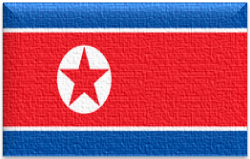
North Korea
Languages : 01
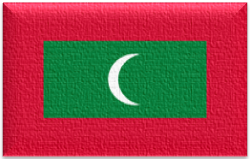
Maldives
Languages : 02
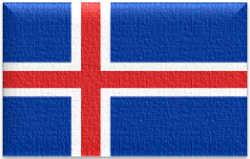
Iceland
Languages : 02
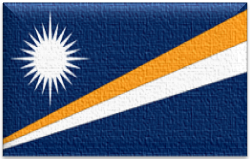
Marshall Islands
Languages : 02
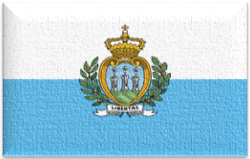
San Marino
Languages : 02
which country in the world has the highest number of languages
Papua New Guinea is the Country Where Nation Speaks Most Number Of Languages in the world,
- Languages : 840
- Ranked : 01
- Capital: Port Moresby
- Location : Oceania
- Abbreviation: PNG
Number of Languages Spoken by Country: Global Language Diversity and Multilingual Nations
The Number of Languages Spoken by Country is one of the most fascinating indicators of cultural diversity and human heritage. Across the world, thousands of languages are spoken by different communities, ethnic groups, and nations. While some countries use only a few widely spoken languages, others are home to hundreds of living languages, making them among the most linguistically diverse places on Earth.
Understanding the Number of Languages Spoken by Country provides valuable insight into history, migration, indigenous cultures, and national identity. Language diversity reflects centuries of cultural evolution and remains an important part of global heritage.
What Does Number of Languages Spoken by Country Mean?
The Number of Languages Spoken by Country refers to the total count of living languages used within a country’s borders. These may include:
- Official languages
- National languages
- Regional languages
- Indigenous languages
- Minority languages
- Immigrant languages
- Sign languages
Some countries recognize multiple official languages, while others have hundreds of local languages spoken by smaller communities.
Why the Number of Languages Spoken by Country Matters
The Number of Languages Spoken by Country is important because languages preserve cultural knowledge, traditions, and identity.
Cultural Heritage
Languages carry unique histories, customs, and worldviews that help define communities.
National Identity
Many nations recognize multiple languages to reflect their cultural diversity.
Education and Communication
Language policies influence education systems, government services, and public communication.
Linguistic Preservation
Tracking language diversity helps protect endangered and indigenous languages.
Countries with the Highest Number of Languages Spoken
Several countries are known for extraordinary linguistic diversity.
Papua New Guinea
Often considered the world’s most linguistically diverse country, with hundreds of living languages spoken across its islands and mountainous regions.
Indonesia
Indonesia is home to hundreds of regional and indigenous languages spread across thousands of islands.
Nigeria
Nigeria has one of the highest numbers of languages in Africa, representing a wide range of ethnic and cultural groups.
India
India’s linguistic diversity includes major national languages, regional languages, and numerous tribal languages.
Cameroon
Cameroon is recognized as one of Africa’s most multilingual nations with hundreds of languages spoken throughout the country.
Factors Affecting the Number of Languages Spoken by Country
Geography
Mountain ranges, islands, forests, and remote regions often encourage language diversification.
Ethnic Diversity
Countries with numerous ethnic groups typically have greater linguistic diversity.
Historical Development
Ancient civilizations, migration patterns, and trade routes have influenced language evolution.
Colonial History
Colonial rule often introduced additional official or administrative languages.
Immigration
Modern migration contributes to multilingual societies and increases language diversity.
Official Languages vs Total Languages Spoken
When examining the Number of Languages Spoken by Country, it is important to distinguish between official languages and total living languages.
Official Languages
Languages recognized by governments for administration, legislation, and public services.
Living Languages
All actively spoken languages within a country, including minority and indigenous languages.
For example, a country may have only one or two official languages while still being home to hundreds of living languages.
Regions with the Greatest Linguistic Diversity
Oceania
The Pacific region contains some of the highest concentrations of languages on Earth.
Africa
Africa is one of the most linguistically diverse continents, with thousands of languages spoken across the region.
Asia
Asia’s vast population and cultural diversity contribute to a large number of living languages.
South America
Indigenous communities throughout South America maintain numerous native languages alongside national languages.
Importance of Indigenous Languages
A significant portion of the Number of Languages Spoken by Country consists of indigenous languages.
These languages often preserve:
- Traditional knowledge
- Oral histories
- Cultural practices
- Environmental understanding
- Community identity
Many indigenous languages face challenges from globalization and language shift, making preservation efforts increasingly important.
Language Diversity and Globalization
Globalization has influenced the Number of Languages Spoken by Country in several ways.
Positive Effects
- Increased multilingual education
- Greater access to language-learning resources
- Improved international communication
Challenges
- Language extinction
- Declining use of indigenous languages
- Dominance of major global languages
Balancing modernization with language preservation remains a major challenge worldwide.
Why People Search for Number of Languages Spoken by Country
The topic attracts interest from:
- Students
- Researchers
- Linguists
- Educators
- Travelers
- Cultural organizations
- Geography enthusiasts
A detailed Number of Languages Spoken by Country guide helps people understand global linguistic diversity and cultural heritage.
Benefits of Studying Number of Languages Spoken by Country
Learning about the Number of Languages Spoken by Country helps readers:
- Explore cultural diversity
- Understand human migration patterns
- Study linguistic evolution
- Compare multilingual societies
- Support language preservation efforts
- Learn about indigenous cultures
Language diversity remains one of humanity’s most valuable cultural resources.
Conclusion
The Number of Languages Spoken by Country highlights the incredible linguistic richness of our world. From nations with a handful of languages to countries where hundreds of languages coexist, linguistic diversity reflects centuries of history, migration, culture, and identity. Understanding the Number of Languages Spoken by Country helps preserve cultural heritage, promote multilingualism, and celebrate the remarkable variety of human communication across the globe.
Frequently Asked Questions (FAQs)
What does Number of Languages Spoken by Country mean?
It refers to the total number of living languages actively spoken within a country’s borders.
Which country has the most languages spoken?
Papua New Guinea is generally recognized as the country with the highest number of living languages.
Are official languages the same as total languages spoken?
No. Official languages are government-recognized languages, while total languages spoken include regional, indigenous, and minority languages.
Why do some countries have hundreds of languages?
Geographic isolation, ethnic diversity, and historical development often contribute to high linguistic diversity.
Why are indigenous languages important?
They preserve cultural traditions, historical knowledge, and community identity.
How does globalization affect language diversity?
Globalization can promote multilingual communication but may also contribute to language loss and extinction.
Which continents have the greatest language diversity?
Africa, Asia, and Oceania are among the most linguistically diverse regions in the world.
Why study the Number of Languages Spoken by Country?
It helps researchers, students, and cultural organizations understand linguistic diversity, cultural heritage, and global communication patterns.