
largest island in the world in which country
top 5 largest island country in the world
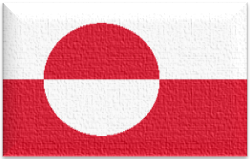
Greenland
2,166,086 km²
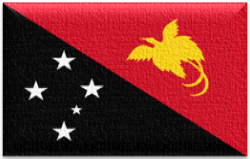
New Guinea
785,753 km²
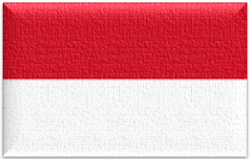
Borneo
743,330 km²
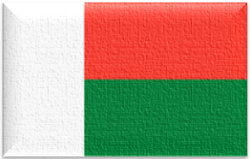
Madagascar
587,041 km²

Baffin Island
507,451 km²
Biggest Islands in the - Largest Islands by Area
| S no | Island | Country |
|---|---|---|
| 1 | Greenland | Denmark |
| 2 | New Guinea | Indonesia / Papua New Guinea |
| 3 | Borneo | Indonesia / Malaysia / Brunei |
| 4 | Madagascar | Madagascar |
| 5 | Baffin Island | Canada |
| 6 | Sumatra | Indonesia |
| 7 | Honshu | Japan |
| 8 | Victoria Island | Canada |
| 9 | Great Britain | United Kingdom |
| 10 | Ellesmere Island | Canada |
| 11 | Sulawesi | Indonesia |
| 12 | South Island | New Zealand |
| 13 | Java | Indonesia |
| 14 | North Island | New Zealand |
| 15 | Luzon | Philippines |
| 16 | Newfoundland | Canada |
| 17 | Cuba | Cuba |
| 18 | Iceland | Iceland |
| 19 | Mindanao | Philippines |
| 20 | Ireland | Ireland / United Kingdom |
| Sources : | Brilliantmaps | wikipedia.org |
World Smallest Island

Bishop Rock
0.0003 km²

Just Room Enough Island
0.0003 km²

Nauru
21 km²
Simping Island
0.0005 km²
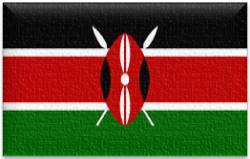
Migingo Island
0.0002 km²
Largest Islands : Introduction
Largest Islands in the World is a fascinating geographical topic that explores the biggest landmasses surrounded entirely by water. Islands vary greatly in size, population, climate, biodiversity, and economic significance, ranging from vast Arctic territories to tropical destinations.
The Largest Islands in the World include some of Earth’s most important geographic regions, supporting millions of people, unique ecosystems, valuable natural resources, and diverse cultures. Understanding the Largest Islands in the World helps explain global geography, population distribution, environmental systems, and regional development.
What Is an Island?
An island is a piece of land completely surrounded by water and smaller than a continent. Islands can be found in oceans, seas, lakes, and rivers.
Key characteristics include:
Surrounded entirely by water.
Smaller than a continent.
May be inhabited or uninhabited.
Can contain mountains, forests, deserts, and glaciers.
Often possess unique ecosystems and biodiversity.
Largest Islands in the World Overview
The Largest Islands in the World are distributed across the Arctic, Atlantic, Pacific, and Indian Oceans. Some are sovereign countries, while others belong to larger nations or territories.
The world’s largest islands range from polar environments covered by ice sheets to tropical regions known for rainforests and biodiversity.
Top 10 Largest Islands in the World
Greenland
Greenland is the largest island in the world and is an autonomous territory within the Kingdom of Denmark.
Key features:
Area: Over 2.1 million km²
Mostly covered by ice
Located in the Arctic region
Sparse population
New Guinea
New Guinea is the second-largest island and is divided between Papua New Guinea and Indonesia.
Key features:
Rich biodiversity
Extensive rainforests
Diverse indigenous cultures
Mountainous terrain
Borneo
Borneo is shared by Indonesia, Malaysia, and Brunei.
Key features:
One of the world’s largest tropical rainforests
Exceptional wildlife diversity
Important ecological region
Madagascar
Madagascar is the world’s fourth-largest island and lies off Africa’s southeastern coast.
Key features:
Unique plant and animal species
High levels of endemism
Distinct ecosystems
Baffin Island
Located in northern Canada, Baffin Island is one of the largest islands in North America.
Key features:
Arctic climate
Glaciers and fjords
Remote settlements
Sumatra
Sumatra is one of Indonesia’s largest islands.
Key features:
Volcanic landscapes
Tropical forests
Significant population
Honshu
Honshu is Japan’s largest and most populous island.
Key features:
Home to Tokyo
Major economic center
Extensive transportation networks
Victoria Island
Victoria Island is part of the Canadian Arctic Archipelago.
Key features:
Vast tundra landscapes
Low population density
Arctic environment
Great Britain
Great Britain is the largest island in Europe.
Key features:
Home to England, Scotland, and Wales
Major historical significance
Dense population
Ellesmere Island
Ellesmere Island is located in the Canadian Arctic.
Key features:
Polar climate
Mountain ranges
Scientific research stations
Largest Islands by Continent
North America
Notable islands include:
Greenland
Baffin Island
Victoria Island
Ellesmere Island
Asia
Major islands include:
New Guinea
Borneo
Sumatra
Honshu
Europe
Key islands include:
Great Britain
Iceland
Ireland
Africa
Major islands include:
Madagascar
Socotra
Bioko
Oceania
Significant islands include:
New Guinea
North Island
South Island
Importance of the World’s Largest Islands
The Largest Islands in the World contribute significantly to:
Biodiversity
Many islands contain unique species found nowhere else on Earth.
Natural Resources
Large islands often possess valuable minerals, forests, fisheries, and energy resources.
Tourism
Many islands attract millions of visitors annually.
Cultural Diversity
Island populations often preserve unique languages, traditions, and identities.
Climate Research
Several large islands play critical roles in climate and environmental studies.
Interesting Facts About the Largest Islands in the World
Greenland is larger than many countries combined.
Madagascar hosts thousands of species found nowhere else.
Borneo contains one of the oldest rainforests on Earth.
Honshu is home to most of Japan’s population.
New Guinea contains some of the world’s greatest biological diversity.
Frequently Asked Questions
What is the largest island in the world?
Greenland is the largest island in the world by land area.
Why is Australia not considered an island?
Australia is classified as a continent rather than an island due to its immense size and geological characteristics.
Which island has the largest population?
Java, Indonesia, is generally recognized as the world’s most populous island.
What is the largest island in Europe?
Great Britain is the largest island in Europe.
Why are the Largest Islands in the World important?
The Largest Islands in the World are important for biodiversity, natural resources, culture, trade, climate research, and human settlement.
Conclusion
The Largest Islands in the World represent some of the planet’s most remarkable geographic features. From Greenland’s vast ice-covered landscapes and New Guinea’s rich biodiversity to Madagascar’s unique wildlife and Great Britain’s historical significance, these islands have shaped human civilization and natural history alike. Exploring the Largest Islands in the World provides valuable insight into geography, ecosystems, cultures, and the diverse environments that make our planet unique.