
ottoman empire country of origin
modern day and historical flags Of ottoman empire
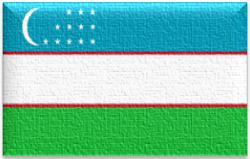
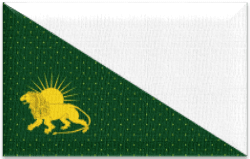
top 5 most powerful sultan of ottoman empire
01
Akber Known as: Akbar the Great Reigned 1556–1605
Akber
02
Aurangzeb Known as: Alamgir (Conqueror of the World). Reigned 1558–1707
Aurangzeb Alamgir
03
Shah Jahan Known as: The Builder King. Reigned 1628–1658
Shah Jahan
04
Baber Known as: Zahir-ud-din Muhammad (The Founder). Reigned 1526–1530
Zaheeruddin Baber
05
Jahangir Known as: Nur-ud-din Muhammad (Conqueror of the World). Reigned 1605–1627
Jahangir
Modern Nations Overlapping with the Peak Territory of the Ottoman Empire
The Rise and Consolidation of the Mughal Empire
when was the mughal empire at its peak
Mughal Empire: Rulers, Battles, Expansion and Fall
The Mughal Empire was one of the most powerful and culturally influential empires in the history of South Asia. Founded by Babur in 1526, the Mughal state eventually controlled much of the Indian subcontinent and became a major center of administration, architecture, art, literature, trade and culture.
The empire emerged from the political traditions of Central Asia, but its greatest development took place in South Asia. The Mughal dynasty traced its ancestry to Timur through Babur’s father and to Genghis Khan through his mother. This Central Asian heritage combined with Persianate court culture and South Asian traditions to produce a distinctive imperial civilization.
At its greatest territorial extent under Aurangzeb, the Mughal Empire controlled most of the Indian subcontinent. Its territories covered areas corresponding to much of modern India, Pakistan and Bangladesh, together with parts of Afghanistan.
The empire reached major cultural and political heights under rulers such as Akbar, Jahangir, Shah Jahan and Aurangzeb. Mughal architecture produced monuments including the Taj Mahal, Red Fort, Agra Fort and Badshahi Mosque, while the imperial administration influenced South Asian political institutions for centuries.
The Mughal Empire gradually weakened after Aurangzeb’s death in 1707. Regional powers such as the Marathas, Sikhs, Jats and various successor states challenged imperial authority, while the British East India Company increasingly became the dominant political and military power.
The last Mughal emperor, Bahadur Shah II, was removed by the British following the Indian Rebellion of 1857, bringing the Mughal dynasty’s political rule to an end.
Mughal Empire at a Glance
| Feature | Details |
|---|---|
| Empire | Mughal Empire |
| Dynasty | Mughal dynasty |
| Founded | 1526 |
| Founder | Babur |
| Origin | Central Asian Timurid dynasty |
| First major capital | Agra |
| Other major capitals | Delhi, Fatehpur Sikri, Lahore |
| Main region | Indian subcontinent |
| Major modern territories | India, Pakistan, Bangladesh and parts of Afghanistan |
| Religion of ruling dynasty | Islam |
| Major court culture | Persianate |
| Important languages | Persian, Hindustani, Chagatai Turkic and regional languages |
| Greatest expansion | Under Aurangzeb |
| Major golden age | Especially Akbar to Shah Jahan |
| Famous ruler | Akbar |
| Famous monument | Taj Mahal |
| Major turning point | Battle of Plassey, 1757 |
| Final emperor | Bahadur Shah II |
| End of imperial rule | 1857 |
Who Were the Mughals?
The Mughals were a Central Asian Muslim dynasty that established political control over northern India in the 16th century.
The dynasty’s founder, Babur, was a descendant of Timur, the Central Asian conqueror who founded the Timurid Empire.
Babur was born in Andijan in the Fergana Valley, in present-day Uzbekistan.
His political career began in Central Asia, but after losing much of his ancestral territory there, he turned toward Afghanistan and eventually northern India.
The Origin of the Mughal Empire
The Mughal Empire originated from the Timurid political tradition of Central Asia.
Babur inherited the legacy of Timur through his father, Umar Sheikh Mirza.
Through his mother, Babur also claimed descent from Chagatai Mongol lineage associated with Genghis Khan.
For this reason, the dynasty had both Timurid and Mongol ancestry, although its political and cultural identity was strongly Timurid and Persianate.
The word “Mughal” comes from Mongol, although the dynasty’s ruling culture was predominantly Central Asian and Persianate rather than simply Mongol.
Babur
Zahir-ud-din Muhammad Babur was born in 1483 and became the founder of the Mughal Empire.
He initially attempted to establish himself in Central Asia but faced powerful rivals, particularly the Uzbeks under Muhammad Shaybani Khan.
After losing his Central Asian possessions, Babur established himself in Kabul.
From Afghanistan, he eventually turned his attention toward northern India.
Babur’s Conquest of Kabul
Babur captured Kabul in 1504.
Kabul became the foundation from which he launched his later campaigns toward India.
Its strategic location connected Central Asia, Afghanistan and the Indian subcontinent.
The Delhi Sultanate Before the Mughals
Before Babur’s invasion, northern India was dominated by the Lodi dynasty, which ruled the Delhi Sultanate.
The Lodi ruler Ibrahim Lodi faced internal political opposition.
Some Afghan nobles dissatisfied with Ibrahim’s rule sought Babur’s intervention.
Babur used this political instability to launch his invasion.
Battle of Panipat — 1526
The First Battle of Panipat was the decisive battle that established Mughal power in northern India.
It was fought on 21 April 1526 between Babur and Ibrahim Lodi.
Babur’s army was smaller than Ibrahim Lodi’s force but used effective tactics, field fortifications and gunpowder artillery.
Babur won a decisive victory.
Ibrahim Lodi was killed, and Babur captured Delhi and Agra.
Why Was the First Battle of Panipat Important?
Panipat transformed Babur from a Central Asian ruler with ambitions in India into the founder of a new imperial dynasty.
It marked the end of Lodi rule at Delhi and opened the way for Mughal expansion.
The battle is also significant in the history of gunpowder warfare in South Asia.
Battle of Khanwa — 1527
Babur’s position was not secure after Panipat.
He faced a major challenge from Rana Sanga, the powerful Rajput ruler of Mewar.
The two forces met at the Battle of Khanwa in 1527.
Babur defeated Rana Sanga’s coalition.
The victory greatly strengthened Mughal control over northern India.
Battle of Chanderi — 1528
Babur continued his campaigns against Rajput resistance.
In 1528, he captured Chanderi, an important Rajput stronghold.
The campaign further strengthened his position in northern India.
Battle of Ghaghra — 1529
Babur fought another major battle at Ghaghra in 1529.
His opponents included Afghan forces and the Sultan of Bengal.
Babur’s victory strengthened Mughal control over northern India.
Babur’s Death
Babur died in 1530.
He was succeeded by his son Humayun.
Although Babur had established the Mughal Empire, the new state remained vulnerable.
Humayun
Nasir-ud-din Muhammad Humayun ruled from 1530 to 1540 and again from 1555 to 1556.
His first reign was marked by political instability and military defeats.
His greatest rival was Sher Shah Suri, an Afghan ruler who eventually expelled Humayun from India.
Sher Shah Suri and the Mughal Empire
Sher Shah Suri defeated Humayun and established the Sur Empire.
The Mughal Empire temporarily disappeared from northern India.
However, Sher Shah’s administrative reforms later influenced the restored Mughal state.
Among his major achievements were improvements to:
- Revenue administration
- Roads
- Postal systems
- Currency
- Military organization
Humayun’s Exile
After losing his Indian territories, Humayun spent years in exile.
He eventually received assistance from the Safavid ruler Shah Tahmasp I.
Humayun later returned to Afghanistan and rebuilt his political and military power.
Restoration of Mughal Rule
Humayun recaptured Delhi in 1555.
The Mughal dynasty was restored.
However, Humayun died in 1556 after falling down the stairs of his library.
His son Akbar succeeded him.
Akbar the Great
Jalal-ud-din Muhammad Akbar was one of the most important rulers in South Asian history.
He ruled from 1556 to 1605.
Akbar transformed the Mughal state into a large, stable and highly organized empire.
His reign is often considered one of the most important periods of Mughal history.
Second Battle of Panipat — 1556
Soon after Akbar became emperor, Mughal forces faced Hemu, a powerful Hindu military commander who had captured Delhi.
The two sides fought the Second Battle of Panipat in 1556.
The Mughal forces won.
The victory secured Akbar’s position and prevented the collapse of the restored Mughal Empire.
Akbar’s Expansion
Akbar expanded the empire across much of northern and central India.
His conquests included territories in:
- Punjab
- Delhi
- Rajputana
- Gujarat
- Bengal
- Bihar
- Malwa
- Kashmir
- Sindh
- Parts of the Deccan
His empire became much larger and more politically stable than Babur’s original state.
Akbar and the Rajputs
Akbar developed a pragmatic relationship with many Rajput rulers.
Rather than relying exclusively on conquest, he often used diplomacy and marriage alliances to incorporate Rajput elites into the imperial system.
Rajput nobles subsequently held important positions within the Mughal administration and military.
Akbar’s Religious Policy
Akbar is well known for his relatively inclusive approach toward the empire’s diverse population.
He abolished the jizya tax on non-Muslims for much of his reign and encouraged discussions among representatives of different religious traditions.
His court included:
- Muslims
- Hindus
- Jains
- Christians
- Zoroastrians
Ibadat Khana
Akbar established the Ibadat Khana at Fatehpur Sikri.
It became a venue for theological and philosophical discussions.
Representatives of different religious traditions participated in debates and discussions.
Din-i Ilahi
Akbar later introduced a small spiritual order commonly known as Din-i Ilahi.
It was not a mass religion and attracted very few followers.
Historians generally view it as a personal spiritual and ethical initiative rather than a replacement for Islam throughout the empire.
Akbar’s Administration
One of Akbar’s greatest achievements was the development of a sophisticated imperial administration.
His government relied on a ranking system known as the mansabdari system.
Mansabdars held military and administrative ranks and were expected to provide troops for imperial service.
Akbar’s Revenue System
Akbar’s administration developed systematic methods for assessing agricultural revenue.
The reforms associated with Raja Todar Mal helped establish a more standardized system of land measurement and taxation.
The system provided the Mughal state with substantial and relatively predictable revenue.
Akbar and Persian Culture
Persian became the principal language of Mughal administration and court culture.
Akbar also supported the translation of important Sanskrit works into Persian.
This encouraged intellectual exchange between different traditions of South Asia.
Fatehpur Sikri
Akbar established Fatehpur Sikri as his imperial capital for a period.
The city contains some of the finest examples of early Mughal architecture.
It combined:
- Islamic architectural traditions
- Persian influences
- Central Asian styles
- Rajput and Gujarati elements
Akbar’s Legacy
Akbar created the institutional foundations that allowed the Mughal Empire to survive and expand for generations.
His achievements included:
- Territorial expansion
- Administrative reform
- Revenue organization
- Military restructuring
- Political alliances
- Cultural patronage
- Religious dialogue
Jahangir
Akbar was succeeded by his son Nur-ud-din Muhammad Salim, better known as Jahangir.
He ruled from 1605 to 1627.
Jahangir largely maintained the empire inherited from his father.
Jahangir’s Rule
Jahangir was particularly interested in:
- Painting
- Nature
- Gardens
- Literature
- Judicial administration
The Mughal miniature painting tradition developed significantly during his reign.
Nur Jahan
Jahangir’s wife Nur Jahan became one of the most influential women in Mughal political history.
She exercised considerable influence over court politics and patronage.
Her role demonstrates the importance of elite women within the Mughal imperial household.
Mughal Relations With the Safavids
The Mughal Empire competed with the Safavid Empire for control of Kandahar.
Kandahar was strategically important because it connected Afghanistan with Iran and Central Asia.
The city changed hands several times during the Mughal-Safavid rivalry.
Shah Jahan
Shah Jahan ruled from 1628 to 1658.
His reign is often associated with the high point of Mughal architecture.
The empire remained wealthy and powerful.
Shah Jahan’s Expansion
Shah Jahan maintained Mughal control across most of northern India and continued expansion in the Deccan.
His reign also witnessed military campaigns in Central Asia, although attempts to recover former Timurid territories were ultimately unsuccessful.
The Taj Mahal
The Taj Mahal was commissioned by Shah Jahan in memory of his wife Mumtaz Mahal, who died in 1631.
Construction began in the 1630s and the principal mausoleum was completed around 1639–1643, with the wider complex completed later.
The monument became one of the world’s most famous examples of Mughal architecture.
Red Fort of Delhi
Shah Jahan also commissioned the Red Fort in Delhi.
Construction began in 1638, when Shah Jahan shifted his imperial capital from Agra to the newly developed Shahjahanabad in Delhi.
The Red Fort became a major symbol of Mughal imperial power.
Jama Masjid
The Jama Masjid of Delhi was another major architectural project of Shah Jahan’s reign.
Completed in 1656, it became one of the most prominent mosques in Mughal India.
Mughal Architecture
Mughal architecture combined influences from:
- Timurid Central Asia
- Persian architecture
- Indian traditions
- Islamic architectural forms
- Rajput design
- Local craftsmanship
Common features included:
- Domes
- Minarets
- Large courtyards
- Gardens
- Decorative stonework
- Calligraphy
- Geometric patterns
- Pietra dura
- Symmetrical layouts
Mughal Gardens
Mughal rulers developed the charbagh garden tradition.
These gardens were typically divided into four sections and incorporated water channels, reflecting Persian and Islamic garden traditions.
The style spread throughout South Asia.
Aurangzeb Alamgir
Aurangzeb, also known as Alamgir, ruled from 1658 to 1707.
He was the last Mughal emperor to exercise extensive effective control over most of the empire.
Under his rule, the Mughal Empire reached its greatest territorial extent.
Aurangzeb’s Expansion
Aurangzeb expanded Mughal authority deep into the Deccan.
Major southern territories were incorporated into the empire after prolonged warfare.
The Mughal Empire reached its maximum geographical extent during his reign.
Mughal-Maratha Conflict
One of Aurangzeb’s greatest challenges was the rise of the Marathas.
The Maratha leader Shivaji established an independent power base in western India.
The conflict between the Mughals and Marathas continued for decades.
Shivaji and the Marathas
Shivaji created a powerful regional state in the western Deccan.
His military organization relied heavily on:
- Forts
- Mobile cavalry
- Local geography
- Guerrilla-style tactics
- Regional alliances
The Marathas eventually became one of the most important powers in post-Mughal India.
Aurangzeb and the Deccan
Aurangzeb spent many years personally directing campaigns in the Deccan.
The conquest of the Bijapur Sultanate in 1686 and Golconda Sultanate in 1687 expanded Mughal territory.
However, these campaigns were extremely expensive.
The empire’s enormous size placed increasing pressure on its military and financial systems.
Aurangzeb’s Religious Policy
Aurangzeb followed a more conservative interpretation of Sunni Islam than Akbar.
He reimposed the jizya in 1679.
His reign also saw some temple destructions, although the historical reasons varied and included political as well as religious factors.
At the same time, Hindus continued to serve in the Mughal administration and military.
The empire remained religiously diverse throughout his reign.
Aurangzeb’s Administration
Aurangzeb inherited an enormous bureaucratic system.
However, continuous warfare created serious financial and administrative pressures.
Maintaining large armies in the Deccan required enormous resources.
These pressures became increasingly difficult to manage after his death.
Aurangzeb’s Death
Aurangzeb died in 1707.
His death marked a major turning point in Mughal history.
The empire still remained large, but its political cohesion was weakening.
The Mughal Empire After Aurangzeb
After Aurangzeb’s death, the Mughal Empire entered a prolonged period of decline.
Several princes competed for the throne.
The absence of a fixed succession law often produced destructive wars between royal brothers and factions.
Succession Wars
Mughal princes frequently fought one another after an emperor died.
These conflicts weakened the central government and reduced imperial authority.
The empire increasingly depended on provincial governors and military commanders.
Rise of Regional Powers
Several regional powers became increasingly independent.
These included:
- Marathas
- Sikhs
- Jats
- Rajputs
- Nawabs of Bengal
- Nawabs of Awadh
- Nizam of Hyderabad
Many continued to acknowledge the Mughal emperor symbolically while exercising practical independence.
Maratha Expansion
The Marathas became the most important military power challenging Mughal authority in much of India.
By the 18th century, Maratha influence extended over large parts of the former Mughal territories.
Sikh Power
The Sikh community developed into a major political and military force in Punjab.
The Sikh Confederacies later contributed to the rise of the Sikh Empire under Maharaja Ranjit Singh in the early 19th century.
Jat Power
The Jats established important regional states around Bharatpur.
Their rise further reduced Mughal authority in northern India.
Persian Invasion of 1739
One of the greatest disasters for the weakened Mughal Empire occurred in 1739.
The Persian ruler Nader Shah invaded India and defeated the Mughal forces at the Battle of Karnal.
Delhi was subsequently plundered.
Nader Shah carried away enormous wealth, including the famous Peacock Throne and the Koh-i-Noor according to traditional accounts.
Battle of Karnal
The Battle of Karnal was fought in 1739.
The Mughal army was far larger than Nader Shah’s force but suffered from poor coordination and leadership.
Nader Shah achieved a decisive victory.
The defeat demonstrated how severely Mughal military power had declined.
Ahmad Shah Durrani
The Mughal Empire also faced repeated invasions from Ahmad Shah Durrani, founder of the Durrani Empire.
Durrani invaded northern India several times during the 18th century.
His campaigns further weakened Mughal authority.
Rise of the British East India Company
While the Mughal Empire weakened, the British East India Company expanded its political and military influence.
The company initially arrived as a trading organization but gradually became a major territorial power.
Battle of Plassey — 1757
The Battle of Plassey was fought in 1757 in Bengal.
British East India Company forces under Robert Clive defeated the forces of Siraj ud-Daulah, the Nawab of Bengal.
Although the battle did not directly abolish the Mughal Empire, it marked a major turning point in the rise of British power in India.
Battle of Buxar — 1764
The Battle of Buxar in 1764 was another decisive British victory.
The Mughal emperor Shah Alam II was among the opposing leaders.
After the battle, the British East India Company gained increasing political and financial authority in northern India.
Mughal Emperor as a Symbol
By the late 18th and early 19th centuries, Mughal emperors retained considerable symbolic prestige but possessed little effective territorial power.
Delhi remained the imperial center, but real authority increasingly belonged to regional rulers and the British.
Bahadur Shah II
Bahadur Shah II, also known as Bahadur Shah Zafar, became the final Mughal emperor.
He ruled from 1837 to 1857.
He was primarily a symbolic ruler by this period.
He was also a noted Urdu poet and patron of literature.
Indian Rebellion of 1857
The Indian Rebellion of 1857 became the final chapter of Mughal political history.
Rebel soldiers and leaders in Delhi recognized Bahadur Shah Zafar as their symbolic emperor.
The rebellion was eventually defeated by British forces.
The British captured Delhi and removed Bahadur Shah Zafar from power.
End of the Mughal Empire
In 1857, the British formally ended the Mughal dynasty’s political authority.
Bahadur Shah Zafar was exiled to Rangoon, where he died in 1862.
The British Crown subsequently assumed direct rule over India in 1858, replacing the East India Company’s government.
Why Did the Mughal Empire Fall?
The Mughal decline resulted from a combination of internal and external pressures.
Succession Conflicts
Repeated wars between royal princes weakened the central government.
Costly Wars
Long campaigns, especially in the Deccan, placed enormous pressure on imperial finances.
Rise of Regional States
Marathas, Sikhs, Jats and other regional powers gained independence.
Administrative Problems
The imperial revenue and military systems became increasingly difficult to manage.
Military Challenges
Mughal armies struggled against increasingly mobile and decentralized opponents.
Foreign Invasions
Nader Shah and Ahmad Shah Durrani inflicted major military and economic damage.
British Expansion
The British East India Company gradually gained military, political and economic dominance.
Weak Later Emperors
Many later Mughal emperors lacked the political authority and military resources of earlier rulers.
Mughal Empire Timeline
| Year | Event |
|---|---|
| 1483 | Birth of Babur |
| 1504 | Babur captures Kabul |
| 1526 | First Battle of Panipat |
| 1527 | Battle of Khanwa |
| 1528 | Battle of Chanderi |
| 1529 | Battle of Ghaghra |
| 1530 | Babur dies |
| 1530 | Humayun becomes emperor |
| 1540 | Humayun loses India to Sher Shah Suri |
| 1555 | Humayun restores Mughal rule |
| 1556 | Humayun dies; Akbar becomes emperor |
| 1556 | Second Battle of Panipat |
| 1605 | Akbar dies; Jahangir succeeds |
| 1627 | Jahangir dies |
| 1628 | Shah Jahan becomes emperor |
| 1630s–1640s | Taj Mahal constructed |
| 1658 | Aurangzeb becomes emperor |
| 1686 | Bijapur conquered |
| 1687 | Golconda conquered |
| 1707 | Aurangzeb dies |
| 1739 | Nader Shah defeats Mughals at Karnal |
| 1757 | Battle of Plassey |
| 1764 | Battle of Buxar |
| 1803 | British capture Delhi |
| 1837 | Bahadur Shah II becomes emperor |
| 1857 | Indian Rebellion; Mughal rule effectively ends |
| 1858 | British Crown assumes direct rule |
| 1862 | Bahadur Shah Zafar dies in Rangoon |
Mughal Emperors
| Emperor | Reign | Major Significance |
|---|---|---|
| Babur | 1526–1530 | Founded the Mughal Empire |
| Humayun | 1530–1540, 1555–1556 | Lost and restored the empire |
| Akbar | 1556–1605 | Built a powerful centralized empire |
| Jahangir | 1605–1627 | Patron of art and culture |
| Shah Jahan | 1628–1658 | Golden age of Mughal architecture |
| Aurangzeb | 1658–1707 | Greatest territorial expansion |
| Bahadur Shah I | 1707–1712 | Ruled after Aurangzeb |
| Jahandar Shah | 1712–1713 | Short reign |
| Farrukhsiyar | 1713–1719 | Increasing court factionalism |
| Muhammad Shah | 1719–1748 | Nader Shah’s invasion |
| Ahmad Shah Bahadur | 1748–1754 | Continued imperial decline |
| Alamgir II | 1754–1759 | Increasing external control |
| Shah Alam II | 1759–1806 | British influence expanded |
| Akbar II | 1806–1837 | Mostly symbolic authority |
| Bahadur Shah II | 1837–1857 | Last Mughal emperor |
Mughal Empire at Its Greatest Extent
The Mughal Empire reached its largest territorial extent under Aurangzeb.
Its territories covered much of:
- Modern India
- Pakistan
- Bangladesh
- Parts of Afghanistan
However, imperial control was not equally strong everywhere.
Some frontier areas were governed indirectly, while powerful regional groups maintained substantial autonomy.
Mughal Empire and Modern India
The Mughal Empire had an enormous impact on the history of modern India.
Its influence can be seen in:
- Architecture
- Cuisine
- Languages
- Administrative traditions
- Art
- Music
- Gardens
- Urban development
- Literature
The Mughal period also contributed to the development of Hindustani culture, particularly in northern India.
Mughal Empire and Pakistan
The Mughal period is particularly important to the history of present-day Pakistan.
Major Mughal cities and monuments included:
- Lahore
- Multan
- Peshawar
- Thatta
- Islamabad region’s surrounding historical areas
Lahore became one of the greatest Mughal cities.
The Lahore Fort, Badshahi Mosque and Shalimar Gardens remain among the most famous architectural monuments associated with Mughal rule.
Mughal Empire and Bangladesh
Bengal became an important province of the Mughal Empire.
Mughal administration helped integrate Bengal into a larger imperial economic system.
Dhaka became an important Mughal provincial center and grew as a major commercial city.
Mughal Empire and Afghanistan
Afghanistan was closely connected to the Mughal Empire because of its Central Asian origins.
Kabul and Kandahar were strategically important.
However, Mughal control over Afghanistan repeatedly faced competition from the Safavids and Central Asian powers.
Mughal Empire and Persia
The Mughals maintained strong cultural and political connections with Persia.
Persian became the major language of the imperial court and bureaucracy.
Mughal art and architecture were heavily influenced by Persian traditions.
The Mughal-Safavid rivalry over Kandahar was also an important part of their foreign policy.
Mughal Economy
The Mughal Empire possessed one of the world’s major premodern economies.
Agriculture formed its economic foundation.
Major crops included:
- Rice
- Wheat
- Cotton
- Sugarcane
- Indigo
- Opium
- Spices
The empire also benefited from extensive domestic and international trade.
Mughal Textile Industry
Mughal India was famous for textiles.
Important products included:
- Cotton cloth
- Muslin
- Silk
- Carpets
- Embroidered fabrics
Bengal became particularly famous for fine textiles.
Indian textiles were traded throughout Asia, the Middle East and Europe.
Mughal Trade
Mughal India maintained extensive trade relationships with:
- Persia
- Central Asia
- Ottoman territories
- Arabia
- Southeast Asia
- East Africa
- Europe
European trading companies became increasingly active in Indian ports.
Mughal Military
The Mughal military combined:
- Cavalry
- Infantry
- Artillery
- War elephants
- Matchlock troops
- Fortification specialists
Cavalry remained especially important.
The empire’s military system was closely connected with the mansabdari and jagir systems.
Mughal Gunpowder Warfare
Babur’s victories demonstrated the importance of firearms and artillery.
At Panipat and Khanwa, Babur effectively combined:
- Field artillery
- Matchlocks
- Cavalry
- Defensive carts
- Coordinated battlefield tactics
This contributed significantly to his victories over larger armies.
Mughal Art
Mughal painting became one of the great artistic traditions of South Asia.
It combined Persian miniature painting with Indian artistic traditions.
Mughal artists produced detailed paintings depicting:
- Court ceremonies
- Battles
- Animals
- Plants
- Landscapes
- Portraits
- Manuscripts
Mughal Literature
Persian was the primary language of elite Mughal literary culture.
Major historical works were produced during the Mughal period.
Babur himself wrote the Baburnama, an important autobiographical work originally written in Chagatai Turkic.
The Mughal court also supported Persian, Sanskrit and later Urdu literary traditions.
Development of Urdu
The Mughal period contributed to the development and expansion of Hindustani literary culture.
Over time, Persian, Arabic and Turkic vocabulary interacted with local North Indian languages.
This helped shape the linguistic environment from which modern Urdu and Hindi developed.
Mughal Architecture
Mughal architecture is among the dynasty’s most enduring legacies.
Famous examples include:
- Taj Mahal
- Agra Fort
- Red Fort
- Jama Masjid
- Humayun’s Tomb
- Fatehpur Sikri
- Lahore Fort
- Badshahi Mosque
- Shalimar Gardens
Humayun’s Tomb
Humayun’s Tomb in Delhi was commissioned by Hamida Banu Begum after Humayun’s death.
Completed in the 16th century, it became an important landmark in the development of Mughal architecture.
Its garden-tomb design influenced later Mughal architecture.
Taj Mahal
The Taj Mahal is perhaps the most famous monument associated with the Mughal Empire.
Located in Agra, it was commissioned by Shah Jahan as a mausoleum for Mumtaz Mahal.
Its architecture combines Persian, Central Asian and Indian influences.
Red Fort
The Red Fort in Delhi was built under Shah Jahan.
It became the center of Mughal political authority in Shahjahanabad.
Today it remains one of India’s most famous historical monuments.
Lahore Fort
The Lahore Fort contains structures from several periods, but major additions were made under Mughal rulers including Akbar, Jahangir, Shah Jahan and Aurangzeb.
It demonstrates the evolution of Mughal architecture over several generations.
Badshahi Mosque
The Badshahi Mosque in Lahore was commissioned by Aurangzeb and completed in 1673.
It became one of the most important examples of Mughal religious architecture.
Mughal Gardens
The Mughal rulers created extensive gardens across their empire.
Famous examples include the Shalimar Gardens in Lahore and Kashmir’s Mughal gardens.
These spaces combined water, geometry, vegetation and architecture.
Mughal Golden Age
The Mughal golden age is often associated particularly with the reigns of Akbar, Jahangir and Shah Jahan.
During these periods, the empire experienced:
- Political consolidation
- Economic prosperity
- Architectural development
- Artistic achievement
- Literary patronage
- Administrative sophistication
Aurangzeb later expanded the empire territorially to its maximum size, but his long wars also placed increasing pressure on imperial resources.
Most Powerful Mughal Emperor
The answer depends on how “powerful” is defined.
Akbar is often regarded as the most important state-builder because he created durable administrative institutions.
Shah Jahan presided over an exceptionally wealthy and architecturally magnificent empire.
Aurangzeb ruled the largest Mughal territory.
Babur deserves credit as the founder who established the dynasty through military victories.
Mughal Empire Legacy
The Mughal Empire left an extraordinary legacy in South Asia.
Its influence survives in:
- Architecture
- Food
- Language
- Art
- Music
- Literature
- Gardens
- Urban culture
- Administration
- Political history
Mughal architectural monuments remain among the most visited historical sites in South Asia.
Historical Importance of the Mughal Empire
The Mughal Empire connected large parts of South Asia under a single imperial framework.
Its rulers developed a sophisticated system capable of collecting revenue, maintaining armies and governing diverse populations.
The empire also connected South Asia more deeply with the wider Islamic world and the international trading networks of the early modern period.
Mughal Empire and the Islamic World
The Mughals maintained diplomatic and cultural connections with other Muslim powers, including:
- Ottoman Empire
- Safavid Empire
- Uzbek states
- Central Asian khanates
- Arabian states
The Mughal court considered itself part of the wider Islamic political world while developing a distinctly South Asian imperial culture.
Mughal Empire and the Ottoman Empire
Mughal-Ottoman relations included diplomatic contacts and religious connections.
The Ottomans controlled the holy cities of Mecca and Medina, making relations with the Ottoman state important for Mughal rulers and their subjects undertaking the Hajj.
However, the Mughals were politically independent and developed their own imperial traditions.
Mughal Empire and the Timurid Legacy
The Mughals considered themselves heirs to the Timurid dynasty.
This connection influenced:
- Royal titles
- Court ceremony
- Architecture
- Military culture
- Genealogy
- Political legitimacy
The Timurid legacy remained important throughout Mughal history.
Mughal Empire: Rise and Fall
The Mughal story can be summarized as:
Central Asian Timurid origins → Babur’s conquest of northern India → Akbar’s consolidation → Jahangir’s cultural development → Shah Jahan’s architectural high point → Aurangzeb’s maximum expansion → post-1707 fragmentation → regional powers and European expansion → British conquest → final end in 1857.
Frequently Asked Questions About the Mughal Empire
What was the Mughal Empire?
The Mughal Empire was a powerful Central Asian-origin Muslim dynasty that ruled much of the Indian subcontinent from 1526 until the formal end of Mughal rule in 1857.
Who founded the Mughal Empire?
Babur founded the Mughal Empire after defeating Ibrahim Lodi at the First Battle of Panipat in 1526.
Where did the Mughals originate?
The Mughal dynasty originated from the Timurid political tradition of Central Asia. Babur was born in the Fergana Valley and later established his base in Kabul before conquering northern India.
Were the Mughals Mongols?
The Mughal name derives from “Mongol,” and Babur had maternal ancestry connected to Genghis Khan. However, the dynasty was strongly Timurid and Central Asian in political and cultural identity.
Were the Mughals Turkish?
Babur’s family was part of the Central Asian Turkic-Timurid world, and the dynasty maintained Turkic cultural traditions. Persian became the dominant language of administration and court culture.
When was the Mughal Empire founded?
The Mughal Empire was founded in 1526 after Babur’s victory at the First Battle of Panipat.
Who was the greatest Mughal emperor?
There is no single objective answer. Akbar was the most influential state-builder, Aurangzeb ruled the largest territory, Shah Jahan presided over a famous architectural period, and Babur founded the dynasty.
Who was Akbar?
Akbar was the third Mughal emperor and ruled from 1556 to 1605. He expanded the empire and established important administrative and revenue institutions.
Why was Akbar important?
Akbar transformed the Mughal state into a large centralized empire and developed political relationships with many Rajput rulers and other regional elites.
Who was Shah Jahan?
Shah Jahan was the fifth Mughal emperor and ruled from 1628 to 1658. He is famous for commissioning the Taj Mahal and other major architectural monuments.
Who built the Taj Mahal?
Shah Jahan commissioned the Taj Mahal in memory of his wife Mumtaz Mahal.
Who was Aurangzeb?
Aurangzeb, also known as Alamgir, was the sixth Mughal emperor and ruled from 1658 to 1707. Under him, the empire reached its greatest territorial extent.
Which Mughal emperor ruled the largest territory?
Aurangzeb ruled the Mughal Empire at its greatest geographical extent.
How did the Mughal Empire expand?
The empire expanded through military conquest, political alliances, diplomacy, marriage alliances and the integration of regional elites.
What was the First Battle of Panipat?
The First Battle of Panipat was fought in 1526 between Babur and Ibrahim Lodi. Babur’s victory established the Mughal Empire in northern India.
What was the Second Battle of Panipat?
The Second Battle of Panipat was fought in 1556 between Mughal forces and Hemu. The Mughal victory helped secure Akbar’s restoration of imperial authority.
What was the Battle of Khanwa?
The Battle of Khanwa was fought in 1527 between Babur and a Rajput coalition led by Rana Sanga. Babur’s victory strengthened Mughal control over northern India.
Who defeated the Mughals?
The Mughal Empire was not defeated by a single power at one time. Its decline resulted from pressure by the Marathas, Sikhs, Jats, regional states, Afghan invaders and eventually the British East India Company.
Did the British defeat the Mughal Empire?
The British gradually reduced Mughal authority over several decades. The final Mughal political authority ended after the Indian Rebellion of 1857.
When did the Mughal Empire fall?
Mughal political rule effectively ended in 1857, when the British deposed Bahadur Shah II. The British government formally abolished the remaining Mughal institution in 1858.
Who was the last Mughal emperor?
Bahadur Shah II, also known as Bahadur Shah Zafar, was the last Mughal emperor.
What happened to Bahadur Shah Zafar?
After the Indian Rebellion of 1857, the British captured and exiled Bahadur Shah Zafar to Rangoon, where he died in 1862.
What was the Mughal capital?
The empire had several important capitals, including Agra, Fatehpur Sikri and Delhi. Lahore and Kabul were also major imperial centers at different times.
What language did the Mughals speak?
The Mughal court used Persian extensively for administration and literature. Chagatai Turkic was important to Babur, while Hindustani and many regional languages were spoken throughout the empire.
What religion did the Mughal emperors follow?
The Mughal dynasty was Muslim. Individual rulers differed significantly in religious policy, with Akbar pursuing a notably inclusive approach and Aurangzeb following a more conservative Sunni policy.
What was the Mughal Empire famous for?
The empire was famous for its architecture, administration, military power, art, literature, gardens, textiles and cultural influence.
Was the Mughal Empire rich?
Yes. Mughal India possessed a very large agricultural and commercial economy and was an important participant in global trade.
Why did the Mughal Empire decline after Aurangzeb?
The decline resulted from succession conflicts, expensive warfare, administrative pressures, regional rebellions, the rise of powerful states and invasions from outside powers.
Did the Marathas defeat the Mughals?
The Marathas became one of the most important forces responsible for reducing Mughal political authority, particularly during the 18th century.
Did the Sikhs defeat the Mughals?
Sikh political and military power grew significantly as Mughal authority weakened. The Sikh Empire under Ranjit Singh later became a major power in Punjab.
What was the relationship between the Mughals and the British?
The British East India Company began as a trading organization but gradually became a major military and political power. By the 18th century it had taken control of large parts of the former Mughal territories.
What happened at the Battle of Plassey?
In 1757, British East India Company forces defeated the Nawab of Bengal. The victory greatly strengthened British political and financial influence in India.
What happened at the Battle of Buxar?
In 1764, British East India Company forces defeated an alliance that included the Mughal emperor Shah Alam II. The victory further strengthened British control in northern India.
What is the Mughal legacy?
The Mughal legacy includes some of South Asia’s most famous architecture, a lasting Persianate administrative tradition, developments in art and literature, and profound influence on the region’s cuisine, languages and culture.
Key Takeaways
- The Mughal Empire was founded by Babur in 1526 after his victory over Ibrahim Lodi at the First Battle of Panipat.
- The dynasty originated from the Timurid political tradition of Central Asia, with Babur also claiming maternal descent from Genghis Khan.
- Akbar transformed the early Mughal kingdom into a powerful and centralized empire through conquest, diplomacy and administrative reform.
- Jahangir continued imperial stability and supported painting, literature and court culture.
- Shah Jahan presided over one of the greatest periods of Mughal architecture, commissioning the Taj Mahal, Red Fort and Jama Masjid.
- Aurangzeb expanded the empire to its greatest territorial extent, particularly through campaigns in the Deccan.
- After Aurangzeb’s death in 1707, succession disputes, expensive wars and the rise of regional powers weakened the empire.
- The Marathas, Sikhs, Jats and regional states increasingly challenged Mughal authority.
- The invasion of Nader Shah in 1739 exposed the empire’s military weakness and resulted in the plundering of Delhi.
- The British East India Company gradually became the dominant political and military power in India.
- The final Mughal emperor, Bahadur Shah II, was deposed following the Indian Rebellion of 1857.
- The Mughal Empire remains one of the most influential empires in South Asian history, particularly for its contributions to architecture, administration, art, literature, trade and Indo-Islamic culture.
Sources:
Encyclopaedia Britannica — Mughal Dynasty
Britannica — Mughal Dynasty
Encyclopaedia Britannica — Babur
Britannica — Babur
Encyclopaedia Britannica — Akbar
Britannica — Akbar
Encyclopaedia Britannica — Shah Jahan
Britannica — Shah Jahan
Encyclopaedia Britannica — Aurangzeb
Britannica — Aurangzeb
Encyclopaedia Britannica — Humayun
Britannica — Humayun
Encyclopaedia Britannica — Jahangir
Britannica — Jahangir
Encyclopaedia Britannica — Bahadur Shah II
Britannica — Bahadur-Shah-II
Encyclopaedia Britannica — Taj Mahal
Britannica — Taj Mahal
Encyclopaedia Britannica — Mughal Architecture
Britannica — Mughal Architecture
Encyclopaedia Britannica — Indian Rebellion of 1857
Britannica — Indian Rebellion of 1857