
Caribbean countries
Largest Caribbean Country by Population
01
Haiti
12.03 Million
02
Dominican Republic
11.6 Million
03
Cuba
10.89 Million
04
Puerto Rico
3.22 Million
05
Jamaica
2.83 Million
map of Caribbean
how many Caribbean countries
| country | population | density |
|---|---|---|
| Haiti | 12,037,506 | 434 |
| Dominican Republic | 11,609,500 | 239 |
| Cuba | 10,892,659 | 99 |
| Puerto Rico | 3,222,688 | 363 |
| Jamaica | 2,833,403 | 258 |
| Trinidad and Tobago | 1,513,268 | 295 |
| Bahamas | 404,628 | 29 |
| Guadeloupe | 372,453 | 229 |
| Martinique | 337,711 | 299 |
| Barbados | 282,724 | 657 |
| Curacao | 185,440 | 418 |
| Saint Lucia | 180,488 | 293 |
| Grenada | 117,362 | 341 |
| Aruba | 108,164 | 601 |
| Saint Vincent and the Grenadines | 99,245 | 255 |
| Antigua and Barbuda | 94,626 | 214 |
| United States Virgin Islands | 83,400 | 240 |
| Cayman Islands | 77,196 | 292 |
| Dominica | 65,511 | 87 |
| Turks and Caicos Islands | 47,148 | 50 |
| Saint Kitts and Nevis | 46,992 | 180 |
| Sint Maarten | 44,447 | 1,307 |
| British Virgin Islands | 39,936 | 264 |
| Saint Martin | 23,898 | 451 |
| Anguilla | 14,817 | 163 |
| Saint Barthelemy | 11,550 | 550 |
| Montserrat | 4,328 | 42 |
| Source : worldpopulationreview.com | Caribbean Region | ||
which is Largest Country Of Caribbean By Land
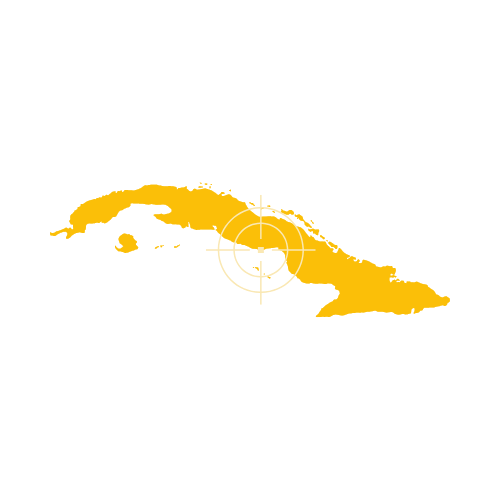
By Land In Southeast Asia Region Cuba Is The Largest Nation In Caribbean
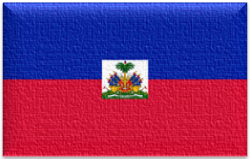
Haiti With 12.03 Million People's Is The Caribbean Most Populated Nation
largest country in Caribbean by population
Caribbean Countries Islands Geography And Population
The Caribbean is one of the world’s most diverse regions, extending around the Caribbean Sea between North America, Central America and South America. It is best known for its hundreds of islands, tropical climate, beaches, coral reefs, volcanic landscapes and distinctive cultures shaped by Indigenous peoples, Africa, Europe, Asia and migration from many parts of the world.
The Caribbean is not a single country or political organization. It is a geographical and cultural region containing independent states, overseas territories and mainland countries with strong Caribbean connections. Definitions therefore vary depending on whether the subject is geography, culture, politics, economics or international organizations.
The region includes the large islands of the Greater Antilles, the volcanic and limestone islands of the Lesser Antilles, and the Lucayan Archipelago, which contains The Bahamas and Turks and Caicos Islands. In broader regional definitions, countries such as Belize, Guyana and Suriname are also considered part of the Caribbean because of their historical, cultural, economic and institutional connections.
The Caribbean is also home to regional organizations such as the Caribbean Community (CARICOM), which currently brings together 15 full member states and 8 associate members. CARICOM’s geographical reach extends from The Bahamas in the north to Guyana and Suriname in South America and westward to Belize.
Caribbean at a Glance
| Feature | Caribbean |
|---|---|
| Region | Caribbean / West Indies |
| Location | Between North, Central and South America |
| Main sea | Caribbean Sea |
| Major island groups | Greater Antilles, Lesser Antilles, Lucayan Archipelago |
| Major sovereign island states | 13 |
| Wider Caribbean sovereign states | Commonly 16 when Belize, Guyana and Suriname are included |
| Major regional organization | CARICOM |
| CARICOM full members | 15 |
| CARICOM associate members | 8 |
| Major languages | English, Spanish, French, Dutch and Caribbean Creoles |
| Main religions | Christianity, with Hinduism, Islam, traditional beliefs and other faiths also present |
| Climate | Predominantly tropical |
| Major economic sectors | Tourism, services, agriculture, energy, mining, finance and trade |
| Major natural hazards | Hurricanes, tropical storms, earthquakes, volcanic eruptions, floods and droughts |
| Largest island | Cuba |
| Largest city | Santo Domingo, Dominican Republic |
| Important sea route | Caribbean Sea–Panama Canal corridor |
The figures and classifications above should not be interpreted as one universally agreed statistical definition of the Caribbean. Different institutions use different geographical boundaries.
What Is the Caribbean?
The Caribbean is a geographical and cultural region centered on the Caribbean Sea and its surrounding islands and coastal areas.
The region is located between the Atlantic Ocean to the east, Central America and Mexico to the west, South America to the south, and the larger islands of the Greater Antilles to the north.
The term Caribbean can refer to several overlapping concepts:
The Caribbean Sea and its surrounding islands
The Caribbean islands
The West Indies
The broader Caribbean cultural region
Caribbean sovereign states and dependent territories
The Caribbean Community and other regional organizations
Because these definitions are different, there is no single universally accepted number of “Caribbean countries.”
CARICOM itself includes countries on the Caribbean islands as well as Belize in Central America and Guyana and Suriname on the South American mainland.
Caribbean Countries
The Caribbean’s independent island countries are commonly grouped into 13 sovereign island states.
Sovereign Caribbean Island Countries
| Country | Capital | Main Island/Area |
|---|---|---|
| Antigua and Barbuda | St. John’s | Antigua, Barbuda |
| The Bahamas | Nassau | Bahamian archipelago |
| Barbados | Bridgetown | Barbados |
| Cuba | Havana | Cuba |
| Dominica | Roseau | Dominica |
| Dominican Republic | Santo Domingo | Hispaniola |
| Grenada | St. George’s | Grenada |
| Haiti | Port-au-Prince | Hispaniola |
| Jamaica | Kingston | Jamaica |
| Saint Kitts and Nevis | Basseterre | Saint Kitts, Nevis |
| Saint Lucia | Castries | Saint Lucia |
| Saint Vincent and the Grenadines | Kingstown | Saint Vincent and Grenadines |
| Trinidad and Tobago | Port of Spain | Trinidad, Tobago |
The Dominican Republic and Haiti share the island of Hispaniola, while several other Caribbean states consist of multiple islands.
Wider Caribbean Countries
In a broader geographical and cultural definition, three mainland countries are frequently included:
Belize — on the Caribbean coast of Central America
Guyana — on the northern coast of South America
Suriname — on the northeastern coast of South America
CARICOM’s own geographical description extends from The Bahamas to Guyana and Suriname and from Belize eastward to Barbados.
This wider interpretation gives 16 sovereign countries commonly associated with the Caribbean.
Caribbean Territories and Dependencies
The Caribbean also contains numerous territories that are not independent sovereign states.
Important examples include:
Anguilla
Aruba
Bermuda
British Virgin Islands
Cayman Islands
Curaçao
Guadeloupe
Martinique
Montserrat
Puerto Rico
Sint Maarten
Turks and Caicos Islands
U.S. Virgin Islands
Saint Barthélemy
Saint Martin
Bonaire
Saba
Sint Eustatius
These territories have different constitutional relationships with countries including the United Kingdom, United States, France and the Netherlands.
CARICOM currently lists eight associate members: Anguilla, Bermuda, British Virgin Islands, Cayman Islands, Curaçao, French Guiana, Martinique and Turks and Caicos Islands.
Major Caribbean Island Groups
The Caribbean islands are generally divided into three major geographical groups: the Greater Antilles, Lesser Antilles and Lucayan Archipelago.
Greater Antilles
The Greater Antilles contain the Caribbean’s largest islands.
The principal islands are:
Cuba
Hispaniola
Jamaica
Puerto Rico
Hispaniola contains the independent countries of Haiti and the Dominican Republic.
The Cayman Islands are also commonly associated geographically with the Greater Antilles.
The Greater Antilles contain most of the Caribbean’s largest population centers and some of its highest mountains. Cuba is the largest island in the Caribbean.
Lesser Antilles
The Lesser Antilles form an extensive arc along the eastern and southeastern Caribbean.
They include numerous small islands and island groups extending from the Virgin Islands toward the northern coast of South America.
The Lesser Antilles are commonly divided into:
Leeward Islands
The northern portion includes islands such as:
Antigua and Barbuda
Saint Kitts and Nevis
Montserrat
Guadeloupe
Saint Martin
Anguilla
Saint Barthélemy
Antigua
Nevis
Windward Islands
The southern section includes:
Dominica
Martinique
Saint Lucia
Saint Vincent and the Grenadines
Grenada
Barbados
Trinidad and Tobago
Exact boundaries and island classifications vary between geographical sources.
Leeward Antilles
The Leeward Antilles lie close to the northern coast of Venezuela and include:
Aruba
Bonaire
Curaçao
These islands are geographically and culturally connected to both the Caribbean and northern South America.
Lucayan Archipelago
The Lucayan Archipelago consists mainly of:
The Bahamas
Turks and Caicos Islands
Unlike the Antilles, these islands are located in the Atlantic Ocean rather than directly within the Caribbean Sea. Nevertheless, they are commonly included in the wider Caribbean region.
This distinction is important when discussing Caribbean geography because the terms Caribbean, Antilles and West Indies do not always describe exactly the same territory.
Caribbean Geography
The geography of the Caribbean is remarkably varied.
The region contains:
Mountain ranges
Volcanic islands
Limestone islands
Coral islands
Tropical forests
Dry forests
Mangroves
Coral reefs
Coastal plains
Caves
Valleys
Beaches
Deep ocean trenches
The Caribbean Sea itself covers approximately 2.75 million square kilometres, making it one of the world’s major marginal seas.
Caribbean Sea
The Caribbean Sea occupies the central part of the region.
It is bounded approximately by:
Central America to the west
South America to the south
The Lesser Antilles to the east
The Greater Antilles and the Bahamas region to the north
The sea has played an important role in transportation, trade, migration, fishing, tourism and military history.
The Panama Canal connects the Caribbean side of Central America with the Pacific Ocean, making the western Caribbean particularly important to international maritime trade.
Caribbean Mountains
Although many Caribbean islands are small, several have substantial mountain systems.
Important mountainous islands include:
Hispaniola
Cuba
Jamaica
Puerto Rico
Dominica
Saint Lucia
Saint Vincent
Grenada
Trinidad
The highest elevations occur mainly on the larger islands and volcanic islands.
The mountains influence rainfall, agriculture, vegetation, rivers and settlement patterns.
Caribbean Volcanoes
The eastern Caribbean contains a major volcanic island arc associated with tectonic activity.
Volcanic islands include:
Dominica
Saint Lucia
Saint Vincent
Grenada
Montserrat
Saint Kitts
Nevis
Guadeloupe
Martinique
Volcanic activity has contributed to fertile soils and dramatic mountain landscapes, but it also creates significant natural hazards.
Montserrat’s Soufrière Hills volcano, for example, became internationally known after major eruptions beginning in the 1990s.
Caribbean Climate
Most of the Caribbean has a tropical or subtropical climate, but conditions vary considerably from island to island.
Climate is influenced by:
Latitude
Elevation
Trade winds
Ocean currents
Mountain ranges
Seasonal rainfall
Proximity to continental landmasses
Some islands receive heavy rainfall and support dense tropical forests, while others are considerably drier.
The ABC islands of Aruba, Bonaire and Curaçao, for example, have relatively dry climates compared with wetter islands farther east.
Caribbean Population
Population statistics for the Caribbean depend strongly on the geographical definition being used.
The United Nations World Population Prospects provides demographic estimates for individual Caribbean countries and territories rather than treating every possible definition of the Caribbean as one single population unit. The 2024 revision covers 237 countries and areas and provides estimates from the historical period through 2023, with projections extending to 2100.
The region contains both densely populated metropolitan islands and very small island communities.
Some of the largest population centers are located in:
Dominican Republic
Haiti
Cuba
Puerto Rico
Jamaica
Trinidad and Tobago
The UN’s 2024 population data, for example, estimated approximately 11.2 million people in Cuba, 11.0 million in Haiti, 11.4 million in the Dominican Republic, 2.8 million in Jamaica, and 1.5 million in Trinidad and Tobago in 2024.
Population density is particularly high in urban and coastal areas.
Major Caribbean Cities
Important Caribbean cities include:
Santo Domingo
Santo Domingo is the capital and largest city of the Dominican Republic. It is one of the Caribbean’s major urban, commercial and historical centers.
Havana
Havana is the capital of Cuba and one of the Caribbean’s most historically significant cities.
Port-au-Prince
Port-au-Prince is the capital of Haiti and a major population center on Hispaniola.
Kingston
Kingston is Jamaica’s capital and an important cultural, commercial and transportation center.
San Juan
San Juan is the capital of Puerto Rico and a major Caribbean port and tourism center.
Port of Spain
Port of Spain is the capital of Trinidad and Tobago and an important commercial center in the southern Caribbean.
Nassau
Nassau is the capital of The Bahamas and a major tourism and cruise destination.
Caribbean History
Caribbean history extends thousands of years before European colonization.
The region was populated by diverse Indigenous societies long before the arrival of Europeans.
Among the historically important Indigenous peoples were:
Taíno
Kalinago
Lucayan
Ciboney and other Indigenous groups
Different communities developed agricultural systems, fishing economies, trading networks and distinctive cultural traditions.
European Arrival
Christopher Columbus reached the Caribbean in 1492, beginning a period of European conquest, colonization and profound demographic change.
Spain established some of the earliest European colonies, particularly in Cuba, Hispaniola and Puerto Rico.
Other European powers subsequently established colonies throughout the region, including:
Britain
France
Netherlands
Denmark
The Caribbean became one of the central regions of the Atlantic colonial system.
Sugar and the Plantation Economy
Sugar became one of the most important commodities in Caribbean history.
Large plantations developed particularly under British, French and Spanish colonial rule.
The plantation economy relied heavily on enslaved African labor.
The transatlantic slave trade brought millions of Africans to the Americas, including the Caribbean. The consequences of slavery remain deeply connected to Caribbean society, demographics, language, religion and culture.
European colonization also caused catastrophic population losses among many Indigenous communities through warfare, forced labor, displacement and disease.
Caribbean Independence
The Caribbean experienced a long transition from colonial rule to self-government and independence.
Important milestones include:
Haiti’s independence in 1804
Cuba’s independence in 1902
Jamaica’s independence in 1962
Trinidad and Tobago’s independence in 1962
Barbados’ independence in 1966
Bahamas independence in 1973
Grenada independence in 1974
Dominica independence in 1978
Saint Lucia independence in 1979
Saint Vincent and the Grenadines independence in 1979
Antigua and Barbuda independence in 1981
Saint Kitts and Nevis independence in 1983
Several Caribbean territories remain politically connected to European countries or the United States.
Caribbean Community and CARICOM
The Caribbean Community, commonly known as CARICOM, is one of the most important regional organizations.
CARICOM was established through the Treaty of Chaguaramas, signed on 4 July 1973 by its founding members.
Its full membership currently consists of 15 states:
Antigua and Barbuda
The Bahamas
Barbados
Belize
Dominica
Grenada
Guyana
Haiti
Jamaica
Montserrat
Saint Kitts and Nevis
Saint Lucia
Saint Vincent and the Grenadines
Suriname
Trinidad and Tobago
CARICOM’s current information identifies 15 full members and eight associate members.
Its work covers areas including economic integration, foreign-policy coordination, human and social development, and regional cooperation.
Caribbean Economy
Caribbean economies are diverse rather than identical.
Major economic activities include:
Tourism
Financial services
Agriculture
Energy
Mining
Manufacturing
Shipping
Fisheries
Construction
Remittances
International business services
Many island economies have limited domestic markets and depend heavily on international trade, tourism and imported energy and food.
CARICOM notes that many member states have moved from economies based heavily on agriculture or mining toward services, especially tourism and financial services.
Tourism in the Caribbean
Tourism is one of the most recognizable components of the Caribbean economy.
Visitors are attracted by:
Beaches
Coral reefs
Tropical forests
Historic cities
Cruise ports
Diving
Sailing
Surfing
Luxury resorts
Cultural festivals
Cuisine
Music
Wildlife
Tourism is particularly important to smaller island economies because international visitors provide foreign exchange and employment.
However, tourism also creates challenges related to environmental pressure, water consumption, coastal development, waste management and vulnerability to hurricanes.
Caribbean Agriculture
Agriculture remains important in several Caribbean countries.
Major agricultural products include:
Sugar
Bananas
Cocoa
Coffee
Citrus
Tropical fruits
Vegetables
Spices
Coconut products
The importance of agriculture varies considerably.
Some countries have shifted toward services, while others continue to rely on agriculture or natural resources for exports and employment.
Energy and Natural Resources
Energy production is particularly important in the southern Caribbean.
Trinidad and Tobago has long been associated with oil and natural gas production and energy-related industries.
Guyana, although located on the South American mainland, has become increasingly important to the wider Caribbean economic picture because of rapidly expanding offshore oil production.
The Caribbean Development Bank reported that Guyana was the main driver of regional growth in 2025. Excluding Guyana, growth across the Bank’s borrowing member countries slowed to 0.6%, while including Guyana regional growth was 4.7%.
Caribbean Trade
The Caribbean occupies an important geographical position between North and South America.
Major trade connections link the region with:
United States
Canada
Mexico
Central America
South America
Europe
China and other Asian markets
Ports and shipping routes are particularly important because many Caribbean economies rely on imported food, fuel, machinery and manufactured goods.
The Panama Canal further increases the strategic importance of the Caribbean’s western maritime routes.
Caribbean Culture
Caribbean culture is one of the region’s defining characteristics.
It developed through interactions among:
Indigenous peoples
Africans
Europeans
Indians
Chinese
Middle Eastern communities
Other migrant populations
CARICOM describes the Caribbean as multilingual and notes major cultural influences from Indigenous peoples, Africans, Indians, Europeans, Chinese, Portuguese and Javanese communities.
Caribbean Languages
The Caribbean is highly multilingual.
Major languages include:
English
Spanish
French
Dutch
Haitian Creole
Jamaican Patois
Papiamento
Various French Creoles
Various English Creoles
Indigenous languages
Spanish is dominant in countries such as Cuba and the Dominican Republic.
English is dominant across much of the former British Caribbean.
French and French-based Creoles are important in Haiti and several French Caribbean territories.
Dutch and Dutch-related languages are used in parts of the Dutch Caribbean.
Caribbean Religion
Christianity is the largest religious tradition across much of the Caribbean.
Major Christian traditions include:
Catholicism
Anglicanism
Baptist churches
Pentecostalism
Seventh-day Adventism
Other Protestant traditions
The region also has substantial communities following:
Hinduism
Islam
Rastafari
Traditional African-derived religions
Santería
Vodou
Other syncretic traditions
Religious traditions frequently reflect the region’s complex history of Indigenous, African, European and Asian cultural interaction.
Caribbean Music
Caribbean music has had an enormous influence on global popular culture.
Important musical traditions include:
Reggae
Dancehall
Calypso
Soca
Steelpan music
Ska
Zouk
Kompa
Merengue
Bachata
Salsa
Reggaetón
Jamaica is particularly associated with reggae, ska and dancehall.
Trinidad and Tobago is closely associated with calypso, soca and steelpan.
The Dominican Republic is internationally recognized for merengue and bachata.
Haiti has developed distinctive traditions including kompa.
Caribbean Festivals
Festivals are central to cultural life throughout the region.
The most famous include Carnival, celebrated in many Caribbean countries.
Major events include:
Trinidad Carnival
Jamaica Carnival
Barbados Crop Over
Junkanoo in The Bahamas
Carnival in the Dominican Republic
Carnival in Haiti
Saint Lucia Carnival
Grenada Carnival
Dominica Carnival
These festivals combine music, dance, costumes, food, religion, history and community identity.
Caribbean Food
Caribbean cuisine reflects the region’s diverse population and history.
Common ingredients include:
Rice
Beans
Plantains
Cassava
Sweet potatoes
Coconut
Seafood
Chicken
Pork
Goat
Tropical fruits
Peppers
Spices
Popular dishes vary by country.
Examples include:
Jamaican jerk dishes
Jamaican rice and peas
Trinidadian roti
Trinidadian doubles
Haitian griot
Dominican mangú
Cuban ropa vieja
Barbadian cou-cou and fish
Bahamian conch dishes
Caribbean curries
Indian influence is particularly visible in the cuisines of Trinidad and Guyana, while African, European and Indigenous culinary traditions appear throughout the region.
Caribbean Biodiversity
The Caribbean contains exceptionally diverse ecosystems.
Important habitats include:
Coral reefs
Mangrove forests
Tropical forests
Seagrass beds
Coastal wetlands
Dry forests
Mountain ecosystems
Marine ecosystems support:
Coral species
Sea turtles
Reef fish
Sharks
Rays
Dolphins
Whales
Seabirds
Many Caribbean islands contain species found nowhere else in the world.
Caribbean Coral Reefs
Coral reefs are among the region’s most valuable natural assets.
They provide:
Fish habitat
Coastal protection
Tourism opportunities
Fisheries
Marine biodiversity
Economic benefits
However, reefs face threats from warming seas, coral bleaching, pollution, coastal development, overfishing and ocean acidification.
Caribbean Natural Disasters
The Caribbean is highly exposed to natural hazards.
Major risks include:
Hurricanes
Tropical storms
Storm surges
Flooding
Landslides
Earthquakes
Volcanic eruptions
Drought
Coastal erosion
The region’s small island economies can be especially vulnerable because a single major disaster can affect infrastructure, tourism, agriculture, housing and public finances simultaneously.
The Caribbean Community specifically identifies frequent natural disasters and economic vulnerability as major shared challenges.
Caribbean Hurricanes
The Caribbean lies within the Atlantic hurricane basin.
The hurricane season generally runs from June through November, with the greatest activity usually occurring later in the summer and early autumn.
Hurricanes can cause:
Destruction of homes
Infrastructure damage
Power outages
Flooding
Agricultural losses
Tourism disruption
Coastal erosion
Large economic losses
Climate resilience has therefore become a major development issue for Caribbean countries.
The Caribbean Development Bank has highlighted climate shocks, natural hazards and economic vulnerability as continuing risks to regional growth.
Caribbean Earthquakes and Volcanoes
The Caribbean sits near several active tectonic boundaries.
Earthquakes are particularly important around:
Hispaniola
Puerto Rico
Jamaica
Cuba
Lesser Antilles
Trinidad region
The Lesser Antilles volcanic arc contains several active or potentially active volcanoes.
This combination of earthquakes and volcanic activity means that the region’s natural-hazard profile is not limited to hurricanes.
Caribbean Climate Change
Climate change is an increasingly important issue for Caribbean countries.
Potential impacts include:
Rising sea levels
Stronger coastal flooding
Coral bleaching
Changing rainfall
Drought
Heat stress
Coastal erosion
Damage to infrastructure
Pressure on freshwater supplies
Increased risks to tourism and agriculture
Because many Caribbean countries have small territories and large coastal populations, adaptation and climate-resilient infrastructure are particularly important.
The Caribbean Development Bank’s latest regional outlook identifies intensifying climate impacts among the factors affecting economic performance.
Caribbean Strategic Importance
The Caribbean has importance far beyond tourism.
Its geographical position gives it significance in:
International shipping
Energy transportation
Trade
Maritime security
Migration
Finance
Telecommunications
Climate policy
Regional diplomacy
The Caribbean Sea connects the Atlantic Ocean with important trade routes leading toward the Panama Canal and the Americas.
Caribbean and the Americas
The Caribbean is generally considered part of the broader Americas.
Geographically, most Caribbean islands are associated with North America, while the wider Caribbean cultural region also includes countries on the Central and South American mainland.
This is why organizations may classify Caribbean countries differently.
For example:
Belize is geographically in Central America but is deeply connected to Caribbean institutions.
Guyana is geographically in South America but is a CARICOM member.
Suriname is geographically in South America but has strong Caribbean institutional and cultural links.
This illustrates why a geographical definition and a cultural or political definition of the Caribbean can produce different country lists.
Caribbean vs West Indies
The terms Caribbean and West Indies are related but not identical.
Caribbean
Usually refers to the Caribbean region, including its islands, surrounding sea and, in broader definitions, mainland countries and territories with strong Caribbean connections.
West Indies
Historically refers primarily to the island groups of the Caribbean and nearby Atlantic islands.
The West Indies generally includes:
Greater Antilles
Lesser Antilles
Lucayan Archipelago
The term originated during the European exploration of the Americas because Europeans initially believed they had reached islands associated with Asia.
Caribbean vs Antilles
The Antilles are the Greater Antilles and Lesser Antilles.
They generally do not include the Bahamas and Turks and Caicos, which form the Lucayan Archipelago.
Therefore:
Greater Antilles + Lesser Antilles = Antilles
Antilles + Lucayan Archipelago = West Indies
These terms are useful when discussing the physical geography of the region.
Largest Caribbean Island
Cuba is the largest island in the Caribbean.
It is also one of the region’s most geographically diverse islands, containing mountains, plains, agricultural areas, forests and extensive coastlines.
Largest Caribbean Country by Population
When independent Caribbean island countries are considered, the Dominican Republic and Haiti are among the region’s largest populations, while Cuba also has a population exceeding 10 million.
Population rankings depend on whether territories and mainland Caribbean countries are included.
The UN’s World Population Prospects provides the appropriate country and territory-level demographic estimates for detailed comparisons.
Caribbean Tourism Destinations
Some of the best-known Caribbean destinations include:
Barbados
The Bahamas
Jamaica
Dominican Republic
Cuba
Saint Lucia
Antigua and Barbuda
Grenada
Aruba
Curaçao
Puerto Rico
Turks and Caicos
Cayman Islands
Saint Vincent and the Grenadines
Trinidad and Tobago
Different destinations specialize in different experiences, including beaches, diving, sailing, nightlife, cultural tourism, nature tourism and historical attractions.
Why Is the Caribbean Important?
The Caribbean is important because it combines a strategic geographical location with exceptional cultural, environmental and economic diversity.
Its importance comes from several factors:
Strategic Location
The region sits between North and South America and near major Atlantic shipping routes.
Tourism
Its beaches, climate, marine ecosystems and cultural attractions make it one of the world’s major tourism regions.
Maritime Trade
The Caribbean Sea provides important shipping routes and connects directly with the Panama Canal.
Cultural Influence
Caribbean music, food, literature, sports and festivals have influenced societies around the world.
Natural Resources
The region contains fisheries, agricultural land, minerals, forests and energy resources.
Biodiversity
Its coral reefs, forests and island ecosystems contain many endemic species.
Regional Cooperation
Organizations such as CARICOM provide frameworks for economic, social and political cooperation.
Economic Challenges Facing the Caribbean
Despite its natural and cultural assets, the Caribbean faces structural economic challenges.
These include:
Small domestic markets
High transportation costs
Dependence on imported goods
High energy costs
Public debt
Climate vulnerability
Natural disasters
Dependence on tourism
Limited economic diversification
Exposure to global economic changes
The Caribbean Development Bank’s 2025–2026 economic outlook reported subdued regional performance and highlighted global uncertainty, climate impacts, fiscal pressures and structural constraints.
Future of the Caribbean
The future development of the Caribbean will depend on how successfully countries combine economic growth with resilience.
Important areas include:
Climate-resilient infrastructure
Renewable energy
Sustainable tourism
Digital services
Economic diversification
Regional trade
Improved transportation
Disaster preparedness
Marine conservation
Education and skills
Sustainable agriculture
The region’s future is therefore not simply about tourism. Digital industries, financial services, energy, logistics, agriculture and regional integration are increasingly important parts of the Caribbean economic landscape.
Frequently Asked Questions About the Caribbean
How many countries are in the Caribbean?
There is no single universally accepted number because the definition of the Caribbean varies. A common geographical definition identifies 13 independent island countries, while a broader Caribbean definition often includes Belize, Guyana and Suriname, giving 16 sovereign states.
What are the main Caribbean countries?
The main independent island countries include Cuba, Haiti, Dominican Republic, Jamaica, The Bahamas, Barbados, Trinidad and Tobago, Antigua and Barbuda, Dominica, Grenada, Saint Lucia, Saint Kitts and Nevis, and Saint Vincent and the Grenadines.
Is Mexico part of the Caribbean?
Mexico is not normally classified as a Caribbean country as a whole. However, Mexico has a Caribbean coastline along the Yucatán Peninsula, including the states of Quintana Roo, Yucatán and Campeche.
Is Belize part of the Caribbean?
Belize is geographically located in Central America, but it is widely connected with the Caribbean through its history, culture, coastline and membership in CARICOM.
Are Guyana and Suriname Caribbean countries?
Geographically, Guyana and Suriname are in South America. However, both are commonly considered part of the wider Caribbean because of their historical, cultural and institutional connections, including membership in CARICOM.
What are the three main Caribbean island groups?
The three broad island groups are the Greater Antilles, Lesser Antilles and Lucayan Archipelago.
What is the largest island in the Caribbean?
Cuba is the largest island in the Caribbean.
What language is spoken in the Caribbean?
The Caribbean is multilingual. English, Spanish, French and Dutch are major European languages, while Haitian Creole, Jamaican Patois, Papiamento and many other Creoles and local languages are also spoken.
What is the main religion in the Caribbean?
Christianity is the dominant religious tradition across much of the Caribbean, but the region also has Hindu, Muslim, Rastafari, African-derived, Indigenous and other religious traditions.
What is CARICOM?
CARICOM, or the Caribbean Community, is a regional organization promoting cooperation and integration among Caribbean countries. It currently has 15 full members and eight associate members.
Is the Caribbean part of North America?
The Caribbean islands are generally geographically associated with North America, although the wider Caribbean region also includes countries in Central and South America.
Why is the Caribbean vulnerable to hurricanes?
The region lies within the Atlantic tropical-cyclone basin and contains many low-lying coastal communities and small island economies. Hurricanes can therefore affect large portions of a country’s infrastructure and economy.
Why is the Caribbean important to world trade?
The Caribbean Sea is located along major maritime routes connecting North and South America and the Atlantic with the Panama Canal and Pacific trade routes.
Key Takeaways
The Caribbean is a geographical, cultural and historical region centered on the Caribbean Sea.
Its major island divisions are the Greater Antilles, Lesser Antilles and Lucayan Archipelago.
There are 13 commonly recognized sovereign Caribbean island states.
A broader definition also includes Belize, Guyana and Suriname.
The region contains many overseas and dependent territories.
Cuba is the largest Caribbean island.
Hispaniola is shared by Haiti and the Dominican Republic.
English, Spanish, French and Dutch are major languages, alongside numerous Creoles and local languages.
Christianity is the largest religious tradition, but the Caribbean has substantial religious diversity.
Tourism is a major source of employment and foreign exchange for many countries.
Agriculture, energy, finance, trade and services are also important.
The Caribbean is highly exposed to hurricanes, earthquakes, volcanic activity, flooding and climate change.
CARICOM provides an important framework for regional cooperation.
The region’s location gives it major importance for international shipping and trade.
Caribbean culture has had a major global influence through music, cuisine, festivals, literature and sport.