
central asian countries
largest central Asian countries by population
01
Uzbekistan
37.7 Million
02
Kazakhstan
21.0 Million
03
Tajikistan
10.9 Million
04
Turkmenistan
7.73 Million
04
Kyrgyzstan
7.40 Million
map of central Asian Region
how many central asian countriesp
| country | population | density |
|---|---|---|
| Uzbekistan | 37,724,223 | 84 |
| Kazakhstan | 21,083,626 | 8 |
| Tajikistan | 10,978,599 | 77 |
| Turkmenistan | 7,736,632 | 16 |
| Kyrgyzstan | 7,400,465 | 37 |
| Source : worldpopulationreview.com | Central Asia | ||
which is Largest Country Of Central Asia By Land
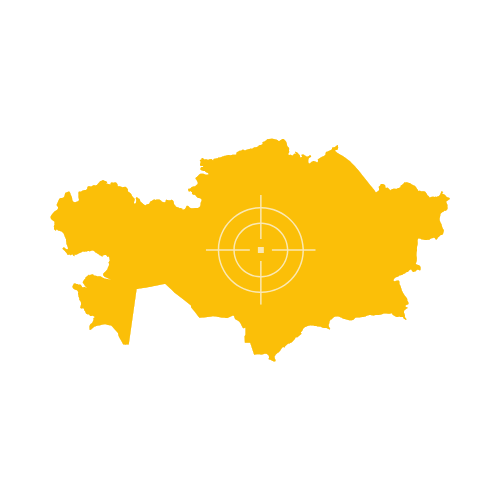
Kazakhstan is the largest country in Central Asia by land area. 2,724,900 km²
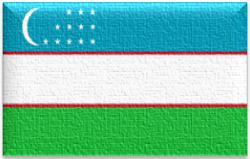
Uzbekistan With 37 Million People's Is Most Populated Central Asian Country
largest country in central asia by population
Central Asian Countries By Population Distribution
Central Asia Countries Population And Geography
Introduction
Central Asia is a vast landlocked region in the heart of Eurasia, located between Russia, China, Iran, Afghanistan and the Caspian Sea. The region is traditionally defined by five independent republics: Kazakhstan, Kyrgyzstan, Tajikistan, Turkmenistan and Uzbekistan.
Central Asia is known for its enormous steppes, deserts, high mountain ranges, ancient cities and historic trade routes. For thousands of years, the region served as a meeting point between civilizations in Europe, the Middle East, South Asia and East Asia.
The region played a central role in the development of the Silk Road, connecting cities and trading centers across Eurasia. Today, Central Asia remains strategically important because of its location, natural resources, transportation corridors, agriculture, energy reserves and growing economic connections with neighboring regions.
Central Asia at a Glance
| Feature | Central Asia |
|---|---|
| Countries | 5 sovereign states |
| Countries | Kazakhstan, Kyrgyzstan, Tajikistan, Turkmenistan, Uzbekistan |
| Largest country | Kazakhstan |
| Smallest country by area | Tajikistan |
| Largest population | Uzbekistan |
| Regional area | About 4 million km² |
| Main geographic character | Landlocked |
| Major landscapes | Steppe, desert, mountains, valleys and plateaus |
| Major mountain systems | Tian Shan and Pamir |
| Major deserts | Karakum, Kyzylkum |
| Major inland waters | Aral Sea, Caspian Sea |
| Main languages | Turkic and Iranian languages, Russian widely used |
| Major religions | Islam and Christianity |
| Historic trade route | Silk Road |
| Major economic sectors | Energy, mining, agriculture, manufacturing, trade and services |
Where Is Central Asia?
Central Asia occupies the central portion of the Eurasian continent.
The five countries generally considered part of the region are:
- Kazakhstan
- Kyrgyzstan
- Tajikistan
- Turkmenistan
- Uzbekistan
The region borders or lies close to several major geographic areas:
- Russia to the north
- China to the east
- Afghanistan to the south
- Iran to the southwest
- Caspian Sea to the west
Central Asia has no direct ocean coastline. Kazakhstan and Turkmenistan have coastlines on the Caspian Sea, but the Caspian is an enclosed inland body of water rather than an ocean.
Central Asian Countries and Capitals
The five modern Central Asian republics emerged as independent states after the dissolution of the Soviet Union in 1991.
| Country | Capital | Approx. Area | Main Geographic Character |
|---|---|---|---|
| Kazakhstan | Astana | 2.7 million km² | Vast steppe and semi-arid plains |
| Kyrgyzstan | Bishkek | 200,000 km² | Mountainous |
| Tajikistan | Dushanbe | 143,000 km² | High mountains |
| Turkmenistan | Ashgabat | 491,000 km² | Desert |
| Uzbekistan | Tashkent | 449,000 km² | Plains, deserts and irrigated valleys |
Area figures are rounded and can vary slightly depending on the geographic source and treatment of inland waters.
Kazakhstan
Kazakhstan is the largest country in Central Asia and one of the world’s largest landlocked countries.
Its territory stretches from the Caspian Sea region in the west to the Chinese border in the east.
Major geographic features include:
- Kazakh Steppe
- Caspian lowlands
- Altai Mountains
- Tian Shan
- Balkhash Basin
- Aral Sea region
Kazakhstan has major reserves of oil, natural gas, uranium and minerals.
Its economy is strongly connected to energy, mining, manufacturing, agriculture, transportation and trade.
Astana is the capital, while Almaty remains one of the country’s largest and most important cultural and commercial cities.
Kyrgyzstan
Kyrgyzstan is one of the most mountainous Central Asian countries.
Much of its territory is dominated by the Tian Shan mountain system.
Important geographical features include:
- Issyk-Kul
- Tian Shan Mountains
- Naryn River
- Alpine valleys
- High mountain pastures
Kyrgyzstan’s economy includes agriculture, services, mining, tourism and remittances.
Mountain landscapes make the country particularly notable for hiking, mountaineering, skiing and other forms of nature tourism.
Tajikistan
Tajikistan is the smallest Central Asian country by area and one of the region’s most mountainous states.
Much of the country lies within the Pamir and Alay mountain systems.
The landscape includes:
- High mountain ranges
- Glaciers
- Deep valleys
- Alpine lakes
- High plateaus
The Pamir Mountains occupy a large part of eastern Tajikistan.
Tajikistan’s economy includes agriculture, services, mining and hydropower. Rivers descending from its mountains provide significant potential for hydroelectric generation.
Turkmenistan
Turkmenistan is dominated by the Karakum Desert, which covers much of the country.
The country borders:
- Kazakhstan
- Uzbekistan
- Afghanistan
- Iran
- Caspian Sea
Turkmenistan possesses substantial natural-gas resources and has developed an economy strongly associated with hydrocarbons.
The capital, Ashgabat, is located in the southern part of the country near the Kopet Dag mountain range.
Uzbekistan
Uzbekistan is the most populous Central Asian Country.
It occupies a strategically important position because it borders all four other Central Asian states and Afghanistan.
Major geographic features include:
- Kyzylkum Desert
- Amu Darya
- Syr Darya
- Fergana Valley
- Aral Sea region
Uzbekistan has historically been one of the region’s major agricultural and commercial centers.
Its economy includes agriculture, manufacturing, mining, energy, services and increasingly diversified industries.
The capital, Tashkent, is Central Asia’s largest major urban center.
Population of Central Asia
Central Asian Region has a combined population of more than 80 million people, although the exact total changes according to the reference year and population source.
Population is unevenly distributed.
The largest population concentrations occur in:
- Uzbekistan
- Southern Kazakhstan
- Fergana Valley
- Tajikistan’s river valleys
- Kyrgyzstan’s major valleys
- Major urban centers
Large parts of Kazakhstan and Turkmenistan are sparsely populated because of deserts, dry steppe and semi-arid conditions.
Population Distribution
The region’s population is concentrated particularly around:
- River valleys
- Irrigated agricultural areas
- Mountain foothills
- Major cities
- Historic trade corridors
The Fergana Valley is one of the most densely populated areas of Central Asia and is divided among Uzbekistan, Kyrgyzstan and Tajikistan.
Central Asian Major Cities
Central Asia has several historic and rapidly developing urban centers.
Tashkent
Tashkent is the capital of Uzbekistan and the largest major metropolitan center.
It has historically been an important trading and cultural center and today functions as a major center for government, education, transportation and business.
Almaty
Almaty is Kazakhstan’s largest city and an important financial, cultural and educational center.
The city is located near the northern foothills of the Tian Shan.
Astana
Astana is the capital of Kazakhstan.
The city lies in the northern steppe and has developed rapidly as Kazakhstan’s political and administrative center.
Bishkek
Bishkek is the capital of Kyrgyzstan.
It is located near the Kyrgyz Ala-Too range and serves as the country’s principal political, economic and cultural center.
Dushanbe
Dushanbe is the capital of Tajikistan.
It is situated in the Hissar Valley and functions as the country’s main political, cultural and economic center.
Ashgabat
Ashgabat is the capital of Turkmenistan.
The city lies between the Karakum Desert and the Kopet Dag Mountains.
Geography of Central Asian Region
Central Asia has one of the most varied physical landscapes in Eurasia.
The region includes:
- Vast grasslands
- Deserts
- Semi-deserts
- High mountains
- Glacial valleys
- Plateaus
- River basins
- Inland seas and lakes
The western and central portions are generally dominated by plains, steppe and desert, while the eastern and southeastern areas become increasingly mountainous.
Central Asian Steppe
The Eurasian Steppe extends across much of northern Kazakhstan.
Steppe ecosystems consist primarily of grasslands and semi-arid vegetation.
Historically, these open landscapes supported nomadic pastoral societies that relied on:
- Horses
- Sheep
- Goats
- Cattle
- Camels
The steppe also served as an important migration and communication corridor across Eurasia.
Karakum Desert
The Karakum Desert occupies most of Turkmenistan.
Its name means approximately “Black Sand” in the Turkmen language.
The desert contains extensive sand landscapes and extremely dry conditions.
Despite its aridity, settlements have developed around rivers, irrigation networks, groundwater and urban centers.
Kyzylkum Desert
The Kyzylkum Desert lies mainly between the Amu Darya and Syr Darya rivers.
It covers parts of:
- Uzbekistan
- Kazakhstan
- Turkmenistan
Its landscapes include sand dunes, dry plains and sparse vegetation.
Tian Shan Mountains
The Tian Shan is one of Central Asia’s most important mountain systems.
The range extends across:
- Kyrgyzstan
- Kazakhstan
- Uzbekistan
- China
The mountains contain glaciers, high-altitude lakes, forests, grasslands and extensive alpine ecosystems.
They are also an important source of water for downstream agriculture and settlements.
Pamir Mountains
The Pamir Mountains are centered mainly in Tajikistan and extend toward neighboring countries.
The Pamirs are among the world’s highest mountain regions.
They contain:
- High plateaus
- Glaciers
- Deep valleys
- Alpine lakes
- Extremely high peaks
Because of their elevation and difficult terrain, the region has historically had relatively isolated communities.
Rivers of Central Asia
Central Asia’s rivers are essential for agriculture, cities, ecosystems and hydroelectric power.
The two most important river systems are:
- Amu Darya
- Syr Darya
Other important rivers include:
- Ili
- Chu
- Talas
- Zeravshan
- Vakhsh
Amu Darya
The Amu Darya is one of Central Asia’s most important rivers.
It flows through or along areas of Afghanistan, Tajikistan, Uzbekistan and Turkmenistan before reaching the Aral Sea basin.
Syr Darya
The Syr Darya flows through Central Asia toward the northern part of the Aral Sea basin.
It has historically been essential to agriculture and settlement.
Aral Sea
The Aral Sea was once one of the world’s largest inland lakes.
During the Soviet period, enormous quantities of water were diverted from the Amu Darya and Syr Darya for irrigation, especially for agricultural production.
The resulting decline in inflow caused a dramatic reduction in the Aral Sea’s size.
The environmental consequences included:
- Loss of fisheries
- Increased salinity
- Exposed seabed
- Dust and salt storms
- Ecosystem degradation
- Economic disruption
- Public-health concerns
The northern part of the former sea has experienced partial recovery following water-management projects, while other areas remain severely diminished.
Caspian Sea
The Caspian Sea lies west of The Region.
Kazakhstan and Turkmenistan have significant Caspian coastlines.
The Caspian is the world’s largest inland body of water and has major importance for:
- Oil and gas
- Fishing
- Transportation
- Ports
- Regional trade
It connects region economically with the Caucasus and wider Eurasian transportation networks.
Climate
has a predominantly continental climate.
Because the region is far from the oceans, temperatures can vary significantly between seasons.
Common characteristics include:
- Very hot summers in desert regions
- Cold winters
- Low precipitation in many areas
- Large temperature differences
- Heavy snowfall in mountains
- Dry conditions in deserts and steppe
Mountain regions receive considerably more precipitation than many lowland and desert areas.
Water Resources
Water is one of the most important strategic resources.
Mountainous countries such as Kyrgyzstan and Tajikistan contain major sources of river water, while downstream countries such as Uzbekistan, Turkmenistan and Kazakhstan depend heavily on those rivers for agriculture and other activities.
Water is particularly important for:
- Irrigation
- Hydropower
- Drinking water
- Industry
- Ecosystems
- Livestock
The region’s shared river systems make transboundary water management an important issue.
Central Asian Lakes
Important lakes and inland waters include:
- Issyk-Kul
- Balkhash
- Aral Sea
- Sarygamysh Lake
- Alakol
Issyk-Kul
Issyk-Kul in Kyrgyzstan is one of the world’s largest high-altitude lakes.
It is surrounded by mountains and is an important center for tourism and recreation.
Lake Balkhash
Lake Balkhash in Kazakhstan is one of the world’s notable large inland lakes.
Its unusual hydrological characteristics make it an important part of Kazakhstan’s natural environment.
History of Central Asia
Central Asia has a history extending back thousands of years.
The region has been home to nomadic peoples, settled agricultural societies, powerful empires, trading cities and major religious and intellectual centers.
Its location made it one of the principal crossroads of Eurasian history.
Ancient Central Asian Region
Ancient Central Asia was inhabited by numerous Iranian-speaking and later Turkic-speaking peoples.
Important ancient civilizations and cultural regions included:
- Bactria
- Sogdiana
- Khwarezm
- Margiana
- Scythian and Saka cultural areas
Agricultural settlements developed around rivers and oases, while nomadic societies occupied the surrounding steppe.
Alexander the Great
In the fourth century BCE, Alexander the Great expanded his empire into Central Asia.
He conquered territories including parts of Bactria and Sogdiana.
The encounter between Greek and Central Asian cultures contributed to the development of the Hellenistic world of Central Asia, including the later Greco-Bactrian Kingdom.
Silk Road
Central Asia was one of the most important regions of the Silk Road.
The Silk Road was not a single road but a network of trade routes connecting China with Central Asia, Persia, the Middle East and Europe.
Central Asian cities served as commercial and cultural centers.
Important historic cities included:
- Samarkand
- Bukhara
- Khiva
- Merv
- Tashkent
- Osh
- Termez
Merchants transported:
- Silk
- Spices
- Textiles
- Metals
- Precious stones
- Paper
- Horses
- Agricultural products
The Silk Road also facilitated the movement of religions, languages, technologies and scientific knowledge.
Sogdians
The Sogdians were an Iranian-speaking people whose homeland was centered around Sogdiana.
They became particularly important as merchants and intermediaries along Silk Road routes.
Sogdian communities and merchants operated across Central Asia and reached as far as China.
Spread of Islam in Central Asia
Islam became a major religious force in Central Asia beginning in the early medieval period.
Muslim dynasties, scholars, merchants and Sufi teachers contributed to the spread and development of Islamic civilization throughout the region.
Important Islamic intellectual centers included:
- Bukhara
- Samarkand
- Merv
- Khiva
- Tashkent
Central Asia produced numerous influential scholars in Islamic theology, jurisprudence, philosophy, mathematics, astronomy, medicine and literature.
Bukhara and Islamic Scholarship
Bukhara became one of the most important centers of Islamic learning in the medieval Muslim world.
The city was associated with major scholars and religious institutions.
Among the most famous figures associated with the region was Imam al-Bukhari, whose collection of hadith is one of the most influential works in Sunni Islamic scholarship.
Samarkand
Samarkand is one of the oldest and most historically significant cities of Central Asia.
It flourished as a Silk Road center and later became a major political and cultural center under the Timurids.
Its historic architecture includes monuments associated with:
- Registan
- Ulugh Beg
- Timurid architecture
- Islamic scholarship
Mongol Empire
During the thirteenth century, Central Asia was transformed by the expansion of the Mongol Empire.
The armies of Genghis Khan conquered major cities and territories across the region.
Central Asia subsequently became divided among several Mongol successor states.
The Chagatai Khanate controlled significant parts of Central Asia for centuries.
Timurid Empire
In the late fourteenth century, Timur established a powerful empire centered in Central Asia.
Samarkand became the capital and developed into an important center of architecture, scholarship and culture.
The Timurid period is particularly associated with:
- Architecture
- Astronomy
- Mathematics
- Literature
- Islamic scholarship
- Persianate culture
Timur’s descendants continued to rule parts of Central Asia and later played an important role in the history of South Asia.
Shaybanids and Uzbek Khanates
Following the decline of Timurid power, various Uzbek dynasties and khanates became dominant in much of Central Asia.
Important political centers included:
- Bukhara
- Khiva
- Kokand
These states remained important until Russian expansion into the region during the nineteenth century.
Russian Expansion
The Russian Empire expanded into Central Asia during the nineteenth century.
Russian forces gradually incorporated territories and established control over major parts of the region.
The conquest changed:
- Political administration
- Trade patterns
- Military organization
- Agriculture
- Infrastructure
- Relations with neighboring states
Soviet Central Asia
After the Russian Revolution, Central Asia became part of the Soviet political system.
The Soviet Union established five major union republics corresponding broadly to the modern states:
- Kazakh SSR
- Kirghiz SSR
- Tajik SSR
- Turkmen SSR
- Uzbek SSR
The Soviet period brought major changes in:
- Industrialization
- Education
- Urbanization
- Agriculture
- Transportation
- Irrigation
- Population movement
At the same time, Soviet agricultural policies contributed heavily to the environmental disaster of the Aral Sea.
Independence of Central Asian States
The five modern Central Asian republics became independent in 1991 following the dissolution of the Soviet Union.
They are:
- Kazakhstan
- Kyrgyzstan
- Tajikistan
- Turkmenistan
- Uzbekistan
Since independence, the countries have developed their own national institutions, foreign policies, economies and identities while maintaining strong historical and economic links with one another.
Languages of Central Asia
Central Asia has considerable linguistic diversity.
The region’s major language groups include:
- Turkic
- Iranian
- Slavic
Turkic Languages
Turkic languages are dominant in most of the region.
Important examples include:
- Kazakh
- Kyrgyz
- Uzbek
- Turkmen
- Karakalpak
Tajik Language
Tajik is an Iranian language closely related to Persian.
It is the principal language of Tajikistan and is also spoken by communities in neighboring Central Asian countries.
Russian
Russian remains widely used throughout Central Asia, particularly in:
- Business
- Higher education
- Intergovernmental communication
- Urban communities
- Cross-border communication
The degree of Russian usage varies by country and generation.
Religions of Central Asia
Islam is the largest religious tradition in Central Asia.
The region is predominantly associated with Sunni Islam, particularly the Hanafi school of jurisprudence, although religious practices and levels of observance vary considerably.
Other religious communities include:
- Eastern Orthodox Christians
- Other Christian denominations
- Jews
- Buddhists and smaller religious communities
Kazakhstan and Kyrgyzstan have historically significant Russian Orthodox Christian communities.
Sufism in Central Asia
Central Asia has played an important role in the history of Sufism.
The region was home to major Sufi scholars and traditions.
The Naqshbandi tradition, associated with Central Asian spiritual history, became particularly influential across Central Asia, South Asia and the wider Muslim world.
Important Sufi centers developed around cities such as Bukhara, Samarkand and Turkestan.
Central Asian Culture
Central Asian culture reflects thousands of years of interaction between nomadic, settled, Turkic, Iranian, Islamic, Mongol, Russian and other traditions.
Important cultural elements include:
- Traditional music
- Poetry
- Carpets and textiles
- Horse culture
- Falconry
- Nomadic traditions
- Islamic architecture
- Handicrafts
- Traditional cuisine
- Hospitality
Nomadic Heritage
Nomadic pastoralism has had a profound influence on Central Asian culture.
Horses historically played an important role in:
- Transportation
- Warfare
- Herding
- Sport
- Social status
Traditional yurts remain important cultural symbols in several Central Asian societies.
Central Asian Cuisine
Central Asian cuisine reflects both nomadic and agricultural traditions.
Common ingredients include:
- Rice
- Wheat
- Meat
- Dairy products
- Carrots
- Onions
- Fruits
- Nuts
- Spices
Popular foods include:
- Plov
- Manti
- Samsa
- Lagman
- Beshbarmak
- Shashlik
- Naan and other flatbreads
- Fermented dairy products
Plov, also known as pilaf, is particularly widespread throughout the region.
Economy of Central Asia
Central Asian economies vary considerably but share several important characteristics.
Major economic sectors include:
- Energy
- Mining
- Agriculture
- Manufacturing
- Construction
- Transportation
- Tourism
- Services
- Trade
The region is rich in natural resources, including:
- Oil
- Natural gas
- Uranium
- Coal
- Gold
- Copper
- Rare and strategic minerals
Oil and Natural Gas
Kazakhstan and Turkmenistan are particularly important energy producers.
Kazakhstan has major oil and gas reserves, while Turkmenistan possesses some of the world’s significant natural-gas resources.
Energy exports connect Central Asia with markets in:
- China
- Russia
- Europe
- South Asia
- Other parts of Eurasia
Uranium and Minerals
Central Asia has major mineral resources.
Kazakhstan is especially important in global uranium production.
Other mineral resources across the region include:
- Gold
- Copper
- Coal
- Zinc
- Lead
- Chromium
- Rare and strategic minerals
Mining therefore plays an important role in several national economies.
Agriculture
Agriculture remains an important source of employment and income.
Major products include:
- Wheat
- Cotton
- Fruits
- Vegetables
- Grapes
- Livestock
- Wool
- Dairy products
Irrigation is essential because much of Central Asia is arid or semi-arid.
Cotton Production
Uzbekistan and Turkmenistan have historically been major cotton-producing countries.
Cotton agriculture played a particularly important role during the Soviet period.
However, intensive irrigation associated with cotton cultivation contributed significantly to the decline of the Aral Sea.
Hydropower
The mountainous countries of Kyrgyzstan and Tajikistan have significant hydropower potential.
Major rivers descend from the Tian Shan and Pamir mountains, providing opportunities for electricity generation.
Hydropower is particularly important because it can provide domestic electricity while reducing dependence on imported fossil fuels.
Transportation and Trade
Central Asia’s position between Europe and East Asia makes transportation a major economic opportunity.
The region lies along several developing overland trade corridors connecting:
- China
- Central Asia
- Caucasus
- Turkey
- Europe
The Trans-Caspian International Transport Route, commonly known as the Middle Corridor, has received increasing attention as an alternative Eurasian trade route.
Railways, highways, pipelines and logistics hubs are therefore important to the region’s economic development.
China and Central Asia
China is an important economic partner for Central Asia.
Trade, infrastructure and energy connections have expanded significantly over recent decades.
The China–Central Asia relationship includes cooperation in:
- Transport
- Energy
- Mining
- Manufacturing
- Trade
- Infrastructure
- Investment
Central Asia’s location also gives it an important role in China’s broader Eurasian connectivity projects.
Russia and Central Asia
Russia has longstanding historical, economic, linguistic and security connections with Central Asia.
These links developed particularly strongly during the Russian Empire and Soviet periods.
Russian remains widely used in the region, and millions of Central Asian citizens have economic links with Russia through trade, employment and migration.
Central Asia and South Asia
Central Asia has historical connections with South Asia through trade, religion, migration and imperial history.
Afghanistan forms an important geographic bridge between Central Asia and South Asia.
The region has potential for greater connectivity with:
- Pakistan
- Afghanistan
- India
- Iran
Projects involving energy, transport and trade seek to strengthen these connections.
Central Asia and the European Union
The European Union has developed growing relations with Central Asian states involving:
- Trade
- Investment
- Energy
- Transport
- Critical raw materials
- Education
- Environmental cooperation
The region’s position between Europe and Asia gives it increasing relevance to European connectivity and diversification strategies.
Central Asia and the Middle East
Central Asia also has historical and modern links with the Middle East.
Iran has long-standing cultural and economic connections with Tajikistan, Turkmenistan and other parts of the region.
The Persian cultural sphere historically extended deeply into Central Asia, particularly in cities such as Bukhara and Samarkand.
Environmental Challenges
Central Asia faces several serious environmental challenges.
Major concerns include:
- Water scarcity
- Desertification
- Land degradation
- Salinization
- Melting glaciers
- Air pollution
- Aral Sea degradation
- Climate change
Climate Change
Climate change is expected to affect Central Asia through changes in:
- Temperature
- Snow and glacier systems
- Water availability
- Agricultural productivity
- Extreme weather
- Drought
Because the region depends heavily on mountain water and irrigation, changes in precipitation and glacier melt can have major consequences.
Tourism in Central Asia
Central Asia offers a combination of historical, cultural and natural attractions.
Important tourism destinations include:
- Samarkand
- Bukhara
- Khiva
- Almaty
- Astana
- Issyk-Kul
- Pamir Mountains
- Tian Shan
- Charyn Canyon
- Turkmenistan’s ancient sites
Tourism opportunities include:
- Silk Road heritage
- Mountain trekking
- Skiing
- Desert travel
- Cultural tourism
- Archaeological tourism
- Ecotourism
UNESCO Heritage in Central Asia
The region contains numerous UNESCO-recognized cultural and natural sites.
Historic Silk Road cities and monuments are especially important.
Examples include:
- Samarkand
- Bukhara
- Khiva
- Saryarka steppe and lakes
- Western Tien-Shan
- Tajik National Park
- Historic sites associated with Silk Road routes
These sites demonstrate Central Asia’s importance as a bridge between civilizations.
Central Asia and the Silk Road Today
The historical Silk Road continues to influence Central Asia’s modern identity.
Modern transportation projects use some of the same broad geographic corridors that historically connected China, Central Asia, the Middle East and Europe.
Modern railways, highways, pipelines and logistics centers are transforming the region into an increasingly important Eurasian transit zone.
Central Asia Compared With Other Asian Regions
| Feature | Central Asia | East Asia | South Asia | Southeast Asia |
|---|---|---|---|---|
| Main geography | Landlocked interior | Pacific-facing | Indian Ocean and continental | Island and mainland |
| Climate | Continental and arid | Highly varied | Monsoon-dominated | Tropical and monsoon |
| Major landscapes | Steppe, desert, mountains | Mountains, plains, coasts | Mountains, plains, coasts | Islands, forests, mountains |
| Major historical trade route | Silk Road | Silk Road and maritime routes | Indian Ocean routes | Maritime trade routes |
| Major language groups | Turkic, Iranian, Slavic | Sino-Tibetan, Japonic, Koreanic and others | Indo-European, Dravidian and others | Austronesian, Tai-Kadai, Austroasiatic and others |
| Major religions | Islam, Christianity | Buddhism and other traditions | Hinduism, Islam, Buddhism and others | Buddhism, Islam, Christianity and others |
Why Is Central Asia Important?
Central Asia has strategic importance because of its location at the center of Eurasia.
Its importance is connected to:
- Energy resources
- Mineral wealth
- Agricultural production
- Water resources
- Transport corridors
- Trade between Europe and Asia
- Historical Silk Road routes
- Geopolitical location
- Cultural heritage
- Renewable-energy potential
The region sits between several major economic and political centers, including Russia, China, South Asia, the Middle East and Europe.
Frequently Asked Questions
How many countries are in Central Asia?
Central Asia traditionally consists of five sovereign countries: Kazakhstan, Kyrgyzstan, Tajikistan, Turkmenistan and Uzbekistan.
What is the largest country in Central Asia?
Kazakhstan is the largest country in Central Asia by area.
What is the most populous country in Central Asia?
Uzbekistan is the most populous country in the region.
What is the capital of Central Asia?
Central Asia does not have a single capital because it is a geographic region made up of five independent countries. Their capitals are Astana, Bishkek, Dushanbe, Ashgabat and Tashkent.
What is the largest city in Central Asia?
Tashkent is generally regarded as the region’s largest major urban center.
Which religion is most common in Central Asia?
Islam is the predominant religion across Central Asia, particularly Sunni Islam.
What languages are spoken in Central Asia?
The major languages include Kazakh, Kyrgyz, Uzbek, Turkmen and Tajik, while Russian remains widely used across much of the region.
What is the largest desert in Central Asia?
The Karakum Desert is one of the region’s largest deserts and covers much of Turkmenistan.
What are the main mountains of Central Asia?
The Tian Shan and Pamir Mountains are among the region’s most important mountain systems.
Why is the Aral Sea important?
The Aral Sea became an internationally recognized environmental disaster after extensive river-water diversion for irrigation caused its water level and area to decline dramatically.
Why was Central Asia important to the Silk Road?
Central Asia connected China with Persia, the Middle East and Europe. Cities such as Samarkand, Bukhara and Merv served as important commercial and cultural centers along these routes.
When did the Central Asian countries become independent?
Kazakhstan, Kyrgyzstan, Tajikistan, Turkmenistan and Uzbekistan became independent in 1991, following the dissolution of the Soviet Union.
Key Takeaways
Central Asia is a geographically diverse region at the heart of Eurasia consisting traditionally of five countries: Kazakhstan, Kyrgyzstan, Tajikistan, Turkmenistan and Uzbekistan.
The region combines enormous steppe landscapes, deserts, fertile river valleys and some of the world’s highest mountain systems. The Tian Shan and Pamir Mountains are particularly important for Central Asia’s geography and water resources.
Central Asia has played an extraordinary role in world history. Ancient civilizations, nomadic societies, Islamic scholars, Sufi traditions, Mongol rulers, Timurid dynasties and Silk Road merchants all contributed to the region’s cultural development.
Today, Central Asia is important for energy, minerals, agriculture, transportation, trade and Eurasian connectivity. At the same time, water scarcity, environmental degradation and climate change remain major regional challenges.
Its location between Europe, Russia, China, South Asia and the Middle East ensures that Central Asia continues to be an important geographic and economic crossroads.