
Stan - Countries That Ends On Stan
01
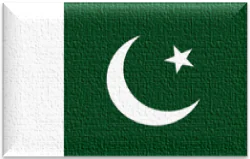
Pakistan
Pop. : 255 Million
02
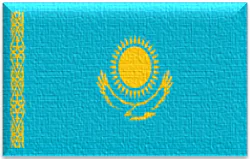
Kazakhstan
Pop. : 20.8 Million
03
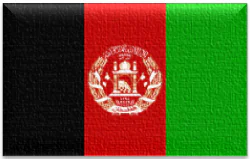
Afghanistan
Pop. : 43.8 Million
04
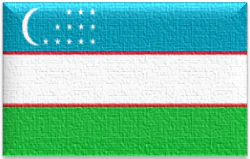
Uzbekistan
Pop. : 37.0 Million
05
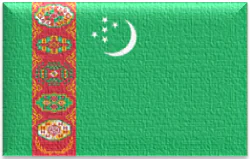
Turkmenistan
Pop. : 7.61 Million
06
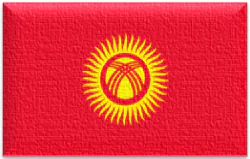
Kyrgyzstan
Pop. : 7.29 Million
07
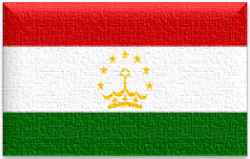
Tajikistan
Pop. : 10.7 Million
Countries That End in Stan
Countries ending in “-stan” form one of the most recognizable naming patterns in Central and South Asia. In English, seven sovereign countries have names ending in the suffix -stan: Afghanistan, Kazakhstan, Kyrgyzstan, Pakistan, Tajikistan, Turkmenistan, and Uzbekistan. (World Population Review)
The suffix has a long linguistic history connected with Persian and the wider Indo-Iranian language family. In geographical names, -stan generally conveys the idea of a “land,” “country,” or “place of.” Its use extends far beyond modern national borders and appears in the names of historical regions, provinces, cities, and other places across Asia. (Biblioteka Nauki)
How Many Countries End in -Stan?
There are 7 internationally recognized sovereign countries whose common English names end in -stan:
- Afghanistan
- Kazakhstan
- Kyrgyzstan
- Pakistan
- Tajikistan
- Turkmenistan
- Uzbekistan
These seven countries are concentrated mainly in Central Asia and South Asia. World Population Review identifies the same seven countries as the countries whose English names contain the “-Stan” suffix. (World Population Review)
List of Countries Ending in -Stan
| Rank | Country | Region | Capital |
|---|---|---|---|
| 1 | Pakistan | South Asia | Islamabad |
| 2 | Afghanistan | South Asia | Kabul |
| 3 | Uzbekistan | Central Asia | Tashkent |
| 4 | Kazakhstan | Central Asia | Astana |
| 5 | Tajikistan | Central Asia | Dushanbe |
| 6 | Turkmenistan | Central Asia | Ashgabat |
| 7 | Kyrgyzstan | Central Asia | Bishkek |
The seven countries represent two closely connected geographic areas. Afghanistan and Pakistan are generally associated with South Asia, while Kazakhstan, Kyrgyzstan, Tajikistan, Turkmenistan, and Uzbekistan form the core group of Central Asian states.
What Does -Stan Mean?
The suffix -stan comes through Persian and is commonly translated as “land,” “country,” or “place of.” It is related to older Indo-Iranian linguistic forms associated with the concept of a place or location. (Etymology Online)
In country names, the suffix is generally combined with a word identifying a people, group, territory, or other defining element. This makes -stan comparable in function to the English geographic element “-land.”
For example:
- Afghanistan → commonly understood as the land of the Afghans
- Kazakhstan → land associated with the Kazakhs
- Kyrgyzstan → land associated with the Kyrgyz
- Tajikistan → land associated with the Tajiks
- Turkmenistan → land associated with the Turkmen
Uzbekistan → land associated with the Uzbeks
Pakistan has a different naming history. Its name was coined in the 20th century and is commonly associated with the Persian/Urdu -stan element meaning “land,” while the full name also has a separate acronymic and political history.
Origin of the -Stan Suffix
The history of -stan reaches considerably further back than the modern countries that use it. Linguistic research traces the suffix through Iranian languages and identifies connections with older Indo-Iranian forms. A scholarly study of the Persian suffix -(e)stān describes it as a locative element meaning “the land of” or “land.” (Biblioteka Nauki)
The element became particularly productive in Persian geographical naming. Over time, it was adopted or influenced naming traditions across regions that experienced Persian cultural and linguistic influence.
This explains why names ending in -stan are not restricted to one modern ethnic group or one present-day country.
Countries Ending in -Stan in Central Asia
Five of the seven modern -stan countries are located in Central Asia:
- Kazakhstan
- Kyrgyzstan
- Tajikistan
- Turkmenistan
- Uzbekistan
Together, these countries occupy a large area between Russia, China, Afghanistan, Iran, and the Caspian Sea.
Central Asia has historically been an important crossroads between Persian, Turkic, Mongol, Russian, and other cultural and linguistic traditions. The widespread use of -stan in modern geographical names reflects part of this long history of linguistic interaction.
Kazakhstan
Kazakhstan is the largest of the seven countries ending in -stan by land area. It stretches across a vast portion of northern and central Central Asia and extends toward the Caspian Sea.
The country’s name combines the name of the Kazakh people with the -stan geographic suffix. Kazakhstan is also notable because it is the world’s largest landlocked country.
Its capital is Astana, while Almaty remains the country’s largest major urban center and an important economic and cultural hub.
Uzbekistan
Uzbekistan is the most populous of the Central Asian countries ending in -stan. Its capital, Tashkent, is one of the region’s largest cities.
The country occupies an important position in the historical heartland of Central Asia. Cities such as Samarkand and Bukhara were major centers of trade, scholarship, architecture, and culture along the historic Silk Road.
The name Uzbekistan combines Uzbek with -stan, giving the geographical sense of the land associated with the Uzbeks.
Turkmenistan
Turkmenistan occupies much of the southwestern part of Central Asia. Much of the country is covered by the Karakum Desert, making its physical geography very different from the mountainous landscapes found farther east.
The capital is Ashgabat, a major political and administrative center.
The name combines Turkmen with -stan, producing the geographical meaning associated with the land of the Turkmen.
Tajikistan
Tajikistan is a mountainous country in southeastern Central Asia. Its capital is Dushanbe.
The country is particularly known for the Pamir Mountains, which form some of the most dramatic landscapes in the region. Tajikistan’s population is predominantly Tajik-speaking, although the country is also home to other ethnic and linguistic communities.
The name combines Tajik with -stan, referring geographically to the land associated with the Tajiks.
Kyrgyzstan
Kyrgyzstan is another mountainous Central Asian country. It borders Kazakhstan, Uzbekistan, Tajikistan, and China.
Its capital is Bishkek, while the country is widely known for the Tien Shan mountain system, high-altitude lakes, valleys, and extensive pastoral landscapes.
The country’s name combines Kyrgyz with the -stan suffix.
Afghanistan
Afghanistan is the southernmost of the seven countries whose English names end in -stan. It lies at the crossroads of Central and South Asia and shares borders with Pakistan, Iran, Turkmenistan, Uzbekistan, Tajikistan, and China.
The capital is Kabul.
The name is generally interpreted as referring to the land of the Afghans, with the Persian geographic suffix -stan forming the final part of the name.
Afghanistan has historically connected South Asia, Central Asia, the Iranian plateau, and the broader Middle East, making it an important crossroads in regional history.
Pakistan
Pakistan is the only one of the seven -stan countries whose name does not simply follow the straightforward pattern of an ethnic name plus -stan.
The country was established in 1947 following the partition of British India. Its name incorporates -stan, a suffix associated with “land” or “place,” while the name also has a distinctive modern political and linguistic origin.
Pakistan is the most populous of the seven countries ending in -stan according to the current World Population Review listing. (World Population Review)
Its capital is Islamabad, while Karachi is the country’s largest city and an important economic center.
-Stan Countries by Population
Among the seven countries, Pakistan has the largest population, followed by Afghanistan and Uzbekistan in the current World Population Review data. Turkmenistan has the smallest population among the seven. (World Population Review)
The population ranking is:
| Rank | Country | Population |
|---|---|---|
| 1 | Pakistan | 259,299,791 |
| 2 | Afghanistan | 45,047,069 |
| 3 | Uzbekistan | 37,724,223 |
| 4 | Kazakhstan | 21,083,626 |
| 5 | Tajikistan | 10,978,599 |
| 6 | Turkmenistan | 7,736,632 |
| 7 | Kyrgyzstan | 7,400,465 |
Population figures shown above are from the current World Population Review listing and can change as estimates are updated. (World Population Review)
Largest Country Ending in -Stan
Kazakhstan is the largest country ending in -stan by area. Its territory is substantially larger than that of the other six countries. It is also the world’s largest landlocked country.
The other six -stan countries occupy considerably smaller territories, although several—including Turkmenistan, Uzbekistan, Afghanistan, and Pakistan—cover large areas compared with many countries elsewhere in the world.
Most Populous Country Ending in -Stan
Pakistan is the most populous country ending in -stan. The current World Population Review data lists its population at more than 259 million, considerably above the other six countries in the group. (World Population Review)
Pakistan’s population is concentrated particularly heavily along the Indus River system, including the major urban and agricultural regions of Punjab and Sindh.
Least Populous Country Ending in -Stan
Kyrgyzstan has the smallest population among the seven -stan countries in the current World Population Review table, with approximately 7.4 million people. Turkmenistan is slightly more populous at approximately 7.7 million. (World Population Review)
Although their populations are relatively small, both countries occupy strategically important locations in Central Asia.
Are All -Stan Countries in Central Asia?
No. The seven countries are distributed between Central Asia and South Asia.
The five commonly grouped as Central Asian states are:
- Kazakhstan
- Kyrgyzstan
- Tajikistan
- Turkmenistan
- Uzbekistan
Afghanistan and Pakistan are generally associated with South Asia, although Afghanistan also has strong historical, cultural, and geographic connections with Central Asia.
This distinction is important because “-stan” is a linguistic naming element, not the name of a geographic region. A country does not become Central Asian simply because its name ends in -stan.
Other Places That End in -Stan
The -stan suffix is not exclusive to sovereign countries. It appears in the names of numerous regions and localities.
Examples include Tatarstan in Russia and historical or regional names across Iran, Afghanistan, Pakistan, Central Asia, and the Caucasus. The suffix has also appeared in historical names that are no longer names of independent countries.
World Population Review notes that numerous subnational regions and cities also contain the suffix, including places in Afghanistan, Armenia, Iran, Pakistan, Tajikistan, Uzbekistan, and Kazakhstan. (World Population Review)
-Stan Names in Persian and Other Languages
The geographic element has spread beyond Persian itself. It has been used across languages and naming traditions influenced by Persian and broader Iranian cultural history.
The scholarly literature describes -(e)stān as a productive Persian locative suffix and documents its use in geographical names across a wide area of Asia. (Biblioteka Nauki)
This historical influence helps explain why similar geographical names can appear in places that today speak different languages.
For example, Persian geographical naming traditions have produced forms associated with:
- Afghanistan
- Kazakhstan
- Kyrgyzstan
- Tajikistan
- Turkmenistan
- Uzbekistan
- Pakistan
- Kurdistan
- Baluchistan
- Tatarstan
Not all of these are sovereign countries. Some are historical, cultural, administrative, or geographic regions.
Countries That End in -Stan vs. Countries That End in -Land
The suffix -stan can be broadly compared with -land in English geographical names. Both can express a connection with a territory or people, although their linguistic histories are different.
Examples of -land country names include:
- Finland
- Iceland
- Ireland
- Poland
- Switzerland
- Thailand
- New Zealand
Examples of -stan country names include:
- Afghanistan
- Kazakhstan
- Kyrgyzstan
- Pakistan
- Tajikistan
- Turkmenistan
- Uzbekistan
The comparison is useful because both suffixes frequently appear in place names and can carry a geographical meaning.
Why Do So Many Countries End in -Stan?
The concentration of -stan names in Central and South Asia is closely related to the historical influence of Persian and Iranian languages and cultures across the region. Persian served for centuries as an important language of administration, literature, scholarship, and elite culture across large parts of Asia.
As geographical naming traditions developed and spread, the -stan element became established in the names of numerous peoples and territories.
Modern borders were created much later than many of these naming traditions. Consequently, the seven modern countries that end in -stan represent only part of a much larger historical naming system.
Seven -Stan Countries at a Glance
| Country | Capital | Main Region | -Stan Association |
|---|---|---|---|
| Afghanistan | Kabul | South Asia | Afghans |
| Kazakhstan | Astana | Central Asia | Kazakhs |
| Kyrgyzstan | Bishkek | Central Asia | Kyrgyz |
| Pakistan | Islamabad | South Asia | Modern name incorporating -stan |
| Tajikistan | Dushanbe | Central Asia | Tajiks |
| Turkmenistan | Ashgabat | Central Asia | Turkmen |
| Uzbekistan | Tashkent | Central Asia | Uzbeks |
Frequently Asked Questions
How many countries end in -Stan?
There are seven sovereign countries whose common English names end in -stan: Afghanistan, Kazakhstan, Kyrgyzstan, Pakistan, Tajikistan, Turkmenistan, and Uzbekistan. (World Population Review)
What does -Stan mean?
The suffix -stan generally means “land,” “country,” or “place of” and has a long history in Persian and related Indo-Iranian languages. (Biblioteka Nauki)
Which country is the largest -Stan country?
Kazakhstan is the largest of the seven countries ending in -stan by land area. (World Population Review)
Which -Stan country has the largest population?
Pakistan has the largest population among the seven -Stan countries in the current World Population Review data. (World Population Review)
Which -Stan country has the smallest population?
Kyrgyzstan has the smallest population in the current World Population Review table, with about 7.4 million people. (World Population Review)
Are all countries ending in -Stan Muslim countries?
No. The suffix -stan is a linguistic and geographic element, not a religious designation. The seven countries have Muslim-majority populations, but the meaning of the suffix itself is unrelated to religion.
Are all -Stan countries in Asia?
The seven sovereign countries whose English names end in -stan are located in Asia. Five are in Central Asia and two—Afghanistan and Pakistan—are generally classified within South Asia.
Is Pakistan a -Stan country?
Yes. Pakistan is one of the seven sovereign countries whose common English name ends in -stan. (World Population Review)
Is Afghanistan a Central Asian country?
Afghanistan has strong geographic and historical connections with Central Asia, but it is commonly classified as part of South Asia in many international geographic classifications.
Is Tatarstan a country?
No. Tatarstan is a federal republic of Russia, not an independent sovereign country. Its name demonstrates that the -stan suffix is also used for subnational territories.
Does -Stan mean country?
In geographical names, -stan can convey the meaning of “land,” “country,” or “place of.” Its exact interpretation depends on the complete name and its historical linguistic context. (Biblioteka Nauki)
Why are most -Stan countries in Central Asia?
Persian and related Iranian linguistic traditions had extensive historical influence across Central Asia. The -stan naming element consequently became widespread throughout the region. (Biblioteka Nauki)
Key Facts About Countries Ending in -Stan
- 7 sovereign countries have common English names ending in -stan.
- 5 are in Central Asia: Kazakhstan, Kyrgyzstan, Tajikistan, Turkmenistan, and Uzbekistan.
- 2 are generally associated with South Asia: Afghanistan and Pakistan.
- Kazakhstan is the largest by area.
- Pakistan is the most populous according to the current World Population Review data.
- Kyrgyzstan has the smallest population in the current World Population Review listing.
- -Stan is a Persian geographic suffix generally meaning land, country, or place of.
- The suffix also appears in numerous regional and historical place names outside the seven sovereign states. (World Population Review)