Bulgaria
Bulgaria Country Profile Overview and Facts
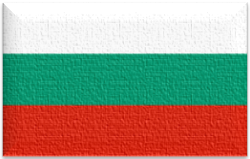
- Capital: Sofia
- Independence Day: September 22, 1908 (from the Ottoman Empire)
- Provinces: 28 (Oblasti)
- Religion: Christianity (predominantly Eastern Orthodox)
- Motto: “Unity Makes Strength” (Saedinenieto pravi silata)
- Language: Bulgarian
Bulgaria Profile Overview
Bulgaria is a country located in Southeastern Europe, on the eastern side of the Balkan Peninsula. It is bordered by Romania to the north, Serbia and North Macedonia to the west, Greece and Türkiye to the south, and the Black Sea to the east. The capital city, Sofia, is one of the oldest cities in Europe and serves as Bulgaria’s political, economic, and cultural center.
Bulgaria has a long and influential history shaped by Thracian, Roman, Byzantine, and Slavic civilizations. Today, it is a member of the European Union with a mixed economy based on industry, agriculture, technology, energy, and tourism. Bulgaria’s cultural heritage and geographic position make it an important link between Europe and Asia.
Importance of Bulgaria
Bulgaria holds strategic importance due to its geographic position at the crossroads of Europe and the Middle East, its role in regional trade corridors, and its contribution to European security and energy transit routes. The country is also recognized for its agricultural production, information technology sector, and cultural heritage tourism.
Alliances and International Relations
Bulgaria is a member of the United Nations (UN), European Union (EU), North Atlantic Treaty Organization (NATO), World Trade Organization (WTO), Council of Europe, and Organization for Security and Co-operation in Europe (OSCE). It maintains strong diplomatic relations with European partners and neighboring Balkan states.
Independence and Political History
Modern Bulgaria emerged as a sovereign state in 1908, declaring independence from the Ottoman Empire. Bulgaria operates as a parliamentary republic with a democratic political system. The country celebrates its National Day on March 3, marking liberation from Ottoman rule in 1878.
Global Contribution
Bulgaria contributes globally through agricultural exports, information technology services, industrial manufacturing, cultural preservation, and participation in international peacekeeping missions. The country is also known for its role in preserving Cyrillic script, which is used across Eastern Europe and beyond.
Region and Sub-Region
Region: Europe
Sub-Region: Southeastern Europe (Balkans)
Bulgaria’s location strengthens its role as a bridge between the Black Sea region and the rest of Europe.
Religion, Ethnicity, and Society
Religion: Christianity (primarily Eastern Orthodox)
Ethnicity: Bulgarian majority, Turkish and Roma minorities
Bulgarian society reflects a blend of Slavic traditions, Orthodox Christian values, and regional cultural diversity, contributing to a strong national identity.
Languages and Culture
Official Language: Bulgarian
Bulgaria’s culture is rich in folk music, traditional dances, festivals, crafts, and literature. The country is internationally known for its rose oil production, monasteries, and ancient historical sites.
Key Facts About Bulgaria
Capital: Sofia
Currency: Bulgarian Lev (BGN)
Government: Parliamentary republic
Geography: Mountains, plains, Black Sea coast
Economy: Industry, agriculture, services
Conclusion
Bulgaria is a historically rich and strategically located European nation with a growing economy and strong cultural identity. Its EU membership, technological development, and preserved heritage position Bulgaria as an important contributor to regional stability and European integration.
Frequently Asked Questions (FAQs)
Q1: Where is Bulgaria located?
Bulgaria is located in Southeastern Europe on the Balkan Peninsula.
Q2: When did Bulgaria gain independence?
Bulgaria declared full independence in 1908.
Q3: What language is spoken in Bulgaria?
Bulgarian is the official language of Bulgaria.
Q4: What is Bulgaria known for globally?
Bulgaria is known for rose oil, historical heritage, IT services, and the Cyrillic alphabet.
Q5: Is Bulgaria part of the European Union?
Yes, Bulgaria has been a member of the European Union since 2007.
Sources :