Andorra
Andorra Country Profile Overview and Facts
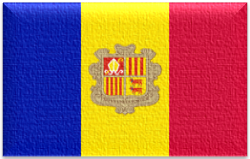
- Capital: Andorra la Vella
- National Day: September 8, 1278
- Parishes: 7
- Religion: Roman Catholicism
- Motto: “United virtue is stronger”
- Language: Catalan
| 1 | Capital City | Andorra la Vella |
|---|---|---|
| 2 | Total Area | 468.00 km2 |
| 3 | Land Area | 468.00 km2 |
| 4 | Water Area | N/A |
| 5 | Population | 82,904 |
| 6 | Largest City | Andorra la Vella |
| 7 | Currency | Euros (EUR) |
| 8 | Density | 176.39 |
| 9 | Name | Principality of Andorra |
| 10 | Location | Europe |
| 11 | Region | Southern Europe |
| 12 | Bordering Countries | Spain |
| 13 | Phone Codes | 376 |
| 14 | Iso Code | AD / AND |
| 15 | National Dishes | Escudella |
| 16 | National Animals | N/A |
| 17 | NO Of National Park | N/A |
| 18 | National Park Area | N/A |
Andorra Profile Overview
Andorra is a small, landlocked country located in the eastern Pyrenees mountains, bordered by France and Spain in Southwestern Europe. Despite its small size, Andorra is notable for its unique governance, thriving tourism industry, and strategic position between two major European countries. The nation has preserved its distinct cultural heritage, rooted in Catalan traditions, medieval architecture, and mountainous landscapes.
Andorra has historically been a co-principality, governed jointly by the President of France and the Bishop of Urgell in Spain, which makes it one of the few remaining examples of a diarchy in modern times. Its economy is driven primarily by tourism, banking, and retail, with visitors attracted to ski resorts, natural scenery, and tax-free shopping.
Importance of Andorra
Although small in size, Andorra holds importance due to its economic model, tourism sector, and financial services. The country is a popular destination for winter sports enthusiasts and shoppers, contributing to the local economy and cross-border commerce. Its location between France and Spain also gives it geopolitical relevance in regional cooperation and cultural exchange.
Alliances and International Relations
Andorra is a member of the United Nations and maintains close diplomatic relations with France, Spain, and the European Union. While not an EU member, Andorra uses the euro as its official currency through agreements with the EU. The country participates in international efforts on tourism, environment, and finance regulation.
Independence and Political History
Andorra’s independence dates back to 1278, when the Pareage Agreement established joint rule by the French Count of Foix and the Spanish Bishop of Urgell. This unique co-principality arrangement continues to define Andorra’s political system. Modern democratic reforms in 1993 introduced a parliamentary constitution, combining tradition with contemporary governance.
Global Contribution
Andorra contributes globally through tourism, banking, and environmental preservation. The country is also known for sustainable mountain tourism, hosting international ski competitions and promoting alpine culture. Andorran traditions in architecture, festivals, and gastronomy enrich European cultural diversity.
Region and Sub-Region
Region: Europe
Sub-Region: Southwestern Europe / Pyrenees
This position highlights Andorra as a bridge between Mediterranean and Central European cultural and economic networks.
Religion, Ethnicity, and Society
Religion: Predominantly Roman Catholic
Ethnic Groups: Majority Catalan, with Spanish, French, and Portuguese minorities
The society emphasizes community, family values, and preservation of language and traditions.
Languages and Culture
Official Language: Catalan
Other Languages: Spanish, French, Portuguese widely spoken
Andorran culture centers on Catalan traditions, mountain festivals, folk music, and cuisine. Skiing, hiking, and local crafts are central to cultural identity and tourism.
Key Facts About Andorra
Capital: Andorra la Vella
Currency: Euro (EUR)
Government: Parliamentary co-principality
Area: 468 km²
Economy: Tourism, banking, retail
Conclusion
Andorra is a unique European microstate with a rich cultural heritage, thriving tourism, and a distinctive co-principality system. Its combination of natural beauty, economic prosperity, and historical continuity makes Andorra a notable country in Europe, despite its small size.
Frequently Asked Questions (FAQs)
Q1: Where is Andorra located?
Andorra is located in the eastern Pyrenees mountains between France and Spain.
Q2: What language is spoken in Andorra?
Catalan is the official language; Spanish, French, and Portuguese are also common.
Q3: When did Andorra become independent?
Andorra’s co-principality independence dates back to 1278.
Q4: What is Andorra known for?
Andorra is known for tourism, skiing, mountain landscapes, and tax-free shopping.
Q5: What is the religion in Andorra?
The majority of Andorrans are Roman Catholic.
Sources :