The Global Network: Understanding World Overseas Territories and Dependencies
World Overseas Territories and Dependencies
Largest Territories and Dependencies Top 5 Ranking
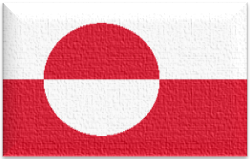
Greenland
Area: 2,166,086 km²
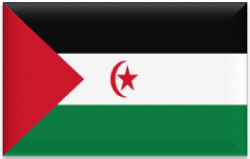
Western Sahara
Area: 266,000 km²
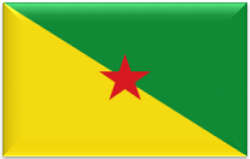
French Guiana
Area: 83,534 km²
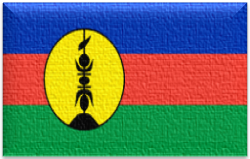
New Caledonia
Area: 18,576 km²
| S.No | Dependency/Territory | Capital | Claimed By |
|---|---|---|---|
| 1 | American Samoa | Pago Pago | USA |
| 2 | Anguilla | The Valley | UK |
| 3 | Aruba | Oranjestad | Netherlands |
| 4 | Ashmore & Cartier Islands | N/A | Australia |
| 5 | Baker Island | N/A | USA |
| 6 | Bermuda | Hamilton | UK |
| 7 | Bouvet Island | N/A | Norway |
| 8 | British Indian Ocean Territory | Diego Garcia | UK |
| 9 | British Virgin Islands | Road Town | UK |
| 10 | Cayman Islands | George Town | UK |
| 11 | Christmas Island | Flying Fish Cove | Australia |
| 12 | Cocos (Keeling) Islands | West Island | Australia |
| 13 | Cook Islands | Avarua | New Zealand |
| 14 | Coral Sea Islands | N/A | Australia |
| 15 | Faroe Islands | Tórshavn | Denmark |
| 16 | Falkland Islands | Stanley | UK |
| 17 | French Guiana | Cayenne | France |
| 18 | French Polynesia | Papeete | France |
| 19 | Gibraltar | Gibraltar | UK |
| 20 | Greenland | Nuuk | Denmark |
| 21 | Guadeloupe | Basse-Terre | France |
| 22 | Guam | Hagåtña | USA |
| 23 | Guernsey | St. Peter Port | UK |
| 24 | Heard & McDonald Islands | N/A | Australia |
| 25 | Hong Kong | Hong Kong | China |
| 26 | Isle of Man | Douglas | UK |
| 27 | Jan Mayen | N/A | Norway |
| 28 | Jarvis Island | N/A | USA |
| 29 | Jersey | St. Helier | UK |
| 30 | Johnston Atoll | N/A | USA |
| 31 | Kingman Reef | N/A | USA |
| 32 | Macao | Macao | China |
| 33 | Martinique | Fort-de-France | France |
| 34 | Mayotte | Mamoudzou | France |
| 35 | Midway Atoll | N/A | USA |
| 36 | Montserrat | Plymouth / Brades | UK |
| 37 | Navassa Island | N/A | USA |
| 38 | Netherlands Antilles (diss.) | Willemstad (former) | Netherlands |
| 39 | New Caledonia | Nouméa | France |
| 40 | Niue | Alofi | New Zealand |
| 41 | Norfolk Island | Kingston | Australia |
| 42 | Northern Mariana Islands | Saipan | USA |
| 43 | Palmyra Atoll | N/A | USA |
| 44 | Paracel Islands | Woody Island | Disputed |
| 45 | Puerto Rico | San Juan | USA |
| 46 | Peter I Island | N/A | Norway |
| 47 | Pitcairn Islands | Adamstown | UK |
| 48 | Réunion | Saint-Denis | France |
| 49 | Saint Helena | Jamestown | UK |
| 50 | Saint Pierre & Miquelon | Saint-Pierre | France |
| 51 | South Georgia & S. Sandwich | King Edward Point | UK |
| 52 | Spratly Islands | N/A | Disputed |
| 53 | Svalbard | Longyearbyen | Norway |
| 54 | Tokelau | N/A | New Zealand |
| 55 | Turks & Caicos Islands | Cockburn Town | UK |
| 56 | U.S. Virgin Islands | Charlotte Amalie | USA |
| 57 | Wake Island | N/A | USA |
| 58 | Wallis & Futuna | Mata-Utu | France |
| Sources : | Worldatlas | Visualcapitalist | Wikipedia |
Top 5 Smallest Dependencies & Territories (By Land Area)
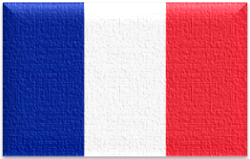
Clipperton Island
Area : 6 km²
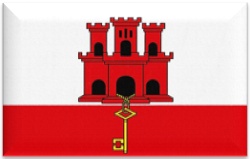
Gibraltar
Area : 6.8 km²
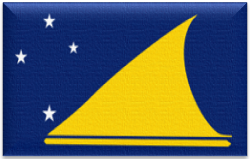
Tokelau
Area : 12 km²
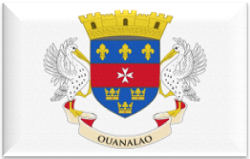
Saint Barthélemy
Area : 21 km²
Pitcairn Islands
Area : 47 km²
Beyond Sovereign Borders
While the world map is primarily divided into independent nations, there exists a fascinating and complex network of regions that are not fully sovereign. These are the Overseas Territories and Dependencies. Ranging from tropical financial hubs in the Caribbean to isolated scientific outposts in the Antarctic, these territories are the modern remnants of historical empires, strategic military pivots, and unique cultural crossroads.
The History: From Colonial Outposts to Modern Partnerships
The existence of these territories is deeply rooted in the “Age of Discovery” and the subsequent eras of global expansion.
The Age of Sail and Steam Historically, many of these islands and coastal regions were claimed as “coaling stations” or strategic ports to support global trade and naval dominance. As the British, French, Spanish, and Dutch empires expanded, they established administrative control over these distant lands.
Standardization and the United Nations (1945–Present) Following World War II, the global push for decolonization changed the nature of these holdings. The United Nations established a framework for “Non-Self-Governing Territories.” Instead of being “colonies,” many regions evolved into Partnerships. They gained local parliaments and internal self-rule while maintaining a constitutional link to their parent nation for defense, economic stability, and international representation.
How Territorial Status is Measured and Classified
Not all territories are governed the same way. Their status is generally measured by the degree of integration with the “mother country.”
Integral Parts (The French Model): Regions like French Guiana or Réunion are considered “Overseas Departments.” Legally, they are as much a part of France as Paris is. They use the Euro and vote in national elections.
Autonomous Territories (The British Model): British Overseas Territories (like Bermuda or the Cayman Islands) are not part of the United Kingdom. They have their own laws and tax systems but share the British Monarch and rely on the UK for security.
Unincorporated Territories (The US Model): Places like Guam or Puerto Rico are under the jurisdiction of the United States but are not “states.” Their residents are US citizens, yet they have different tax rules and limited voting rights in presidential elections.
Global Distribution of Major Territories
The legacy of history has left several nations with a truly global geographic footprint.
The United Kingdom (14 Territories)
The UK maintains the most diverse range of territories, including the Falkland Islands in the South Atlantic, Gibraltar at the entrance of the Mediterranean, and Bermuda. Most are high-income jurisdictions with a focus on tourism or offshore finance.
France (12 Territories)
France has a presence in every ocean. French Polynesia and New Caledonia are major hubs in the Pacific, while Mayotte and Réunion represent French interests in the Indian Ocean.
The United States (13 Territories)
The US territories are primarily focused in the Pacific and the Caribbean. Puerto Rico is by far the most populous, while Guam and Wake Island serve as critical strategic military locations.
Frequently Asked Questions (FAQs)
Are people born in these territories citizens of the mother country? In most cases, yes. Citizens of French, British, and US territories generally hold citizenship of the parent nation, though the specific rights (like voting in national elections) vary depending on the territory’s legal status.
Why don’t these territories become independent countries? Many territories have held referendums and chosen to stay linked to a larger nation. The benefits often include military protection, financial aid, disaster relief, and the ability to travel and work in a much larger economy.
Which is the largest overseas territory? By land area, Greenland (an autonomous territory of Denmark) is the largest. By population, Puerto Rico (USA) holds the top spot with over 3 million residents.
What is the difference between a territory and a colony? While the history is linked, the modern “territory” usually implies a degree of consent and self-governance. Unlike colonies of the past, modern territories have their own constitutions and the legal right to seek independence through democratic processes if they choose.
Useful Links – Recommended