
Botswana
Botswana Country Profile Overview and Facts
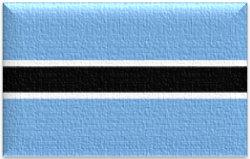
- Capital: Gaborone
- Independence Day: September 30, 1966
- Districts: 10 (plus 6 town councils)
- Religion: Christianity (predominantly)
- Motto: “Rain” (Pula)
- Language: English (Official), Setswana (National)
Botswana Profile Overview
Botswana is a landlocked country located in Southern Africa, bordered by South Africa, Namibia, Zimbabwe, and Zambia. Known for its political stability, sound governance, and vast natural landscapes, Botswana is one of Africa’s most successful development stories. The capital city, Gaborone, serves as the administrative, economic, and political center of the nation.
Since independence, Botswana has transformed from one of the poorest countries in the world into an upper-middle-income economy, driven largely by diamond mining, tourism, and prudent economic management. The country is internationally respected for its strong democratic institutions and commitment to the rule of law.
Importance of Botswana
Botswana holds significant importance in Africa due to its stable democracy, transparent governance, and sustainable economic policies. It is a global leader in wildlife conservation and responsible natural resource management, particularly in the diamond industry. Botswana also plays a key role in regional peace and economic cooperation.
Alliances and International Relations
Botswana is a member of the United Nations (UN), African Union (AU), Southern African Development Community (SADC), Commonwealth of Nations, World Trade Organization (WTO), and International Monetary Fund (IMF). The country maintains strong diplomatic relations with global partners and is known for its constructive role in African diplomacy.
Independence and Political History
Botswana gained independence from the United Kingdom on September 30, 1966. Since then, it has maintained a multi-party democratic system with regular elections and peaceful transfers of power. Political stability has been a cornerstone of Botswana’s long-term development and international credibility.
Global Contribution
Botswana contributes globally through ethical diamond production, wildlife conservation, peacekeeping support, and regional development initiatives. The country is home to world-renowned natural sites such as the Okavango Delta, a UNESCO World Heritage Site and one of the largest inland deltas in the world.
Region and Sub-Region
Region: Africa
Sub-Region: Southern Africa
Botswana’s location places it at the heart of Southern Africa, supporting cross-border trade and environmental cooperation.
Religion, Ethnicity, and Society
Religion: Christianity and traditional beliefs
Ethnicity: Tswana majority with minority ethnic groups
Botswana’s society is characterized by social cohesion, respect for tradition, and strong community values, contributing to national unity and political stability.
Languages and Culture
Official Language: English
National Language: Setswana
Botswana’s culture reflects Tswana traditions, expressed through music, dance, storytelling, and ceremonies. Cultural heritage coexists with modern governance and education systems.
Key Facts About Botswana
Capital: Gaborone
Currency: Botswana Pula (BWP)
Government: Parliamentary republic
Geography: Deserts, savannas, wetlands
Economy: Diamonds, tourism, services
Conclusion
Botswana stands out as a model of good governance, economic resilience, and environmental stewardship in Africa. Its political stability, responsible resource management, and commitment to democracy make Botswana an influential and respected nation on the global stage.
Frequently Asked Questions (FAQs)
Q1: Where is Botswana located?
Botswana is located in Southern Africa and is landlocked.
Q2: When did Botswana gain independence?
Botswana gained independence on September 30, 1966.
Q3: What is Botswana known for globally?
Botswana is known for diamond mining, wildlife conservation, and political stability.
Q4: What languages are spoken in Botswana?
English is the official language, while Setswana is the national language.
Q5: What is the main religion in Botswana?
Christianity is widely practiced, alongside traditional beliefs.
Sources :