
Benin
Benin Country Profile Overview and Facts
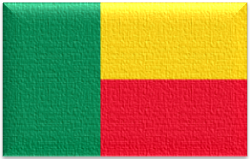
- Capital: Porto-Novo (Official); Cotonou (Seat of Government)
- Independence Day: August 1, 1960
- Departments: 12
- Religion: Christianity, Islam, and Vodun
- Motto: “Fraternity, Justice, Labor” (Fraternité, Justice, Travail)
- Language: French
Benin Profile Overview
Benin is a West African country located along the Gulf of Guinea, bordered by Togo to the west, Nigeria to the east, Burkina Faso and Niger to the north. Known for its deep historical roots and cultural influence, Benin is widely recognized as the birthplace of the ancient Kingdom of Dahomey and the spiritual home of Vodun (Voodoo) traditions.
The country has evolved into a stable democratic republic in West Africa, with Porto-Novo as the official capital and Cotonou as the economic and political center. Benin’s economy is primarily driven by agriculture, trade, port services, and regional commerce, supported by its strategic coastal location.
Importance of Benin
Benin holds regional importance as a gateway for trade to landlocked West African nations and as a center of historical and cultural heritage. The Port of Cotonou plays a crucial role in regional logistics, while Benin’s democratic progress contributes to political stability in West Africa.
Alliances and International Relations
Benin is an active member of the United Nations (UN), African Union (AU), Economic Community of West African States (ECOWAS), West African Economic and Monetary Union (WAEMU), World Trade Organization (WTO), and Non-Aligned Movement. The country maintains cooperative diplomatic relations across Africa, Europe, Asia, and the Americas.
Independence and Political History
Benin gained independence from France on August 1, 1960. Formerly known as Dahomey, the country adopted the name Benin in 1975. After years of political change, Benin transitioned to a multi-party democratic system in the early 1990s, becoming a model for peaceful democratic reform in Africa.
Global Contribution
Benin contributes globally through peacekeeping missions, cultural heritage preservation, agricultural exports, and regional trade integration. The country also plays a role in international efforts related to climate adaptation, sustainable agriculture, and cultural restitution.
Region and Sub-Region
Region: Africa
Sub-Region: West Africa
Benin’s geographic position connects coastal trade routes with inland West African markets.
Religion, Ethnicity, and Society
Religion: Christianity, Islam, and traditional religions
Ethnicity: Fon, Yoruba, Bariba, Fulani, and other ethnic groups
Beninese society is known for religious tolerance, ethnic diversity, and strong community traditions, with peaceful coexistence among different belief systems.
Languages and Culture
Official Language: French
Other Languages: Fon, Yoruba, Bariba, Fulfulde, and local languages
Benin’s culture is deeply rooted in traditional music, dance, art, oral storytelling, and spiritual practices. Festivals, royal heritage sites, and historic slave-route landmarks highlight the country’s cultural depth.
Key Facts About Benin
Capital: Porto-Novo
Largest City: Cotonou
Currency: West African CFA Franc (XOF)
Government: Presidential republic
Economy: Agriculture, trade, services
Conclusion
Benin is a culturally influential and politically significant West African nation with a strong democratic foundation. Its historical legacy, strategic trade position, and commitment to regional cooperation make Benin an important contributor to Africa’s cultural and economic landscape.
Frequently Asked Questions (FAQs)
Q1: Where is Benin located?
Benin is located in West Africa along the Gulf of Guinea, between Togo and Nigeria.
Q2: When did Benin gain independence?
Benin gained independence on August 1, 1960.
Q3: What is Benin known for globally?
Benin is known for its role in African history, Vodun culture, and regional trade.
Q4: What languages are spoken in Benin?
French is the official language, with many local languages widely spoken.
Q5: What is the main religion in Benin?
Christianity and Islam are widely practiced, alongside traditional religions.
Sources :