
Costa Rica
Costa Rica Country Profile Overview and Facts
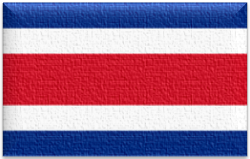
- Capital: San José
- Independence Day: September 15, 1821
- Provinces: 7 (Alajuela, Cartago, Guanacaste, Heredia, Limón, Puntarenas, and San José)
- Religion: Christianity (predominantly Roman Catholic)
- Motto: “Long live work and peace” (¡Vivan siempre el trabajo y la paz!)
- Language: Spanish
Costa Rica Profile Overview
Costa Rica, officially the Republic of Costa Rica, is a country located in Central America, bordered by Nicaragua to the north, Panama to the southeast, the Pacific Ocean to the west, and the Caribbean Sea to the east. The capital and largest city is San José, which serves as the political, economic, and cultural center of the nation.
Costa Rica is internationally recognized for its political stability, environmental leadership, and high human development indicators. Despite its small size, the country hosts remarkable biodiversity, including rainforests, cloud forests, volcanoes, and coastlines on two oceans. The economy is diversified, driven by tourism, agriculture, technology, medical devices, and services.
Importance of Costa Rica
Costa Rica is important for its long-standing democracy, commitment to peace, and global leadership in environmental conservation. It is a pioneer in renewable energy, eco-tourism, and biodiversity protection, making it a model for sustainable development in Latin America and beyond.
Alliances and International Relations
Costa Rica is a member of the United Nations (UN), Organization of American States (OAS), Central American Integration System (SICA), World Trade Organization (WTO), International Monetary Fund (IMF), and World Bank. The country maintains strong diplomatic and trade relations with North America, Europe, and Asia.
Independence and Political History
Costa Rica gained independence from Spain on September 15, 1821, as part of Central America. The country is known for abolishing its standing army in 1948, reinforcing its commitment to democracy, peace, and civil governance. Costa Rica operates as a presidential republic with a strong constitutional framework.
Global Contribution
Costa Rica contributes globally through environmental diplomacy, climate action initiatives, biodiversity research, and sustainable tourism models. The country is often cited as a leader in renewable energy generation, producing the majority of its electricity from clean sources.
Region and Sub-Region
Region: Americas
Sub-Region: Central America
Costa Rica’s geographic position connects North and South America while offering access to both the Pacific and Caribbean maritime routes.
Religion, Ethnicity, and Society
Religion: Christianity (predominantly Roman Catholic), Protestantism, and other faiths
Ethnicity: Mestizo, European descent, Afro-Costa Rican, and Indigenous peoples
Costa Rican society is known for social cohesion, education, public health, and strong democratic values.
Languages and Culture
Official Language: Spanish
Other Languages: English and Indigenous languages in certain regions
Costa Rica’s culture emphasizes peace, environmental awareness, family values, and community life, often summarized by the national expression “Pura Vida.”
Key Facts About Costa Rica
Capital: San José
Currency: Costa Rican Colón (CRC)
Government: Presidential republic
Geography: Mountains, volcanoes, rainforests, coastlines
Economy: Tourism, agriculture, technology, services
Conclusion
Costa Rica is a globally admired nation known for its democratic stability, environmental stewardship, and peaceful governance. Its leadership in sustainability, biodiversity protection, and human development makes Costa Rica a key contributor to global environmental and social progress.
Frequently Asked Questions (FAQs)
Q1: Where is Costa Rica located?
Costa Rica is located in Central America between Nicaragua and Panama.
Q2: When did Costa Rica gain independence?
Costa Rica gained independence from Spain on September 15, 1821.
Q3: What is Costa Rica famous for?
Costa Rica is famous for eco-tourism, biodiversity, and renewable energy.
Q4: Does Costa Rica have an army?
No, Costa Rica abolished its standing army in 1948.
Q5: What language is spoken in Costa Rica?
Spanish is the official language.
Sources :