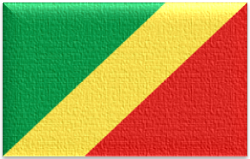
Republic of the Congo
Republic of the Congo Country Profile Overview and Facts
- Capital: Brazzaville
- Independence Day: August 15, 1960
- Departments: 12
- Religion: Christianity
- Motto: “Unity, Work, Progress” (Unité, Travail, Progrès)
- Languages: French (Official), Lingala and Kituba (National)
Republic of the Congo Profile Overview
The Republic of the Congo, also known as Congo-Brazzaville, is a country located in Central Africa, bordered by Gabon to the west, Cameroon to the northwest, the Central African Republic to the north, the Democratic Republic of the Congo to the east and south, and a short coastline along the Atlantic Ocean. The capital and largest city is Brazzaville, situated on the Congo River opposite Kinshasa.
The Republic of the Congo is characterized by dense rainforests, river systems, coastal plains, and rich natural resources. The country’s economy is heavily supported by oil production, along with forestry, agriculture, and trade. Its geography and river networks play a vital role in regional transport and economic activity.
Importance of the Republic of the Congo
The Republic of the Congo is important due to its oil reserves, strategic Atlantic access, and central position in the Congo Basin. It contributes to regional energy supply, environmental conservation, and Central African trade routes. The country also holds ecological importance as part of one of the world’s largest tropical rainforest regions.
Alliances and International Relations
The Republic of the Congo is a member of the United Nations (UN), African Union (AU), Economic Community of Central African States (ECCAS), Central African Economic and Monetary Community (CEMAC), World Trade Organization (WTO), International Monetary Fund (IMF), and World Bank. It maintains diplomatic relations with African nations, Europe, Asia, and global energy partners.
Independence and Political History
The Republic of the Congo gained independence from France on August 15, 1960. Since independence, the country has experienced periods of political transition. It currently operates as a presidential republic, with governance focused on economic management, infrastructure development, and regional cooperation.
Global Contribution
The Republic of the Congo contributes globally through oil exports, timber resources, river transport, and environmental protection initiatives. The country participates in climate change and forest conservation programs, particularly those aimed at preserving the Congo Basin rainforest.
Region and Sub-Region
Region: Africa
Sub-Region: Central Africa
Its position along the Congo River and Atlantic coast enhances its importance in trade, logistics, and regional integration.
Religion, Ethnicity, and Society
Religion: Christianity (predominantly Roman Catholic and Protestant), traditional beliefs
Ethnicity: Kongo, Teke, Mbochi, and other ethnic groups
Congolese society reflects ethnic diversity, strong community ties, and a blend of modern and traditional social structures.
Languages and Culture
Official Language: French
National Languages: Lingala and Kituba (Kikongo ya Leta)
The Republic of the Congo has a rich cultural heritage expressed through music, dance, storytelling, visual arts, and festivals, with strong influence from river and forest communities.
Key Facts About the Republic of the Congo
Capital: Brazzaville
Currency: Central African CFA Franc (XAF)
Government: Presidential republic
Geography: Rainforests, rivers, coastal plains
Economy: Oil, forestry, agriculture, services
Conclusion
The Republic of the Congo is a resource-rich Central African nation with strategic geographic and environmental importance. Its oil economy, Congo Basin forests, and regional connectivity position it as a key contributor to Central African development and global environmental sustainability.
Frequently Asked Questions (FAQs)
Q1: Where is the Republic of the Congo located?
It is located in Central Africa with a short Atlantic coastline.
Q2: When did the Republic of the Congo gain independence?
The country gained independence on August 15, 1960.
Q3: What is the Republic of the Congo known for?
It is known for oil production, rainforests, and the Congo River.
Q4: What languages are spoken in the Republic of the Congo?
French is the official language, while Lingala and Kituba are widely spoken.
Q5: Is the Republic of the Congo the same as the Democratic Republic of the Congo?
No, they are two separate countries with different governments and capitals.
Sources :