Central African Republic
Central African Republic Country Profile Overview and Facts
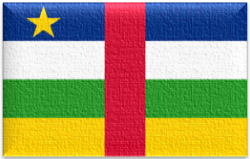
- Capital: Bangui
- Independence Day: August 13, 1960
- Prefectures: 20 (including the capital city of Bangui as an autonomous commune)
- Religion: Christianity (predominantly), Islam, and Indigenous beliefs
- Motto: “Unity, Dignity, Work” (Unité, Dignité, Travail)
- Languages: French and Sango (Official)
Central African Republic Profile Overview
The Central African Republic (CAR) is a landlocked country in Central Africa, bordered by Chad to the north, Sudan to the northeast, South Sudan to the east, the Democratic Republic of the Congo to the south, the Republic of the Congo to the southwest, and Cameroon to the west. The capital and largest city is Bangui, located along the Ubangi River.
The country is characterized by vast savannas, tropical forests, and rich natural resources, including diamonds, gold, uranium, and timber. Despite its resource potential, the Central African Republic remains largely dependent on agriculture and subsistence farming, with ongoing efforts toward economic stabilization and development.
Importance of the Central African Republic
The Central African Republic is important due to its strategic geographic position at the heart of Africa and its abundance of natural resources. It plays a key role in regional ecology, hosting large forest ecosystems that contribute to environmental balance in Central Africa.
Alliances and International Relations
The Central African Republic is a member of the United Nations (UN), African Union (AU), Economic Community of Central African States (ECCAS), International Monetary Fund (IMF), World Bank, and Organization of Islamic Cooperation (OIC). The country works with international partners on peacebuilding, humanitarian assistance, and development programs.
Independence and Political History
The Central African Republic gained independence from France on August 13, 1960. Since independence, the country has experienced multiple political transitions. Efforts continue to strengthen governance, national unity, and institutional stability with international support.
Global Contribution
The Central African Republic contributes globally through diamond and gold production, timber exports, and biodiversity conservation. The country also participates in international peace processes and environmental initiatives, particularly in rainforest preservation.
Region and Sub-Region
Region: Africa
Sub-Region: Central Africa
Its central location connects East, West, and Southern Africa, enhancing its long-term strategic relevance.
Religion, Ethnicity, and Society
Religion: Christianity, Islam, traditional beliefs
Ethnicity: Baya, Banda, Mandjia, Sara, Mboum, and other groups
Society in the Central African Republic is shaped by communal traditions, ethnic diversity, and religious coexistence, particularly in rural communities.
Languages and Culture
Official Languages: French and Sango
Other Languages: Numerous indigenous languages
Cultural life includes oral storytelling, music, dance, wood carving, and traditional ceremonies, reflecting the country’s ethnic diversity and heritage.
Key Facts About the Central African Republic
Capital: Bangui
Currency: Central African CFA Franc (XAF)
Government: Republic
Geography: Savannas, rainforests, river systems
Economy: Agriculture, mining, forestry
Conclusion
The Central African Republic is a resource-rich nation with deep cultural traditions and ecological importance. Despite challenges, its central location, natural wealth, and cultural resilience position it as a key country in Central Africa’s long-term development and stability.
Frequently Asked Questions (FAQs)
Q1: Where is the Central African Republic located?
It is located in Central Africa and is landlocked.
Q2: When did the Central African Republic gain independence?
The country gained independence on August 13, 1960.
Q3: What is the Central African Republic known for?
It is known for diamonds, gold, forests, and biodiversity.
Q4: What languages are spoken in the Central African Republic?
French and Sango are official languages, alongside local languages.
Q5: What is the main religion in the Central African Republic?
Christianity is the dominant religion, with Islam and traditional beliefs also practiced.
Sources :