
Cape Verde
Cape Verde Country Profile Overview and Facts
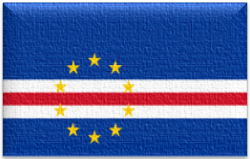
- Capital: Praia
- Independence Day: July 5, 1975
- Municipalities: 22 (Concelhos)
- Religion: Christianity (predominantly Roman Catholic)
- Motto: “Unity, Discipline, Progress” (Unidade, Trabalho, Progresso)
- Language: Portuguese (Official), Cape Verdean Creole (National)
Cape Verde Profile Overview
Cape Verde, officially known as the Republic of Cabo Verde, is an island nation in the central Atlantic Ocean, located off the west coast of Africa. The country consists of ten volcanic islands divided into the Barlavento (Windward) and Sotavento (Leeward) groups. The capital city is Praia, situated on the island of Santiago.
Cape Verde is known for its stable democracy, strong diaspora connections, and vibrant cultural identity. Despite limited natural resources, the country has developed a service-oriented economy centered on tourism, trade, maritime services, and remittances, supported by good governance and regional cooperation.
Importance of Cape Verde
Cape Verde holds strategic importance due to its Atlantic location between Africa, Europe, and the Americas. It serves as a key point for maritime routes, air connectivity, and international cooperation. The country is also recognized as a model of political stability and democratic governance in Africa.
Alliances and International Relations
Cape Verde is a member of the United Nations (UN), African Union (AU), Economic Community of West African States (ECOWAS), Community of Portuguese Language Countries (CPLP), World Trade Organization (WTO), and International Monetary Fund (IMF). It maintains strong relations with Europe, the United States, and Lusophone countries.
Independence and Political History
Cape Verde gained independence from Portugal on July 5, 1975. Since independence, the country has maintained a multi-party democratic system, peaceful political transitions, and a strong commitment to rule of law and institutional development.
Global Contribution
Cape Verde contributes globally through diaspora engagement, maritime cooperation, climate resilience initiatives, and cultural diplomacy. The country is internationally recognized for its music, literature, and sustainable development efforts, particularly in small island state advocacy.
Region and Sub-Region
Region: Africa
Sub-Region: West Africa (Atlantic Islands)
Cape Verde bridges African, European, and Atlantic cultures through trade, migration, and shared history.
Religion, Ethnicity, and Society
Religion: Christianity (predominantly Roman Catholic), other Christian denominations
Ethnicity: Predominantly mixed African and European heritage
Cape Verdean society is shaped by creole identity, social cohesion, and strong family and community ties, both domestically and across the global diaspora.
Languages and Culture
Official Language: Portuguese
National Language: Cape Verdean Creole (Kriolu)
Cape Verde is renowned for its music genres such as morna, coladeira, and funaná, as well as traditional dance, poetry, and culinary traditions that reflect its island heritage.
Key Facts About Cape Verde
Capital: Praia
Currency: Cape Verdean Escudo (CVE)
Government: Unitary semi-presidential republic
Geography: Volcanic islands, arid climate, Atlantic coastline
Economy: Tourism, services, remittances, trade
Conclusion
Cape Verde is a peaceful and resilient island nation with a strong democratic tradition and rich cultural heritage. Its strategic Atlantic position, stable governance, and global cultural influence make Cape Verde an important contributor to regional cooperation and international dialogue.
Frequently Asked Questions (FAQs)
Q1: Where is Cape Verde located?
Cape Verde is located in the Atlantic Ocean off the west coast of Africa.
Q2: When did Cape Verde gain independence?
Cape Verde gained independence from Portugal on July 5, 1975.
Q3: What is Cape Verde known for?
Cape Verde is known for its political stability, island tourism, and music culture.
Q4: What languages are spoken in Cape Verde?
Portuguese is the official language, and Cape Verdean Creole is widely spoken.
Q5: Is Cape Verde part of Africa?
Yes, Cape Verde is an African country located in West Africa.
Sources :