Albania
Albania Country Overview and Facts
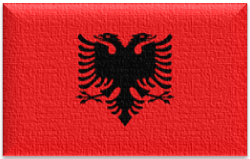
- Capital: Tirana
- Independence Day: November 28, 1912
- Provinces/Counties: 12
- Religion: Secular (Islam & Christianity)
- Motto: “You, Albania, give me honor”
- Language: Albanian
| 1 | Capital City | Tirana (Tirane) |
|---|---|---|
| 2 | Total Area | 28,748.00 (km²) |
| 3 | Land Area | 27,398.00 (km²) |
| 4 | Water Area | 1,350.00 (km²) |
| 5 | Population | 2,771,510 |
| 6 | Largest City | Tiranë (Tirana) (520,059) |
| 7 | Currency | Leke (ALL) |
| 8 | Density | 101.15 (km²) |
| 9 | Name | Republic of Albania (Albania ) |
| 10 | Location | Europe |
| 11 | Region | Southern Europe |
| 12 | Bordering Countries | Macedonia, Greece, Montenegro |
| 13 | Phone Codes | 355 |
| 14 | Iso Code | AL / ALB |
| 15 | National Dishes | Tave Kosi |
| 16 | National Animals | Golden Eagle |
| 17 | NO Of National Park | 14 |
| 18 | National Park Area | 2107 (km²) |
Albania Profile Overview
Albania is a sovereign country – Albania Profile Overview – located in Southeastern Europe, on the western part of the Balkan Peninsula. It is bordered by Montenegro, Kosovo, North Macedonia, and Greece, with coastlines along the Adriatic Sea and Ionian Sea, giving it strategic maritime access to the Mediterranean region. Albania combines rugged mountains, fertile plains, and an extensive coastline, shaping its settlement patterns, economy, and cultural development.
With a history influenced by Illyrian tribes, Roman rule, Byzantine heritage, and Ottoman administration, Albania has developed a distinct national identity rooted in language, resilience, and cultural continuity. The Albanian people preserved their linguistic and cultural uniqueness despite centuries of foreign rule. Today, Albania is a developing European nation focused on democratic reforms, economic growth, tourism expansion, and regional integration.
Importance of Albania
Albania holds growing importance due to its geographic position in the Balkans, serving as a bridge between Western Europe and Southeast Europe. Its access to key maritime routes enhances regional trade and tourism. Albania is also important for regional stability, energy transit projects, and cross-border cooperation in the Western Balkans.
Alliances and International Relations
Albania is an active member of international organizations, including NATO, the United Nations, the Organization for Security and Cooperation in Europe (OSCE), and the Council of Europe. The country is a candidate for European Union membership, aligning its policies with EU standards in governance, security, and economic development. Albania maintains close diplomatic ties with neighboring Balkan states and strategic partners in Europe and North America.
Independence and Political History
Albania declared independence from the Ottoman Empire on November 28, 1912. Independence Day is a major national celebration symbolizing sovereignty and national unity. Following periods of monarchy, occupation, and communist rule, Albania transitioned to a parliamentary republic in the early 1990s and continues to strengthen democratic institutions.
Global Contribution
Albania contributes globally through peacekeeping missions, cultural heritage preservation, and diaspora engagement. Albanian communities abroad support international trade, education, and cultural exchange. The country is also recognized for its growing tourism sector, showcasing natural landscapes and historical sites.
Region and Sub-Region
Region: Europe
Sub-Region: Southern Europe / Western Balkans
This regional placement positions Albania within key European political and economic frameworks.
Religion, Ethnicity, and Society
Religion: Islam, Christianity (Catholic and Orthodox), with strong religious coexistence
Ethnicity: Predominantly Albanian, with Greek, Macedonian, Roma, and other minorities
Religious tolerance is a defining feature of Albanian society and a core national value.
Languages and Culture
Official Language: Albanian
Language Family: Indo-European (unique branch)
Albanian culture reflects traditions of hospitality, folklore, music, and craftsmanship. Cultural expressions include traditional dress, epic poetry, and regional cuisine influenced by Mediterranean and Balkan flavors.
Key Facts About Albania
Capital: Tirana
Currency: Albanian Lek (ALL)
Coastline: Adriatic and Ionian Seas
Government: Parliamentary republic
Economy: Tourism, agriculture, energy, services
Conclusion
Albania is a country with deep historical roots, a strong national identity, and increasing regional influence. Its strategic location, cultural diversity, and commitment to European integration position Albania as a key player in the Western Balkans. As development continues, Albania’s role in tourism, security, and regional cooperation is expected to grow.
Frequently Asked Questions (FAQs)
Q1: Where is Albania located?
Albania is located in Southeastern Europe on the Balkan Peninsula.
Q2: When did Albania gain independence?
Albania became independent in 1912.
Q3: What language is spoken in Albania?
Albanian is the official language.
Q4: Is Albania part of NATO?
Yes, Albania is a NATO member.
Q5: What makes Albania culturally unique?
Its ancient language, strong traditions, and religious coexistence.
Sources :