Bolivia
Bolivia Country Profile Overview and Facts
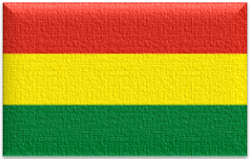
- Capital: Sucre (Constitutional); La Paz (Seat of Government)
- Independence Day: August 6, 1825
- Departments: 9
- Religion: Secular (predominantly Christianity – Roman Catholic)
- Motto: “Unity is Strength” (La Unión es la Fuerza)
- Languages: Spanish, Quechua, Aymara, Guaraní (plus 33 other indigenous languages)
Bolivia Profile Overview
Bolivia, officially known as the Plurinational State of Bolivia, is a landlocked country located in central South America, bordered by Brazil, Peru, Chile, Argentina, and Paraguay. Bolivia is known for its extraordinary geographic diversity, ranging from the Andes Mountains and Altiplano highlands to Amazon rainforests and vast plains. The country has two capital cities: Sucre, the constitutional capital, and La Paz, the administrative and political center.
Bolivia possesses a deep indigenous heritage, with a large portion of its population belonging to native groups such as Quechua, Aymara, and Guaraní. Its economy relies on natural resources, agriculture, mining, and energy, while cultural traditions remain central to national identity.
Importance of Bolivia
Bolivia is important for its rich natural resources, including lithium, natural gas, and minerals, making it strategically significant in global energy and technology supply chains. The country also plays a key role in preserving Amazon biodiversity and representing indigenous voices in regional and international forums.
Alliances and International Relations
Bolivia is a member of the United Nations (UN), Organization of American States (OAS), Union of South American Nations (UNASUR), Community of Latin American and Caribbean States (CELAC), Andean Community, and World Trade Organization (WTO). It maintains diplomatic relations across Latin America, Europe, Asia, and Africa.
Independence and Political History
Bolivia gained independence from Spain on August 6, 1825. The country is named after Simón Bolívar, a leading figure in South American independence movements. Bolivia operates as a plurinational constitutional republic, recognizing multiple indigenous nations within its borders.
Global Contribution
Bolivia contributes globally through lithium production, indigenous rights advocacy, cultural heritage preservation, and environmental conservation efforts. Its salt flats, particularly Salar de Uyuni, play an important role in global lithium supply, essential for electric vehicle batteries and renewable energy technologies.
Region and Sub-Region
Region: Americas
Sub-Region: South America
Bolivia’s central location connects Andean, Amazonian, and Southern Cone regions.
Religion, Ethnicity, and Society
Religion: Christianity (mainly Roman Catholic), indigenous beliefs
Ethnicity: Indigenous peoples, Mestizo, European descent
Bolivian society reflects a strong multicultural and multiethnic identity, with indigenous traditions integrated into national governance and social life.
Languages and Culture
Official Languages: Spanish and multiple indigenous languages
Bolivia recognizes 36 official languages, including Quechua, Aymara, and Guaraní. Its culture is expressed through folk music, traditional dress, festivals, rituals, and artisan crafts, reflecting centuries of indigenous and colonial influence.
Key Facts About Bolivia
Capital: Sucre (constitutional), La Paz (administrative)
Currency: Bolivian Boliviano (BOB)
Government: Plurinational constitutional republic
Geography: Mountains, plateaus, rainforests, plains
Economy: Mining, energy, agriculture
Conclusion
Bolivia is a culturally rich and resource-endowed South American nation with a strong indigenous foundation and growing global relevance. Its strategic minerals, environmental assets, and multicultural governance model position Bolivia as an important contributor to regional development and global sustainability discussions.
Frequently Asked Questions (FAQs)
Q1: Where is Bolivia located?
Bolivia is located in central South America and is landlocked.
Q2: When did Bolivia gain independence?
Bolivia gained independence on August 6, 1825.
Q3: Why is Bolivia important globally?
Bolivia is important for lithium reserves, biodiversity, and indigenous advocacy.
Q4: How many official languages does Bolivia have?
Bolivia recognizes 36 official languages, including Spanish and indigenous languages.
Q5: What is Bolivia’s main religion?
Christianity is dominant, alongside indigenous spiritual practices.
Sources :