Kyrgyzstan
Kyrgyzstan Country Profile Overview and Facts
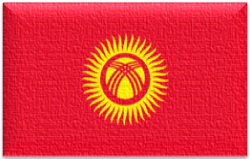
- Capital: Bishkek
- Independence Day: August 31, 1991 (from the Soviet Union)
- Regions: 7 Regions (Oblasts) and 2 Independent Cities (Bishkek and Osh)
- Religion: Islam (predominantly Sunni); Russian Orthodox is a significant minority
- Motto: None official (The national anthem emphasizes “The Land of the Kyrgyz”)
- Languages: Kyrgyz (State language) and Russian (Official language)
Kyrgyzstan Country Profile Overview
Kyrgyzstan, officially the Kyrgyz Republic, is a mountainous and landlocked country in Central Asia. It borders Kazakhstan, Uzbekistan, Tajikistan, and China, placing it at the heart of historic Silk Road trade routes. The capital city, Bishkek, is the political and economic center of the country.
Kyrgyzstan is widely known for its dramatic mountain landscapes, nomadic heritage, and alpine lakes, particularly Issyk-Kul, one of the largest high-altitude lakes in the world. The country’s identity is deeply rooted in Turkic traditions and steppe culture.
Importance of Kyrgyzstan
Kyrgyzstan holds strategic importance in Central Asia due to its geographical location, water resources, and regional transit corridors. It plays a role in regional cooperation on energy, security, and economic integration. The country’s mountainous terrain also supports hydropower generation, a key sector of its economy.
Alliances and International Relations
Kyrgyzstan is a member of the United Nations (UN), Shanghai Cooperation Organization (SCO), Commonwealth of Independent States (CIS), Eurasian Economic Union (EAEU), and World Trade Organization (WTO). It maintains diplomatic relations with neighboring Central Asian states, Russia, China, and global partners.
Independence and Political History
Kyrgyzstan declared independence from the Soviet Union on August 31, 1991. Since independence, the country has undergone constitutional reforms and political transitions, shaping its parliamentary and presidential governance systems.
Global Contribution
Kyrgyzstan contributes globally through regional diplomacy, cultural heritage preservation, and hydropower resources. Its epic poem, Manas, is one of the longest epic poems in the world and a key element of national identity.
Region and Sub-Region
Region: Asia
Sub-Region: Central Asia
More than 90% of Kyrgyzstan’s territory is covered by mountains, primarily the Tian Shan range, making it one of the most mountainous countries in the world.
Religion, Ethnicity, and Society
Religion: Islam (Sunni majority), with minority Christian communities
Ethnicity: Predominantly Kyrgyz, with Uzbek and Russian minorities
Kyrgyz society reflects a blend of nomadic traditions, clan structures, and modern urban development.
Languages and Culture
Official Language: Kyrgyz
Widely Used: Russian
Cultural life includes yurt traditions, horseback games, folk music, and seasonal festivals, preserving a strong connection to steppe heritage.
Key Facts About Kyrgyzstan
Capital: Bishkek
Currency: Kyrgyzstani Som (KGS)
Government: Presidential republic
Geography: Mountains, valleys, alpine lakes
Economy: Agriculture, mining, hydropower, remittances
Conclusion
Kyrgyzstan is a mountainous Central Asian nation rich in cultural heritage and natural beauty. Its strategic location, water resources, and evolving political landscape make it an important country within the Eurasian region.
Frequently Asked Questions (FAQs)
Q1: Where is Kyrgyzstan located?
Kyrgyzstan is located in Central Asia, bordering Kazakhstan, Uzbekistan, Tajikistan, and China.
Q2: When did Kyrgyzstan gain independence?
Kyrgyzstan became independent in 1991.
Q3: What is Kyrgyzstan famous for?
It is known for its mountains, Issyk-Kul Lake, and nomadic culture.
Q4: What languages are spoken in Kyrgyzstan?
Kyrgyz is the official language, and Russian is widely used.
Q5: Is Kyrgyzstan a mountainous country?
Yes, most of its territory is covered by mountains.
Sources :