Kiribati
Kiribati Country Profile Overview and Facts
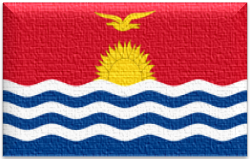
- Capital: South Tarawa
- Independence Day: July 12, 1979 (from the UK)
- Districts: 3 Island Groups (Gilbert Islands, Phoenix Islands, and Line Islands) comprising 33 atolls and islands.
- Religion: Christianity (Predominantly Roman Catholic and Kiribati Uniting Church)
- Motto: Te Mauri, Te Raoi ao Te Tabomoa (“Health, Peace, and Prosperity”)
- Languages: English and Gilbertese (I-Kiribati)
Kiribati Country Profile Overview
Kiribati, officially the Republic of Kiribati, is a small island nation located in the central Pacific Ocean in Oceania. It consists of 33 coral atolls and reef islands, spread across a vast ocean area near the Equator. The capital city is South Tarawa, which serves as the political, economic, and administrative center.
Kiribati is unique because it is one of the few countries located in all four hemispheres—Northern, Southern, Eastern, and Western. Its islands are widely dispersed, covering over 3.5 million square kilometers of ocean, making it geographically extensive despite its small land area.
Importance of Kiribati
Kiribati is globally important due to its strategic Pacific location, marine biodiversity, and its leadership in climate change awareness. The country is highly vulnerable to rising sea levels, making it a key voice in global environmental and climate discussions.
Alliances and International Relations
Kiribati is a member of the United Nations (UN), Pacific Islands Forum (PIF), Commonwealth of Nations, and World Bank. It maintains diplomatic relations with countries across Asia, Oceania, Europe, and the Americas, focusing on climate action, development, and ocean protection.
Independence and Political History
Kiribati gained independence from the United Kingdom on July 12, 1979. It operates as a sovereign democratic republic, with an elected president serving as both head of state and government.
Global Contribution
Kiribati contributes globally through marine conservation, sustainable fisheries management, and climate change advocacy. It protects one of the world’s largest marine reserves, helping preserve biodiversity and ocean ecosystems.
Region and Sub-Region
Region: Oceania
Sub-Region: Micronesia
Kiribati’s islands are divided into three main groups: Gilbert Islands, Phoenix Islands, and Line Islands.
Religion, Ethnicity, and Society
Religion: Christianity (majority), mainly Roman Catholic and Protestant
Ethnicity: Predominantly Micronesian
Kiribati society values community cooperation, traditional leadership, and cultural preservation.
Languages and Culture
Official Languages: English and Gilbertese (I-Kiribati)
Kiribati culture is strongly connected to the ocean, with traditions in navigation, fishing, music, dance, and storytelling.
Key Facts About Kiribati
Capital: South Tarawa
Currency: Australian Dollar (AUD)
Government: Presidential republic
Geography: Coral atolls and reef islands
Economy: Fishing, agriculture, remittances, aid
Conclusion
Kiribati is a unique Pacific island nation, known for its vast ocean territory, cultural heritage, and environmental leadership. Despite challenges such as climate change, Kiribati plays an important role in global environmental protection and Pacific regional cooperation.
Frequently Asked Questions (FAQs)
Q1: Where is Kiribati located?
Kiribati is located in the central Pacific Ocean in Oceania.
Q2: When did Kiribati gain independence?
Kiribati became independent in 1979.
Q3: What is Kiribati famous for?
Kiribati is known for its coral atolls and climate change advocacy.
Q4: What languages are spoken in Kiribati?
English and Gilbertese are the official languages.
Q5: What is the capital of Kiribati?
The capital city is South Tarawa.
Sources :