Jordan
Jordan Country Profile Overview and Facts
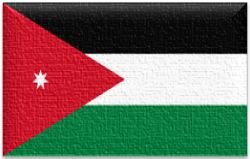
- Capital: Amman
- Independence Day: May 25, 1946 (from the UK)
- Governorates: 12 (Ajloun, Amman, Aqaba, Balqa, Irbid, Jerash, Karak, Ma’an, Madaba, Mafraq, Tafilah, and Zarqa)
- Religion: Islam (Official; predominantly Sunni); Christianity is a significant minority
- Motto: “Allah, Al-Watan, Al-Malik” (God, Homeland, King)
- Language: Arabic (Official); English is widely used in business and government
Jordan Country Profile Overview
Jordan, officially the Hashemite Kingdom of Jordan, is a strategically located country in the Middle East, at the crossroads of Asia, Africa, and Europe. It borders Saudi Arabia, Iraq, Syria, Israel, and Palestine, with access to the Red Sea through the Gulf of Aqaba. The capital city, Amman, is the political, economic, and cultural center of the country.
Jordan is internationally respected for its political stability, diplomatic role, and rich historical heritage. The land of ancient civilizations, Jordan hosts globally significant archaeological sites such as Petra, Jerash, and the Dead Sea, making it a key cultural and historical destination.
Importance of Jordan
Jordan holds regional and global importance due to its geopolitical stability, peacekeeping role, and strategic location in the Middle East. It acts as a bridge between neighboring regions and plays an active role in regional diplomacy, humanitarian efforts, and conflict mediation.
Alliances and International Relations
Jordan is a member of the United Nations (UN), Arab League, Organization of Islamic Cooperation (OIC), World Trade Organization (WTO), and maintains strong relations with the United States, European Union, and Gulf countries. It is also a signatory to peace agreements promoting regional cooperation.
Independence and Political History
Jordan gained independence from British mandate rule on May 25, 1946. It operates as a constitutional monarchy, led by the Hashemite royal family. The country has maintained continuity in governance and national unity through decades of regional change.
Global Contribution
Jordan contributes globally through peacekeeping missions, humanitarian assistance, education, and medical services. The country is recognized for hosting large refugee populations and supporting international cooperation on development and security initiatives.
Region and Sub-Region
Region: Asia
Sub-Region: Western Asia (Middle East)
Jordan’s geography includes deserts, highlands, fertile valleys, and the Dead Sea, the lowest point on Earth.
Religion, Ethnicity, and Society
Religion: Islam (Sunni majority), Christian minorities
Ethnicity: Predominantly Arab, with diverse minority communities
Jordanian society values hospitality, social cohesion, and cultural heritage, influenced by Bedouin traditions.
Languages and Culture
Official Language: Arabic
Widely Used: English
Jordanian culture reflects a blend of ancient traditions and modern Arab identity, with strong emphasis on family, respect, and community.
Key Facts About Jordan
Capital: Amman
Currency: Jordanian Dinar (JOD)
Government: Constitutional monarchy
Geography: Desert landscapes, valleys, Dead Sea
Economy: Services, tourism, trade, education
Conclusion
Jordan is a stable and influential Middle Eastern nation, known for its diplomatic role, historical significance, and commitment to peace and cooperation. Its balance between tradition and modernization strengthens its regional and global standing.
Frequently Asked Questions (FAQs)
Q1: Where is Jordan located?
Jordan is located in Western Asia, in the Middle East.
Q2: When did Jordan gain independence?
Jordan became independent in 1946.
Q3: Why is Jordan important in the Middle East?
Jordan is important for its stability, diplomacy, and strategic location.
Q4: What is Jordan famous for?
Jordan is famous for Petra, the Dead Sea, and ancient history.
Q5: What language is spoken in Jordan?
Arabic is the official language, and English is widely used.
Sources :