Israel
Israel Country Profile Overview and Facts
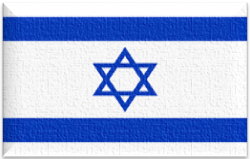
- Capital: Tel Aviv
- Independence Day: Yom Ha’atzmaut (Celebrated according to the Hebrew calendar; originally May 14, 1948, from the British Mandate)
- Districts: 6 Administrative Districts (Central, Haifa, Jerusalem, Northern, Southern, and Tel Aviv) and the Judea and Samaria Area
- Religion: Judaism
- Motto: None official
- Language: Hebrew (Official); Arabic (Special status)
Israel Country Profile Overview
Israel, officially the State of Israel, is located in Western Asia (Middle East) along the eastern Mediterranean coast. It is bordered by Lebanon to the north, Syria to the northeast, Jordan to the east, Egypt to the southwest, and the Mediterranean Sea to the west. The capital is Jerusalem, while Tel Aviv serves as the country’s main economic and technology hub.
Israel is globally known for its historical and religious significance, advanced technology-driven economy, and strategic geopolitical position. It is considered one of the most influential countries in the Middle East in terms of innovation, security, and diplomacy.
Importance of Israel
Israel is important due to its strategic Middle Eastern location, leadership in technology and innovation, and central role in regional geopolitics. The country is a global hub for startups, cybersecurity, agriculture technology, and medical research, often referred to as the “Startup Nation.”
Alliances and International Relations
Israel is a member of the United Nations (UN) and maintains strong diplomatic, economic, and security ties with the United States, European Union countries, and several regional partners. It is also part of international organizations related to trade, science, and development.
Independence and Political History
Israel declared independence in 1948, following the end of the British Mandate for Palestine. The country operates as a parliamentary democratic republic with a multiparty political system. Its modern history is closely linked to regional conflicts, peace processes, and state-building efforts.
Global Contribution
Israel contributes globally through technological innovation, scientific research, medical advancements, agricultural efficiency, and water management technologies. Israeli innovations are widely used in healthcare, communications, defense, and environmental sustainability.
Region and Sub-Region
Region: Asia
Sub-Region: Western Asia (Middle East)
Israel sits at the crossroads of Asia, Africa, and Europe, enhancing its strategic relevance.
Religion, Ethnicity, and Society
Religion: Judaism, Islam, Christianity
Ethnicity: Jewish, Arab, and other minority communities
Israel is a religiously significant country for Judaism, Christianity, and Islam, with a diverse and multicultural society.
Languages and Culture
Official Language: Hebrew
Widely Spoken: Arabic, English
Israeli culture blends ancient traditions with modern global influences, reflected in arts, cuisine, literature, and daily life.
Key Facts About Israel
Capital: Jerusalem
Currency: Israeli new shekel (ILS)
Government: Parliamentary democracy
Geography: Coastal plains, deserts, highlands
Economy: Technology, defense, agriculture, services
Conclusion
Israel is a historically significant and technologically advanced nation. Its global influence extends across innovation, security, science, and diplomacy, making it a central player in Middle Eastern and international affairs.
Frequently Asked Questions (FAQs)
Q1: Where is Israel located?
Israel is located in the Middle East along the eastern Mediterranean coast.
Q2: When was Israel established?
Israel was established in 1948.
Q3: What is Israel known for globally?
Israel is known for technology innovation, startups, and historical significance.
Q4: What languages are spoken in Israel?
Hebrew is the official language; Arabic and English are widely spoken.
Q5: Is Israel part of Asia or the Middle East?
Israel is geographically in Asia and politically part of the Middle East.
Sources :