Ireland
Ireland Country Profile Overview and Facts
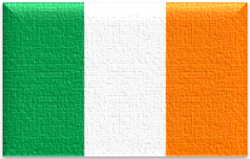
- Capital: Dublin
- National Day: March 17 (Saint Patrick’s Day)
- Provinces & Counties: 4 Provinces (Leinster, Munster, Connacht, and Ulster) divided into 26 counties (within the Republic)
- Religion: Christianity (Predominantly Roman Catholic)
- Motto: “Ireland Forever” (Éirinn go Brách)
- Languages: Irish (Gaeilge) and English (Both official)
Ireland Country Profile Overview
Ireland, officially the Republic of Ireland, is an island nation in Northwestern Europe, located in the North Atlantic Ocean. It occupies most of the island of Ireland and is separated from Great Britain by the Irish Sea. Ireland is bordered by Northern Ireland (United Kingdom) to the north. The capital and largest city is Dublin, a major European center for culture, finance, and technology.
Ireland is known for its ancient Celtic heritage, green landscapes, literary excellence, and modern high-income economy. Over time, it has evolved from an agriculture-based society into a globally connected hub for technology, education, and international business.
Importance of Ireland
Ireland is important due to its strategic Atlantic location, highly educated workforce, and role as a gateway between Europe and North America. The country is also recognized for its influence in global literature, technology investment, and international diplomacy.
Alliances and International Relations
Ireland is a member of the European Union (EU), United Nations (UN), Council of Europe, Organisation for Economic Co-operation and Development (OECD), and the World Trade Organization (WTO). Ireland follows a policy of military neutrality while actively engaging in international peacekeeping and diplomacy.
Independence and Political History
Ireland gained independence from the United Kingdom in 1922, following the Irish War of Independence, and became a republic in 1949. The country operates as a parliamentary democratic republic with a strong constitutional framework.
Global Contribution
Ireland contributes globally through literature, education, technology, pharmaceuticals, and diplomacy. Irish writers have had a lasting impact on world literature, while modern Ireland hosts many global technology and life-science companies.
Region and Sub-Region
Region: Europe
Sub-Region: Northern Europe
Ireland is culturally distinct yet deeply integrated into European and global systems.
Religion, Ethnicity, and Society
Religion: Christianity (predominantly Roman Catholic, with other denominations)
Ethnicity: Predominantly Irish, with growing multicultural communities
Irish society emphasizes community values, education, and cultural identity.
Languages and Culture
Official Languages: Irish (Gaeilge), English
Irish culture is rooted in Celtic traditions, music, folklore, dance, and a strong oral and literary history.
Key Facts About Ireland
Capital: Dublin
Currency: Euro (EUR)
Government: Parliamentary republic
Geography: Plains, hills, rugged coastline
Economy: Technology, pharmaceuticals, finance, agriculture
Conclusion
Ireland is a historically rich and economically advanced European nation. Its cultural heritage, modern innovation-driven economy, and commitment to diplomacy continue to enhance its global reputation.
Frequently Asked Questions (FAQs)
Q1: Where is Ireland located?
Ireland is located in Northwestern Europe in the North Atlantic.
Q2: When did Ireland gain independence?
Ireland gained independence in 1922 and became a republic in 1949.
Q3: What languages are spoken in Ireland?
Irish and English are the official languages.
Q4: Is Ireland part of the European Union?
Yes, Ireland is an EU member state.
Q5: What is Ireland known for globally?
Ireland is known for literature, culture, technology, and education.
Sources :