Iran
Iran Country Profile Overview and Facts
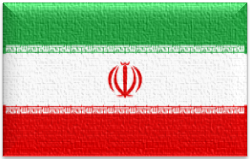
- Capital: Tehran
- National Day: February 11 (Islamic Revolution Day)
- Provinces: 31 (including Tehran, Isfahan, Fars, Razavi Khorasan, and East Azerbaijan)
- Religion: Islam (Official; predominantly Shia)
- Motto: “Independence, Freedom, Islamic Republic” (Esteqlāl, Āzādī, Jomhūrī-ye Eslāmī)
- Language: Persian (Farsi)
Iran Country Profile Overview
Iran, officially the Islamic Republic of Iran, is a country in Western Asia with a predominantly Middle Eastern identity. It is bordered by Iraq and Turkey to the west, Armenia and Azerbaijan to the northwest, Turkmenistan to the northeast, Afghanistan and Pakistan to the east, the Caspian Sea to the north, and the Persian Gulf and Gulf of Oman to the south. The capital and largest city is Tehran, a major political, economic, and cultural center.
Iran is historically known as Persia and has one of the world’s oldest continuous civilizations, with roots stretching back more than 2,500 years. Its diverse geography includes mountains, deserts, fertile plains, and coastal areas, with major mountain ranges like the Zagros and Alborz and the iconic Mount Damavand.
Importance of Iran
Iran is strategically important due to its location bridging Asia, Europe, and the Middle East and control over major energy corridors. It possesses significant oil and gas reserves, ranking among the world’s top producers, and its proximity to the Strait of Hormuz makes it crucial for global energy security.
Alliances and International Relations
Iran is a member of the United Nations (UN), Non-Aligned Movement, Organization of Islamic Cooperation (OIC), and other international bodies. Its foreign relations are shaped by regional diplomacy, nuclear negotiations, sanctions, and security concerns involving the Middle East and beyond.
Independence and Political History
Iran’s modern political history transformed dramatically with the 1979 Islamic Revolution, which ended the Pahlavi monarchy and established the Islamic Republic. The country’s government blends electoral institutions with a theocratic system in which the Supreme Leader holds ultimate authority, supported by clerical oversight bodies.
Global Contribution
Iran contributes globally in cultural heritage, science, literature, art, and energy production. Its rich history of empire, scholarship, and poetry has influenced the Middle East and wider world for centuries. Iran also engages in regional security, peacekeeping, and international trade, although its relations with global powers remain complex.
Region and Sub-Region
Region: Asia
Sub-Region: Western Asia (Middle East)
Iran plays a central role in Middle Eastern geopolitics, regional alliances, and economic connectivity.
Religion, Ethnicity, and Society
Religion: Predominantly Islam (mostly Twelver Shia), with Sunni and small non-Muslim minorities
Ethnicity: Persians, Azerbaijanis, Kurds, Lurs, Baloch, Arabs, Turkmen, and others
Iran’s diverse ethnic landscape contributes to rich traditions and varied cultural expression across regions.
Languages and Culture
Official Language: Persian (Farsi), with regional languages such as Azeri, Kurdish, Luri, Balochi, Gilaki, Mazandarani, and Arabic widely spoken.
Iranian culture is known for its literature, poetry, architecture, art, philosophy, and music dating back to ancient empires such as the Achaemenid, Sassanid, and Safavid periods. Historic cities like Isfahan are celebrated for their architectural splendor and UNESCO-listed sites.
Key Facts About Iran
Capital: Tehran
Currency: Iranian rial
Government: Islamic Republic (theocratic republic)
Population: ~87 million (2026 est.)
Geography: Highlands, deserts, mountain ranges, coastal plains
Economy: Oil, natural gas, minerals, manufacturing, agriculture, services
Conclusion
Iran is a historically rich and geo-strategically vital nation with a complex political system and diverse society. Its cultural legacy, energy resources, and central role in Middle Eastern dynamics continue to shape global discussions on geopolitics, security, and economic development.
Frequently Asked Questions (FAQs)
Q1: Where is Iran located?
Iran is in Western Asia, bordered by Middle Eastern and South Asian countries.
Q2: What is Iran known for?
Iran is known for its ancient civilization, rich cultural heritage, and strategic geopolitical position.
Q3: When did Iran become an Islamic Republic?
Iran became an Islamic Republic following the 1979 revolution.
Q4: What language is spoken in Iran?
Persian (Farsi) is the official language, with several regional languages spoken.
Q5: Is Iran part of the Middle East?
Yes, Iran is a major country in the Middle East region.
Sources :