Iceland
Iceland Country Profile Overview and Facts
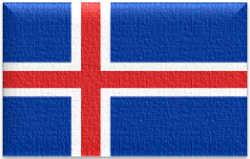
- Capital: Reykjavík
- Independence Day: June 17, 1944 (from Denmark)
- Regions: 8 (Capital Region, Southern Peninsula, Western, Westfjords, Northwestern, Northeastern, Eastern, and Southern)
- Religion: Christianity (predominantly Evangelical Lutheran Church of Iceland)
- Motto: None (Though “Unity, Solidarity, and Justice” has been used historically)
- Language: Icelandic
Iceland Country Profile Overview
Iceland, officially the Republic of Iceland, is a Nordic island nation in the North Atlantic Ocean, located between Greenland and mainland Europe. It lies just south of the Arctic Circle and is bordered by the Norwegian Sea, Greenland Sea, and North Atlantic Ocean. The capital city, Reykjavík, is the world’s northernmost capital of a sovereign state.
Iceland is globally recognized for its volcanic landscapes, glaciers, geothermal energy, and high standard of living. The country combines dramatic natural geography with strong democratic institutions and advanced environmental management.
Importance of Iceland
Iceland is important due to its strategic North Atlantic location, leadership in renewable energy, and role in global environmental sustainability. It serves as a key transit point between Europe and North America and is influential in Arctic and climate-related discussions.
Alliances and International Relations
Iceland is a member of the United Nations (UN), North Atlantic Treaty Organization (NATO), Nordic Council, Council of Europe, European Economic Area (EEA), and the World Trade Organization (WTO). While not an EU member, Iceland closely integrates with European markets.
Independence and Political History
Iceland was settled by Norse explorers in the 9th century and established one of the world’s oldest parliaments, the Althing, in 930 AD. It gained full independence from Denmark in 1944, becoming a republic.
Global Contribution
Iceland contributes globally through renewable energy innovation, sustainable fisheries management, climate research, and environmental protection policies. Its geothermal expertise is used worldwide.
Region and Sub-Region
Region: Europe
Sub-Region: Northern Europe (Nordic region)
Iceland is culturally and politically aligned with the Nordic countries.
Religion, Ethnicity, and Society
Religion: Christianity (Evangelical Lutheran Church)
Ethnicity: Predominantly Icelandic (Nordic descent)
Icelandic society is known for social equality, education, and high quality of life.
Languages and Culture
Official Language: Icelandic
Icelandic culture preserves Old Norse traditions, rich literary heritage, folklore, music, and a strong connection to nature.
Key Facts About Iceland
Capital: Reykjavík
Currency: Icelandic króna (ISK)
Government: Republic
Geography: Volcanoes, glaciers, fjords
Economy: Fisheries, renewable energy, tourism
Conclusion
Iceland is a geologically unique and environmentally advanced nation. Its commitment to sustainability, democratic governance, and cultural preservation makes it a global model for small-state resilience and innovation.
Frequently Asked Questions (FAQs)
Q1: Where is Iceland located?
Iceland is located in the North Atlantic Ocean between Europe and Greenland.
Q2: Why is Iceland famous?
Iceland is famous for volcanoes, glaciers, geothermal energy, and natural landscapes.
Q3: When did Iceland gain independence?
Iceland became fully independent in 1944.
Q4: What language is spoken in Iceland?
Icelandic is the official language.
Q5: Is Iceland part of the European Union?
No, Iceland is not an EU member but is part of the EEA.
Sources :