Haiti
Haiti Country Profile Overview and Facts
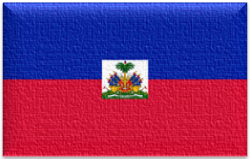
- Capital: Port-au-Prince
- Independence Day: January 1, 1804 (from France)
- Departments: 10 (Artibonite, Centre, Grand’Anse, Nippes, Nord, Nord-Est, Nord-Ouest, Ouest, Sud, and Sud-Est)
- Religion: Christianity (predominantly Roman Catholic and Protestant); Vodou is also widely practiced and recognized
- Motto: “Unity Makes Strength” (L’Union fait la force)
- Languages: French and Haitian Creole (Official)
Haiti Country Profile Overview
Haiti, officially known as the Republic of Haiti, is located in the Caribbean region, occupying the western third of the island of Hispaniola, which it shares with the Dominican Republic. It is bordered by the Atlantic Ocean to the north and the Caribbean Sea to the south. The capital and largest city is Port-au-Prince, serving as Haiti’s political, economic, and cultural hub.
Haiti holds a unique place in world history as the first independent Black republic and the first nation to emerge from a successful slave revolt. Despite facing long-standing economic and political challenges, Haiti remains globally significant due to its historical legacy, cultural richness, and strategic Caribbean location.
Importance of Haiti
Haiti’s importance lies primarily in its historical, cultural, and geopolitical influence. The Haitian Revolution reshaped global discussions on freedom, human rights, and colonialism. Regionally, Haiti plays a vital role in Caribbean migration patterns, humanitarian cooperation, and disaster response frameworks.
Alliances and International Relations
Haiti is a member of several international organizations, including the United Nations (UN), Organization of American States (OAS), Caribbean Community (CARICOM), International Monetary Fund (IMF), and the World Bank. The country maintains diplomatic relations with nations across the Americas, Europe, Africa, and Asia.
Independence and Political History
Haiti gained independence from France in 1804 following the Haitian Revolution led by figures such as Toussaint Louverture and Jean-Jacques Dessalines. This historic event marked a turning point in global anti-colonial movements. Haiti is now a republic, though its political system has faced periods of instability.
Global Contribution
Haiti’s global contribution is largely cultural and historical. It has influenced anti-slavery movements, Caribbean identity, Francophone culture, and global human rights discourse. Haitian communities abroad contribute significantly through diaspora remittances, arts, education, and entrepreneurship.
Region and Sub-Region
Region: Caribbean
Sub-Region: Greater Antilles
Haiti is strategically positioned along major maritime routes in the Caribbean basin.
Religion, Ethnicity, and Society
Religion: Christianity (Roman Catholicism and Protestantism), Vodou
Ethnicity: Predominantly Afro-Haitian
Religion and spirituality are deeply embedded in Haitian society, with Vodou playing a central cultural and historical role alongside Christianity.
Languages and Culture
Official Languages: Haitian Creole, French
Haitian culture is renowned for its music, art, literature, cuisine, and oral traditions. Haitian Creole is widely spoken and is a core symbol of national identity.
Key Facts About Haiti
Capital: Port-au-Prince
Currency: Haitian gourde (HTG)
Government: Republic
Geography: Mountains, plains, coastline
Economy: Agriculture, services, remittances
Conclusion
Haiti is a nation of profound historical significance and cultural depth. While it faces economic and structural challenges, Haiti’s identity as a symbol of freedom and resilience continues to shape its role in regional and global affairs.
Frequently Asked Questions (FAQs)
Q1: Where is Haiti located?
Haiti is located in the Caribbean, on the island of Hispaniola.
Q2: Why is Haiti historically important?
Haiti was the first Black republic and the first country to abolish slavery through revolution.
Q3: What languages are spoken in Haiti?
Haitian Creole and French are the official languages.
Q4: When did Haiti gain independence?
Haiti gained independence in 1804.
Q5: Is Haiti part of the Caribbean?
Yes, Haiti is a Caribbean nation in the Greater Antilles.
Sources :