Guinea Bissau
Guinea Bissau Country Profile Overview and Facts
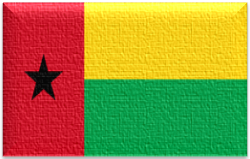
- Capital: Bissau
- Independence Day: September 24, 1973 (declared); recognized September 10, 1974 (from Portugal)
- Regions: 8 Regions (Bafatá, Biombo, Bolama, Cacheu, Gabu, Oio, Quinara, and Tombali) and 1 Autonomous Sector (Bissau)
- Religion: Islam
- Motto: “Unity, Struggle, Progress”
- Languages: Portuguese (Official); Guinea-Bissau Creole is the lingua franca
Guinea-Bissau Country Profile Overview
Guinea-Bissau, officially the Republic of Guinea-Bissau, is a country located in West Africa along the Atlantic Ocean. It borders Senegal to the north and Guinea to the south and east, with a coastline featuring numerous rivers and the Bijagós Archipelago. The capital city is Bissau, which serves as the country’s political and economic center.
Guinea-Bissau is known for its coastal ecosystems, mangroves, islands, and rich cultural traditions. The country’s economy is primarily based on agriculture, especially cashew nut production, fishing, and small-scale trade. Despite economic challenges, Guinea-Bissau holds ecological and cultural importance in West Africa.
Importance of Guinea-Bissau
Guinea-Bissau is important for its strategic Atlantic coastline, biodiversity, and agricultural exports. The Bijagós Islands, a UNESCO Biosphere Reserve, highlight the country’s role in marine conservation and ecological preservation.
Alliances and International Relations
Guinea-Bissau is a member of the United Nations (UN), African Union (AU), Economic Community of West African States (ECOWAS), Community of Portuguese Language Countries (CPLP), Organization of Islamic Cooperation (OIC), and Non-Aligned Movement.
Independence and Political History
Guinea-Bissau declared independence from Portugal in 1973, which was internationally recognized in 1974 following the end of Portuguese colonial rule. The country operates as a republic, with ongoing efforts toward political stability and institutional reform.
Global Contribution
Guinea-Bissau contributes globally through cashew exports, fisheries, cultural heritage, and marine biodiversity protection. Its coastal and island ecosystems are valuable for environmental research and conservation.
Region and Sub-Region
Region: Africa
Sub-Region: West Africa
The country’s river networks and islands support fishing, transport, and trade.
Religion, Ethnicity, and Society
Religion: Islam, Christianity, traditional African beliefs
Ethnicity: Balanta, Fula, Mandinka, Papel, Manjaco
Guinea-Bissau’s society is highly ethnically diverse, with strong community traditions and social cohesion.
Languages and Culture
Official Language: Portuguese
Widely Spoken Language: Guinea-Bissau Creole
Cultural life is expressed through music, dance, oral traditions, festivals, and crafts, reflecting African and Portuguese influences.
Key Facts About Guinea-Bissau
Capital: Bissau
Currency: West African CFA franc (XOF)
Government: Republic
Major Export: Cashew nuts
Geography: Coastal plains, rivers, islands
Conclusion
Guinea-Bissau is a small but culturally rich West African nation. Its biodiversity, agricultural production, and coastal geography give it unique importance in the region despite ongoing development challenges.
Frequently Asked Questions (FAQs)
Q1: Where is Guinea-Bissau located?
Guinea-Bissau is located in West Africa along the Atlantic Ocean.
Q2: What is Guinea-Bissau known for?
Guinea-Bissau is known for cashew nuts and the Bijagós Islands.
Q3: When did Guinea-Bissau gain independence?
It gained independence in 1973, recognized in 1974.
Q4: What language is spoken in Guinea-Bissau?
Portuguese is the official language, with Creole widely spoken.
Q5: Is Guinea-Bissau part of ECOWAS?
Yes, it is a member of ECOWAS.
Sources :