Guatemala
Guatemala Country Profile Overview and Facts
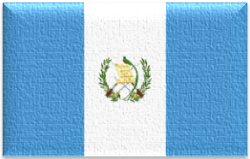
- Capital: Guatemala City
- Independence Day: September 15, 1821 (from Spain)
- Departments: 22
- Religion: Christianity
- Motto: “Grow Free and Fertile” (País de la Eterna Primavera is also a common national descriptor)
- Languages: Spanish (Official); 22 Mayan languages (such as K’iche’, Q’eqchi’, Kaqchikel, and Mam), plus Garifuna and Xinka
Guatemala Profile Overview
Guatemala, officially the Republic of Guatemala, is a country located in Central America, bordering Mexico to the north and west, Belize to the northeast, Honduras and El Salvador to the southeast, with coastlines on both the Pacific Ocean and the Caribbean Sea. The capital city is Guatemala City, the largest urban center in the country.
Guatemala is known for its ancient Maya civilization, volcanic landscapes, highlands, rainforests, and cultural diversity. It has one of the largest economies in Central America, supported by agriculture, manufacturing, trade, tourism, and remittances. Coffee, bananas, sugar, and textiles are key economic drivers.
Importance of Guatemala
Guatemala holds strategic importance in Central America due to its population size, agricultural exports, and historical influence of the Maya civilization. The country acts as a cultural and economic bridge between North and South America.
Alliances and International Relations
Guatemala is a member of the United Nations (UN), Organization of American States (OAS), Central American Integration System (SICA), World Trade Organization (WTO), Non-Aligned Movement, and the International Monetary Fund (IMF). It maintains diplomatic relations across the Americas and globally.
Independence and Political History
Guatemala gained independence from Spanish colonial rule on September 15, 1821, as part of Central America’s independence movement. It operates as a presidential republic with a constitution-based democratic system.
Global Contribution
Guatemala contributes globally through agricultural exports, cultural heritage, traditional crafts, and tourism. Maya archaeological sites like Tikal are UNESCO World Heritage Sites, drawing global recognition.
Region and Sub-Region
Region: Americas
Sub-Region: Central America
Guatemala’s geographic position supports regional trade and transit routes.
Religion, Ethnicity, and Society
Religion: Christianity (Catholic and Protestant), traditional Maya beliefs
Ethnicity: Maya, Mestizo (Ladino), Xinca, Garífuna
Guatemalan society is deeply shaped by indigenous traditions, community ties, and cultural identity.
Languages and Culture
Official Language: Spanish
Indigenous Languages: K’iche’, Q’eqchi’, Mam, and others
Guatemala’s culture is reflected in textiles, festivals, music, cuisine, and oral traditions, rooted in both indigenous and colonial history.
Key Facts About Guatemala
Capital: Guatemala City
Currency: Guatemalan Quetzal (GTQ)
Government: Presidential republic
Geography: Volcanoes, highlands, rainforests
Economy: Agriculture, manufacturing, tourism
Conclusion
Guatemala is a culturally rich and historically significant Central American nation. Its Maya heritage, economic potential, and strategic location contribute to its growing global relevance.
Frequently Asked Questions (FAQs)
Q1: Where is Guatemala located?
Guatemala is located in Central America between Mexico and Honduras.
Q2: What is Guatemala famous for?
Guatemala is famous for Maya ruins, volcanoes, coffee, and traditional textiles.
Q3: When did Guatemala gain independence?
Guatemala gained independence in 1821 from Spain.
Q4: What language is spoken in Guatemala?
Spanish is the official language, with many indigenous languages spoken.
Q5: Does Guatemala have access to two oceans?
Yes, Guatemala has coastlines on both the Pacific Ocean and the Caribbean Sea.
Sources :