Ghana
Ghana Country Profile Overview and Facts
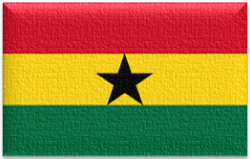
- Capital: Accra
- Independence Day: March 6, 1957 (from the UK)
- Regions: 16 (Ahafo, Ashanti, Bono, Bono East, Central, Eastern, Greater Accra, North East, Northern, Oti, Savannah, Upper East, Upper West, Volta, Western, and Western North)
- Religion: Christianity
- Motto: “Freedom and Justice”
- Language: English (Official); Akan (Twi) is widely spoken
Ghana Profile Overview
Ghana, officially the Republic of Ghana, is a country located in West Africa along the Gulf of Guinea. It shares borders with Côte d’Ivoire to the west, Burkina Faso to the north, and Togo to the east. The capital city, Accra, is the political, economic, and cultural center of the nation.
Ghana is known for its political stability, rich cultural heritage, natural resources, and growing economy. The country has diverse landscapes, including coastal plains, forests, and savannah regions. Ghana’s economy is driven by gold mining, cocoa production, oil, agriculture, and services, making it one of the most important economies in West Africa.
Importance of Ghana
Ghana is considered a regional leader in democracy and economic development in West Africa. Its stable governance, expanding infrastructure, and business-friendly environment make it an attractive destination for investment, trade, and tourism.
Alliances and International Relations
Ghana is a member of the United Nations (UN), African Union (AU), Economic Community of West African States (ECOWAS), Commonwealth of Nations, Non-Aligned Movement, World Trade Organization (WTO), and Organization of Islamic Cooperation (OIC). The country maintains strong diplomatic relations globally.
Independence and Political History
Ghana gained independence from British colonial rule on March 6, 1957, becoming the first sub-Saharan African country to achieve independence. Since then, Ghana has developed a stable democratic republic with regular elections and peaceful transitions of power.
Global Contribution
Ghana contributes globally through cocoa exports, gold production, peacekeeping missions, and pan-African leadership. It plays a key role in regional stability and international cooperation.
Region and Sub-Region
Region: Africa
Sub-Region: West Africa
Ghana’s coastal access supports international trade and maritime activities.
Religion, Ethnicity, and Society
Religion: Christianity (majority), Islam, traditional African beliefs
Ethnicity: Akan, Mole-Dagbani, Ewe, Ga-Dangme, and others
Ghanaian society values community life, respect for tradition, and social harmony.
Languages and Culture
Official Language: English
Local Languages: Akan (Twi), Ewe, Ga, Dagbani
Ghana’s culture is celebrated for music, dance, festivals, storytelling, and crafts, influencing global African culture.
Key Facts About Ghana
Capital: Accra
Currency: Ghanaian Cedi (GHS)
Government: Republic
Major Exports: Gold, cocoa, oil
Geography: Coastline, forests, savannah
Population: Diverse ethnic composition
Conclusion
Ghana stands out as a stable, culturally rich, and economically growing African nation. Its democratic values, resource wealth, and regional leadership ensure strong global relevance.
Frequently Asked Questions (FAQs)
Q1: Where is Ghana located?
Ghana is located in West Africa along the Gulf of Guinea.
Q2: What is Ghana famous for?
Ghana is famous for cocoa, gold, culture, and democracy.
Q3: When did Ghana gain independence?
Ghana gained independence in 1957 from the United Kingdom.
Q4: What language is spoken in Ghana?
English is the official language, with many local languages spoken.
Q5: Is Ghana politically stable?
Yes, Ghana is considered one of Africa’s most stable democracies.
Sources :