Germany
Germany Country Profile Overview and Facts
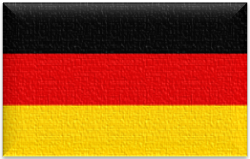
- Capital: Berlin
- Unity Day: October 3 (Commemorating reunification in 1990)
- States: 16 Federal States (Länder)
- Religion: Secular; Christianity (Roman Catholic and Protestant) and Islam
- Motto: “Unity and Justice and Freedom” (Einigkeit und Recht und Freiheit)
- Language: German
Germany Profile Overview
Germany, officially the Federal Republic of Germany, is a country located in Central Europe. It shares borders with Denmark, Poland, Czech Republic, Austria, Switzerland, France, Luxembourg, Belgium, and the Netherlands, making it one of the most connected nations in Europe. The capital city is Berlin, while other major cities include Munich, Hamburg, Frankfurt, and Cologne.
Germany is known as Europe’s largest economy and a global leader in industry, engineering, innovation, and education. The country combines advanced technology with strong manufacturing, especially in automobiles, machinery, chemicals, and renewable energy. Germany also has a high standard of living and a well-developed infrastructure.
Importance of Germany
Germany plays a central role in European politics, global trade, and international diplomacy. As the largest economy in the European Union, Germany influences economic policy, financial stability, and regional cooperation. It is also recognized for its leadership in sustainability, science, and technological research.
Alliances and International Relations
Germany is a key member of the United Nations (UN), European Union (EU), NATO, G7, G20, OECD, World Trade Organization (WTO), and Council of Europe. The country maintains strong diplomatic and economic partnerships worldwide.
Independence and Political History
Modern Germany was officially reunified on October 3, 1990, following the fall of the Berlin Wall and the end of Cold War division. The current political system is a federal parliamentary republic, emphasizing democratic governance, rule of law, and regional autonomy.
Global Contribution
Germany contributes globally through industrial exports, scientific research, environmental leadership, humanitarian aid, and peacekeeping support. It is a major exporter of vehicles, machinery, pharmaceuticals, and green technologies.
Region and Sub-Region
Region: Europe
Sub-Region: Central Europe
Germany’s central location makes it a vital hub for trade, logistics, and transportation across Europe.
Religion, Ethnicity, and Society
Religion: Christianity (Protestant and Catholic), Islam, secular population
Ethnicity: Predominantly German, with diverse immigrant communities
German society values efficiency, social responsibility, education, and innovation.
Languages and Culture
Official Language: German
Germany has a rich cultural heritage in music, philosophy, literature, architecture, and arts, with global figures in classical music, science, and modern design.
Key Facts About Germany
Capital: Berlin
Currency: Euro (EUR)
Government: Federal parliamentary republic
Economy: Manufacturing, exports, technology, services
Geography: Plains, forests, rivers, Alps in the south
Conclusion
Germany is a global economic powerhouse and political leader in Europe. Its strong institutions, innovative industries, and commitment to sustainability ensure lasting global influence.
Frequently Asked Questions (FAQs)
Q1: Where is Germany located?
Germany is located in Central Europe and borders nine countries.
Q2: What is Germany famous for?
Germany is famous for engineering, automobiles, efficiency, and cultural heritage.
Q3: When was Germany reunified?
Germany was reunified in 1990 after decades of division.
Q4: What language is spoken in Germany?
German is the official language.
Q5: Is Germany part of the European Union?
Yes, Germany is a founding and leading member of the EU.
Sources :