France
France Country Profile Overview and Facts
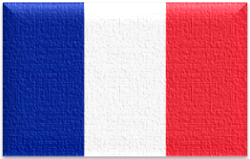
- Capital: Paris
- National Day: July 14 (Bastille Day – Fête Nationale)
- Regions: 18 (13 in metropolitan France and 5 overseas)
- Religion: Secular (Predominantly Christianity — Roman Catholic)
- Motto: “Liberty, Equality, Fraternity” (Liberté, Égalité, Fraternité)
- Language: French
France Profile Overview
France, officially the French Republic, is a country located in Western Europe. It is bordered by Belgium, Luxembourg, Germany, Switzerland, Italy, Monaco, Spain, and Andorra, with coastlines along the Atlantic Ocean, English Channel, and Mediterranean Sea. The capital city is Paris, known globally as a cultural, economic, and political hub.
France is one of the world’s oldest and most influential nations, with a rich history of art, science, literature, and philosophy. Its diverse landscapes include mountains, rivers, plains, and coastal regions, supporting a strong economy based on industry, services, agriculture, tourism, and technology.
Importance of France
France is a global leader in politics, culture, and economy. It is a founding member of the European Union, a permanent member of the UN Security Council, and a hub for international diplomacy, fashion, culinary arts, and innovation.
Alliances and International Relations
France is a member of the United Nations (UN), European Union (EU), North Atlantic Treaty Organization (NATO), Organisation for Economic Co-operation and Development (OECD), World Trade Organization (WTO), Francophonie, and the G7/G20. France maintains extensive diplomatic and trade relations globally.
Independence and Political History
France has a long history of monarchy, revolution, and republican governance. The modern Fifth Republic was established in 1958, with a semi-presidential system. France’s political structure balances executive, legislative, and judicial powers.
Global Contribution
France contributes globally through diplomacy, culture, science, technology, and humanitarian aid. It is recognized for nuclear energy, aerospace, fashion, gastronomy, and arts.
Region and Sub-Region
Region: Europe
Sub-Region: Western Europe
France’s geographic location connects Northern, Southern, and Western Europe, making it central to EU politics and trade.
Religion, Ethnicity, and Society
Religion: Predominantly secular; Catholicism is the largest religion
Ethnicity: French majority, with regional and immigrant communities
French society values liberty, equality, fraternity, cultural diversity, and civic participation.
Languages and Culture
Official Language: French
France is globally known for art, literature, cinema, music, fashion, cuisine, and philosophy. Cultural heritage sites like the Eiffel Tower, Louvre, Mont Saint-Michel, and Palace of Versailles attract millions of tourists yearly.
Key Facts About France
Capital: Paris
Currency: Euro (EUR)
Government: Semi-presidential republic
Geography: Mountains (Alps, Pyrenees), rivers (Seine, Loire), plains, coastline
Economy: Industry, services, tourism, agriculture, technology
Conclusion
France is a culturally rich and economically powerful European nation. Its leadership in global diplomacy, art, innovation, and education ensures lasting influence worldwide.
Frequently Asked Questions (FAQs)
Q1: Where is France located?
France is located in Western Europe, bordering several European countries and major seas.
Q2: What is France famous for?
France is famous for art, fashion, cuisine, culture, and historical landmarks.
Q3: What type of government does France have?
France operates as a semi-presidential republic.
Q4: What language is spoken in France?
French is the official language.
Q5: Is France part of the European Union?
Yes, France is a founding member of the EU and a global political leader.
Sources :