Finland
Finland Country Profile Overview and Facts
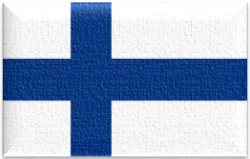
- Capital: Helsinki
- Independence Day: December 6, 1917 (from Russia)
- Regions: 19 (including the autonomous region of Åland)
- Religion: Christianity (predominantly Evangelical Lutheran)
- Motto: None (The national slogan is often “Sisu” — representing stoic determination)
- Languages: Finnish and Swedish (Official)
Finland Profile Overview
Finland, officially the Republic of Finland, is a country located in Northern Europe, forming part of the Nordic region. It is bordered by Sweden to the west, Norway to the north, Russia to the east, and the Baltic Sea to the south. The capital and largest city is Helsinki, a major political, cultural, and economic center in Northern Europe.
Finland is known for its high quality of life, advanced education system, strong social welfare model, and technological innovation. The country is often ranked among the world’s happiest and most transparent nations. Finland’s geography features extensive forests, lakes, and archipelagos, earning it the nickname “the Land of a Thousand Lakes.”
Importance of Finland
Finland holds significant importance due to its economic stability, technological development, and strategic location in Northern Europe. It plays a vital role in European security, environmental sustainability, and innovation-driven growth, particularly in clean energy, education, and digital technologies.
Alliances and International Relations
Finland is a member of the United Nations (UN), European Union (EU), North Atlantic Treaty Organization (NATO), Organization for Economic Co-operation and Development (OECD), Council of Europe, World Trade Organization (WTO), and the Schengen Area. The country maintains strong diplomatic relations across Europe, North America, and Asia.
Independence and Political History
Finland declared independence from Russia on December 6, 1917. It operates as a parliamentary republic with a stable democratic system and a strong tradition of neutrality, now complemented by active participation in European and transatlantic security structures.
Global Contribution
Finland contributes globally through education innovation, peace mediation, sustainable technology, and digital solutions. The country is recognized for excellence in telecommunications, clean technology, forestry management, and global diplomacy.
Region and Sub-Region
Region: Europe
Sub-Region: Northern Europe / Nordic Countries
Finland’s geographic position strengthens its role in Arctic policy and Baltic Sea cooperation.
Religion, Ethnicity, and Society
Religion: Christianity (primarily Lutheran), secular communities
Ethnicity: Finnish majority, Swedish minority, Sámi Indigenous people
Finnish society emphasizes equality, education, transparency, and social trust.
Languages and Culture
Official Languages: Finnish, Swedish
Finnish culture is known for literature, design, music, sauna traditions, and nature-centered living. The Sámi culture is preserved in northern regions.
Key Facts About Finland
Capital: Helsinki
Currency: Euro (EUR)
Government: Parliamentary republic
Geography: Lakes, forests, archipelagos
Economy: Technology, manufacturing, services, forestry
Conclusion
Finland is a highly developed Nordic nation with strong democratic institutions and global influence in education, sustainability, and technology. Its commitment to social well-being and innovation ensures continued relevance in international affairs.
Frequently Asked Questions (FAQs)
Q1: Where is Finland located?
Finland is located in Northern Europe in the Nordic region.
Q2: When did Finland gain independence?
Finland gained independence on December 6, 1917.
Q3: What is Finland famous for?
Finland is famous for education excellence, lakes, saunas, and quality of life.
Q4: What languages are spoken in Finland?
Finnish and Swedish are the official languages.
Q5: Is Finland a member of NATO and the EU?
Yes, Finland is a member of both NATO and the European Union.
Sources :