Ethiopia
Ethiopia Country Profile Overview and Facts
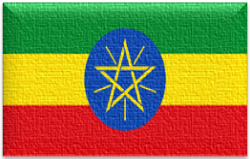
- Capital: Addis Ababa
- Independence Day: None (Never colonized); National Day celebrated May 28.
- Regions: 12
- Religion: Christianity and Islam.
- Motto: None (Historical: “Ethiopia holds up her hands unto God”).
- Languages: Amharic, Oromo, Somali, Tigrinya, and Afar (Official Federal working languages).
Ethiopia Profile Overview
Ethiopia, officially the Federal Democratic Republic of Ethiopia, is a landlocked country in the Horn of Africa. It is bordered by Eritrea to the north, Djibouti to the northeast, Somalia to the east, Kenya to the south, South Sudan to the west, and Sudan to the northwest. The capital and largest city is Addis Ababa, which also serves as the diplomatic capital of Africa.
Ethiopia is one of the oldest nations in the world, with a recorded history spanning thousands of years. It is unique in Africa for having successfully resisted long-term colonial rule, preserving its sovereignty for most of its history. The country has diverse geography, including highlands, plateaus, rift valleys, and lowland deserts, supporting a large and diverse population.
Importance of Ethiopia
Ethiopia holds major importance due to its large population, historical legacy, and political influence in Africa. As the host of the African Union headquarters, Ethiopia plays a central role in continental diplomacy, peacekeeping, and regional cooperation in East Africa and beyond.
Alliances and International Relations
Ethiopia is a member of the United Nations (UN), African Union (AU), Intergovernmental Authority on Development (IGAD), Common Market for Eastern and Southern Africa (COMESA), Non-Aligned Movement, World Trade Organization (observer), International Monetary Fund (IMF), and World Bank. The country maintains diplomatic relations with nations across Africa, Asia, Europe, and the Americas.
Independence and Political History
Ethiopia maintains a unique independence history, having largely avoided colonization. Following a brief Italian occupation (1936–1941), Ethiopia regained full sovereignty and modern political governance. Today, Ethiopia operates as a federal parliamentary republic, structured along ethnolinguistic regions.
Global Contribution
Ethiopia contributes globally through peacekeeping missions, cultural heritage, agricultural exports, and regional diplomacy. It is one of Africa’s largest contributors to UN peacekeeping operations and a leading exporter of coffee, the crop’s original birthplace.
Region and Sub-Region
Region: Africa
Sub-Region: East Africa / Horn of Africa
Ethiopia’s central location strengthens its role as a regional power in East Africa.
Religion, Ethnicity, and Society
Religion: Christianity (Ethiopian Orthodox, Protestant), Islam
Ethnicity: Oromo, Amhara, Somali, Tigray, Sidama, and others
Ethiopian society reflects deep ethnic diversity, ancient traditions, and strong communal identity.
Languages and Culture
Official Working Language: Amharic
Other Languages: Oromo, Somali, Tigrinya, Afar, and many others
Ethiopia has one of the richest cultural heritages in Africa, known for its ancient churches, manuscripts, music, cuisine, and festivals.
Key Facts About Ethiopia
Capital: Addis Ababa
Currency: Ethiopian Birr (ETB)
Government: Federal parliamentary republic
Geography: Highlands, Rift Valley, lowlands
Economy: Agriculture, manufacturing, services
Conclusion
Ethiopia is a historically significant and politically influential African nation with deep cultural roots and growing economic potential. Its leadership in African diplomacy, peacekeeping, and cultural preservation secures its place as a cornerstone of the continent.
Frequently Asked Questions (FAQs)
Q1: Where is Ethiopia located?
Ethiopia is located in the Horn of Africa in East Africa.
Q2: Was Ethiopia ever colonized?
Ethiopia largely resisted colonization, with only a brief Italian occupation.
Q3: Why is Ethiopia important in Africa?
Ethiopia hosts the African Union and plays a major role in regional diplomacy.
Q4: What is Ethiopia famous for?
Ethiopia is famous for coffee, ancient civilization, and religious heritage.
Q5: What language is spoken in Ethiopia?
Amharic is the official working language, alongside many regional languages.
Sources :