Eswatini
Eswatini Country Profile Overview and Facts
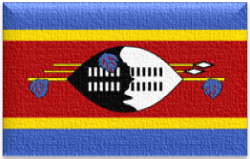
- Capital: Mbabane (Administrative); Lobamba (Legislative/Royal)
- Independence Day: September 6, 1968 (from the UK)
- Regions: 4 (Hhohho, Lubombo, Manzini, and Shiselweni)
- Religion: Christianity Islam
- Motto: “We are the fortress” (Siyinqaba)
- Languages: English and siSwati (Official)
Eswatini Profile Overview
Eswatini, officially the Kingdom of Eswatini, is a landlocked country in Southern Africa, bordered by South Africa to the north, west, and south, and Mozambique to the east. The country was formerly known as Swaziland and officially changed its name to Eswatini in 2018. The administrative capital is Mbabane, while the royal and legislative capital is Lobamba.
Eswatini is known for its strong monarchy, preserved cultural traditions, and diverse landscapes, which range from mountains and savannas to fertile lowlands. The economy is supported by agriculture, manufacturing, sugar production, forestry, and regional trade, with close economic ties to neighboring countries.
Importance of Eswatini
Eswatini is important for its strategic location within Southern Africa, serving as a trade and transit link between South Africa and Mozambique. The country is also recognized for its cultural heritage preservation, regional stability, and agricultural exports, particularly sugar.
Alliances and International Relations
Eswatini is a member of the United Nations (UN), African Union (AU), Southern African Development Community (SADC), Commonwealth of Nations, World Trade Organization (WTO), International Monetary Fund (IMF), and World Bank. It maintains diplomatic relations with countries across Africa, Europe, Asia, and the Americas.
Independence and Political History
Eswatini gained independence from British rule on September 6, 1968. The country operates as an absolute monarchy, one of the last remaining in the world, with the King serving as both head of state and government. Traditional governance structures continue to play a central role in national affairs.
Global Contribution
Eswatini contributes globally through agricultural exports, cultural diplomacy, and participation in regional development initiatives. Sugar, citrus fruits, textiles, and forestry products are among the country’s key contributions to international markets.
Region and Sub-Region
Region: Africa
Sub-Region: Southern Africa
Eswatini’s location supports cross-border trade and regional economic integration.
Religion, Ethnicity, and Society
Religion: Christianity, with traditional beliefs also practiced
Ethnicity: Predominantly Swazi
Society in Eswatini emphasizes community values, respect for tradition, and strong social structures rooted in cultural heritage.
Languages and Culture
Official Languages: Swazi (Siswati), English
Eswatini’s culture is internationally recognized for ceremonies such as the Umhlanga (Reed Dance) and Incwala, which reflect national identity and traditional governance.
Key Facts About Eswatini
Administrative Capital: Mbabane
Legislative Capital: Lobamba
Currency: Lilangeni (SZL), South African Rand (ZAR)
Government: Absolute monarchy
Geography: Mountains, valleys, lowlands
Economy: Agriculture, sugar, manufacturing, forestry
Conclusion
Eswatini is a culturally rich Southern African kingdom with a unique political system and strong regional ties. Its commitment to tradition, combined with economic integration in Southern Africa, ensures continued relevance in regional development and cultural preservation.
Frequently Asked Questions (FAQs)
Q1: Where is Eswatini located?
Eswatini is located in Southern Africa, bordered by South Africa and Mozambique.
Q2: When did Eswatini gain independence?
Eswatini gained independence on September 6, 1968.
Q3: Why was Swaziland renamed Eswatini?
The name was changed in 2018 to reflect the country’s indigenous name.
Q4: What type of government does Eswatini have?
Eswatini operates as an absolute monarchy.
Q5: What languages are spoken in Eswatini?
Swazi (Siswati) and English are the official languages.
Sources :