Equatorial Guinea
Equatorial Guinea Country Profile Overview and Facts
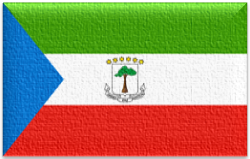
- Capital: Malabo (Current); Ciudad de la Paz (Under construction/Future)
- Independence Day: October 12, 1968 (from Spain)
- Provinces: 8
- Religion: Christianity
- Motto: “Unity, Peace, Justice” (Unidad, Paz, Justicia)
- Languages: Spanish, French, and Portuguese (Official)
Equatorial Guinea Profile Overview
Equatorial Guinea, officially the Republic of Equatorial Guinea, is a small country located in Central Africa. It consists of a mainland region known as Río Muni and several islands, including Bioko, where the capital city Malabo is located, and Annobón in the South Atlantic Ocean. The country is bordered by Cameroon to the north, Gabon to the east and south, and the Gulf of Guinea to the west.
Despite its small size, Equatorial Guinea is one of Africa’s significant oil-producing nations, with petroleum forming the backbone of its economy. Natural gas, timber, and fisheries also support national income. The country’s geography includes coastal plains, rainforests, and volcanic islands, contributing to environmental diversity.
Importance of Equatorial Guinea
Equatorial Guinea is important due to its strategic location in the Gulf of Guinea and its role in global energy markets. Oil and gas production place the country among the higher per-capita income nations in Africa, while its maritime position supports regional trade and energy security.
Alliances and International Relations
Equatorial Guinea is a member of the United Nations (UN), African Union (AU), Economic Community of Central African States (ECCAS), Organization of Petroleum Exporting Countries (OPEC), Organization of Islamic Cooperation (OIC), Community of Portuguese Language Countries (CPLP), World Trade Organization (WTO), International Monetary Fund (IMF), and World Bank. It maintains diplomatic relations across Africa, Europe, Asia, and the Americas.
Independence and Political History
Equatorial Guinea gained independence from Spain on October 12, 1968. The country operates as a presidential republic. Since independence, political authority has remained centralized, with governance focused on stability, energy development, and infrastructure investment.
Global Contribution
Equatorial Guinea contributes globally through oil and natural gas exports, energy infrastructure development, and regional maritime security cooperation. Its hydrocarbon resources support international energy supply chains, particularly for European and Asian markets.
Region and Sub-Region
Region: Africa
Sub-Region: Central Africa
The country’s island and mainland territories enhance its strategic maritime reach in the Atlantic.
Religion, Ethnicity, and Society
Religion: Christianity (predominantly Roman Catholic), minority Islamic communities
Ethnicity: Fang, Bubi, Ndowe, Annobonese, and other ethnic groups
Society reflects a combination of traditional African customs and Spanish colonial influence.
Languages and Culture
Official Languages: Spanish, French, Portuguese
Equatorial Guinea is the only Spanish-speaking country in Africa, giving it a unique cultural identity. Cultural expression includes traditional music, oral storytelling, and regional festivals.
Key Facts About Equatorial Guinea
Capital: Malabo
Largest City: Bata
Currency: Central African CFA franc (XAF)
Government: Presidential republic
Geography: Mainland forests, volcanic islands, Atlantic coastline
Economy: Oil, natural gas, timber, fisheries
Conclusion
Equatorial Guinea is a strategically located Central African nation with significant global relevance due to its energy resources. Its multilingual identity, maritime position, and hydrocarbon exports continue to shape its economic and diplomatic role on the international stage.
Frequently Asked Questions (FAQs)
Q1: Where is Equatorial Guinea located?
Equatorial Guinea is located in Central Africa along the Gulf of Guinea.
Q2: When did Equatorial Guinea gain independence?
The country gained independence from Spain on October 12, 1968.
Q3: What is Equatorial Guinea known for?
It is known for oil and gas production and being Africa’s only Spanish-speaking nation.
Q4: What languages are spoken in Equatorial Guinea?
Spanish, French, and Portuguese are official languages.
Q5: What is the capital of Equatorial Guinea?
Malabo is the capital city.
Sources :