El Salvador
El Salvador Country Profile Overview and Facts
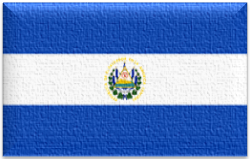
- Capital: San Salvador
- Independence Day: September 15, 1821
- Departments: 14 (Ahuachapán, Cabañas, Chalatenango, Cuscatlán, La Libertad, La Paz, La Unión, Morazán, San Miguel, San Salvador, San Vicente, Santa Ana, Sonsonate, and Usulután)
- Religion: Christianity
- Motto: “God, Union, Liberty” (Dios, Unión, Libertad)
- Language: Spanish
El Salvador Profile Overview
El Salvador, officially the Republic of El Salvador, is the smallest and most densely populated country in Central America. It is located on the Pacific coast of Central America, bordered by Guatemala to the northwest, Honduras to the north and east, and the Pacific Ocean to the south. The capital and largest city is San Salvador, which serves as the country’s political, cultural, and economic center.
El Salvador is known for its volcanic landscape, fertile agricultural land, and rapidly modernizing economy. The country has shifted from an agriculture-based economy toward manufacturing, services, remittances, and digital finance, gaining global attention for economic reforms and security improvements.
Importance of El Salvador
El Salvador holds growing importance due to its strategic Pacific location, expanding manufacturing sector, and economic innovation. The country is a key link in Central American trade corridors and has become a focal point for financial modernization and tourism growth in the region.
Alliances and International Relations
El Salvador is a member of the United Nations (UN), Organization of American States (OAS), Central American Integration System (SICA), Community of Latin American and Caribbean States (CELAC), World Trade Organization (WTO), International Monetary Fund (IMF), and World Bank. It maintains diplomatic and trade relations across the Americas, Europe, and Asia.
Independence and Political History
El Salvador gained independence from Spanish colonial rule on September 15, 1821, as part of Central America. It later became a fully sovereign republic. The country operates as a presidential republic with a constitutional framework and evolving democratic institutions.
Global Contribution
El Salvador contributes globally through manufacturing exports, agricultural products, labor remittances, and regional trade participation. Key exports include coffee, sugar, textiles, and manufactured goods, while the country also participates in international discussions on financial innovation and digital assets.
Region and Sub-Region
Region: Americas
Sub-Region: Central America
El Salvador’s Pacific coastline supports trade, fishing, and tourism.
Religion, Ethnicity, and Society
Religion: Christianity (predominantly Roman Catholic and Protestant)
Ethnicity: Mestizo majority, Indigenous peoples, and European descent
Salvadoran society emphasizes family ties, cultural traditions, and community values.
Languages and Culture
Official Language: Spanish
El Salvador’s culture reflects a blend of Indigenous heritage and Spanish influence, visible in cuisine, festivals, crafts, and music. Pupusas are a nationally recognized cultural dish.
Key Facts About El Salvador
Capital: San Salvador
Currency: United States Dollar (USD), Bitcoin (legal tender)
Government: Presidential republic
Geography: Volcanic mountains, coastal plains, lakes
Economy: Manufacturing, services, remittances, agriculture
Conclusion
El Salvador is a compact yet dynamic Central American nation undergoing rapid transformation. Its strategic location, economic reforms, and cultural resilience position it as an increasingly influential player in regional development and global economic discussions.
Frequently Asked Questions (FAQs)
Q1: Where is El Salvador located?
El Salvador is located in Central America along the Pacific Ocean.
Q2: When did El Salvador gain independence?
El Salvador gained independence on September 15, 1821.
Q3: What is El Salvador known for?
El Salvador is known for volcanoes, pupusas, coffee, and economic reforms.
Q4: What currency is used in El Salvador?
The country uses the United States Dollar and Bitcoin as legal tender.
Q5: What language is spoken in El Salvador?
Spanish is the official language of El Salvador.
Sources :